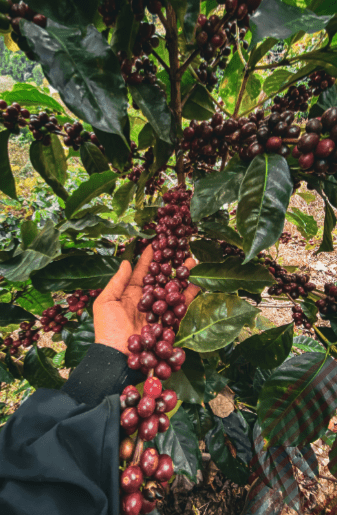
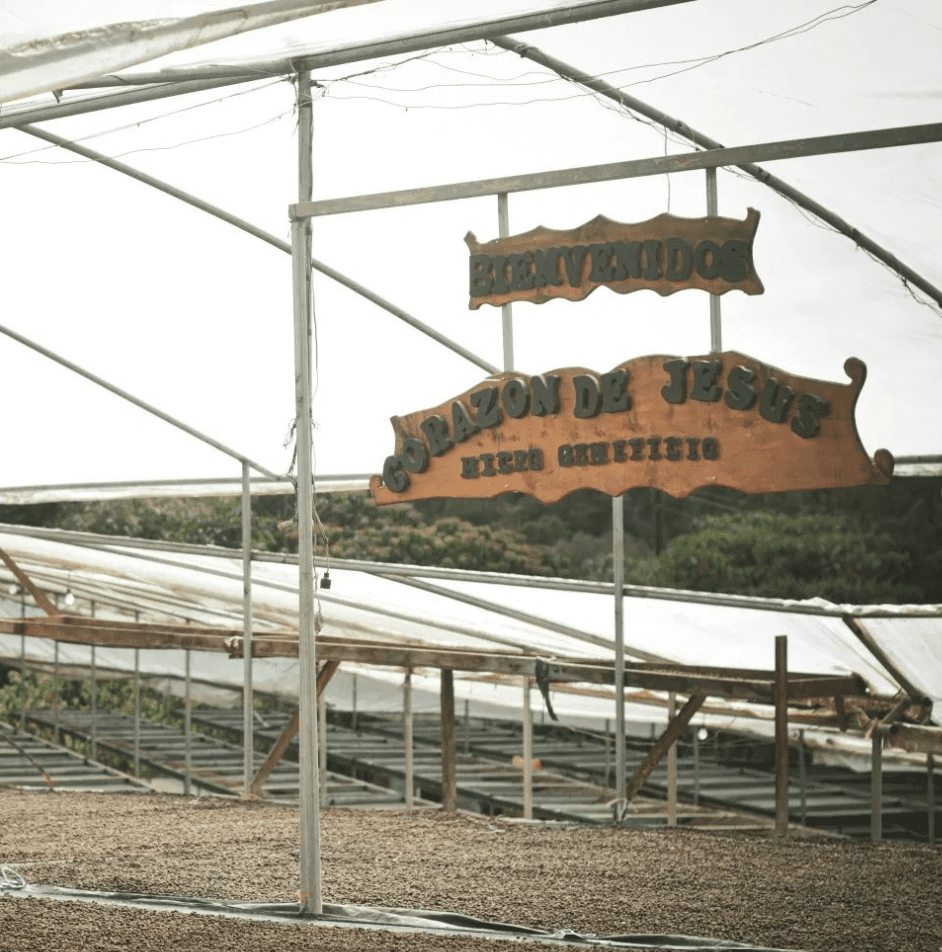
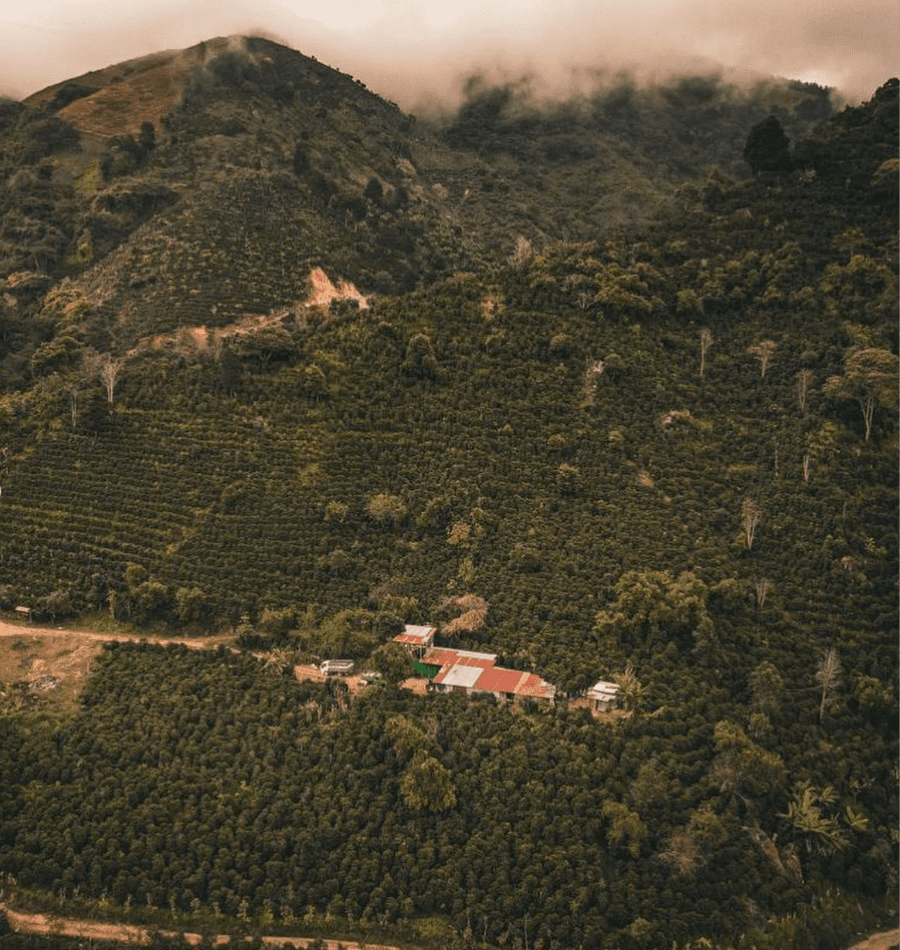
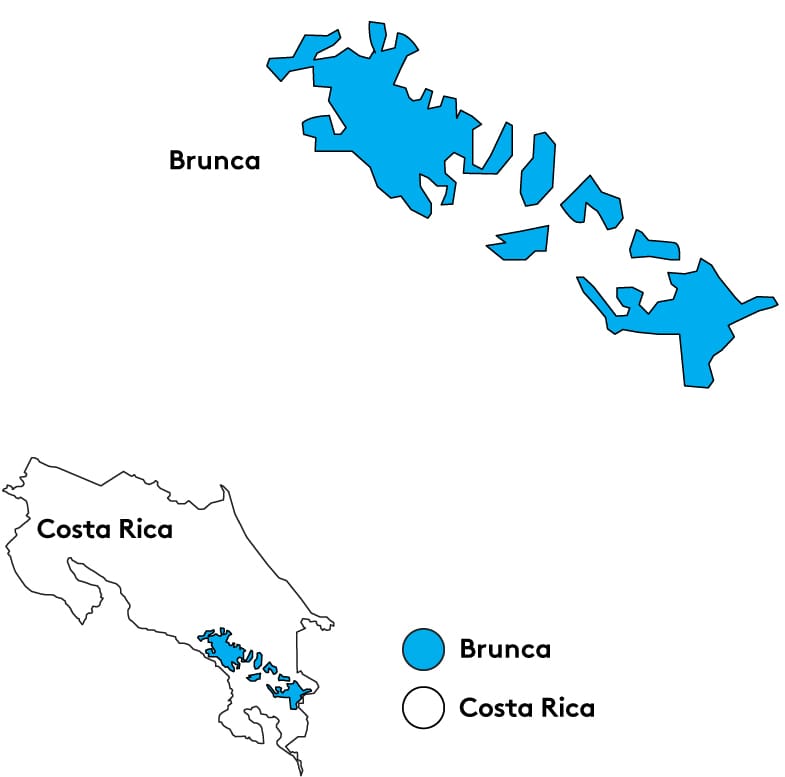
Located in Costa Rica’s youngest coffee region, Brunca, El Salitre farm and the Corazón de Jesús Micromill are owned by the Alvarado Fonseca family. The family established their business in November 2015 with a mission to earn recognition nationally and internationally for their quality and innovation while always working in harmony with the environment. Operations at the micromill primarily focuses on processing coffees from the Chirripó microregion.
The Alvarado Fonseca family have established themselves already as producers of high-quality coffees, given numerous awards, reflecting their passion and expertise in the industry: second Place Honeys and Naturals Category: Cup of Excellence 2024, Costa Rica, third Place: Cup of Excellence 2022, Costa Rica, seventeenth Place: Cup of Excellence 2022, Costa Rica, fifth Place: Cup of Excellence 2021, Costa Rica, first Place: National Barista Championship, Costa Rica 2022, third Place: Greek Barista Championship 2022 and first Place: Polish Barista Championship 2023
During the 2021-2022 harvest, they embarked on a new journey that would transform the way they processed their beloved coffee. This journey led to the creation of the Natural Reposado process, a revolutionary method that came to life after months of experimentation and refinement.
It all began with the family’s vision to create something unique, a method that could highlight the individual characteristics of each coffee variety they grew. With this dream in mind, they started a testing period that lasted around four months. Every family member got involved, experimenting with different times and temperatures until they found the perfect formula.
Process Description:
Developed by the Alvarado Fonseca family at Corazón de Jesús Micro Mill, the Geo Natural process is the result of more than four months of experimentation aimed at enhancing sweetness, structure, and aromatic complexity while preserving the intrinsic character of the coffee. Introduced during the 2021–2022 harvest, the protocol combines controlled fermentation, slow drying, and extended resting periods to encourage the activity of native microorganisms and promote a balanced, expressive cup profile.
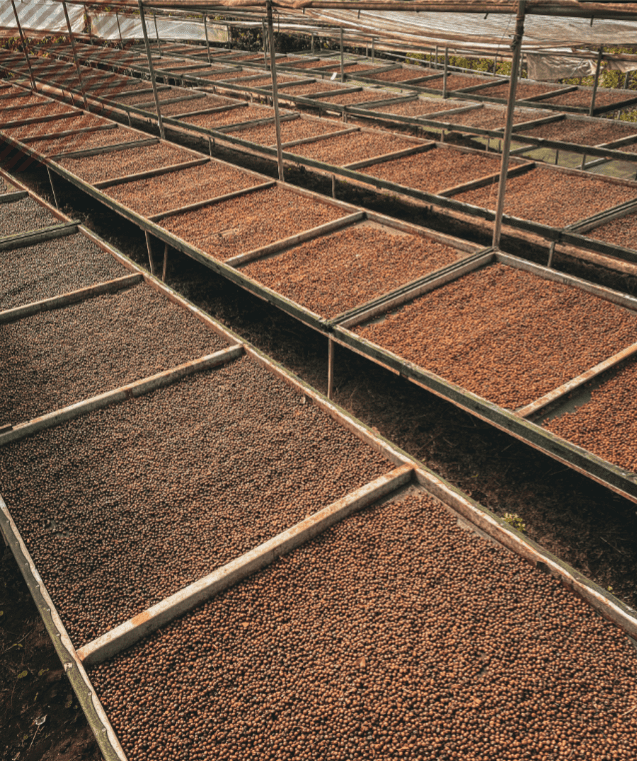
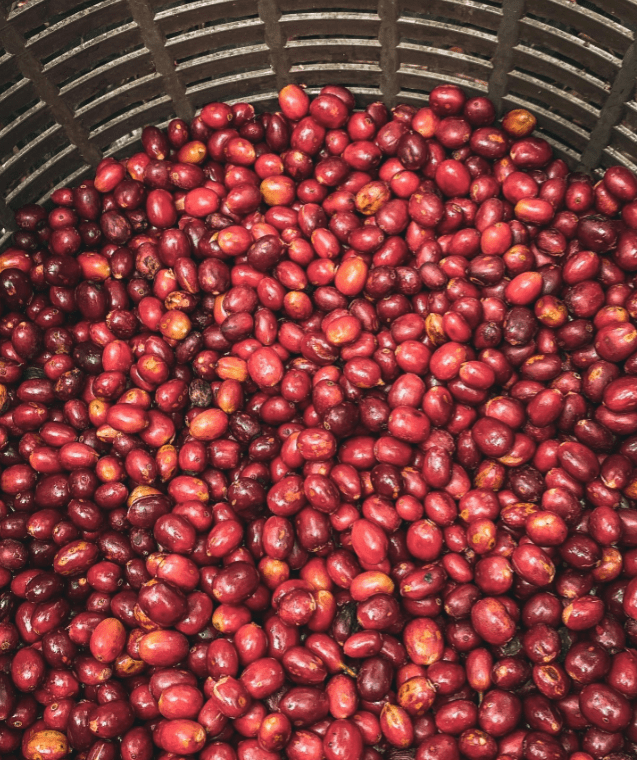
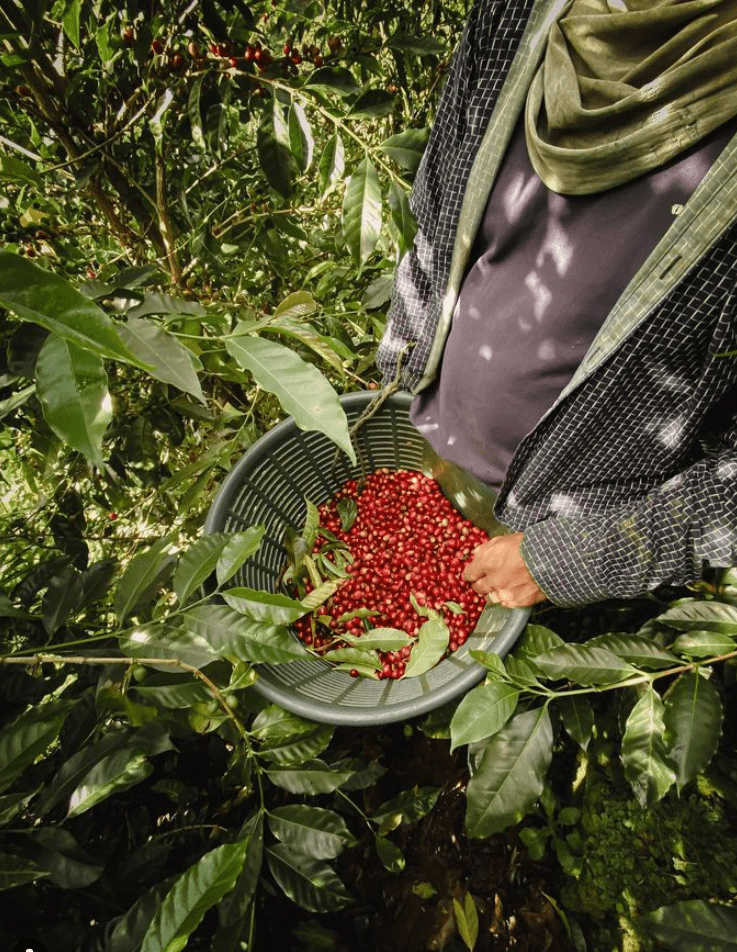
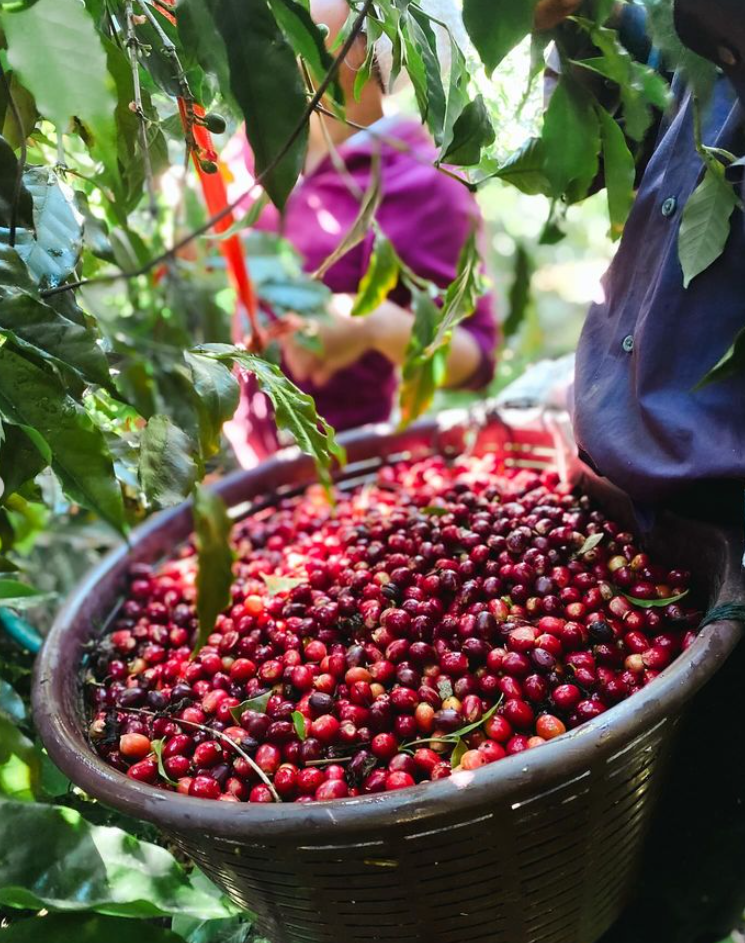
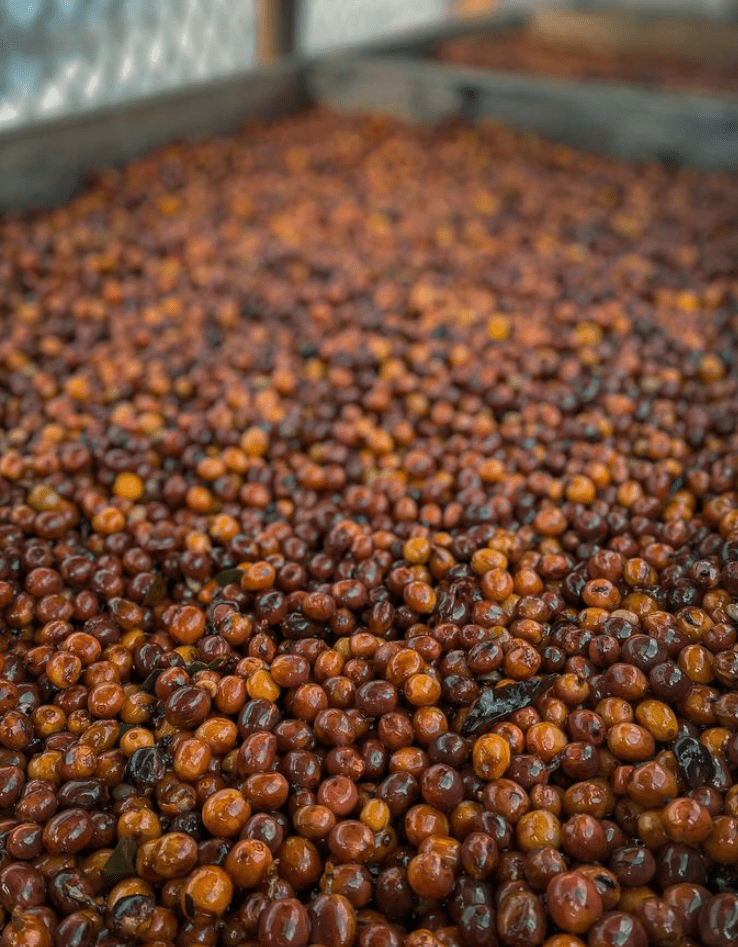
The process begins with the selective harvest of fully ripe cherries, which are immediately sealed in hermetic bags for a 48-hour anaerobic fermentation at temperatures between 18 and 20°C. The cherries are then transferred to raised beds, where they undergo a slow dehydration period of approximately 4 to 7 days, depending on weather conditions, allowing the fruit to gradually concentrate its sugars while maintaining stability.
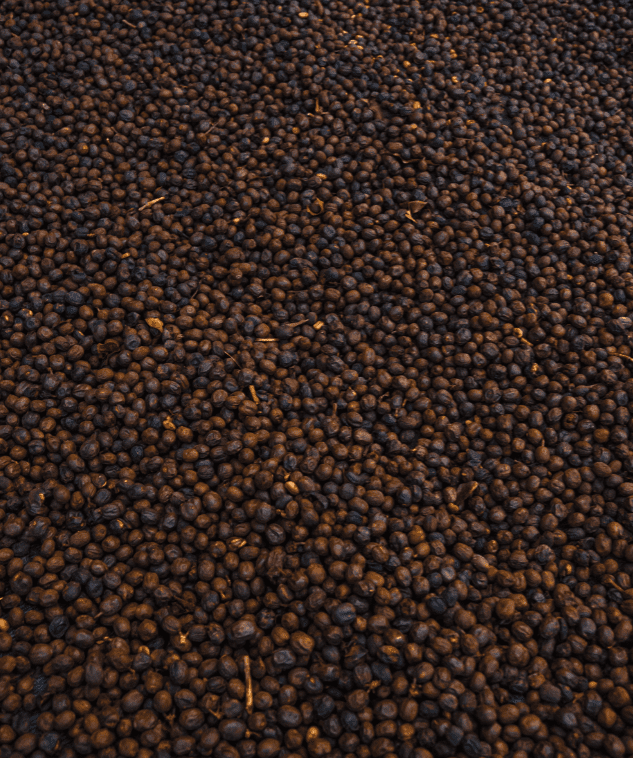
Once partially dehydrated, the cherries return to hermetic bags for the defining stage of the Geo Natural protocol: a 10 to 15-day resting period at 15 to 17°C. This slow maturation allows flavors to integrate gradually, increasing sweetness and aromatic complexity before the coffee completes its drying on patios over approximately 15 additional days, where moisture is carefully managed to ensure uniformity and preserve cup quality.
After drying, the coffee is stabilized for a minimum of two months before milling and evaluation, although the Alvarado Fonseca family has found that the coffee reaches its optimal expression after four to five months of rest. This extended maturation contributes to a cup with remarkable sweetness, a silky mouthfeel, structured body, and layered notes of ripe fruit, red wine, and delicate spice.