Region
Tarrazú
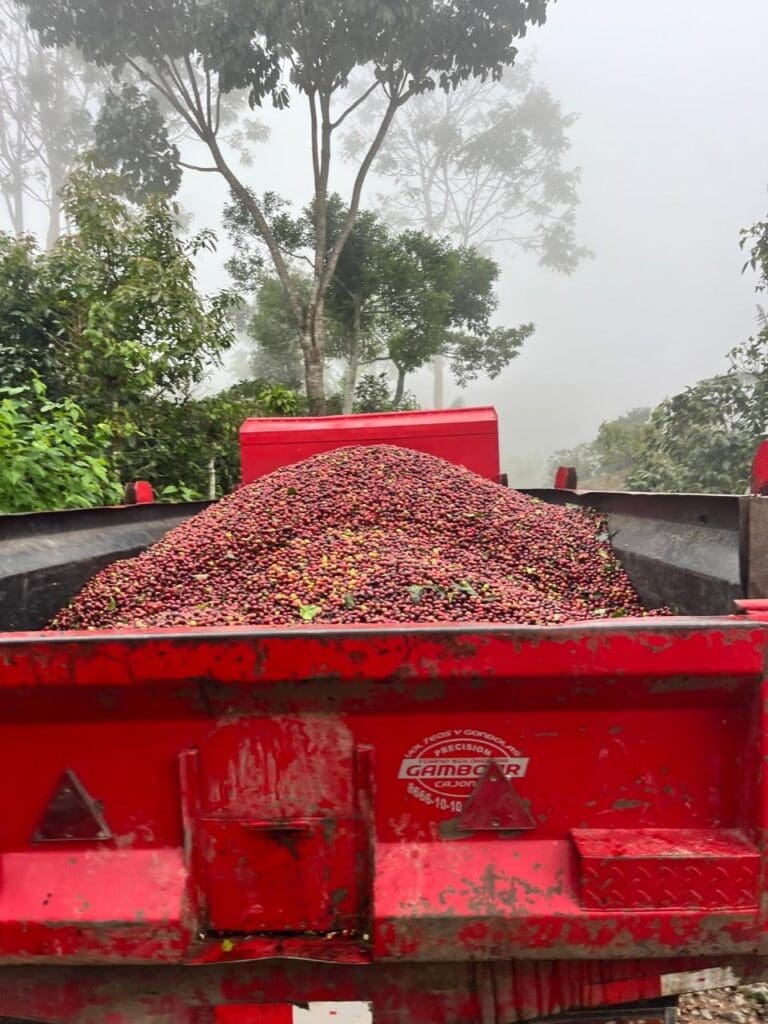
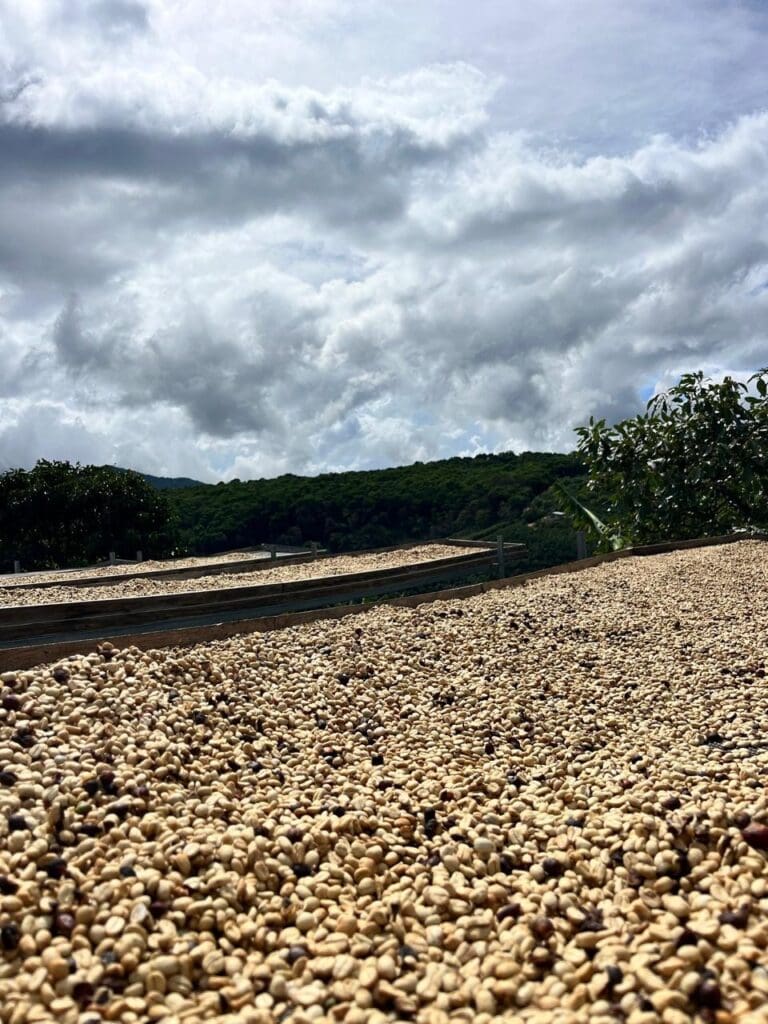
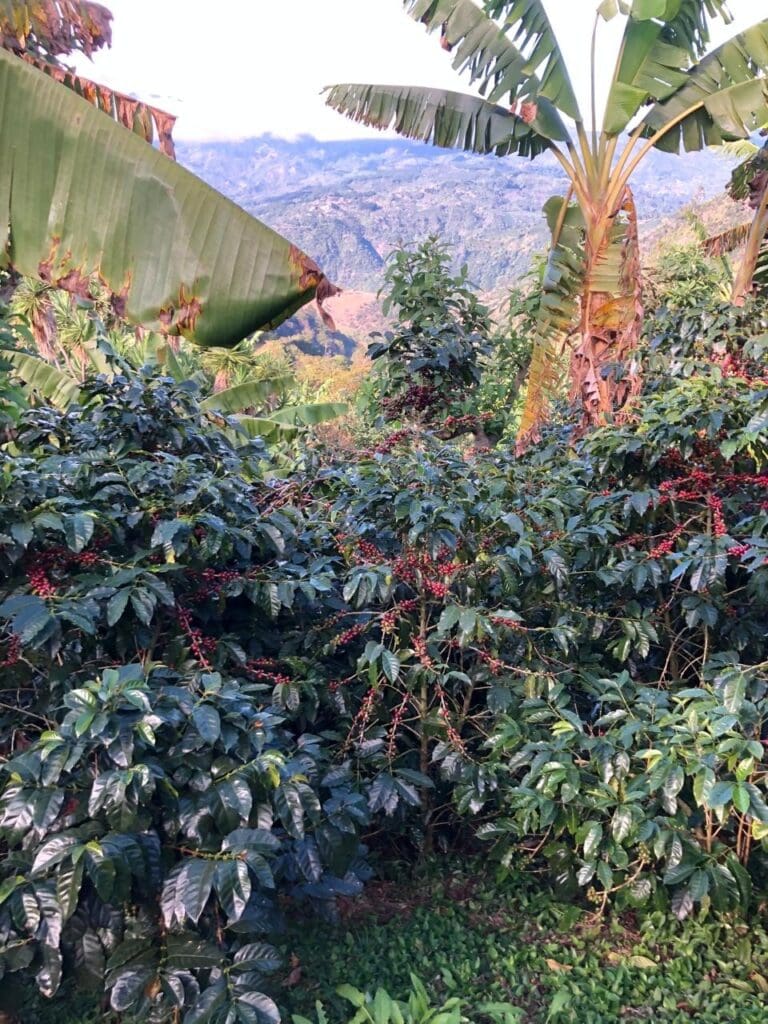
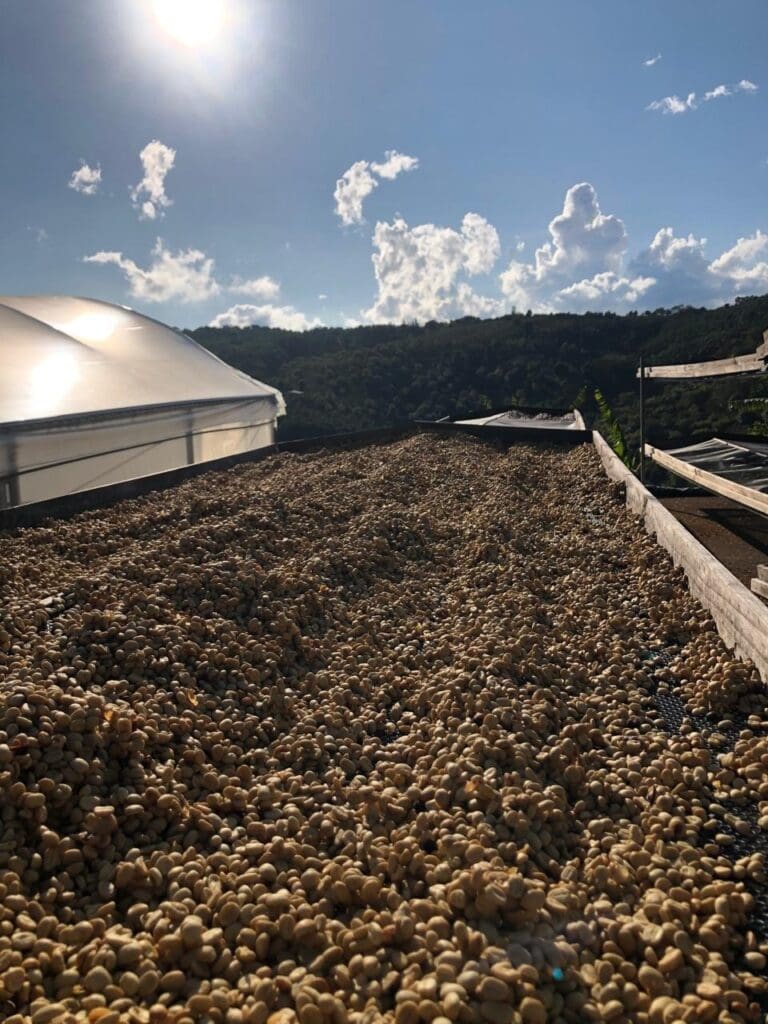
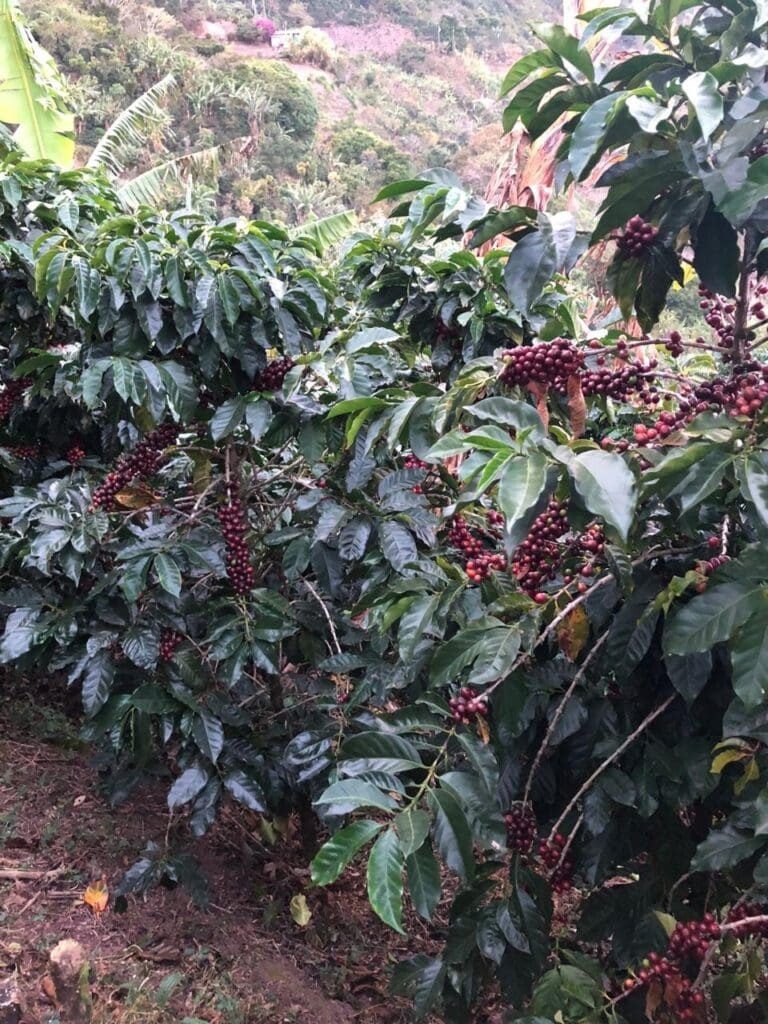
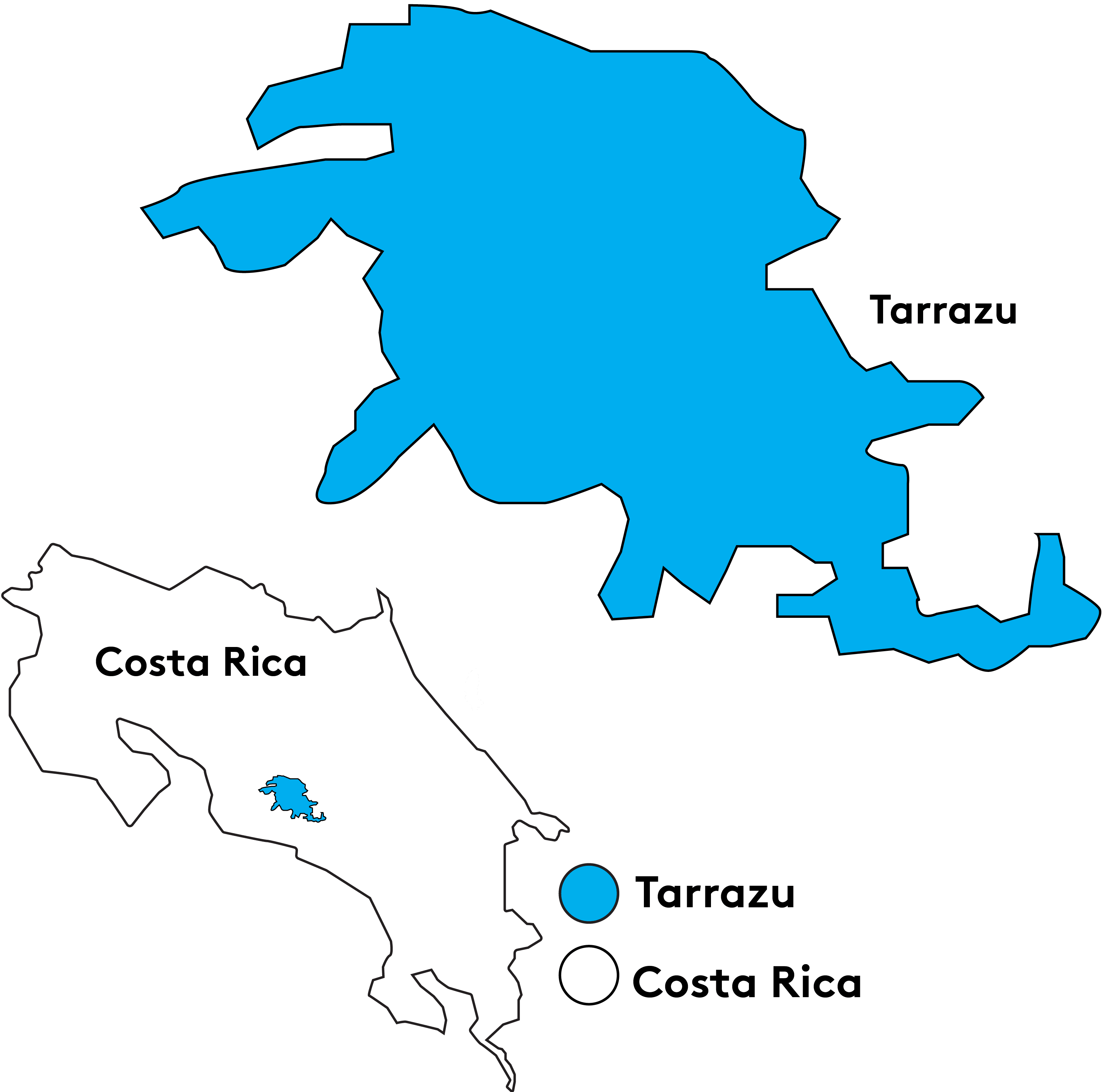
Tarrazú is a canton located in the province of San José, in Costa Rica’s Central Valley. It forms part of the renowned Zona de Los Santos, along with the neighboring cantons of Dota and León Cortés. Nestled in the high mountains south of the capital city, Tarrazú is one of the most densely planted high-altitude coffee regions in Central America, with many farms located at or above 2,000 meters above sea level.
Locally, the area is known as Zona de Los Santos, a name inspired by the many towns beginning with “San” or “Santa.” Tarrazú’s climate features two distinct seasons: a rainy season from May to November and a dry season from December to April. These conditions create the perfect environment for uniform coffee flowering and ripening. The region receives an average of 2,400 mm of rainfall annually and maintains a mild average temperature of 19°C (66.2°F).
The region’s volcanic soils and steep, rolling hillsides are ideal for agriculture. Many smallholder farmers grow coffee alongside bananas, avocados, and citrus—often on land passed down through generations. A strong sense of family and community defines life in Tarrazú, where producers care deeply for their land, preserve native forests, incorporate shade trees, and protect the natural springs that flow from the mountains.
If you want to learn more about the new division of Costa Rica’s coffee regions, check out our Instagram post.