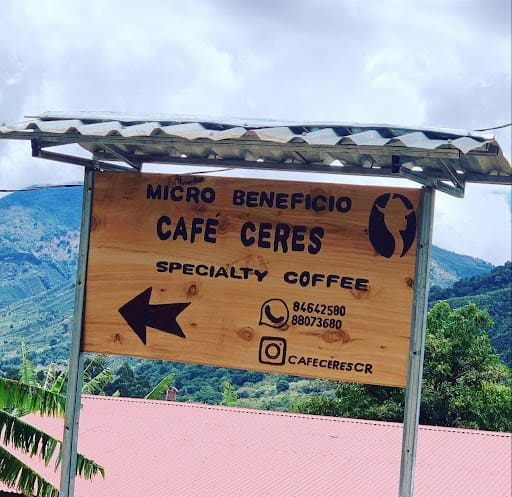
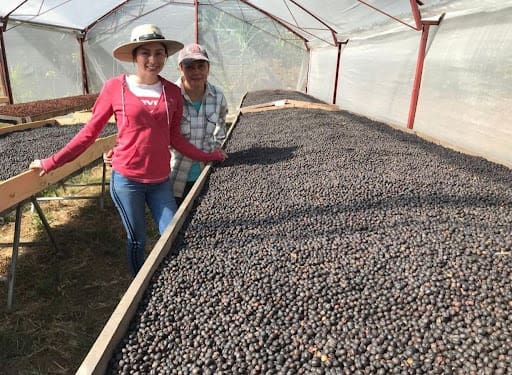
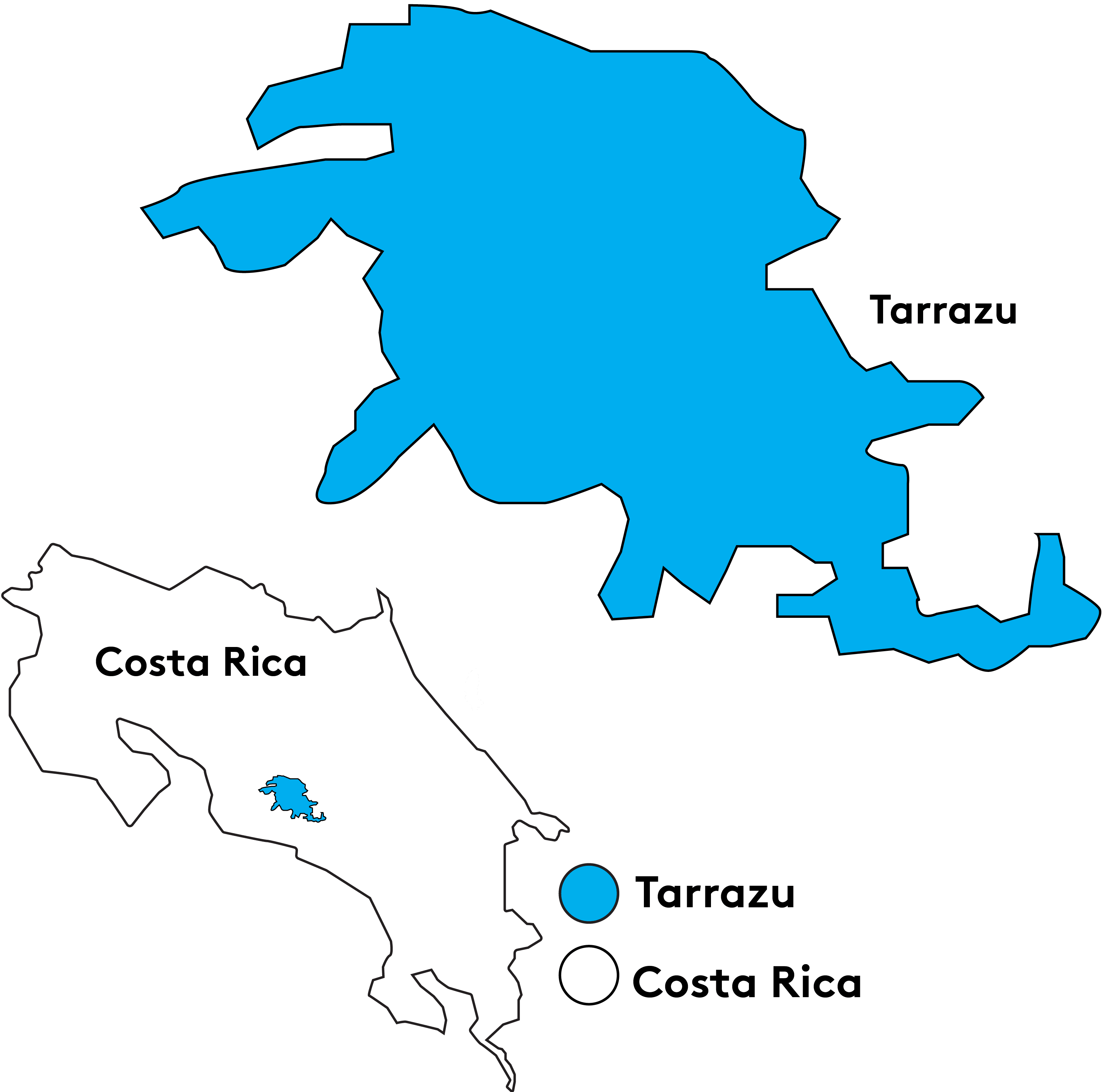
Finca El Llano is part of Café Ceres, a family-owned micro-mill located in El Quemado, Santa María de Dota, within Costa Rica’s iconic Tarrazú (Now Los Santos) coffee region. For over twelve years, this project has been led by a mother and daughter, Alexandra Elizondo Madrigal and Stephanny Fernández Elizondo, who came together with the shared dream of producing coffees with identity, care, and quality. Their microlots reflect a deep connection to the land, crafted through artisanal methods, and a strong commitment to environmental sustainability.
El Llano is a place where tradition and intention meet, the farm combines ideal altitude with thoughtful practices. The farm operates with a focus on sustainability and harmony with its surroundings.
Process description:
For this Caturra and Catuai lot from Cafe Ceres Micromill, the Honey process begins with ripe coffee cherries that remain in whole cherry for approximately 72 hours in plastic bags. The cherries are then pulped mechanically without the use of water, leaving the mucilage intact on the parchment.
The pulped coffee undergoes a second fermentation stage in plastic bags for approximately 48 hours, with no fermentation additives. The coffee is not washed after fermentation, allowing the remaining mucilage to stay attached to the parchment during drying.
The coffee is then transferred to raised drying beds and exposed to the sun for approximately 14 hours. Throughout drying, the coffee is moved every two hours to promote uniform moisture reduction and even drying.
This carefully managed Honey process preserves the mucilage throughout fermentation and drying, supporting the development of sweetness and complexity while maintaining consistency in the final coffee.