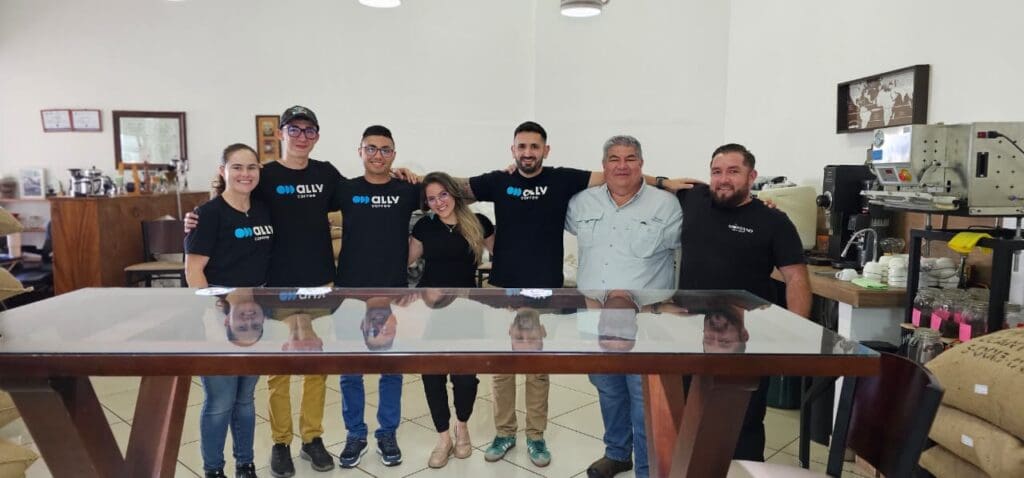
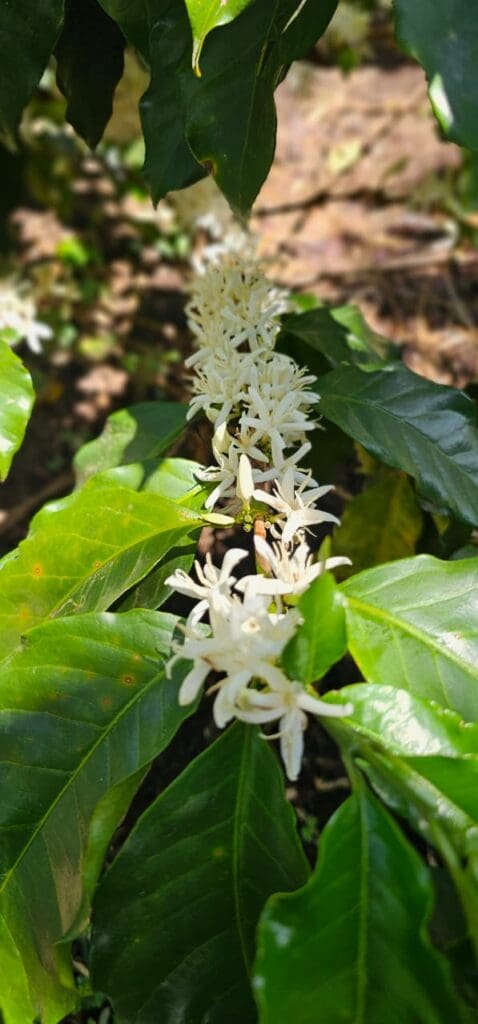
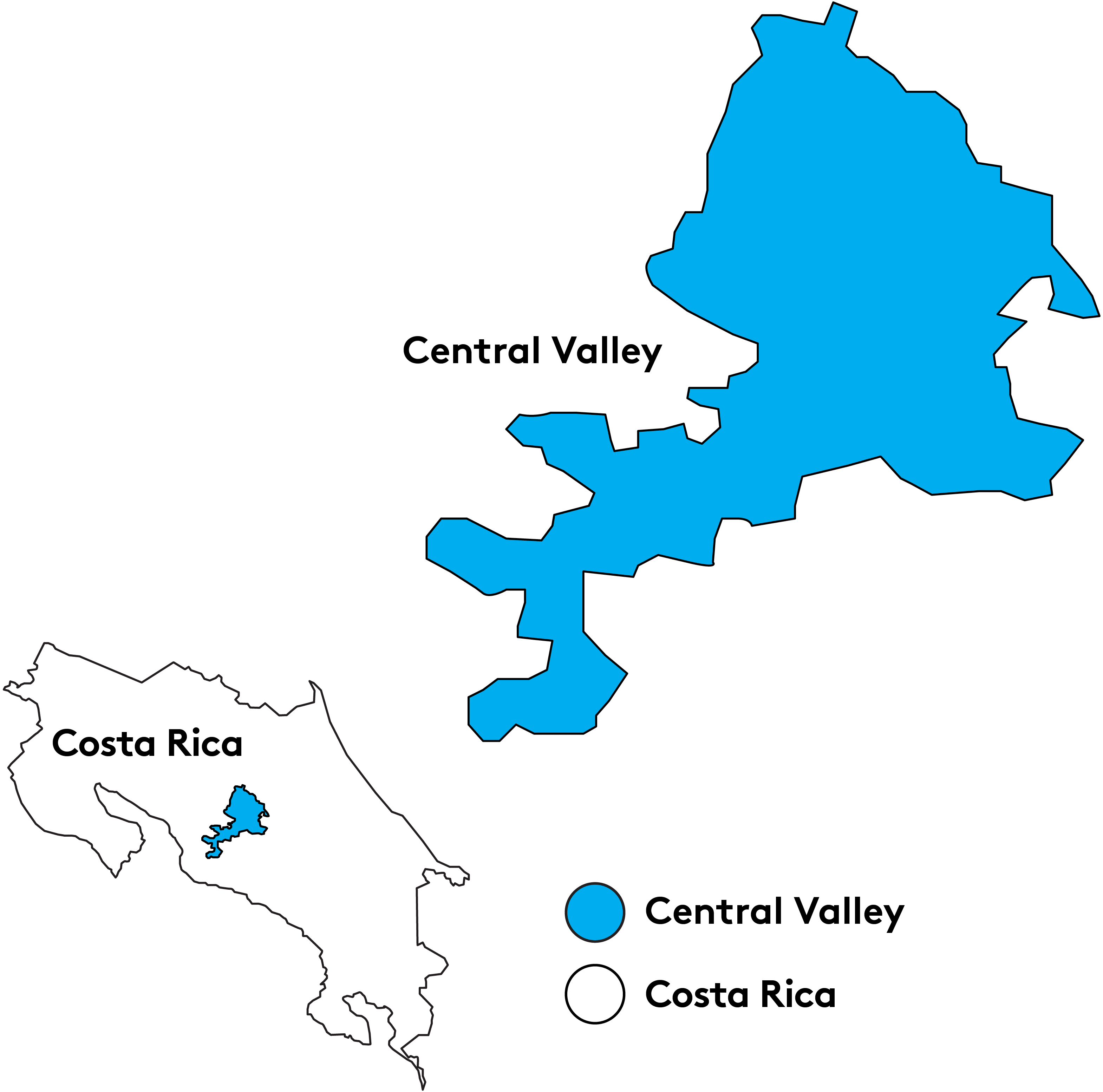
For four generations, the Alvarado family has dedicated itself to growing, processing, and roasting coffee in Costa Rica, continually refining its approach to produce coffees that reflect both quality and place. Today, Brumas del Zurquí combines decades of experience with a commitment to regenerative agriculture, using biological and natural fertilizers to promote healthy soils, support biodiversity, and produce coffees with clarity and consistency. This work has earned the farm recognition as a certified Regenerative Coffee producer.
Once harvested, cherries are carefully processed at the family’s wet mill, where attention to detail at every stage helps preserve the character of each lot. Over the years, Brumas del Zurquí has been recognized with multiple Cup of Excellence awards, reflecting the team’s long-term focus on quality and continuous improvement.
Finca El Centro further strengthens this legacy through the Gómez Chávez family, whose connection to coffee spans more than a century. The union of Natalia Gómez and Juan Ramón Alvarado brought together two coffee-growing families, expanding their shared vision of producing distinctive Costa Rican coffees. Today, their combined farms cultivate a range of varieties that express the diversity of the region and the experience passed down through generations.
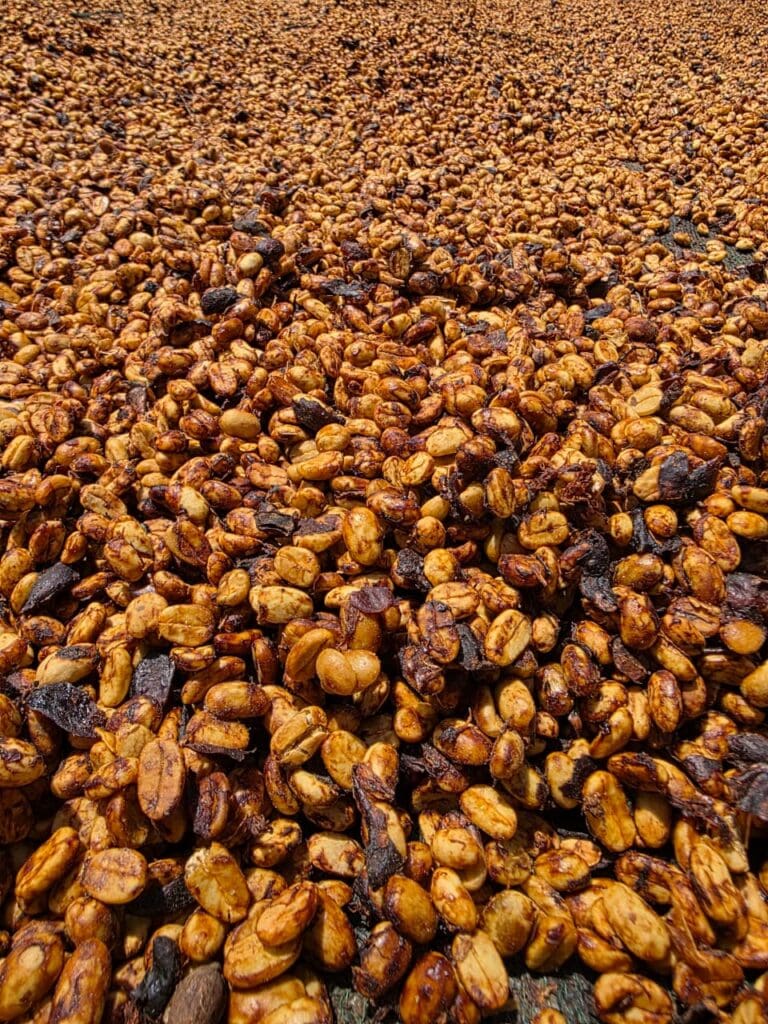
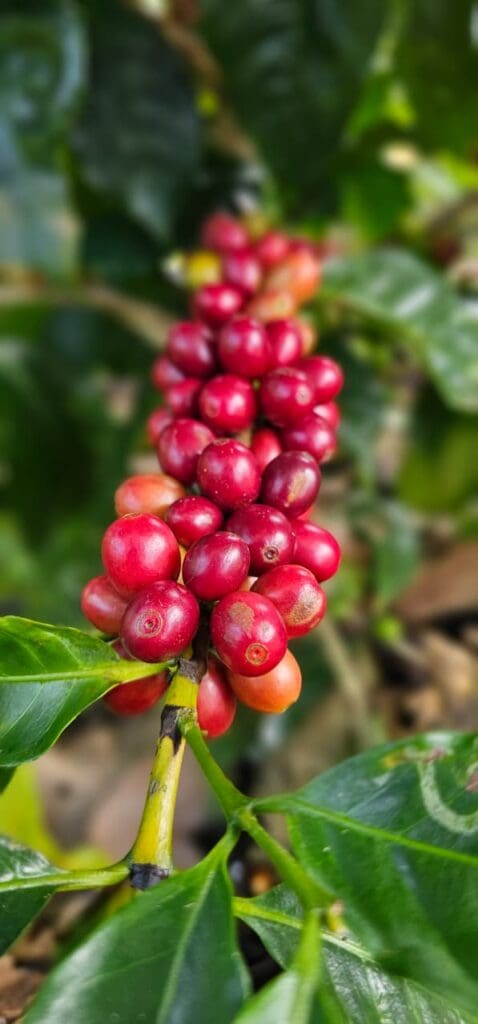
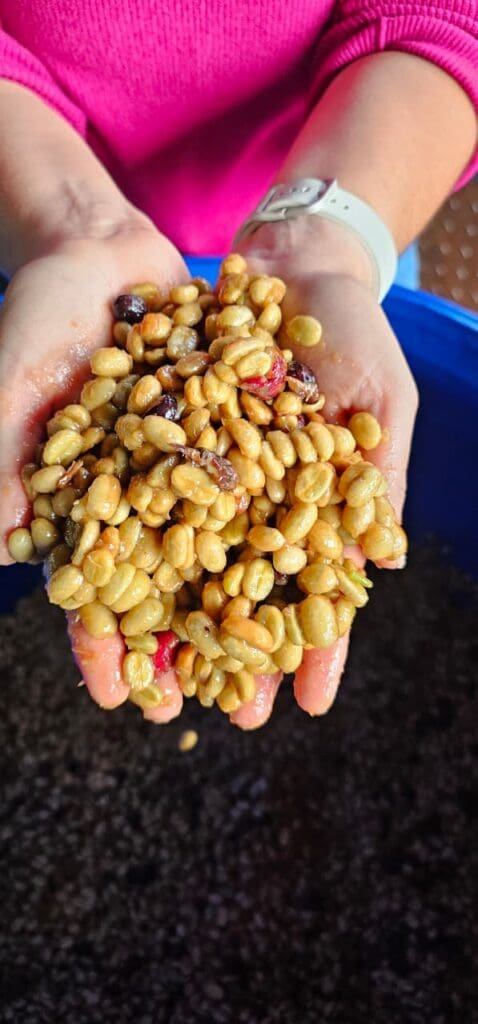
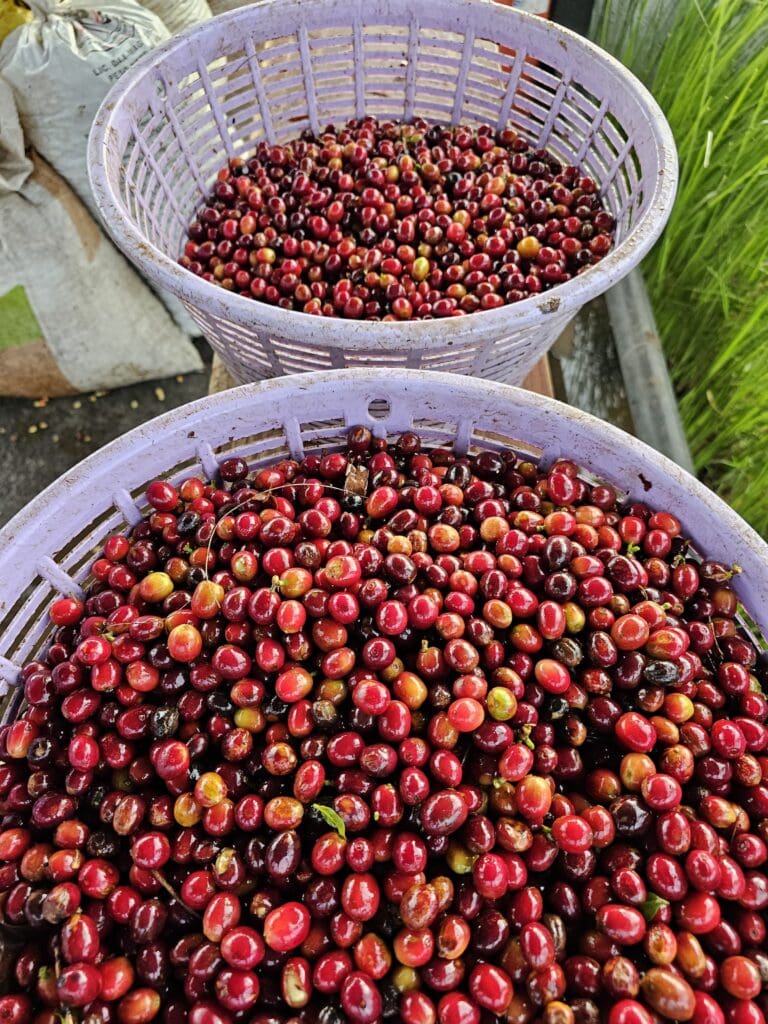
This Geisha undergoes a Honey process that highlights both the variety’s vibrant character and the careful processing practices at Brumas del Zurquí. Harvest begins with the selective picking of fully ripe cherries, chosen only when they reach more than 20° Brix to ensure optimal sugar content. After harvest, the cherries are depulped while retaining as much mucilage as possible, allowing the remaining sugars to contribute to flavor development during drying.
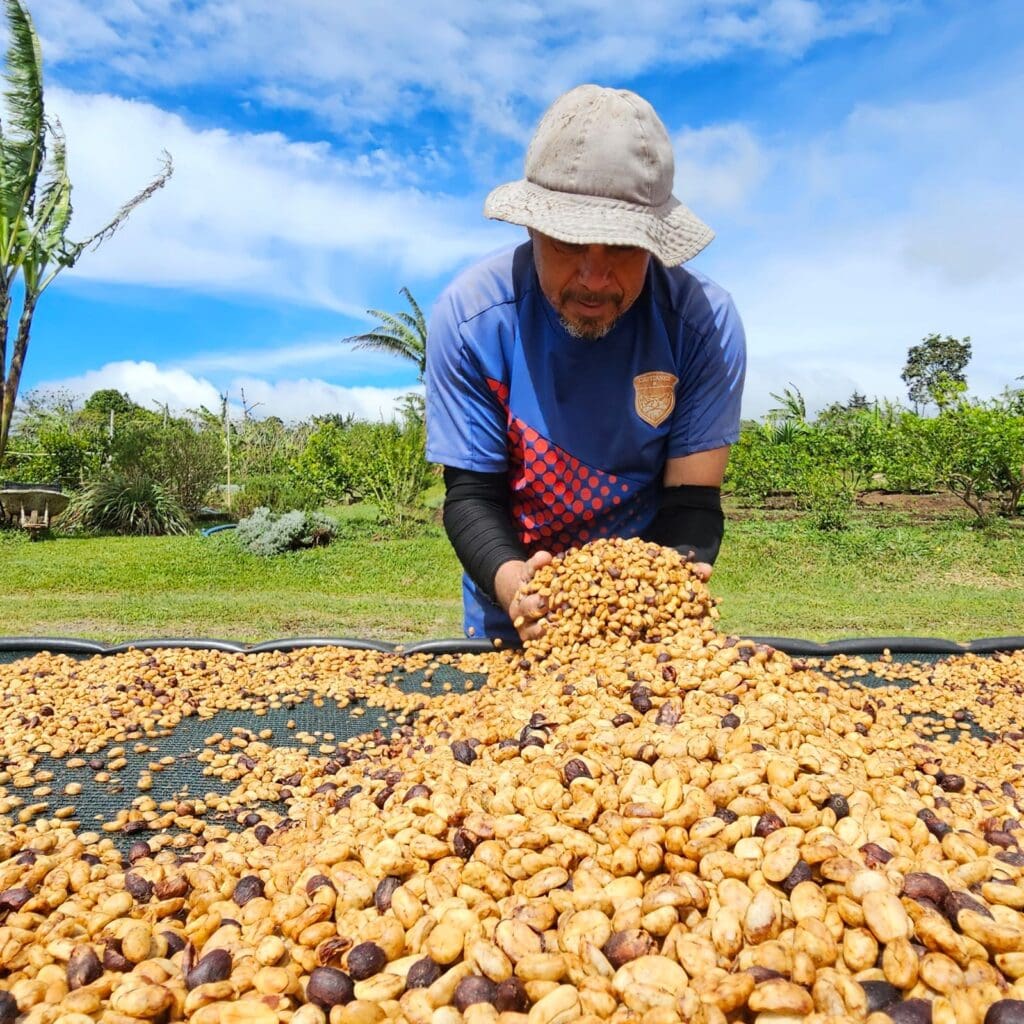
The coffee is then dried on raised beds for approximately 25 days, with frequent turning to promote even drying and maintain stability throughout the process. Once the coffee reaches the target moisture content, it is hulled and prepared for export.
By preserving the mucilage during drying, the Honey process enhances sweetness and contributes to a layered cup profile while using considerably less water than fully washed processing. In this lot, the process complements the expressive nature of geisha, supporting its floral-forward character with a balanced sweetness and refined complexity.