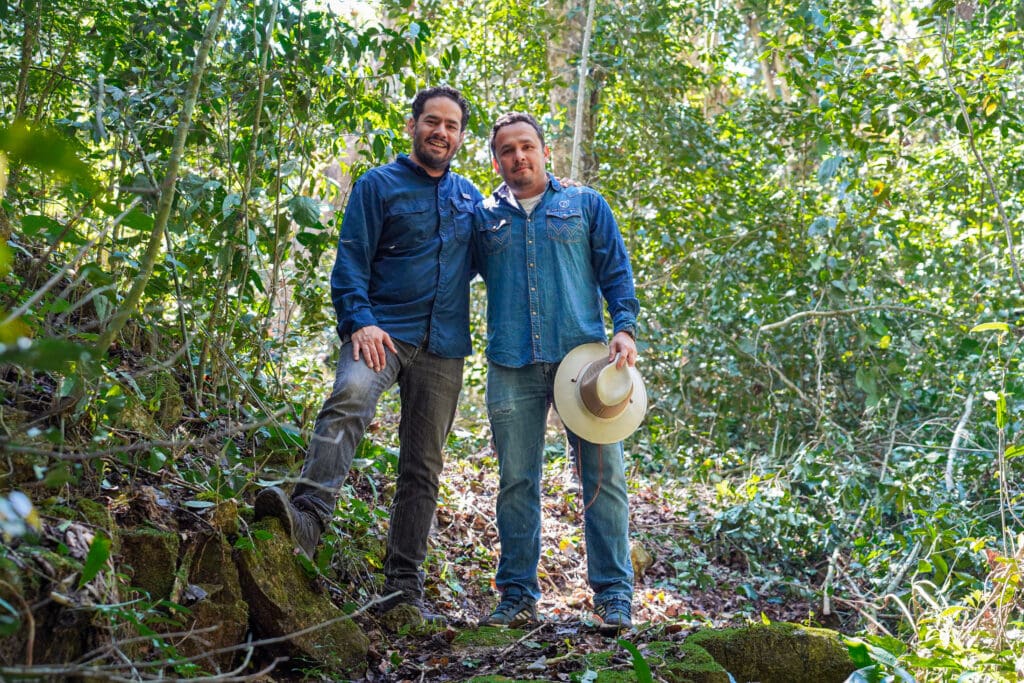
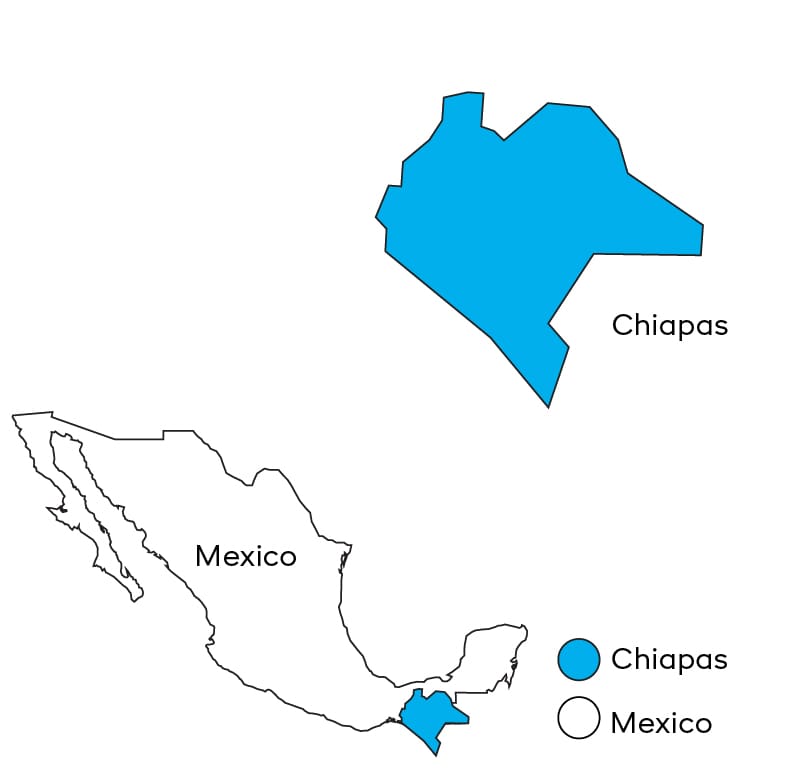
This coffee comes to us through our partnership with Cafeología. Based in Chiapas, Mexico, Cafeología is dedicated to strengthening coffee communities by combining scientific research, education, and direct collaboration with producers. Their work supports farmers like Nelson, helping preserve traditional practices while fostering innovation and creating opportunities for future generations.
If you’d like to learn more about them, check out our interview with Jesús Salazar, founder of Cafeología: Video 1 and Video 2
_____________________________________________
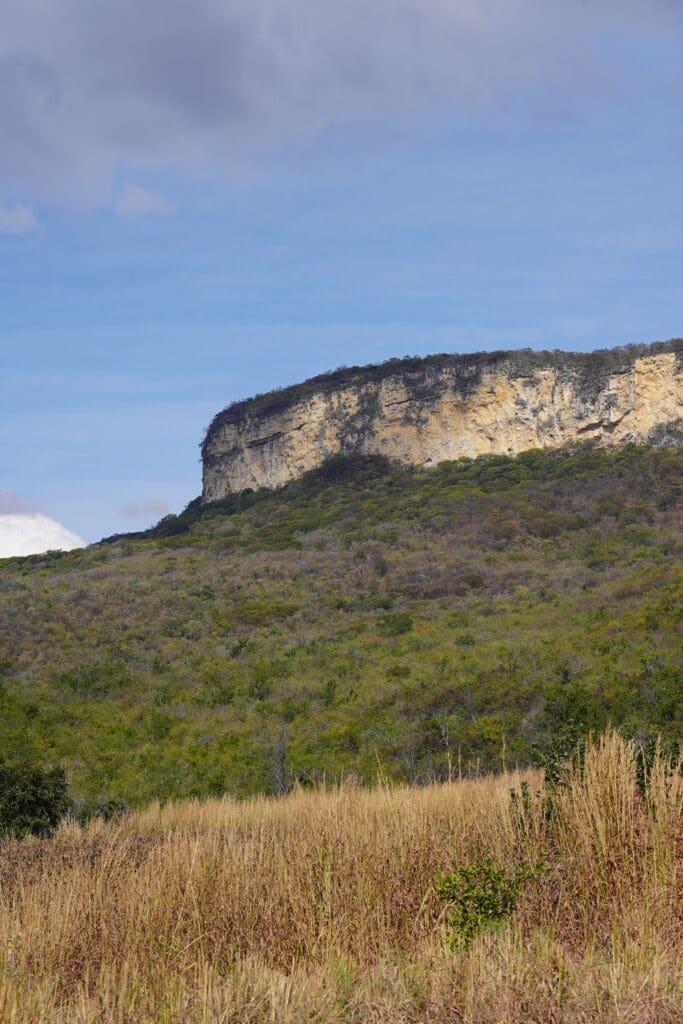
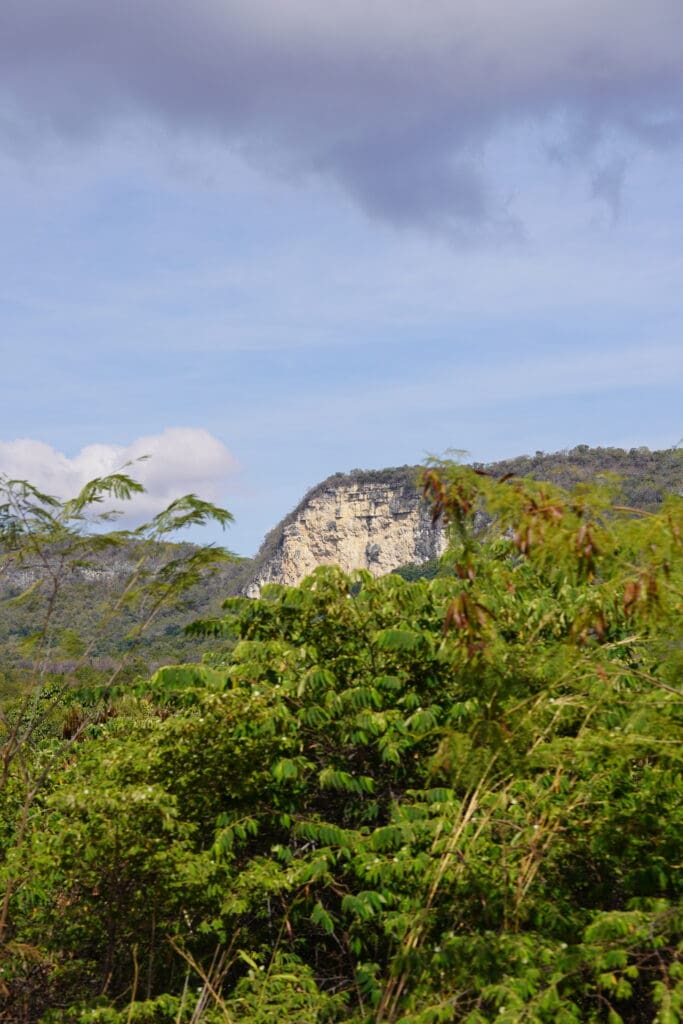
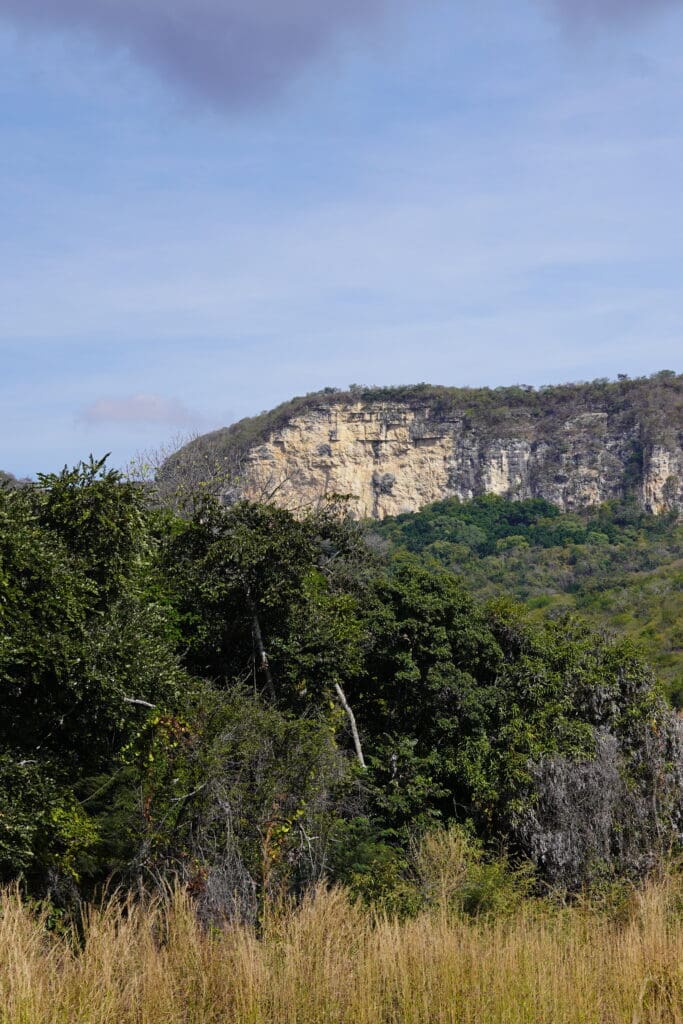
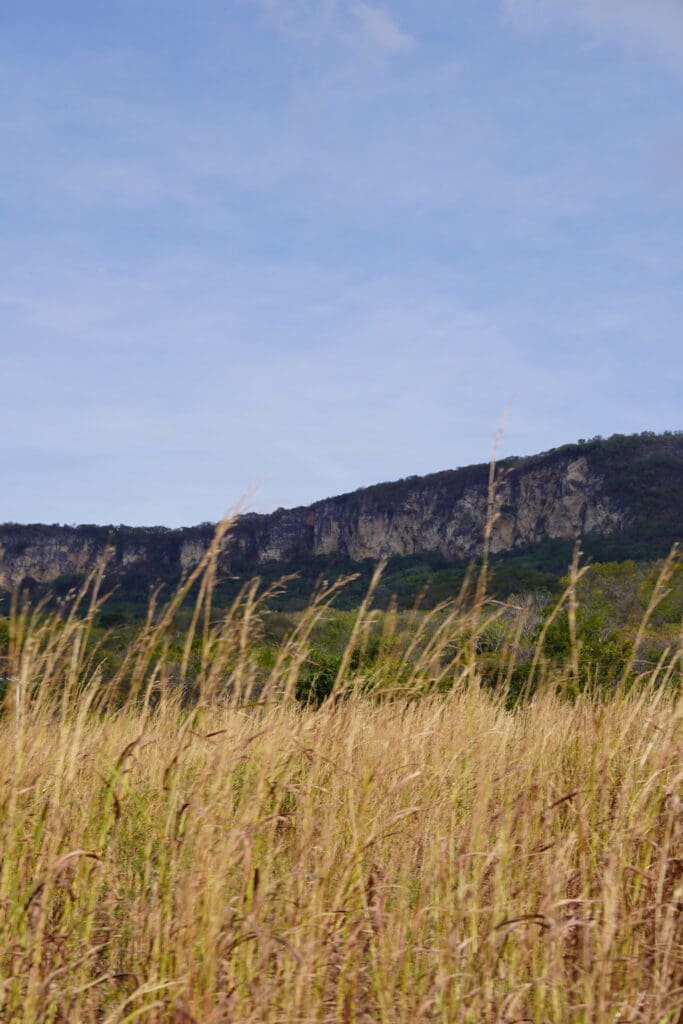
La Finca was founded in 2011 by Jesús and Pablo Salazar, building on a century-long coffee tradition in the region. It covers 240 hectares at the crest of Cerro Brujo, of which 24 are dedicated to coffee and food crops, while the majority remains under conservation. The farm’s approach places coffee as one part of a broader ecosystem that includes families, communities, and the surrounding cloud forest.
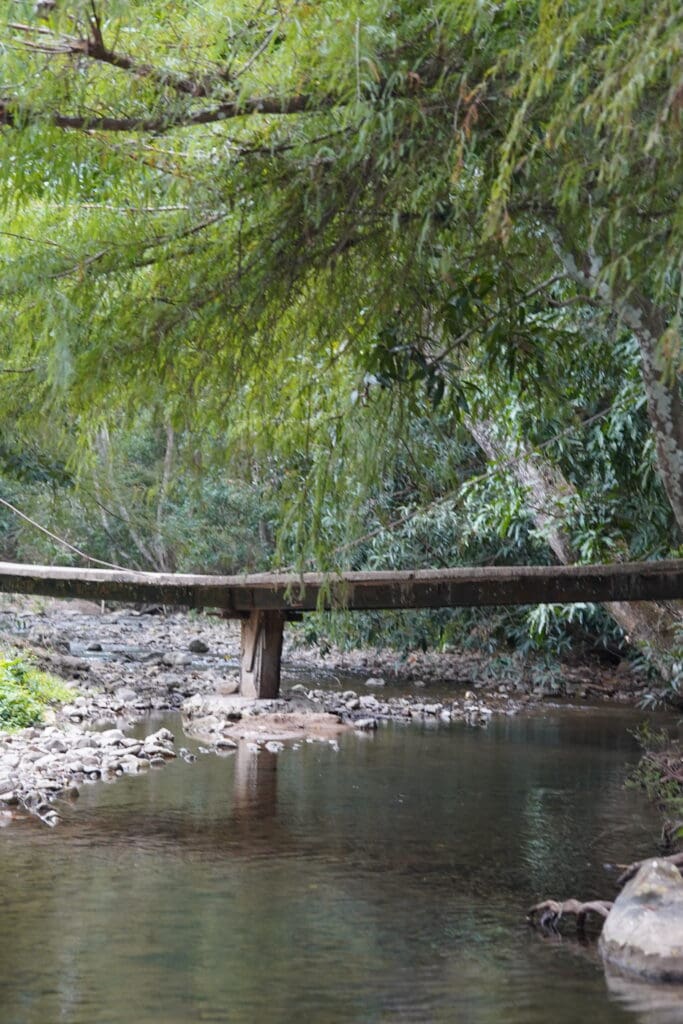
Coffee has been present here for about fifty years, and even today wild coffee trees continue to appear naturally across the slopes. Work begins with observing and understanding the forest—its soils, water, plants, and wildlife—before applying coffee practices. Farming methods focus on shade, soil health, selective picking, and controlled washed and natural fermentations.
La Finca also serves as a workshop space where farmers, agronomists, baristas, and students collaborate. Practices are tested, results are measured, and findings are shared back with local communities in practical ways. The goal is not volume, but consistency, quality, and learning—demonstrating that it is possible to produce specialty coffee while conserving the forest and strengthening community ties.
At Cafeología La Finca, Orsoé manages post-harvest processes in the middle of a mountain cloud forest, where the environment sets the conditions for every step. Freshly harvested cherries are floated and prepared in a setting far from industrial facilities—high humidity, variable temperatures, and sudden rains make consistency a constant challenge. With training from Jesús Salazar and Claudia Pedraza, CQI-certified coffee processors, Orsoé applies technical standards while adapting them to local conditions. Fermentation and drying require continuous monitoring and adjustments based on the forest’s rhythm. Each lot reflects both the technical work involved and the persistence needed to process coffee in such a dynamic landscape.
Typically, this process follows a honey method: coffee undergoes 25 hours of fermentation before pulping, carried out in hermetic bags at an average of 17° Brix. The parchment is then sun-dried on raised beds for 12 days and later rested in sacks in the shade for 17 days to stabilize before storage and export.