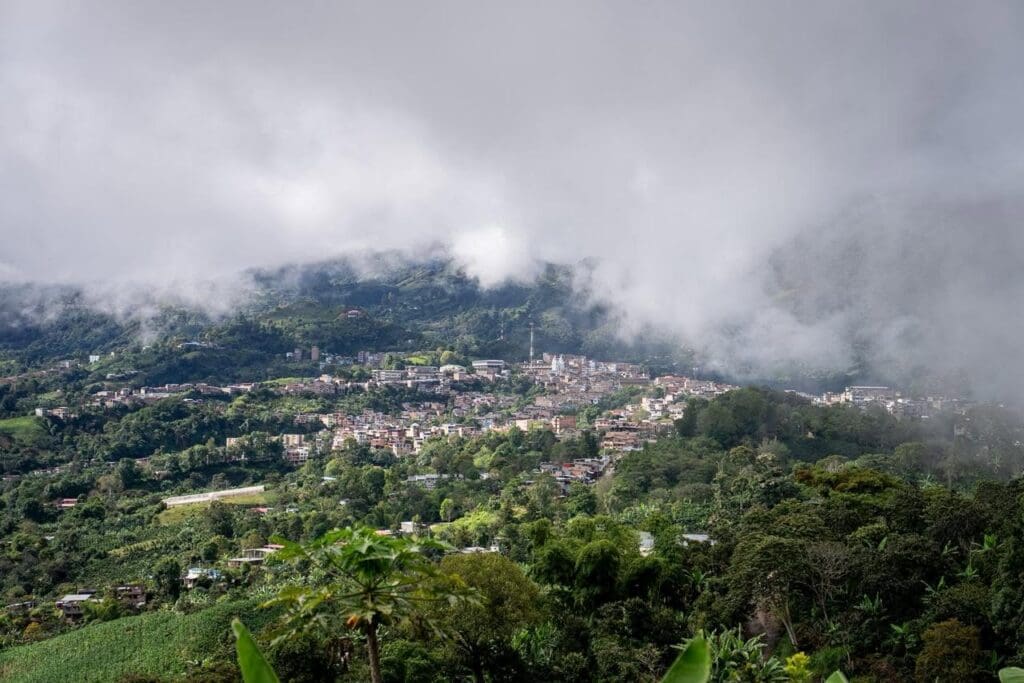
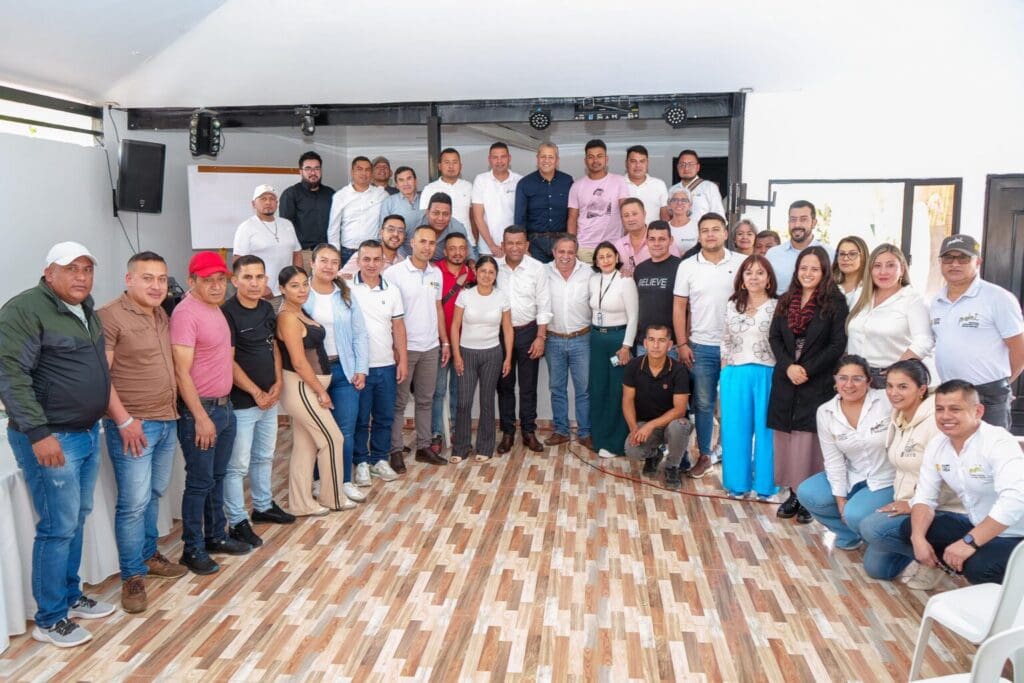
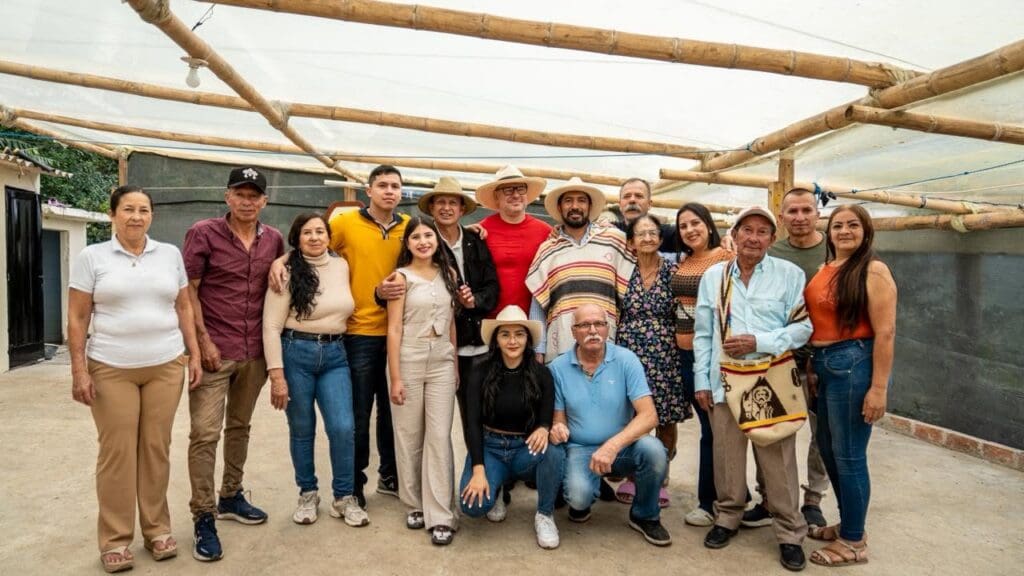
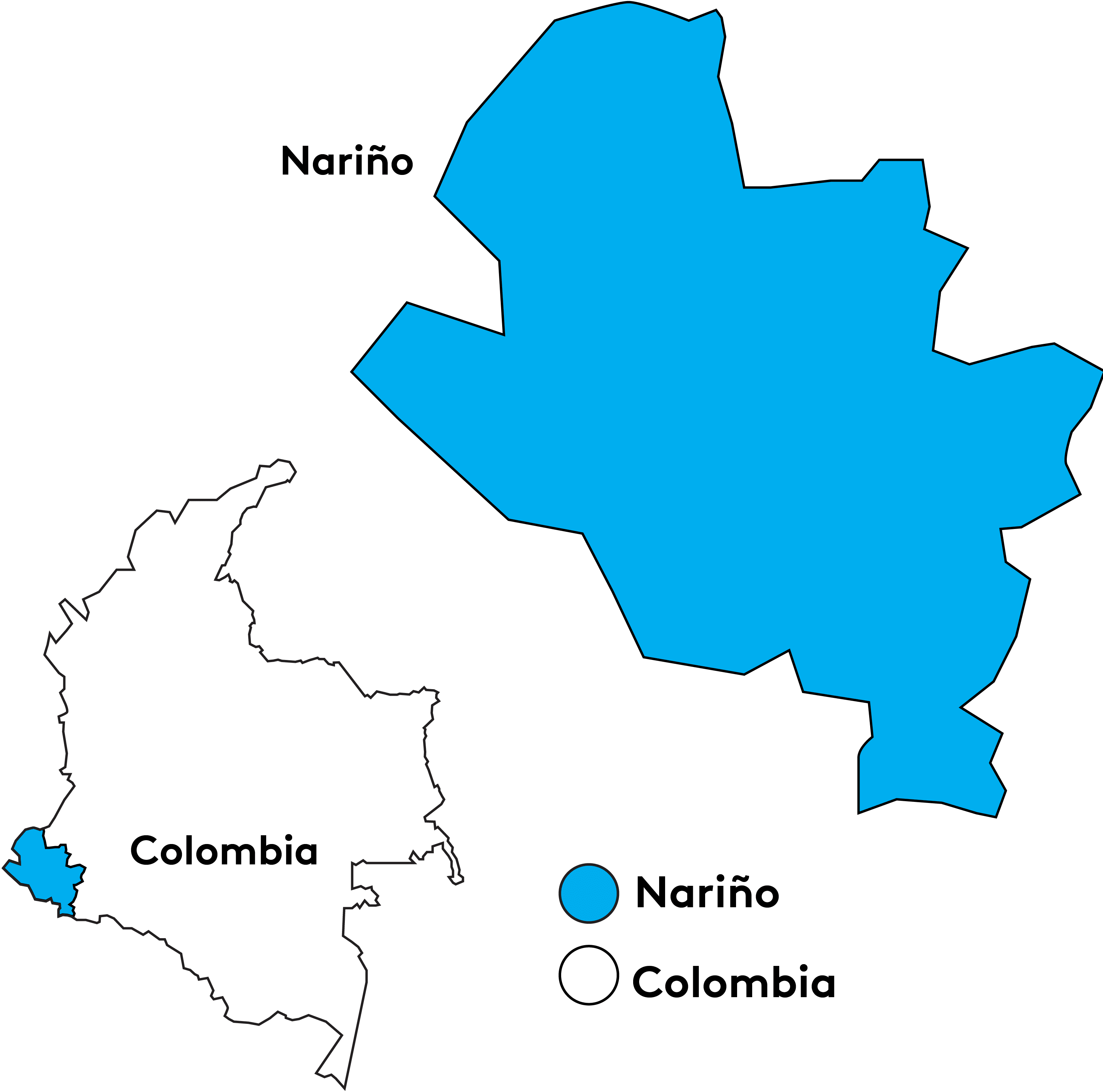
Cordillera brings together coffees from smallholder producers across five municipalities in Nariño: Cumbitara, Leiva, El Rosario, Policarpa, and Los Andes (Sotomayor).
The coffee is part of a rural development initiative led by Colombia’s Agencia de Desarrollo Rural (ADR), which supports 560 coffee-growing families across these municipalities. The project focuses on strengthening coffee production through crop renovation, improved varieties, technical assistance, agricultural inputs, and collective commercialization.
These communities are in a region historically affected by conflict and illicit crops. Through stronger producer organizations and new productive opportunities, coffee is becoming an important part of the transition toward more sustainable local economies and a more peaceful future for the territory.
In Cumbitara, where coffee production has developed more recently, producers are building a specialty coffee sector around varieties including Caturra, Castillo, Colombia, and Typica. Coffees from the broader project are processed using washed and anaerobic methods, with farms located at different elevations across the five municipalities.
For these smallholder producers, access to reliable markets has been one of the greatest challenges. By bringing producers together, the project has created a pathway to consolidate their coffees and reach international buyers.
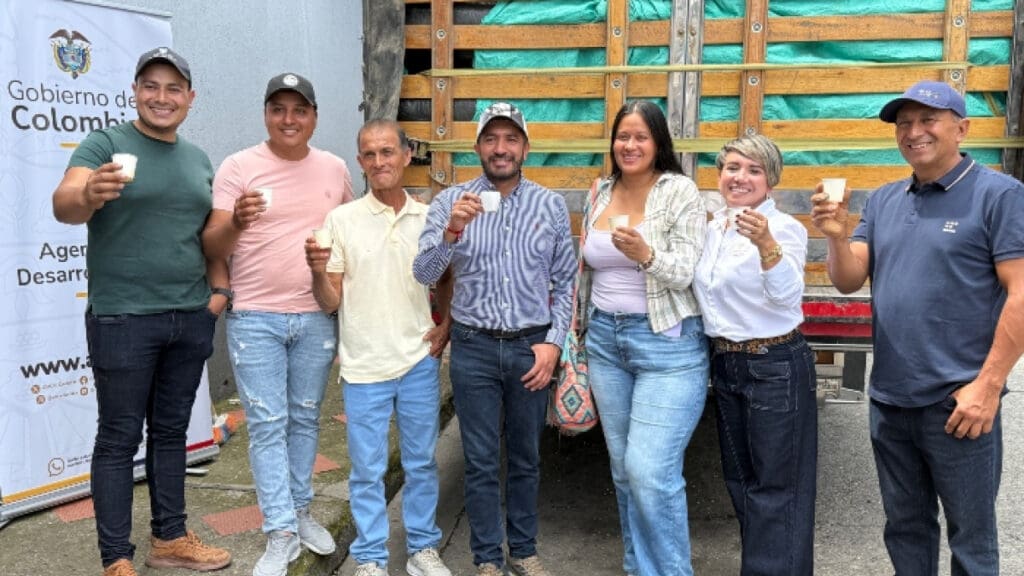
The first commercial consolidation brought together approximately 20.4 metric tons of coffee, marking the first export of specialty coffee from the initiative under the name Café Cordillera.
For Ally Coffee, Cordillera represents the beginning of a new relationship with producers in this part of Nariño, connecting coffees from a region undergoing significant transformation with specialty coffee buyers around the world.
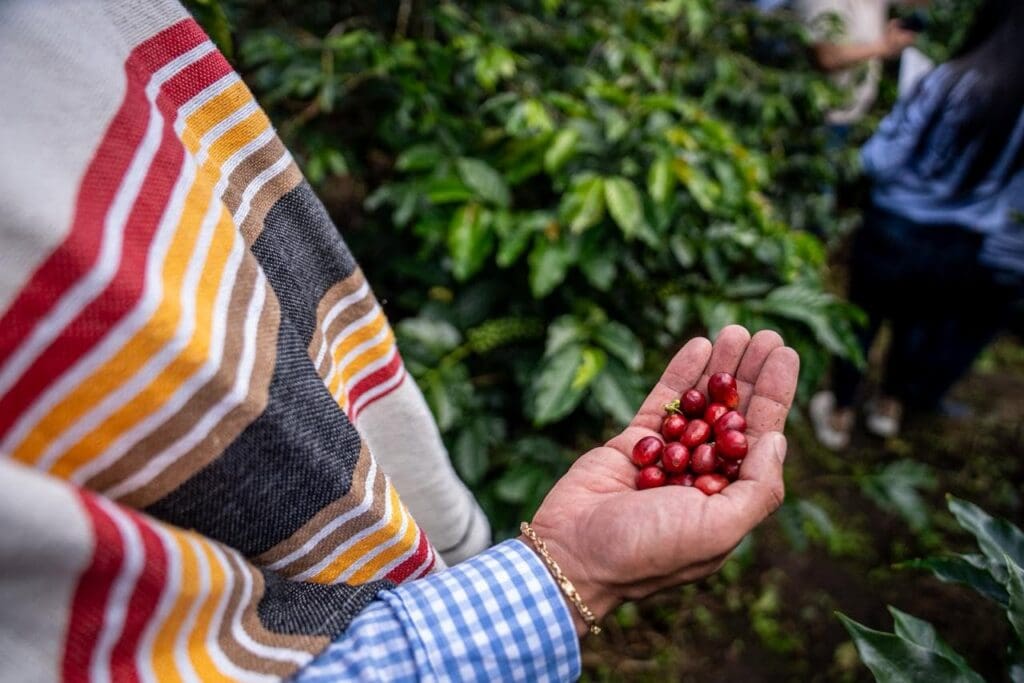
This blend underwent controlled honey process. Ripe cherries are selectively handpicked and floated before undergoing 48 hours of anaerobic fermentation in sealed containers. After pulping, the coffee spends an additional 96 hours with the mucilage intact, allowing sugars and other compounds to remain in contact with the parchment and contribute to the coffee’s final profile. The coffee is then slowly dried on raised beds until it reaches the desired moisture level.
Once dried, the coffee is transported to Invercafé in Chinchiná, Caldas, where it is milled and prepared for export under controlled conditions, helping preserve the quality and consistency achieved throughout the process.