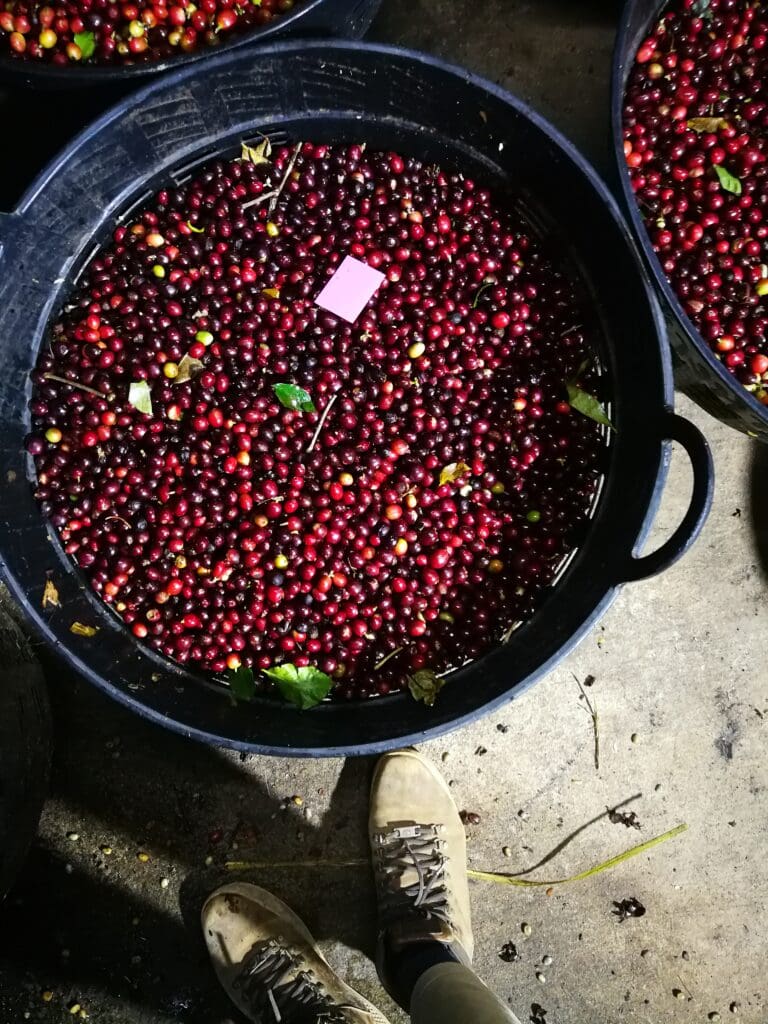
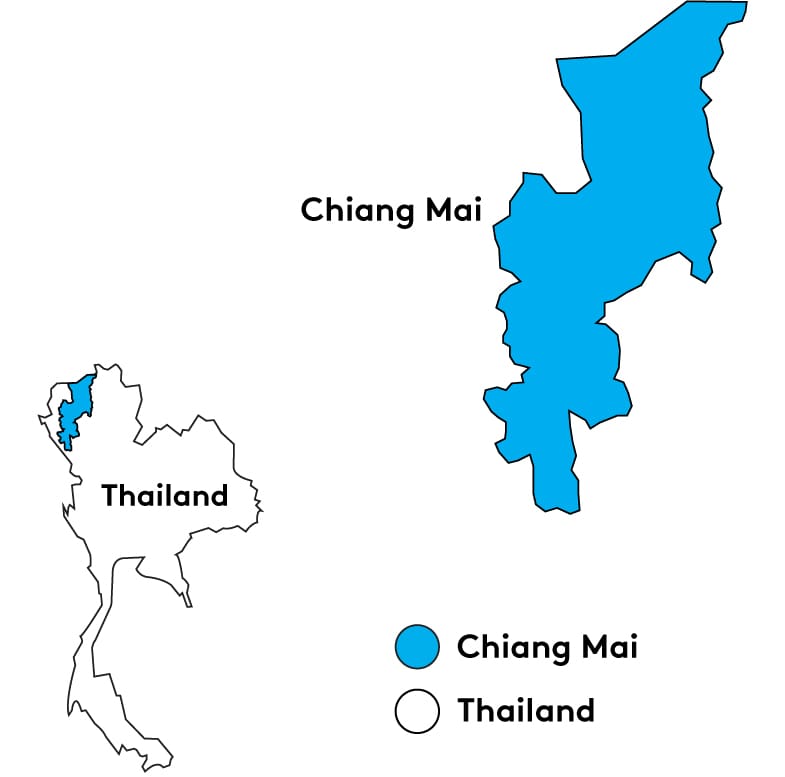
This lot comes from Doi Saket, in the province of Chiang Mai, the oldest coffee-growing area in Thailand. Arabica was first introduced here in the late 1970s as part of the Thai King’s opium replacement program. Unlike in many other producing regions, these original trees were never widely replaced by higher-yield cultivars. As a result, heirloom varieties, particularly Typica, remain common on many farms. Some of these trees are now 30–40 years old, often older than the farmers themselves. Today, preserving these heirloom cultivars is increasingly important, as many producers have shifted toward higher-yielding and rust-resistant varieties. Initiatives like this lot help demonstrate that there is a market that values and rewards the distinctive qualities of Typica despite its lower yields.
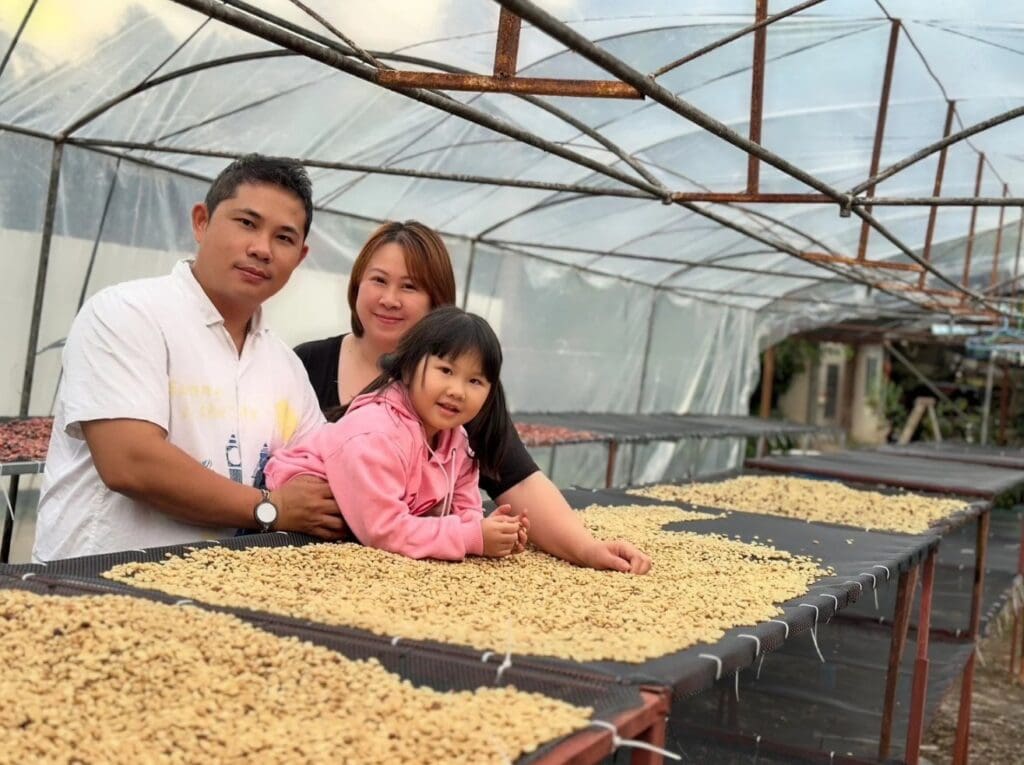
This coffee was produced in collaboration with Nui Intakad and Aoy Jaisooksern, who returned to their family farm after leaving their professional careers in the city. Nui, trained as an engineer, and Aoy, an accountant, are part of a new generation bringing new perspectives to coffee production in northern Thailand. Their farm is located in a well-preserved forest environment just outside Chiang Mai, where dense shade and strong conservation efforts support biodiversity and create favorable conditions for specialty coffee cultivation.
Chiang Mai is often considered one of the most dynamic coffee regions in Southeast Asia, with producers, roasters, and cafés working closely together to develop quality and innovation. Much of the coffee produced in Thailand is consumed domestically, reflecting the strength of this local coffee culture and the close collaboration between farmers and the local coffee community.
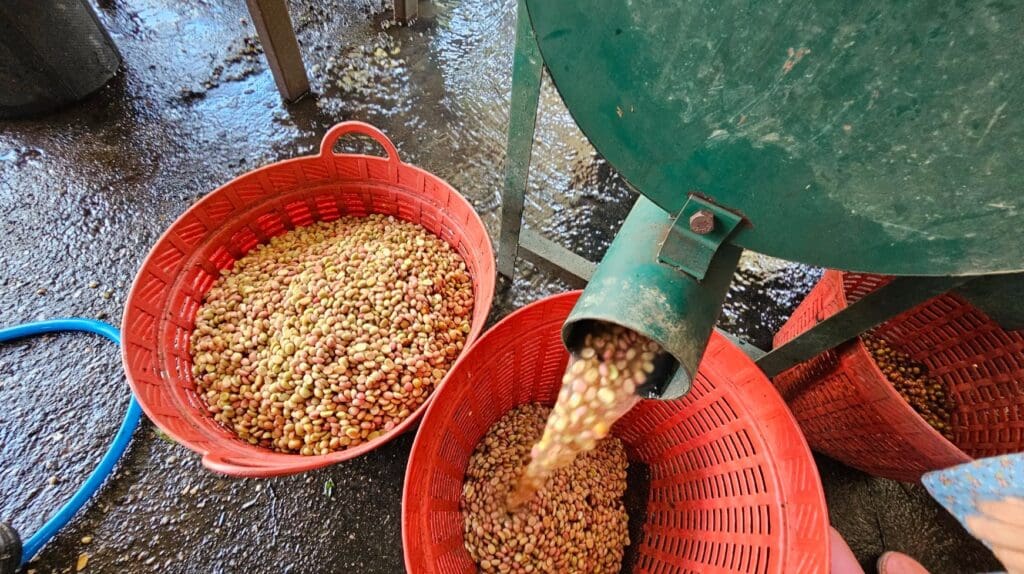
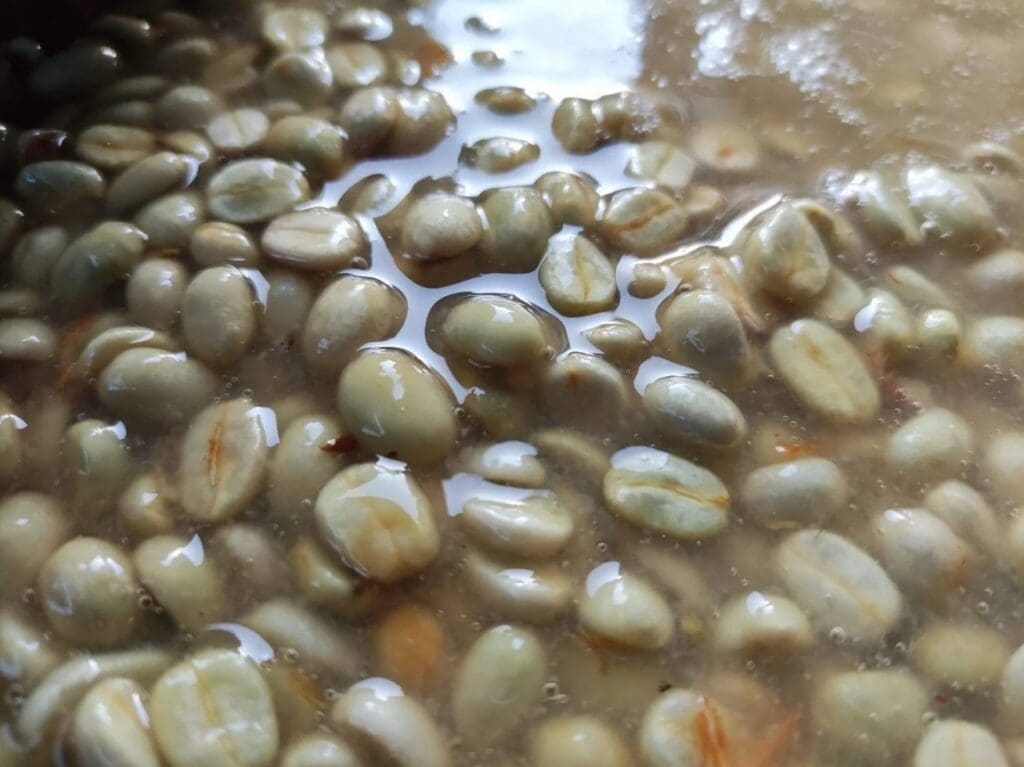
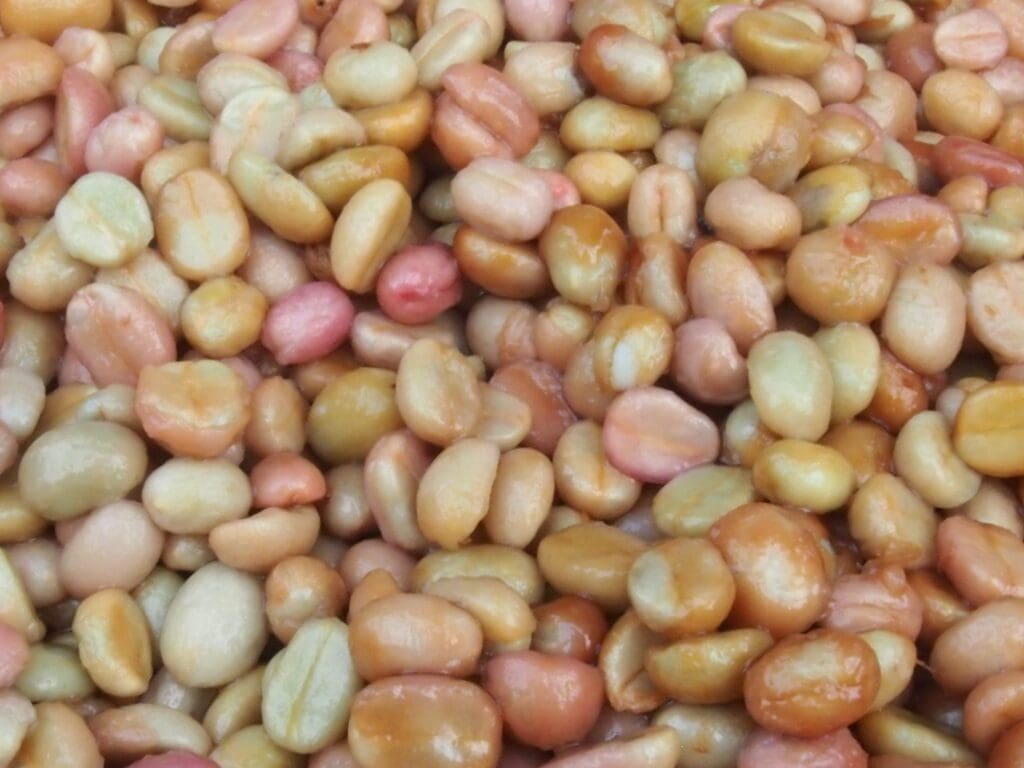
This lot was processed using a Kenya-style washed method, designed to build structure and clarity in the cup. In this approach, the dry fermentation stage is extended, while the wet fermentation and soaking stages are kept minimal.
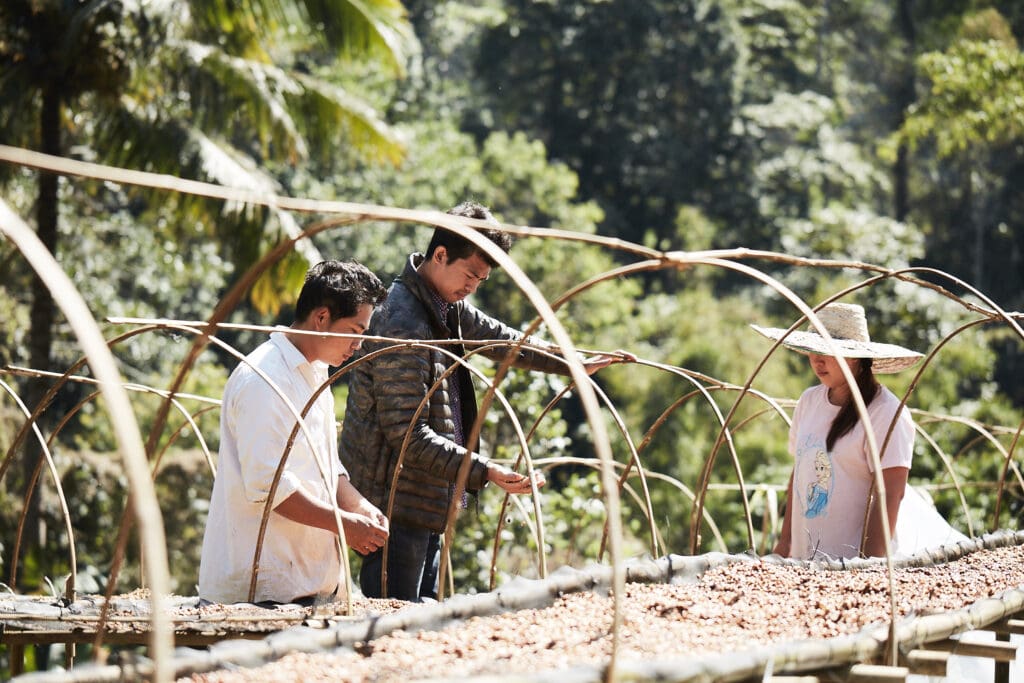
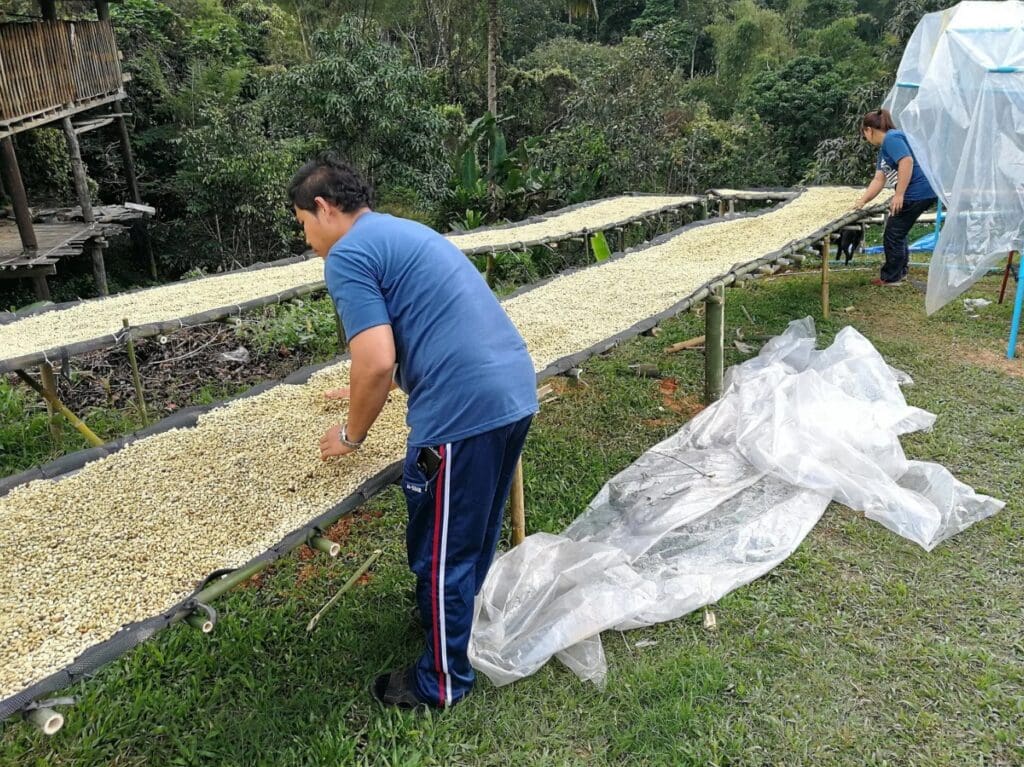
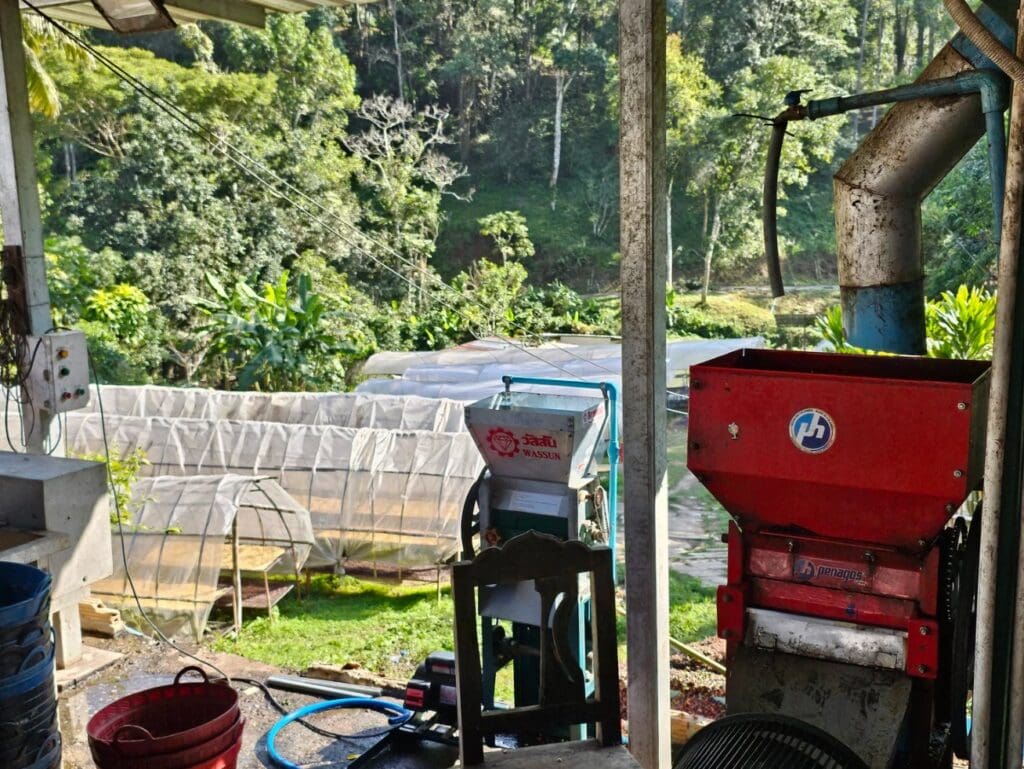
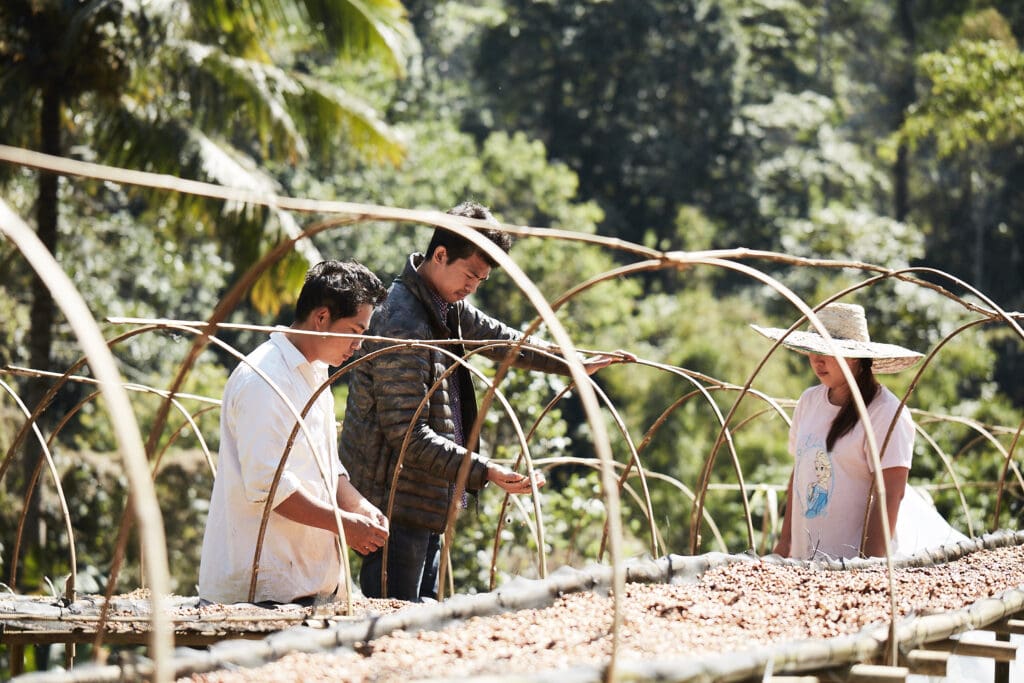
After pulping, the coffee underwent an extended dry fermentation before being washed and transferred to drying. The parchment was then dried on bamboo raised beds for at least 14 days, allowing for slow and even drying, before being finished in the lowlands.
Once the coffee reached the appropriate moisture level, it was delivered to the dry mill for green preparation. The coffee passed through a destoner, huller, size grader, and density table, followed by hand-sorting to ensure a consistent and clean green lot.