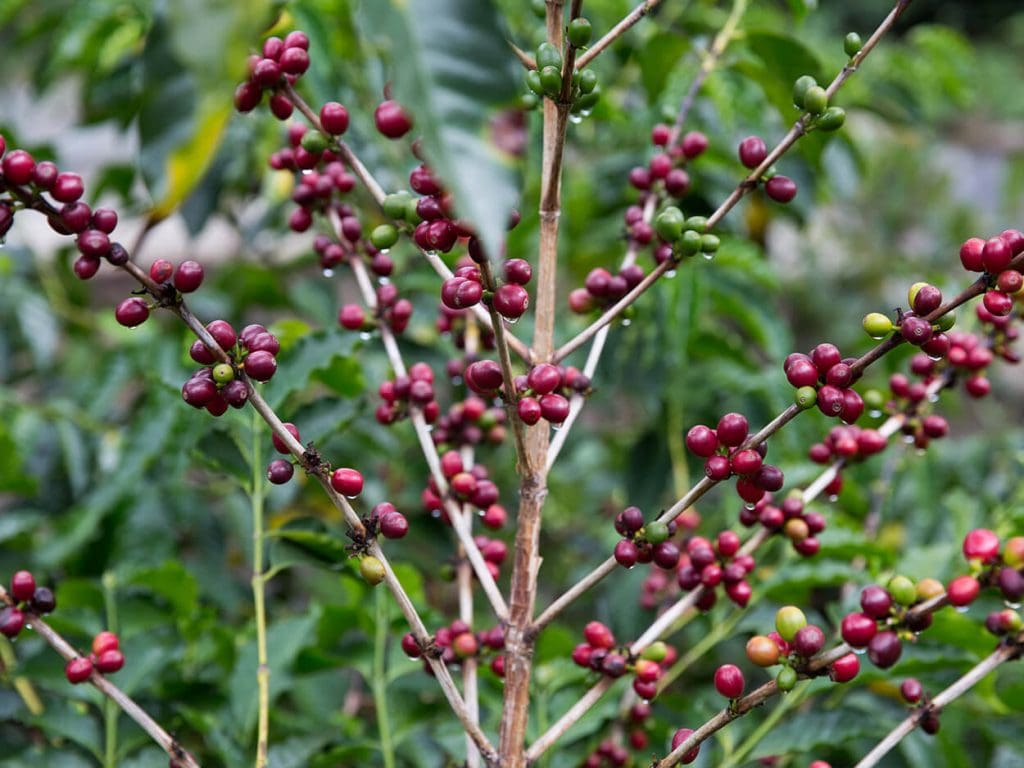
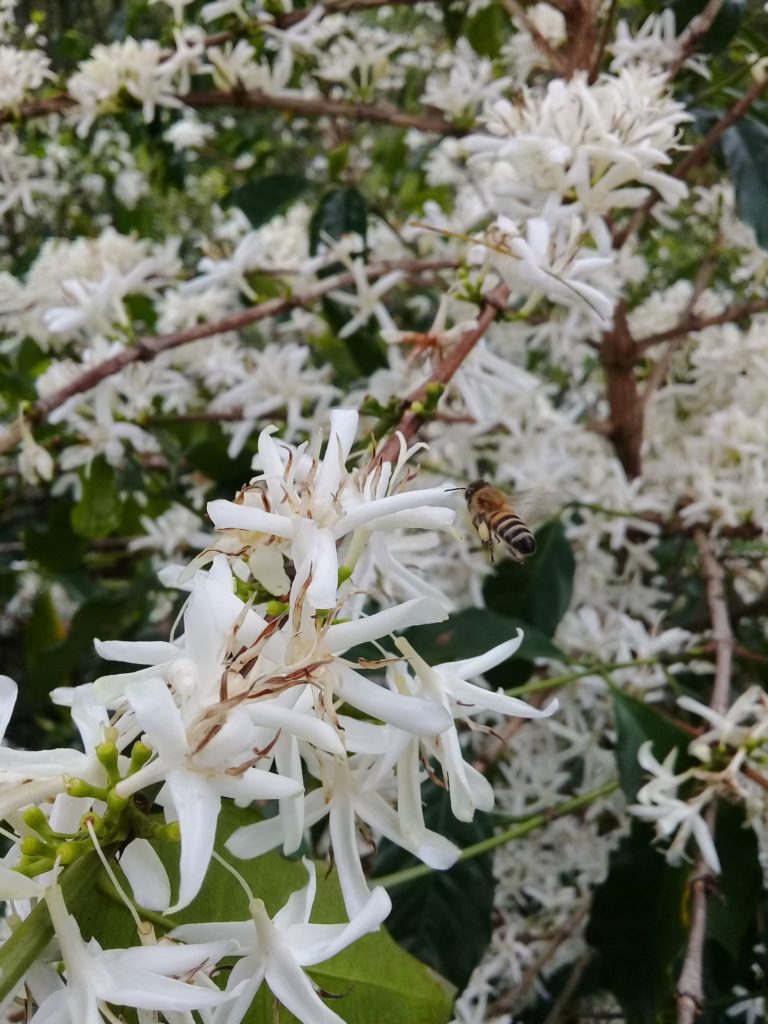
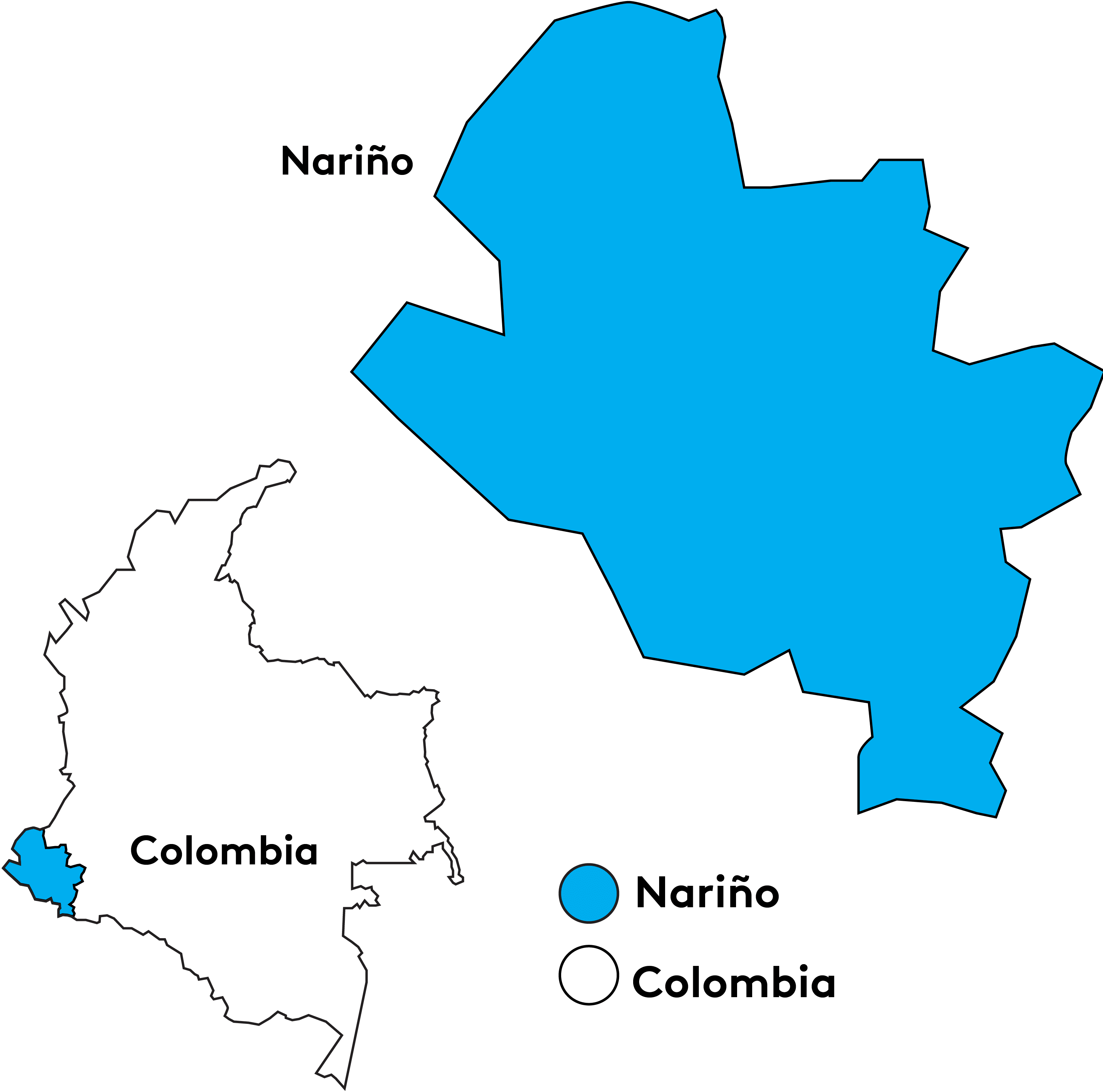
José Ignacio Gómez comes from a family deeply rooted in coffee, inheriting Finca El Paraíso from his father, Pastor Ezequiel Gómez, who cultivated the land with dedication and care, continuing the legacy of his uncle Franco López. Nestled in Buesaco, Nariño, the farm began coffee cultivation in the late 20th century, among the first in the region to plant varieties like Caturra, Geisha, and Bourbon Rosa.
Its name, “El Paraíso,” reflects the peace, harmony, and tranquility of the landscapes, where nature itself helps create balance, resulting in a complete and satisfying cup.
Every day, harvested cherries are transported to the wet mill for processing, where modern agricultural technology, innovative machinery, and trained professionals ensure standardized protocols that uphold high-quality coffee production. Beyond quality, the farm is committed to environmental sustainability and social equity, harmonizing production with responsible stewardship and the wellbeing of everyone involved, making Finca El Paraíso a reference point for both coffee excellence and community impact in the region.
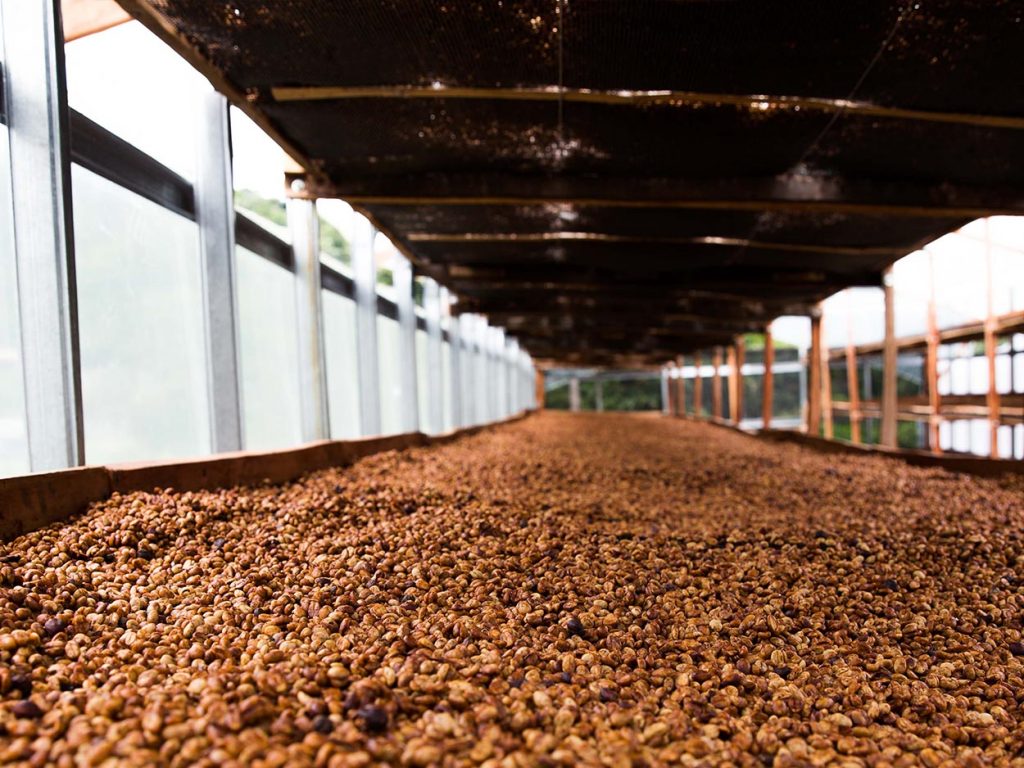
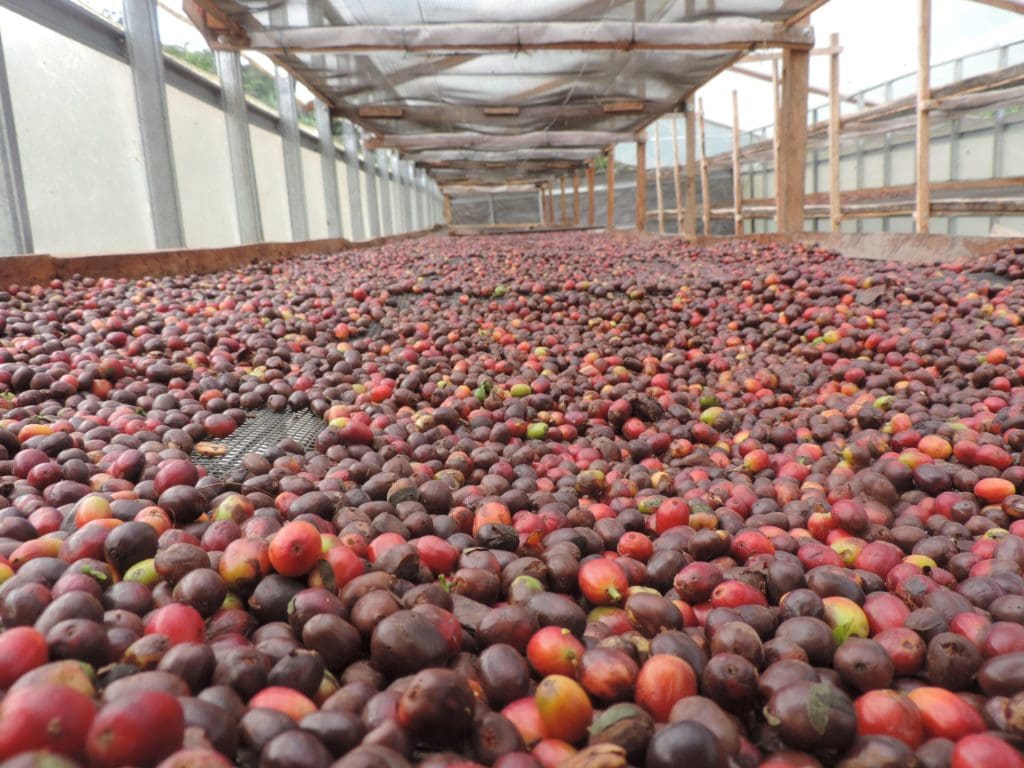
This blend underwent an anaerobic natural process. It started with handpicking cherries at optimal ripeness, followed by disinfection and the removal of low-density beans through flotation. The cherries were then fermented in sealed stainless steel tanks under anaerobic conditions, with temperature, pH, Brix, and CO₂ monitored every 12 hours for up to 10 days, stopping once fermentation was complete. Drying occurred in two stages: first on raised beds for three days, then mechanically at 45°C for 24–36 hours until reaching 10–11% moisture. This careful process highlights the coffee’s complexity, sweetness, and clarity while respecting sustainability and quality standards.