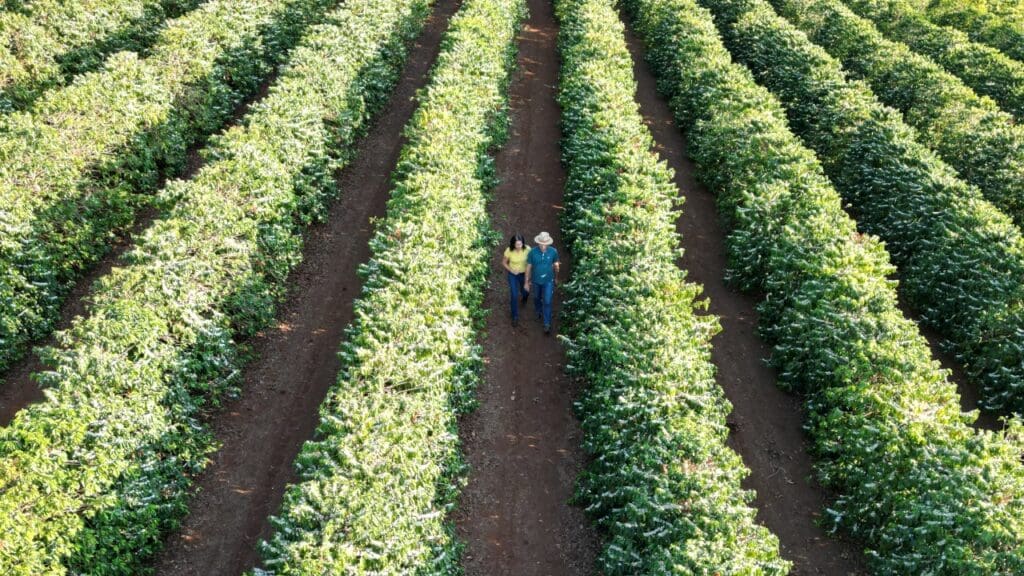
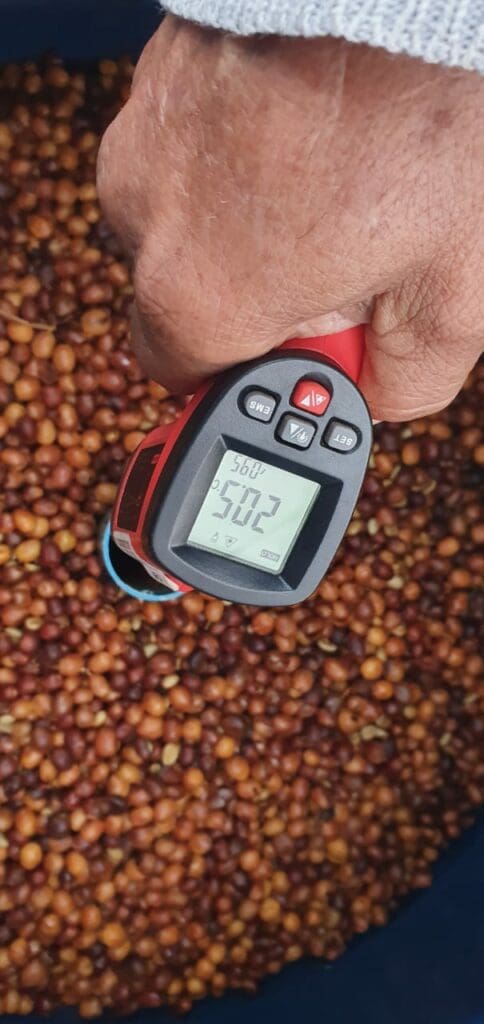
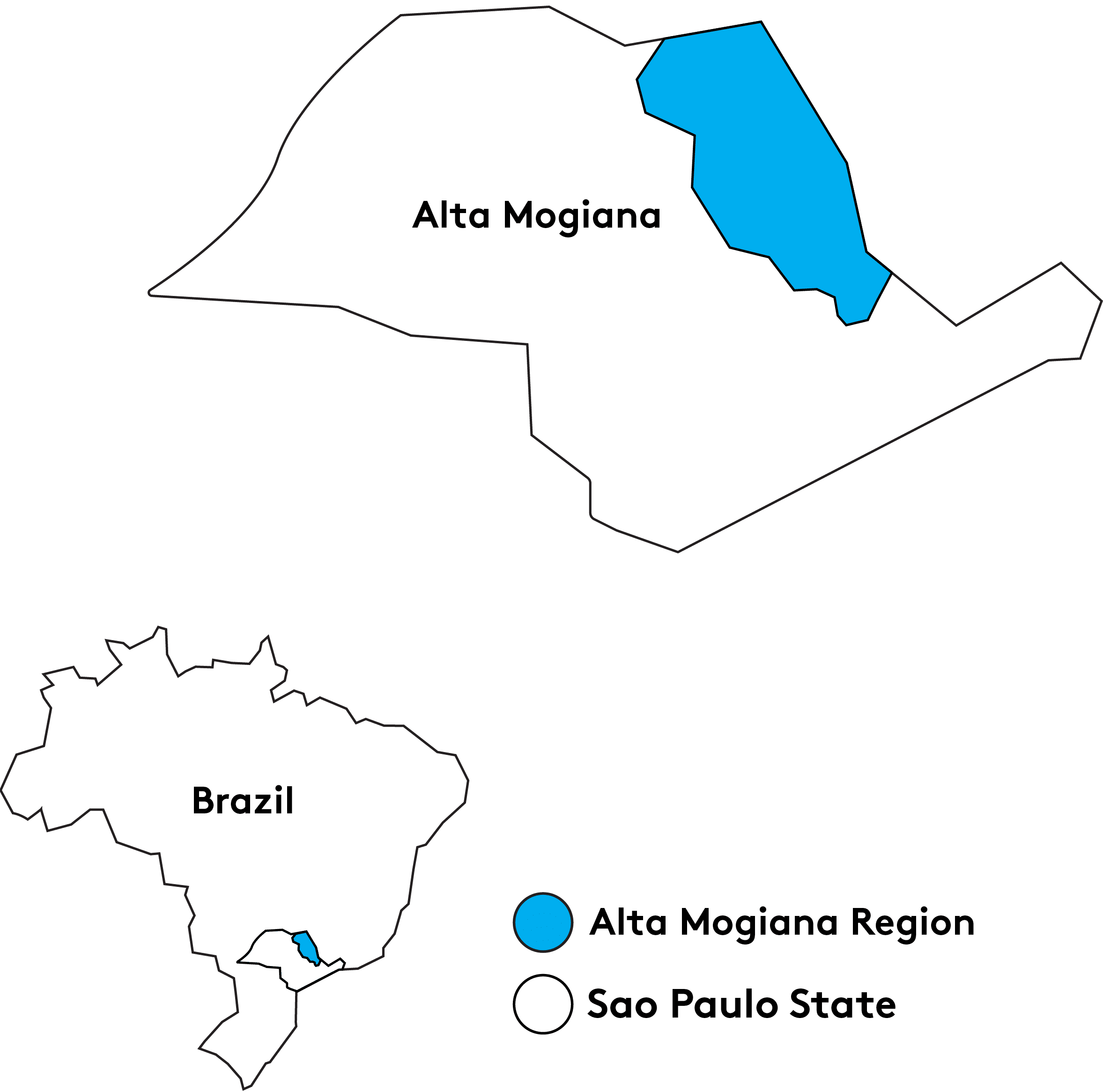
José Domingos produces coffee at Fazenda Jatobá in the Alta Mogiana region of Brazil. He began his career as a coffee producer in 2010 after acquiring part of a farm, and he quickly discovered a passion for the trade. José saw the potential in his crops right away, and began studies and experimentation to achieve the highest possible quality. Throughout the years he’s tested several variations on post-harvest processing, including wild fermentation, induced fermentation, and a number of different drying techniques. Through his experiments, José has found himself increasingly curious about the seemingly endless possibilities of producing different aromas and flavors in his coffee, and his research continues through to this day.
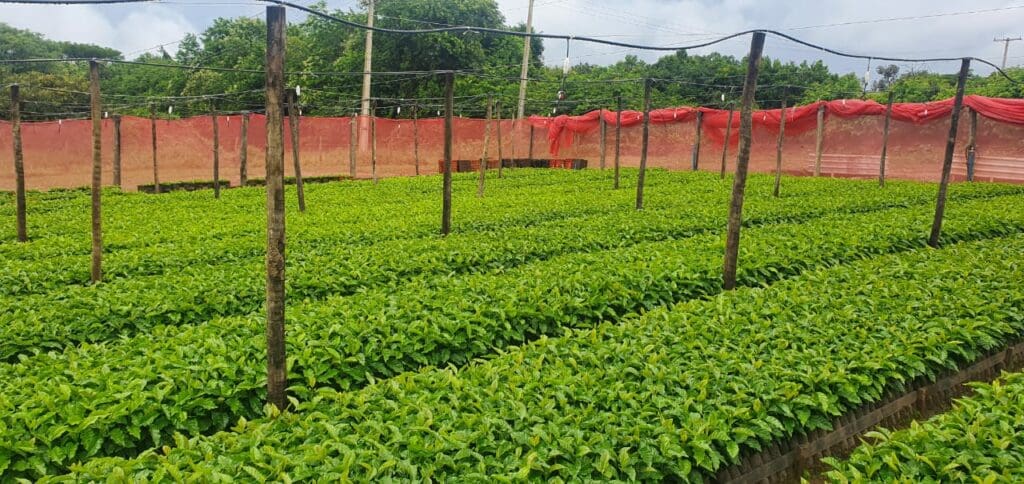
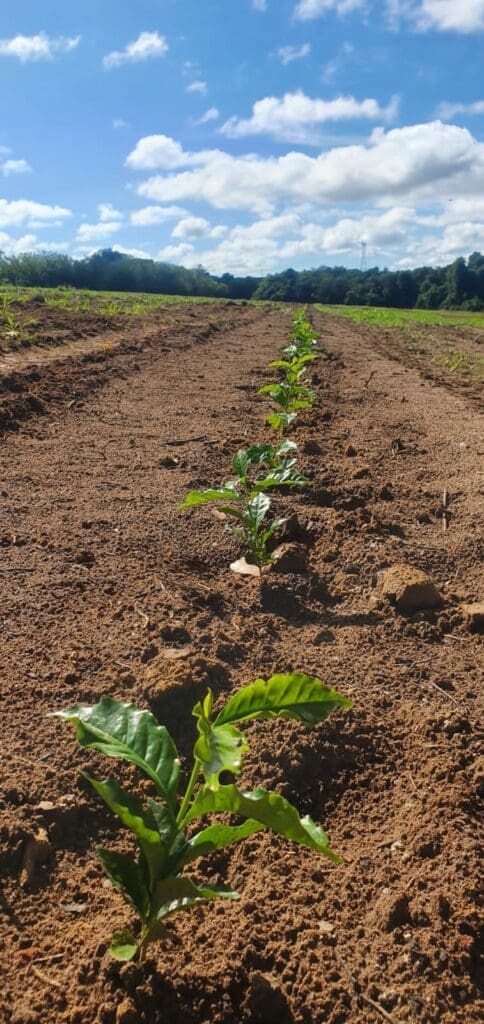
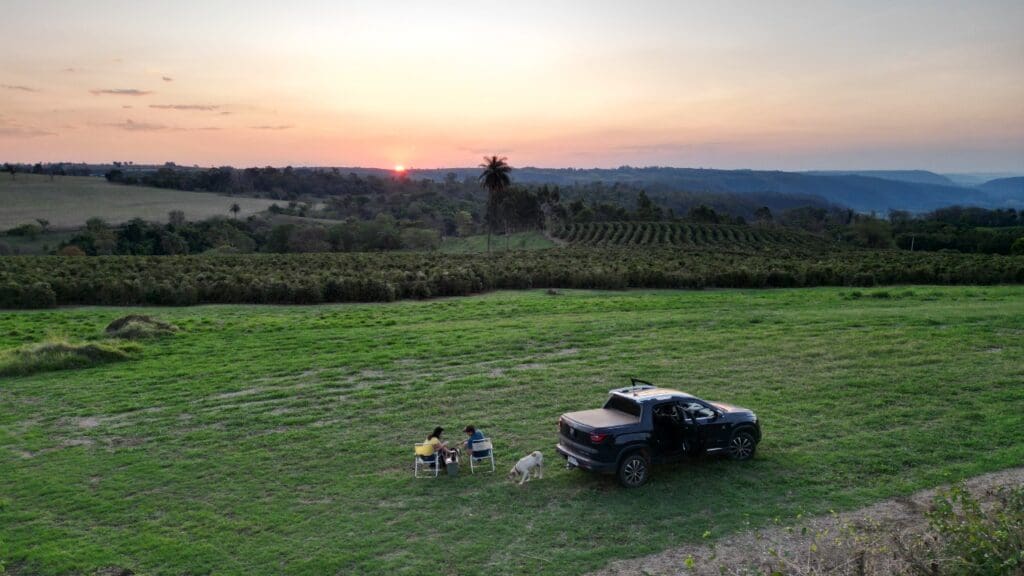
Fazenda Jatobá sits 980 meters above sea level on a plateau between two valleys. 19 hectares of the farm are planted with several varieties, including Catucai, Topazio, Mundo Novo, Yellow Bourbon, Gesha, and Paraiso. The area surrounding the farm is paradise for local flora and fauna, with springs and waterfalls helping to support the local creatures in their natural habitat. Operations at the farm prioritize environmental stewardship along with quality, using microbiological means to control pests and disease in the crop rather than potentially harmful chemicals.
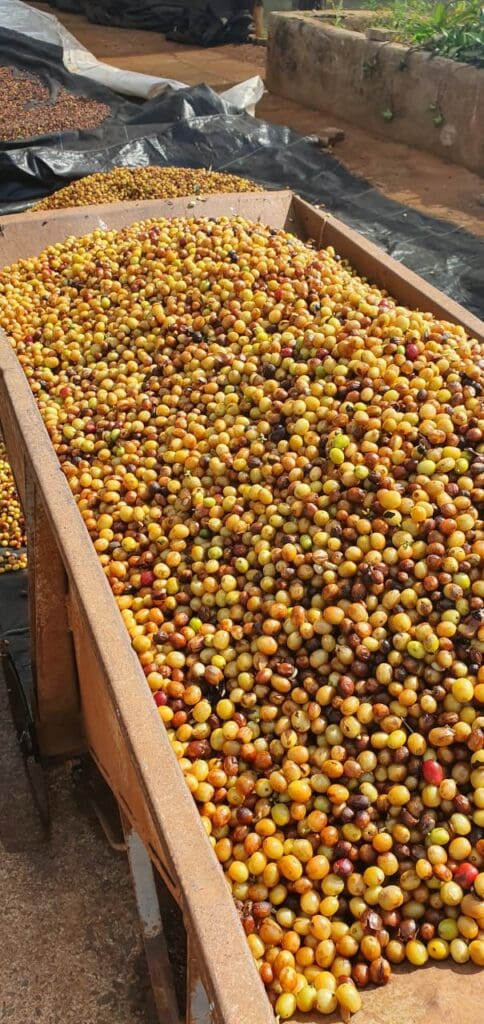
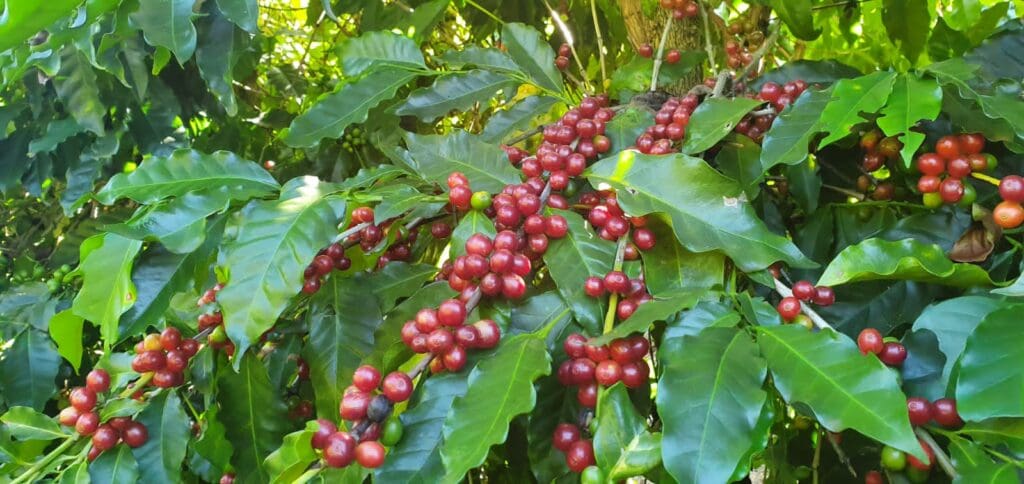
This lot of Yellow Catucai underwent Natural processing. Catucai was developed as a cross between Icatu and Catuai. The first selection was made in 1988 by researchers at the then Brazilian Coffee Institute (IBC) in a population of the Red Icatu cultivar. After generations of breeding and selection in both Minas Gerais and Espírito Santo, the program gave rise to cultivars with red fruits and yellow fruits, then named Catucai.