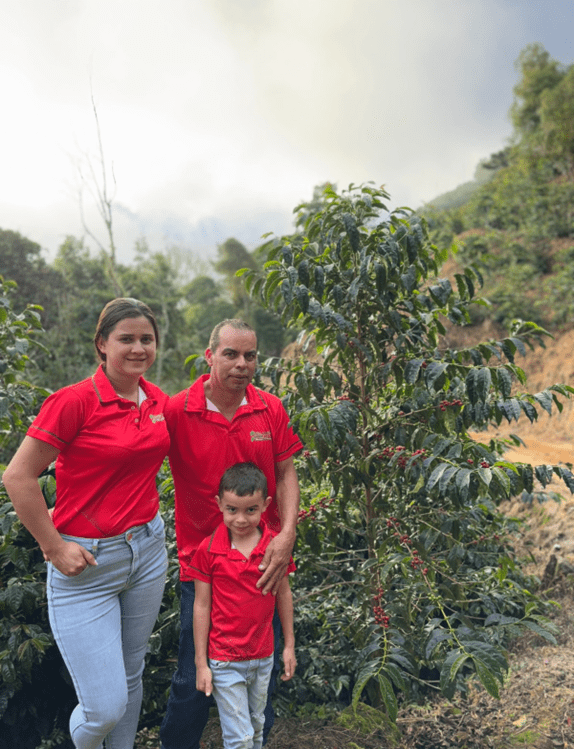
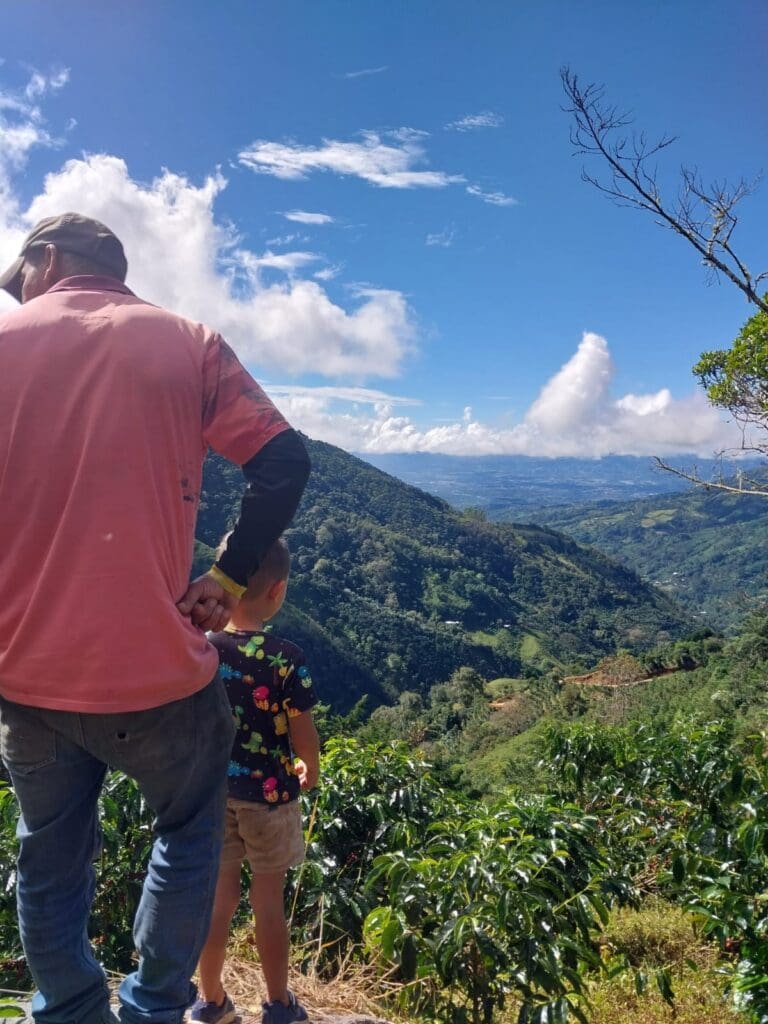
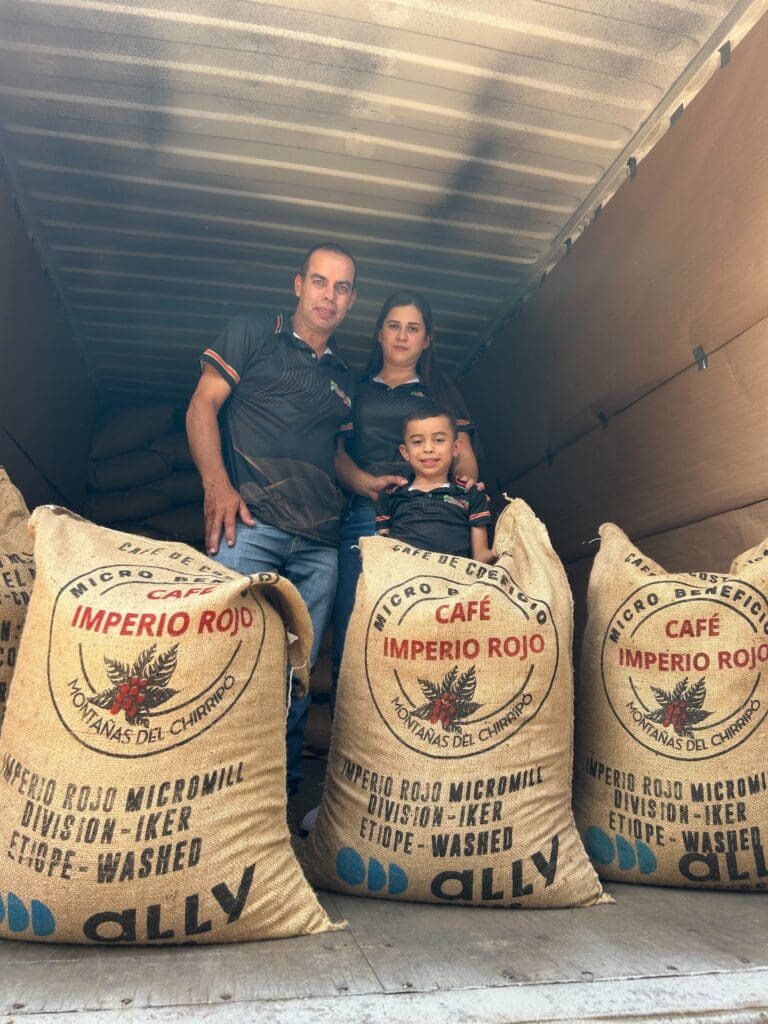
José Alvarado Abarca is a coffee producer whose connection to agriculture began early in life. Raised in a rural environment with limited opportunities, he grew up cultivating tubers and legumes under challenging conditions. Seeking greater stability, he migrated to the United States, where he worked for 10 years before returning to Costa Rica with the goal of establishing his own coffee farm.
His first property, Finca Higuerón, was planted with Catuaí and focused on producing consistent, high-yield coffees. As his experience grew, he acquired a second farm, Finca Iker, where he began exploring a wider range of varieties with an emphasis on specialty coffee and improved cup quality.
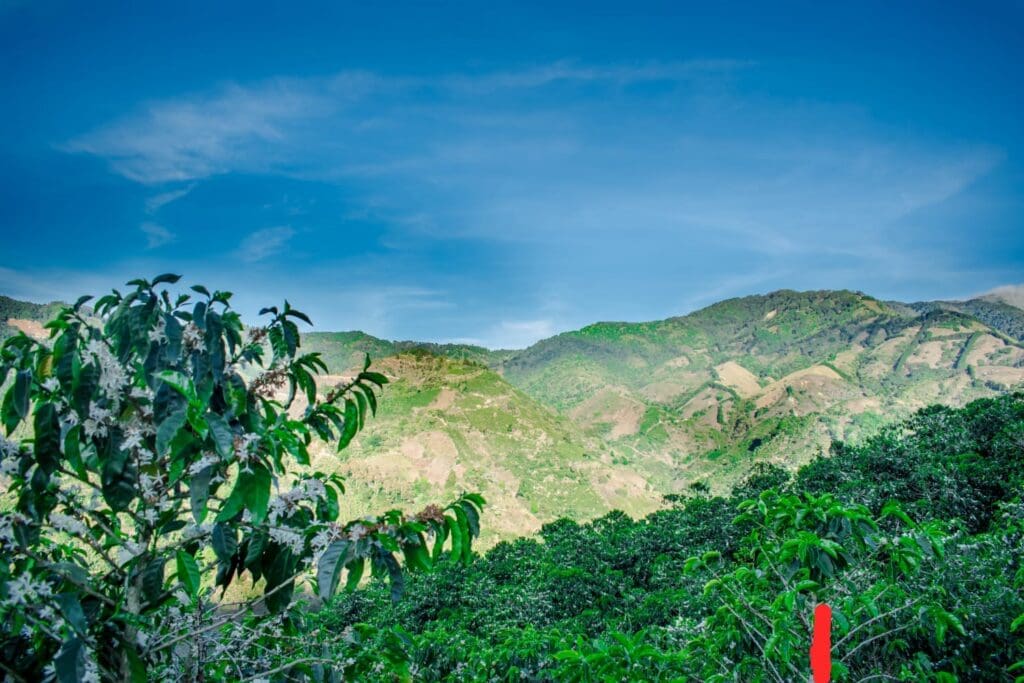
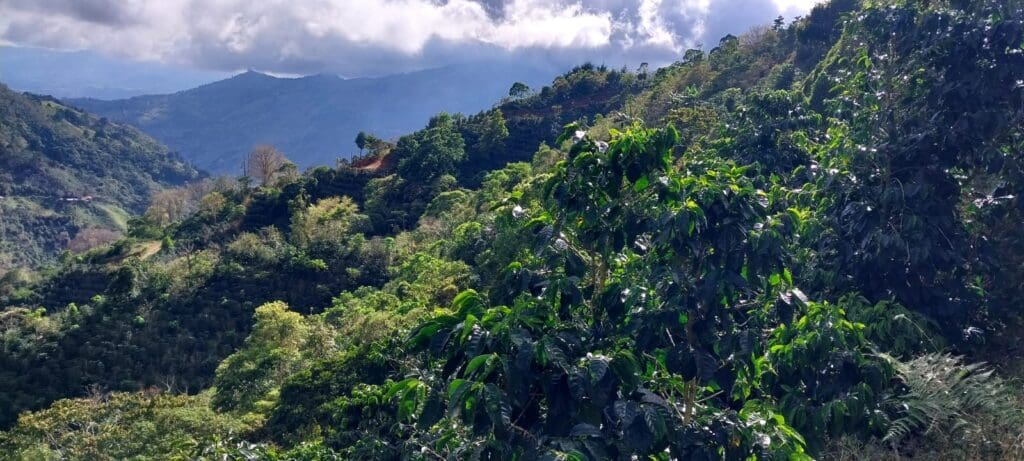
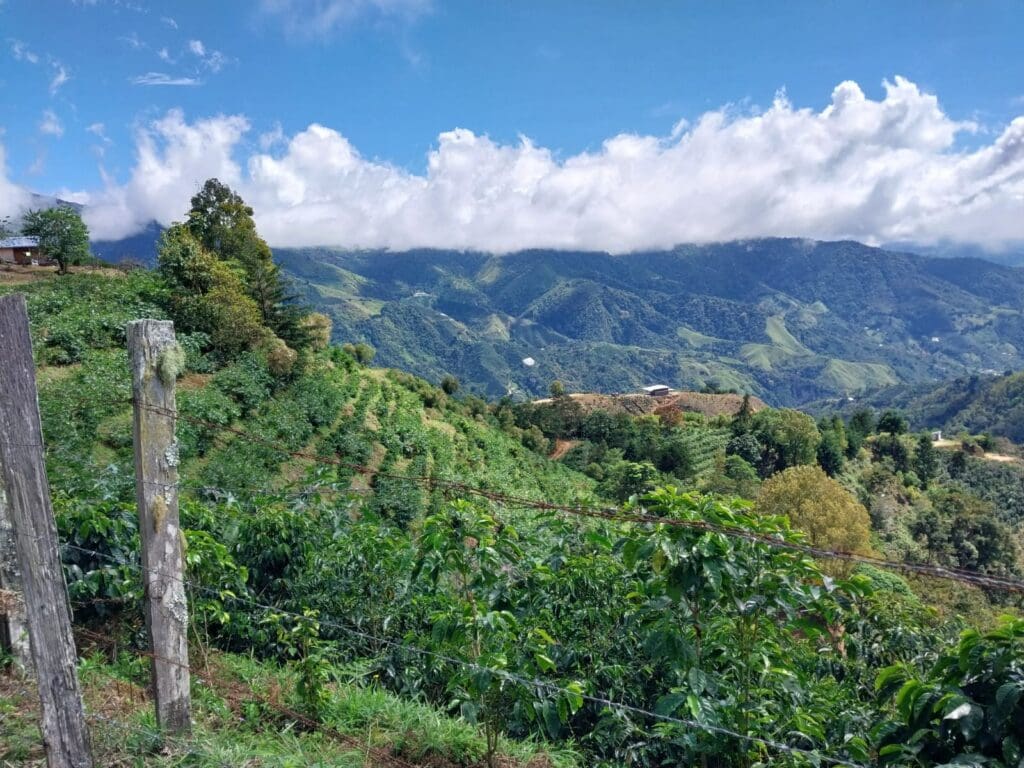
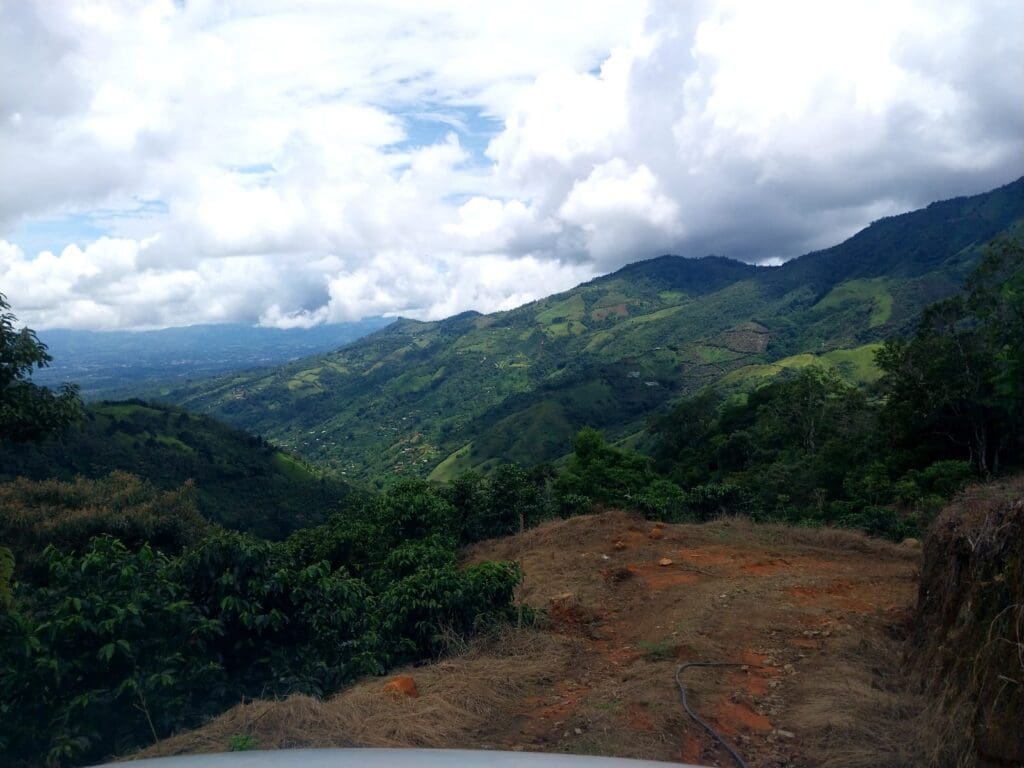
In response to increasing demand, Don José later expanded his operation with Finca Las Brisas, a 20-hectare farm with conditions well suited for coffee cultivation. The combination of climate, soil, and location has enabled the successful production of varieties such as Kenia, Ethiopian landraces, Catugeisha, Chiroso, and Geisha.
These varieties are primarily processed using washed methods to highlight clarity and structure. However, selected lots may also undergo honey processing, offering a different expression of the same varieties while emphasizing sweetness and body.
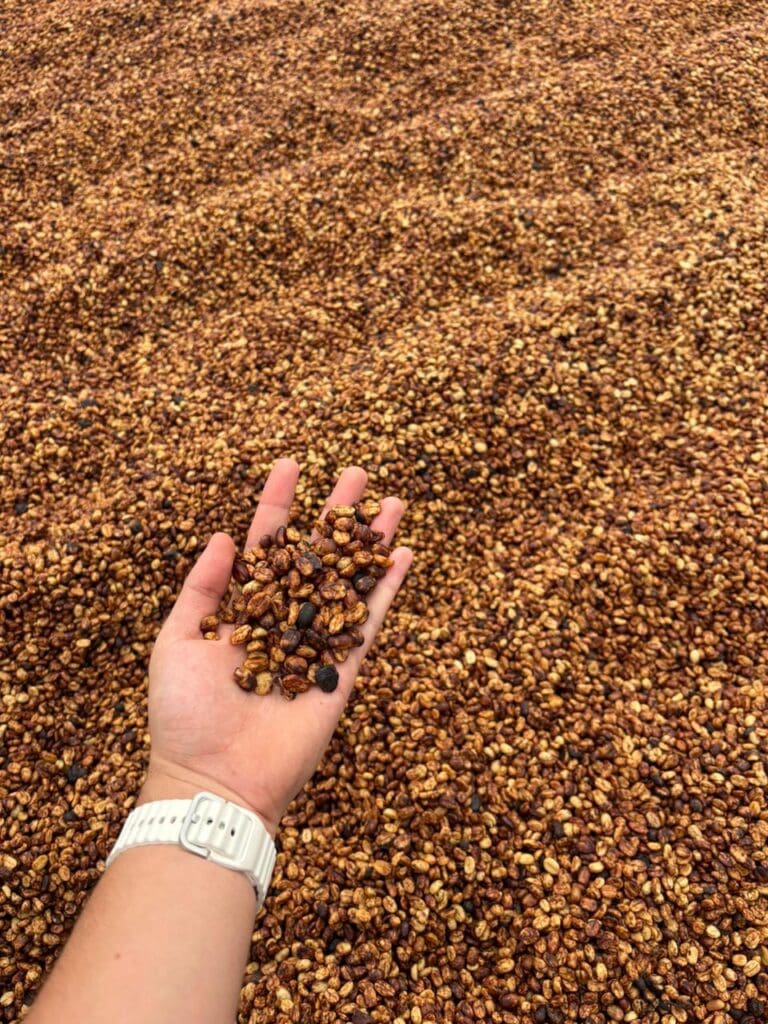
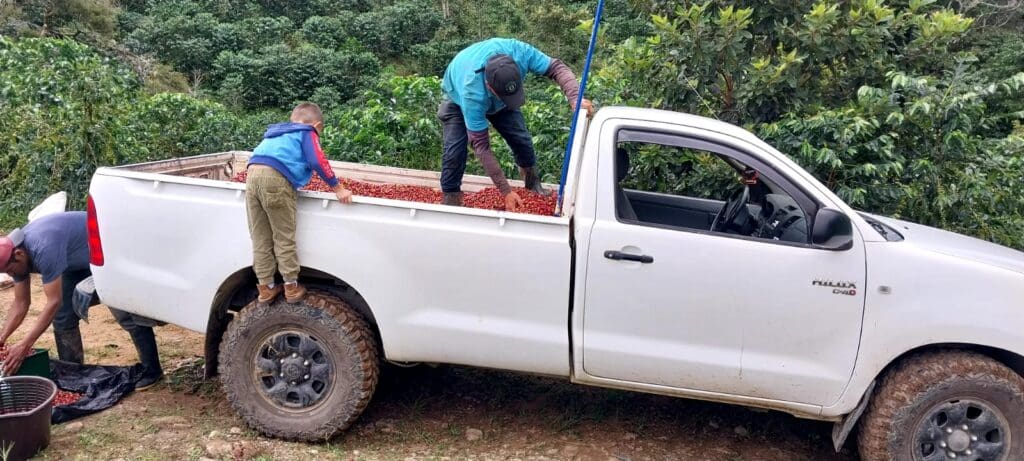
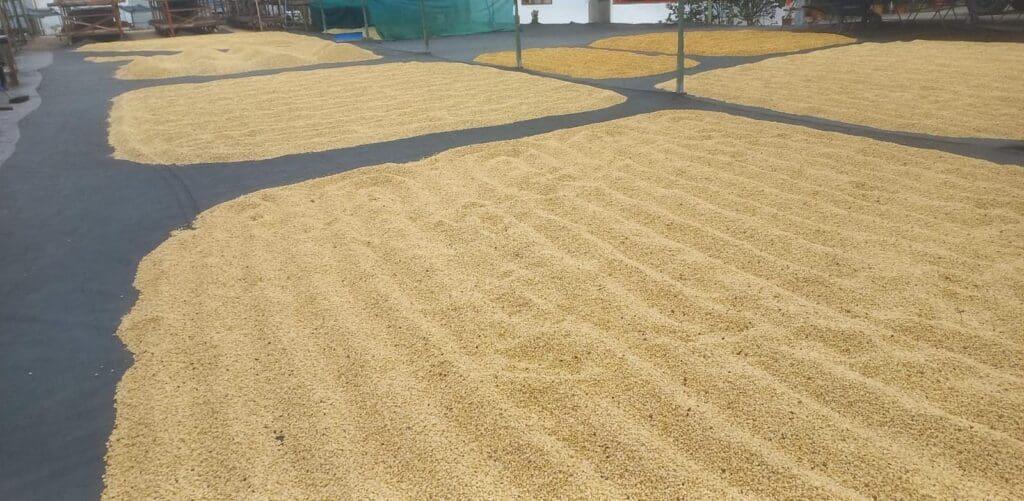
For this Kenia variety, a honey process is applied. Ripe cherries are delivered to the mill and mechanically depulped, leaving the mucilage intact to promote sugar absorption during drying. The parchment is then spread on raised beds for approximately 8 days, where it is frequently moved to ensure even drying and consistent contact between the mucilage and the seed. After this stage, the coffee is transferred to patios, where drying continues with regular movement until the desired moisture content is reached. Once stable moisture is achieved, the coffee is rested prior to milling. The dried parchment is then hulled to obtain green coffee. All stages of the process are carried out under controlled conditions, following established protocols and with full traceability maintained throughout.