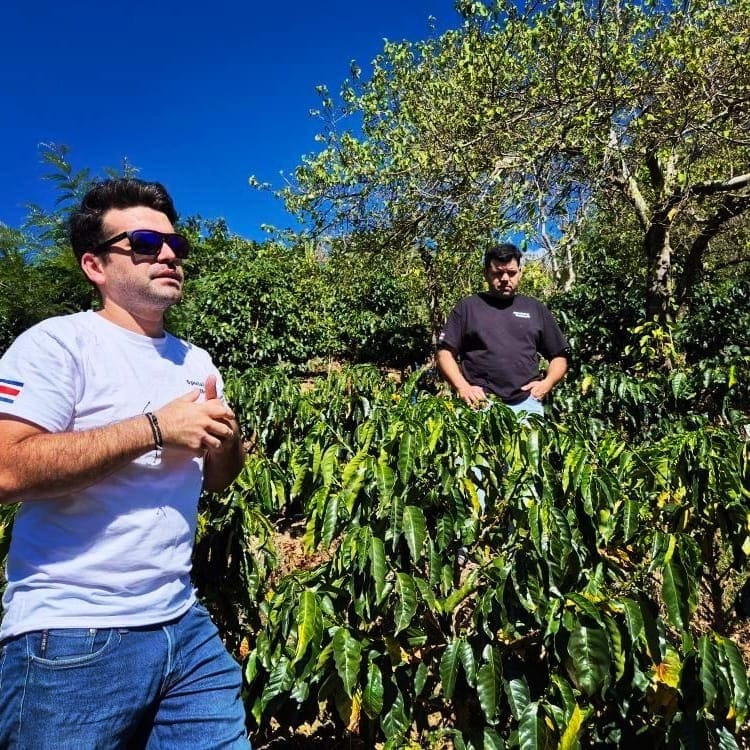
Our family’s coffee heritage dates to the 1970s, when Egidio Zamora Navarro began cultivating and producing coffee on a small farm in Canet de Tarrazú, Costa Rica. Together with his wife, Ligia Picado Umaña, Egidio passed his passion for coffee cultivation on to their sons, Esteban and Felipe.
In 2013, Esteban and Felipe began building Microbeneficio La Cruz de Tarrazú with the goal of producing, processing, and selling specialty coffee while achieving fairer prices for their harvest. What began as a small family project has gradually grown into an operation producing an average of 500–700 quintals of coffee per year.
Today, Microbeneficio La Cruz de Tarrazú works with coffee from several family farms, including El Cedro, El Cocobolo, El Pino, Los Manzanos, Don Leonel, and Los Crestones. The farms are planted with a diverse selection of varieties, including Red Catuai, Centroamericano, Starmaya, Excelencia, and Ethiopía 47. This varietal diversity reflects the family’s continued interest in exploring different genetic materials while maintaining a strong focus on quality and coffee production.
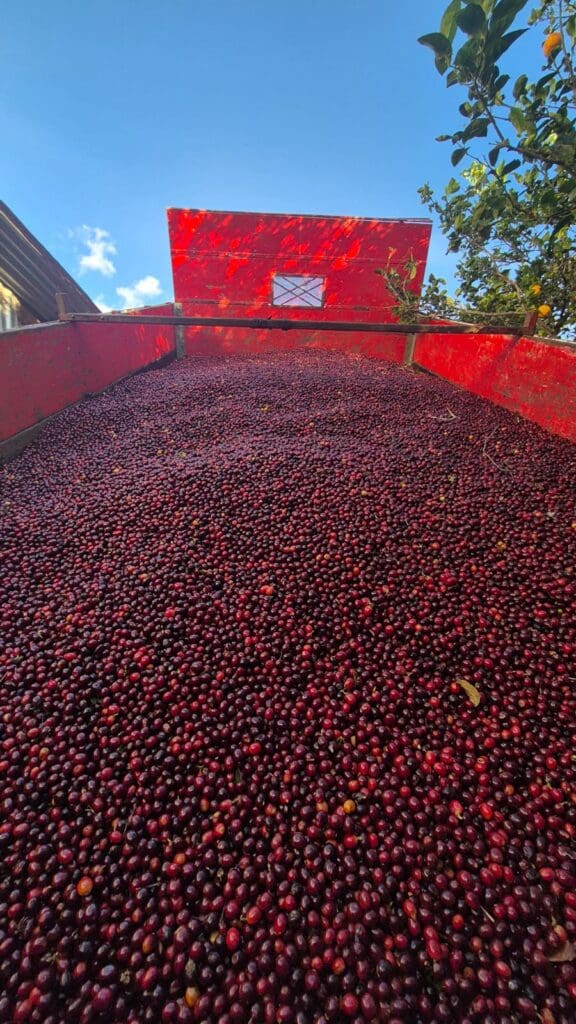
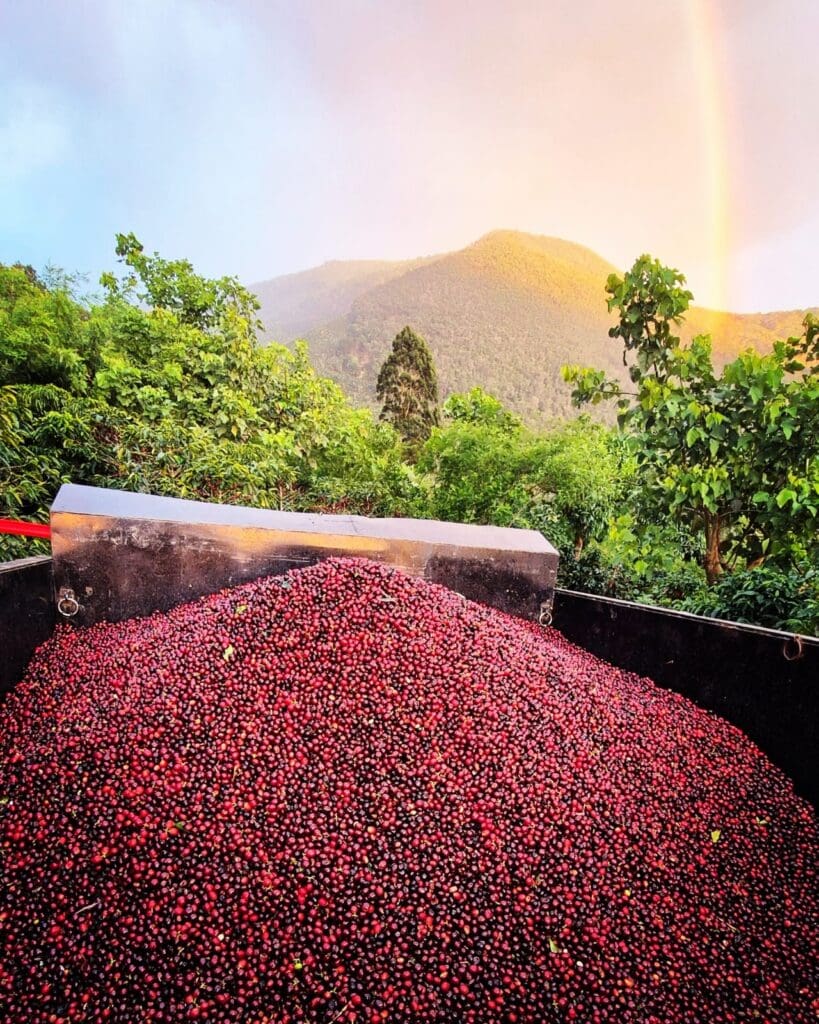
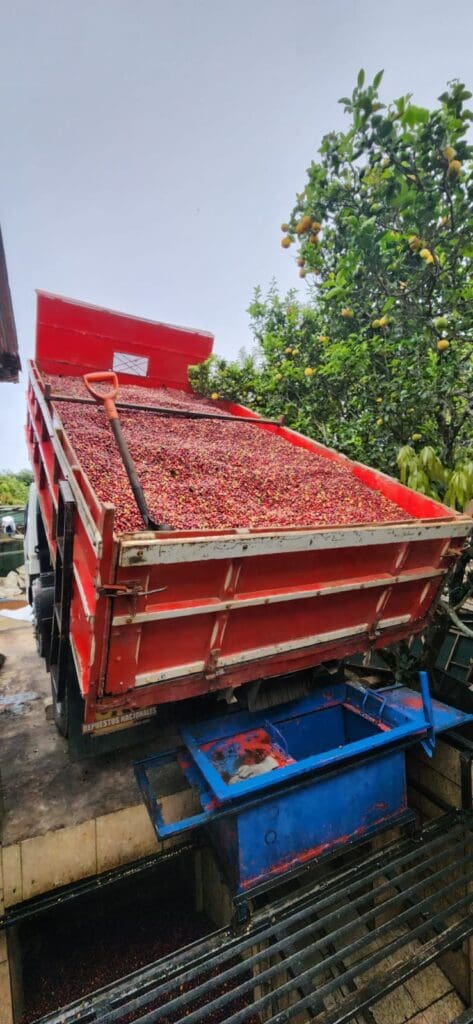
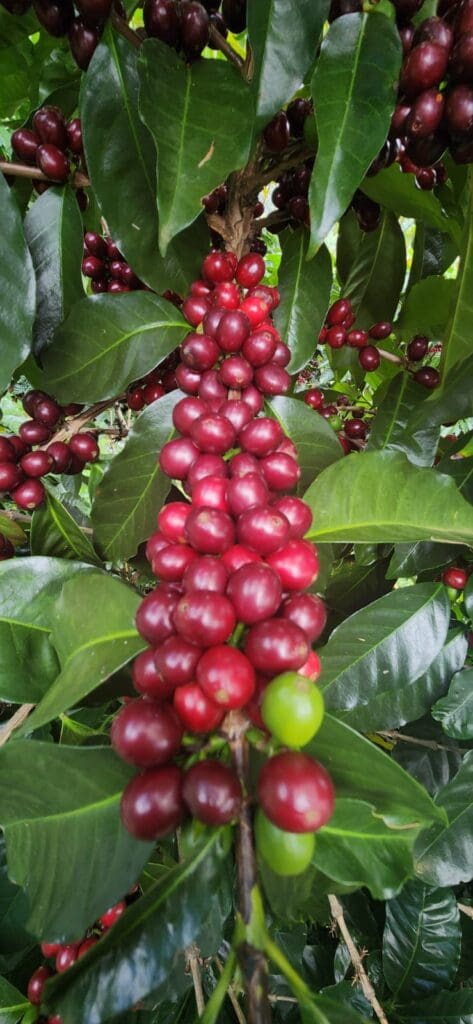
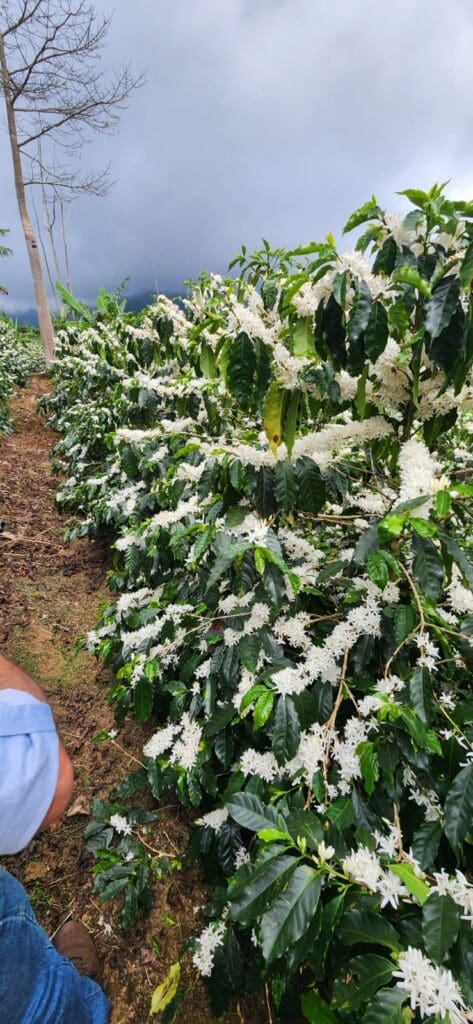
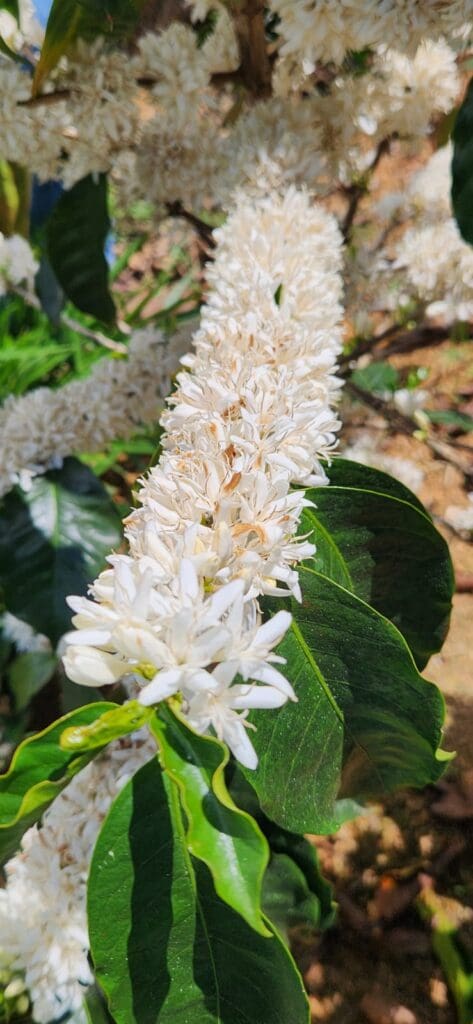
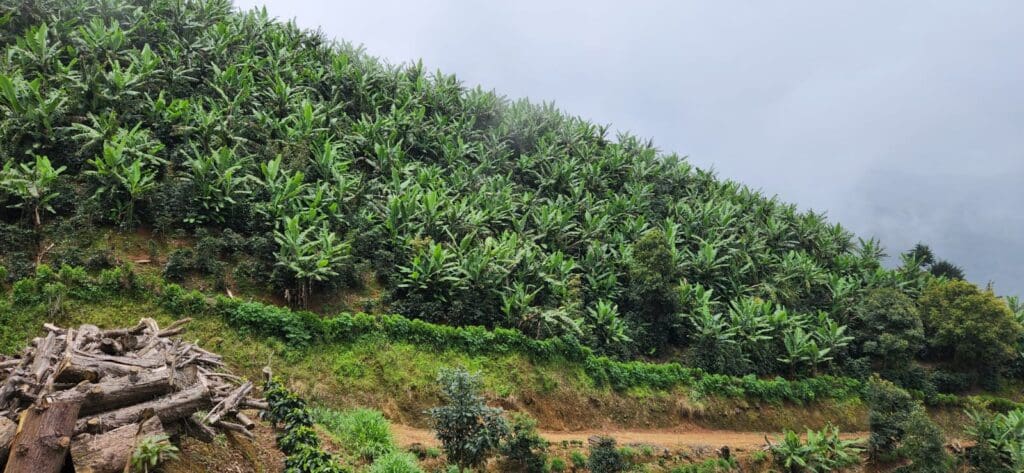
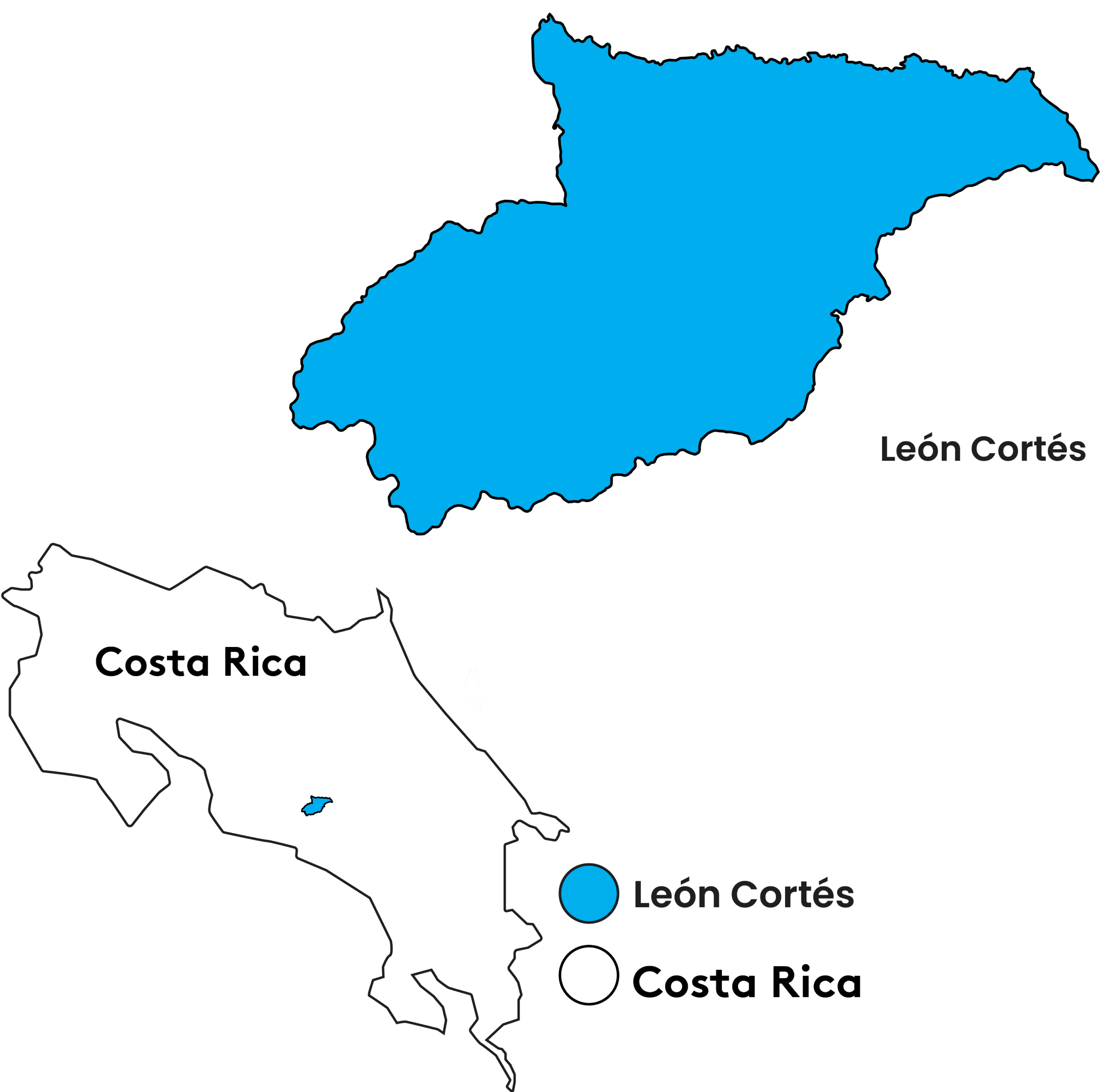
This lot comes from Finca Los Crestones and is composed of Red Catuai grown at an average elevation of 1,900 meters in the high mountains of León Cortés, Costa Rica. The coffee is selectively hand-harvested, with pickers collecting only cherries at optimal ripeness. After harvesting, each lot is transported to Microbeneficio La Cruz de Tarrazú for processing.
At the mill, the cherries are washed and placed in specialized tanks to remove floaters and other lower-quality fruit. The selected cherries then undergo dry pulping, leaving 100% of the mucilage intact. The pulped coffee is placed in stainless steel tanks and rested for approximately 12 hours before being transferred to concrete patios the following morning.
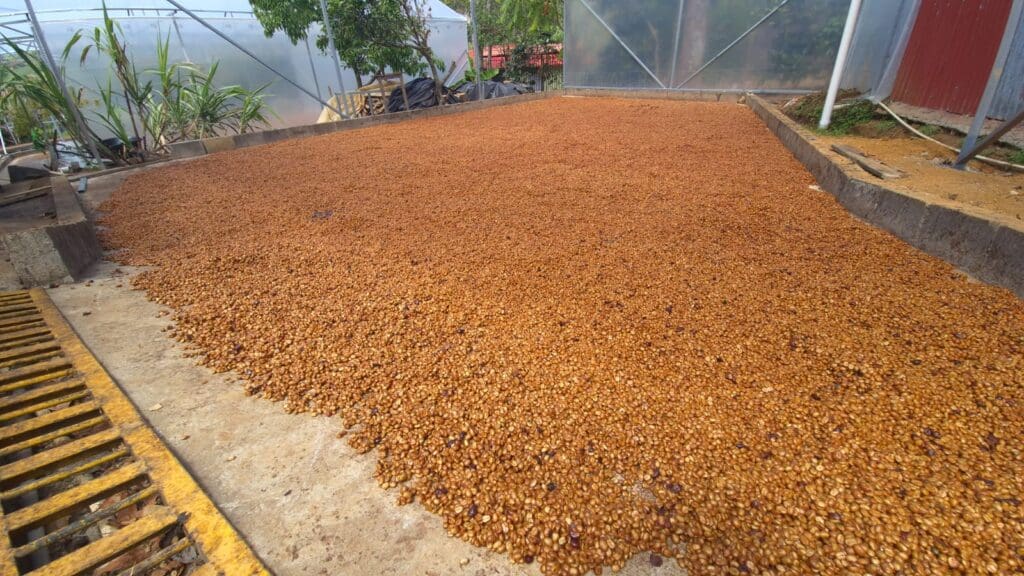
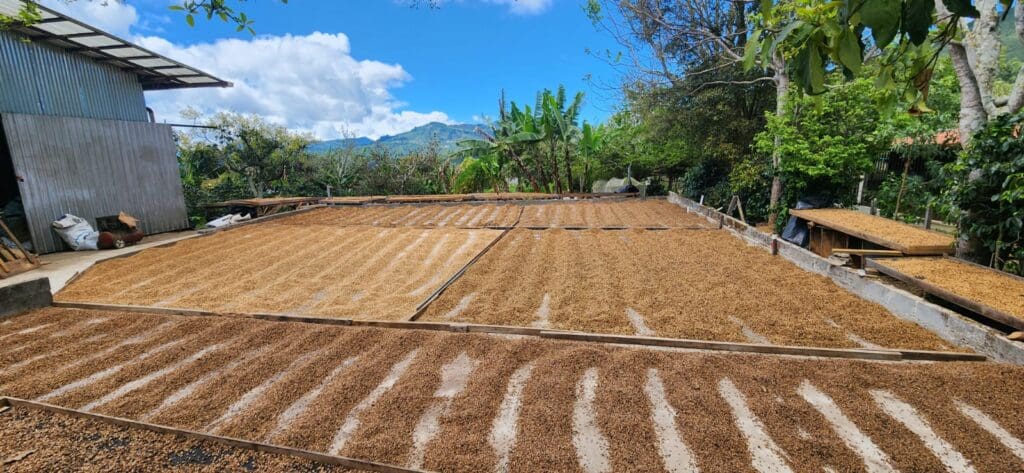
The coffee is dried with all of its mucilage intact for approximately three to five days. Once the coffee reaches an appropriate moisture level, it is transferred to mechanical dryers, where the beans are brought to a uniform final moisture content. This step helps stabilize the coffee and preserve its quality during storage.
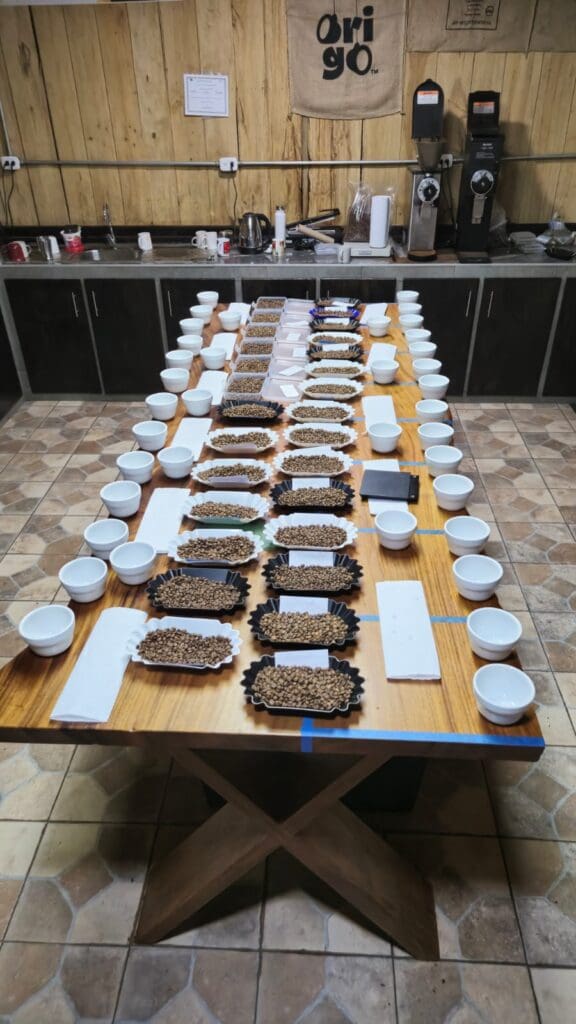
Each lot is identified according to its farm and harvest date and packed in jute sacks with specialized inner bags for storage. Samples from every lot are sent to the quality control laboratory, where the coffee is roasted and cupped to evaluate the results of the process and verify its quality. As orders are confirmed, the coffee is milled and prepared for export at the micromill’s own facilities, allowing Esteban and Felipe to maintain greater control and consistency throughout the final stages of production.