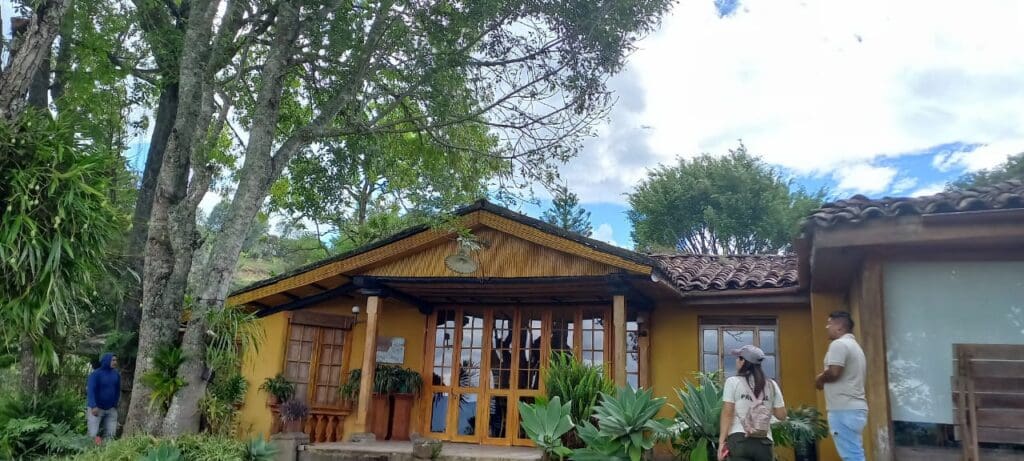
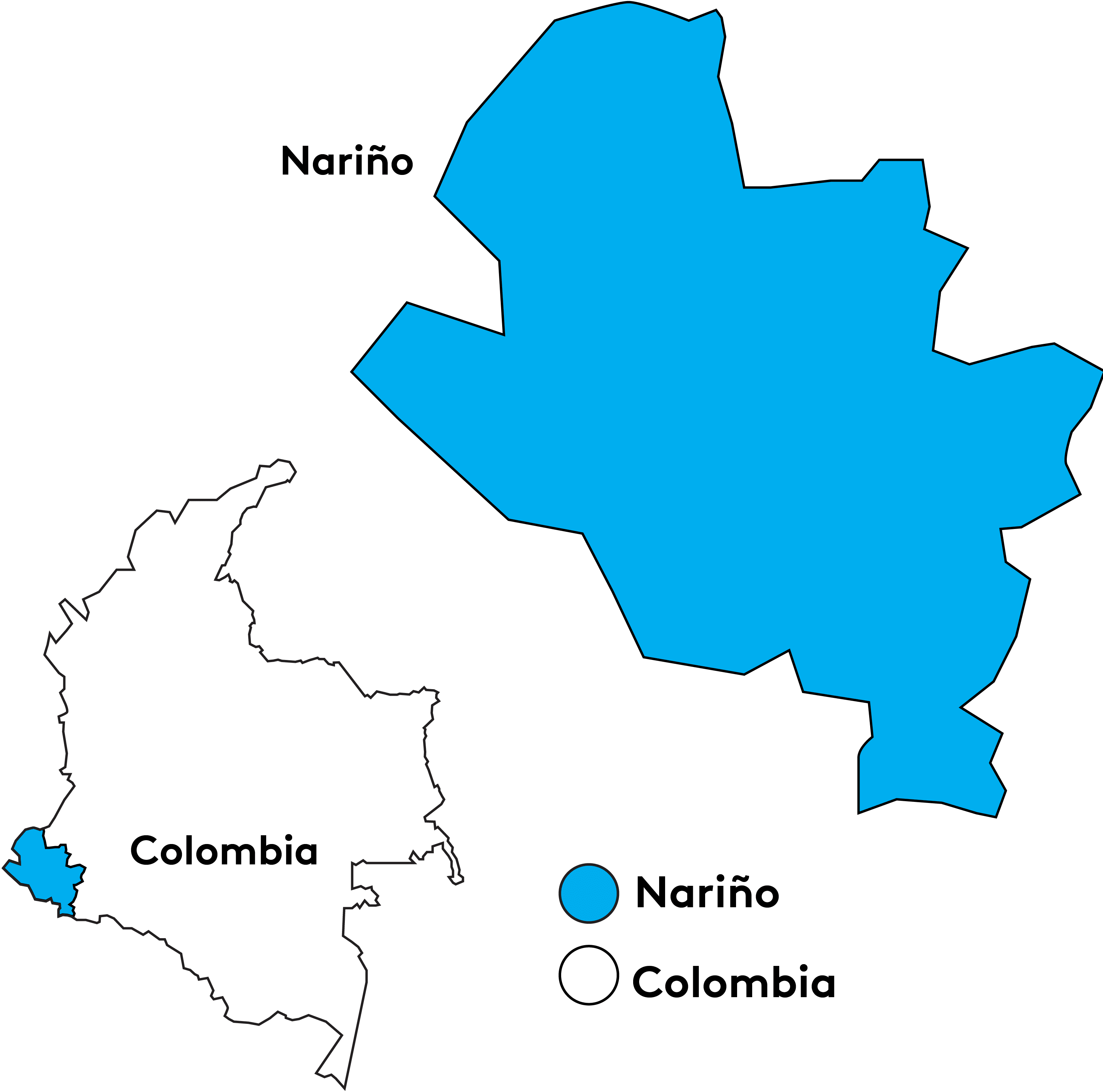
Los Arrayanes Farm is located along the road leading to the El Bado village, in the municipality of Buesaco, Nariño, at an average altitude of 2,000 meters above sea level.
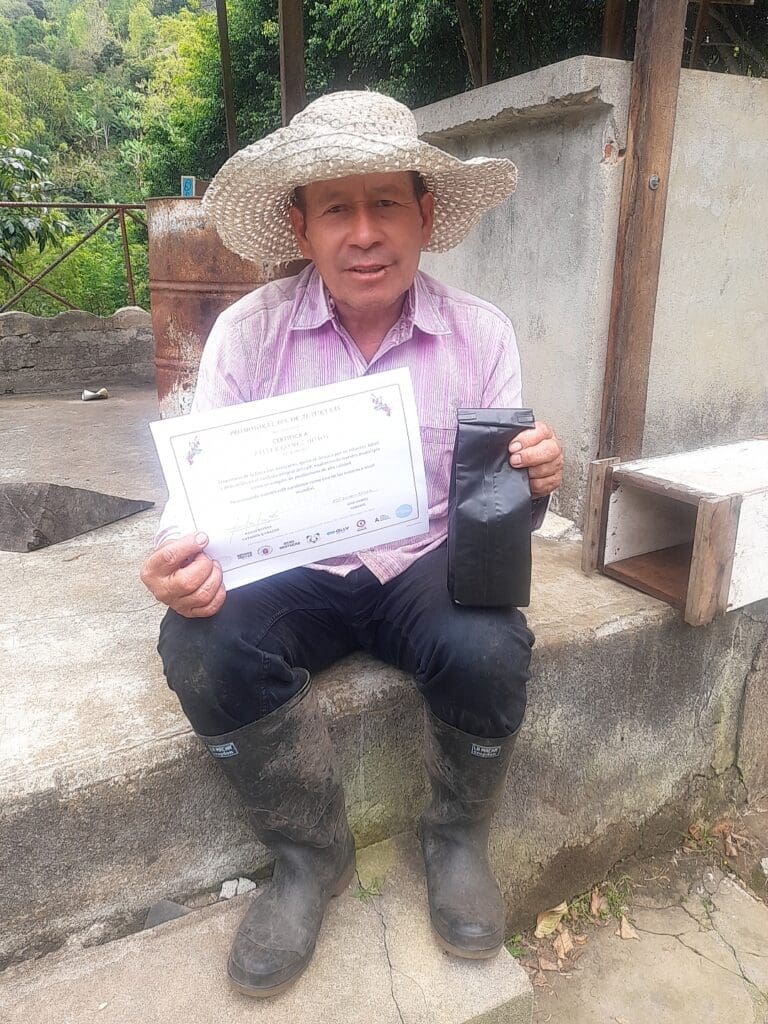
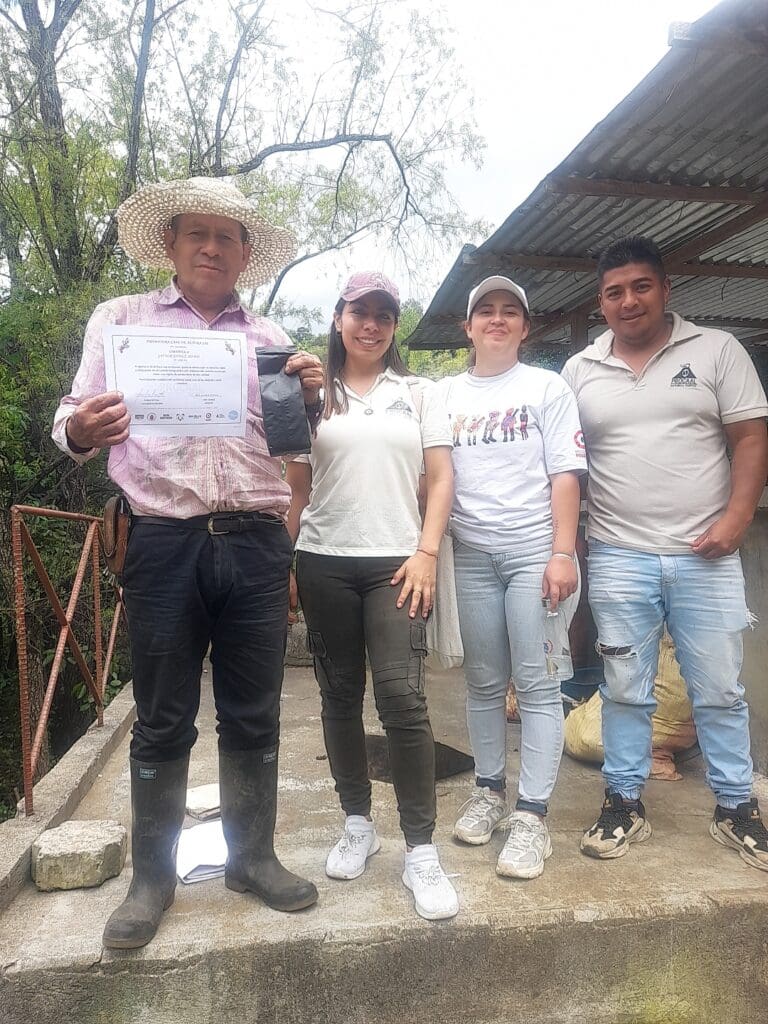
The farm belongs to Javier Gómez, a first-generation coffee producer who began his journey in coffee in 2010, when he acquired the property. Los Arrayanes spans 26 hectares in total, with 14 hectares dedicated exclusively to coffee production and around 15,000 coffee trees currently in production. The farm is divided into three main areas. Los Arrayanes, where the main house is located, covers 7 hectares. El Tambo extends over 4 hectares, while Loma Gorda is primarily dedicated to coffee cultivation.
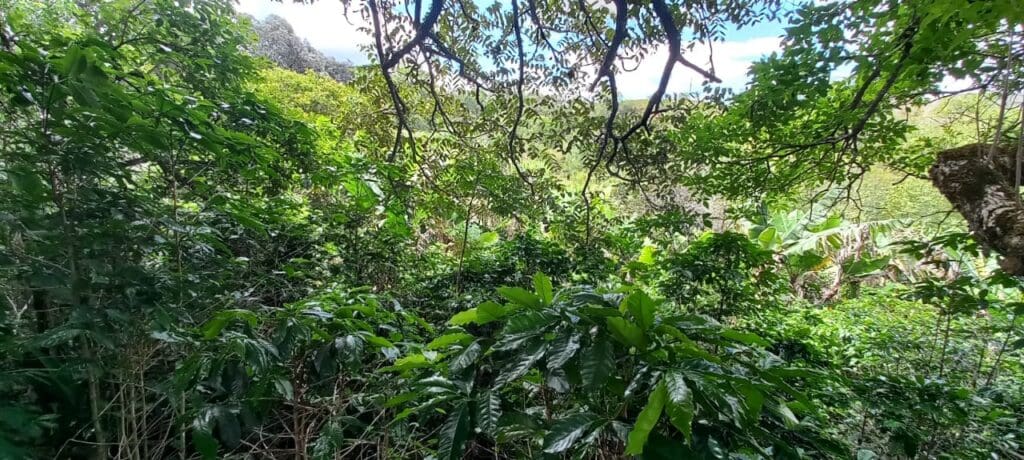
In the early stages of production, Javier planted varieties such as Caturra and Colombia, both well adapted to the region’s conditions. In 2015, he introduced Castillo, aiming for greater resistance and productivity. More recently, in 2025, he planted 2,000 Geisha trees, expanding the farm’s genetic diversity and opening the door to more complex sensory profiles with strong potential in the specialty market.
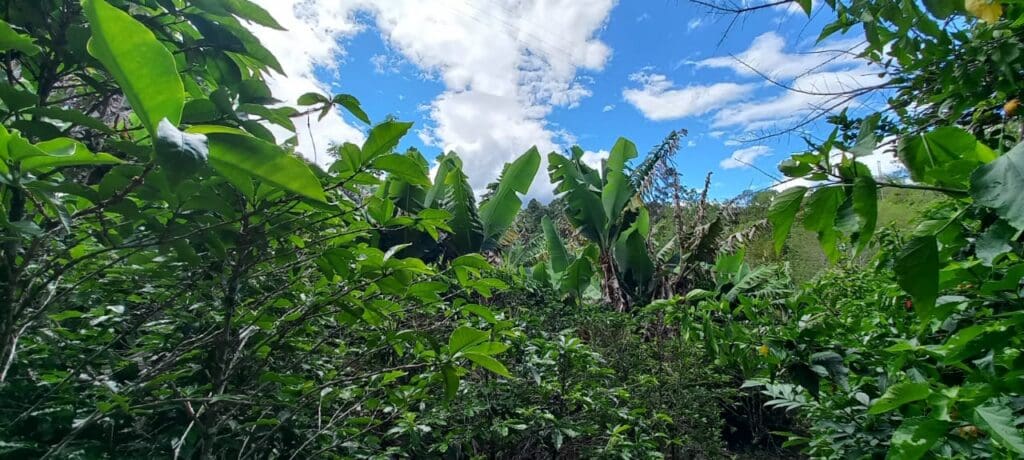
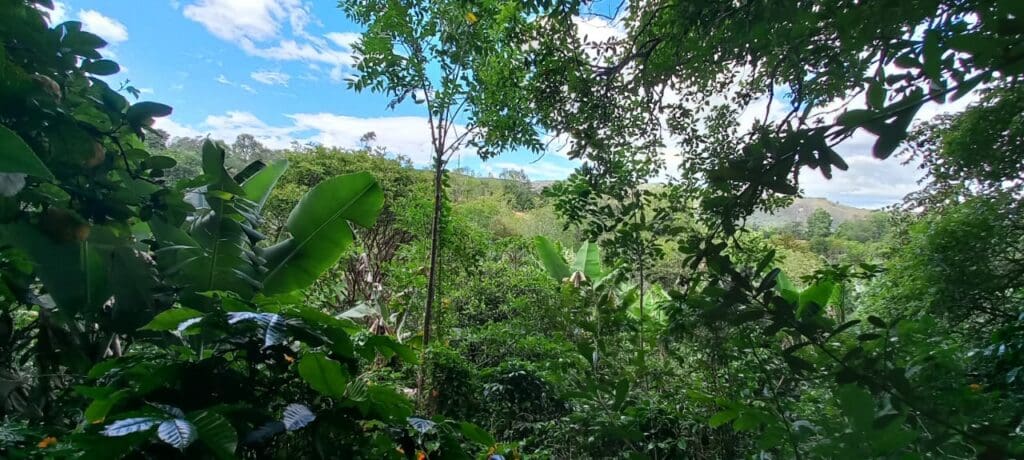
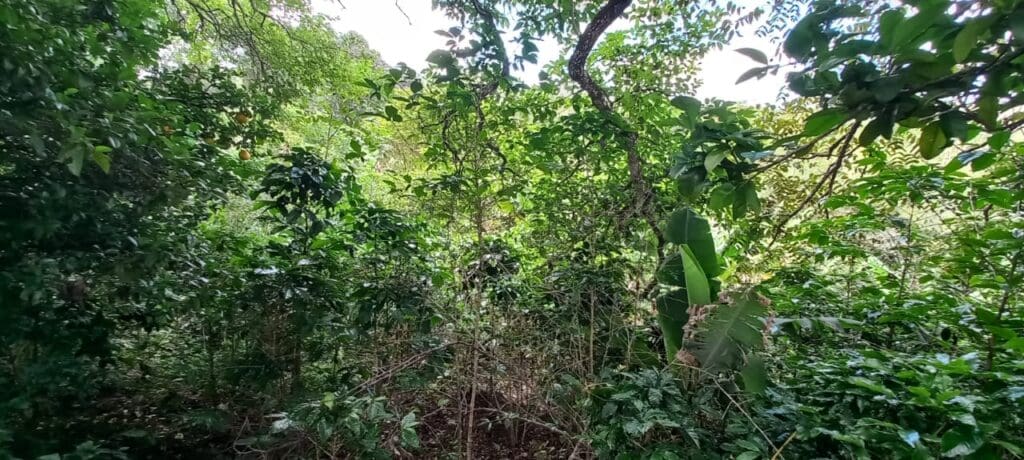
Beyond coffee, the farm includes a variety of fruit trees such as orange, lemon, and banana. These complement the agricultural system, support biodiversity, and contribute to soil health and a balanced local microclimate.
Being located in Buesaco gives Los Arrayanes a clear advantage. The area is known for its experienced producers, access to technical assistance, strong local cooperatives, and a deeply rooted coffee culture that encourages knowledge-sharing and continuous improvement. Together, these conditions create a privileged environment for producing high-quality coffees with distinctive sensory profiles and meaningful opportunities in the specialty market.
This caturra variety underwent washed process. Harvest takes place at peak ripeness, with cherries carefully hand-picked and selectively sorted to include only deep cherry-red fruit. After pulping, the coffee ferments in mucilage for three days in fully sealed concrete tanks, ensuring a controlled and consistent fermentation. Once completed, the beans are washed to remove any remaining mucilage, resulting in a clean and uniform base before drying.
Drying begins on low beds and, as moisture levels decrease, the coffee is moved to raised beds to improve airflow. In periods of high humidity or heavy rainfall, a drying oven is used to finish the process without affecting quality. Under normal conditions, drying takes place on traditional beds and lasts between 12 and 15 days, depending on the climate.
*Los Arrayanes was a pioneer in the area by introducing a pre-pulping separation system that removes low-density and defective cherries, allowing only healthy fruit to move forward in the process.