This coffee comes to us through our partnership with InConexus de Café, a Colombian company with over 20 years of experience connecting smallholder coffee farmers to specialty markets. Working across seven regions and more than 29 farmer associations, InConexus provides technical support, training, and access to organic certification while ensuring traceability and sustainable farming practices throughout the supply chain.
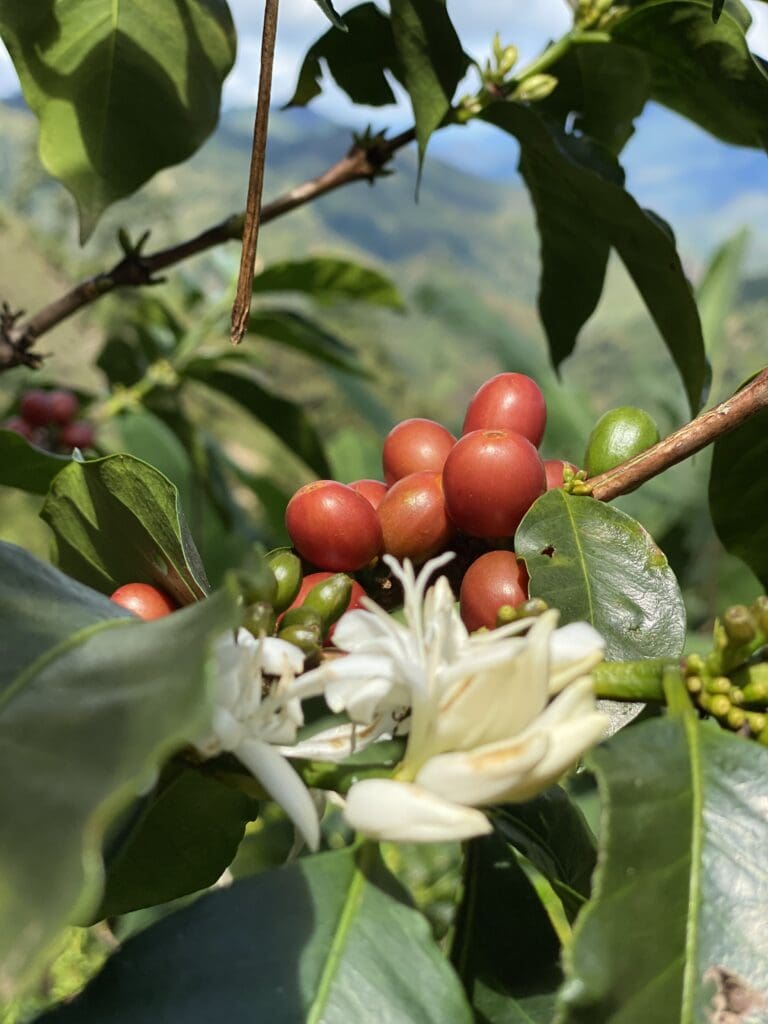
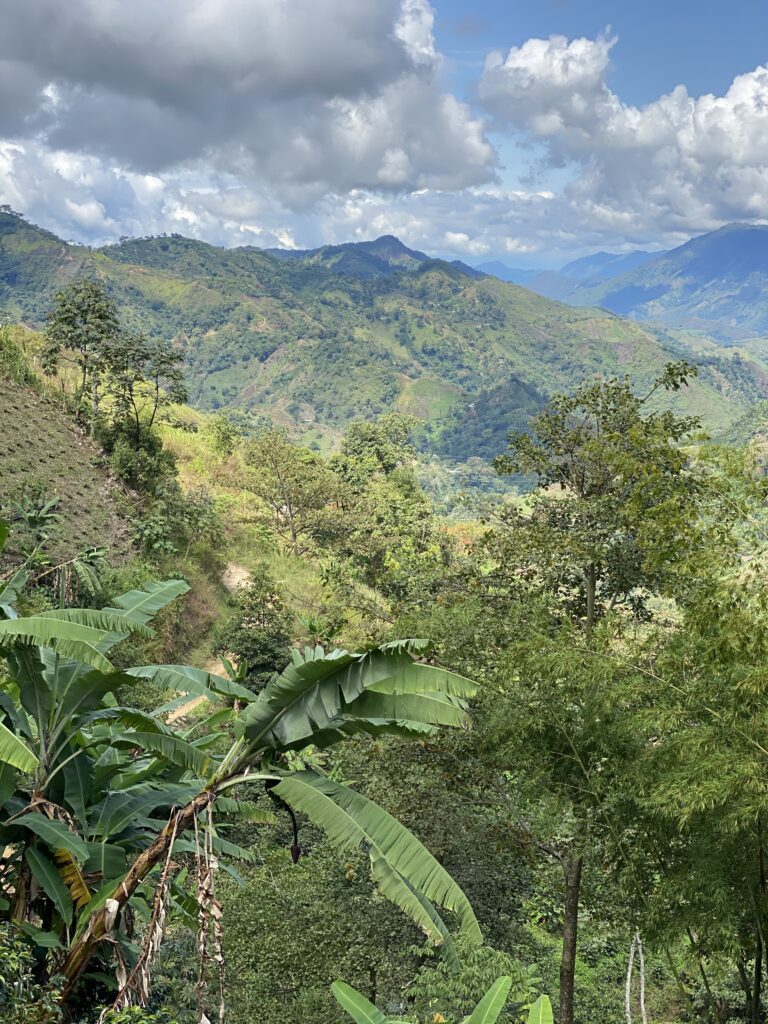
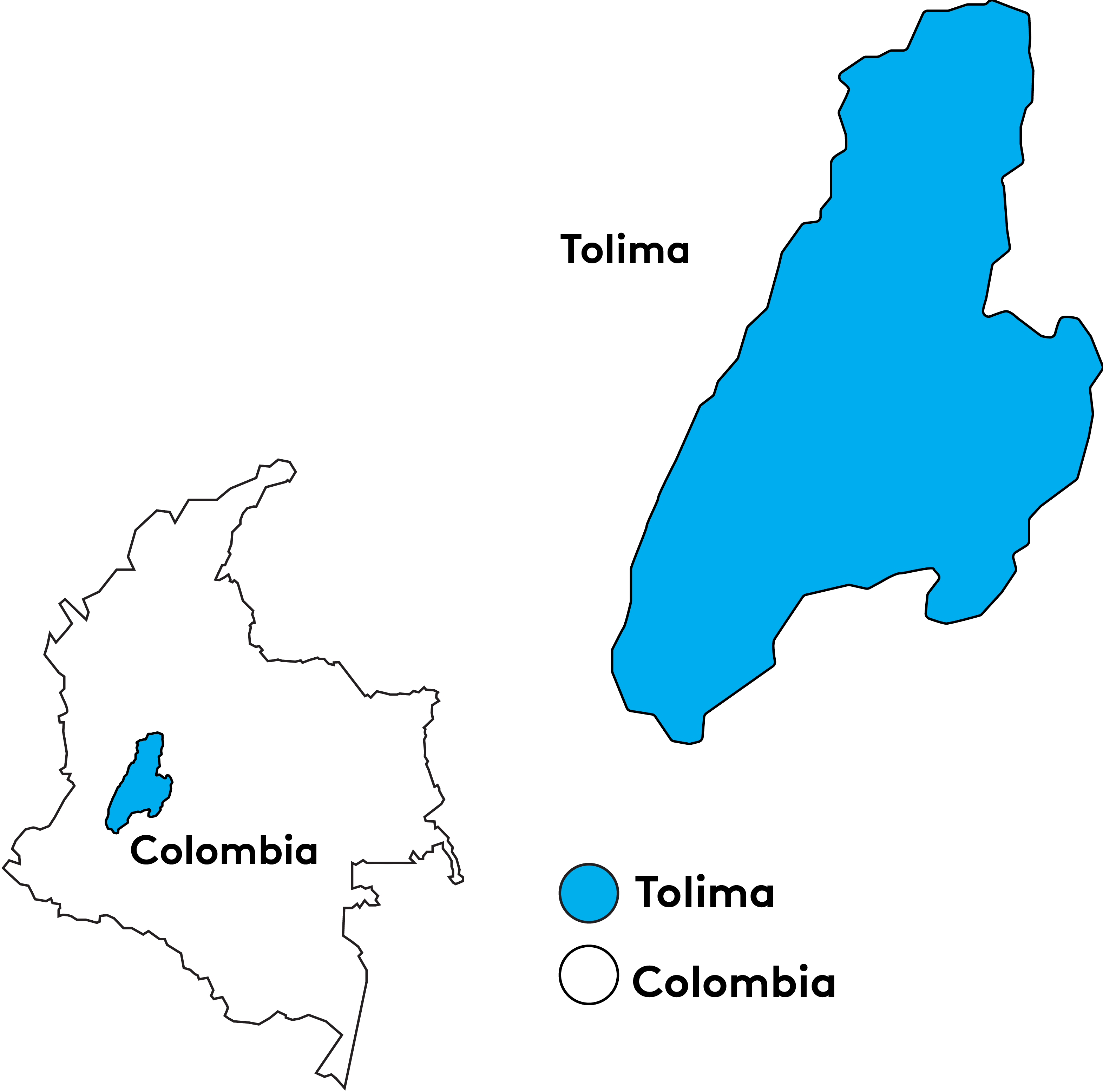
This Tolima blend brings together lots from small farms located between 1,600 and 2,400 meters above sea level. Volcanic soils, abundant rainfall, and diverse microclimates define this region, creating ideal conditions for cultivating high-quality coffee. Farmers manage their plots using traditional and sustainable methods, avoiding synthetic inputs and focusing on careful post-harvest handling to produce clean, washed coffees.
By sourcing from these smallholder producers, we support communities across Tolima and strengthen their access to international specialty markets. This blend reflects the region’s diversity and the commitment of its farmers to organic and sustainable production, offering a fully traceable and responsibly sourced cup.
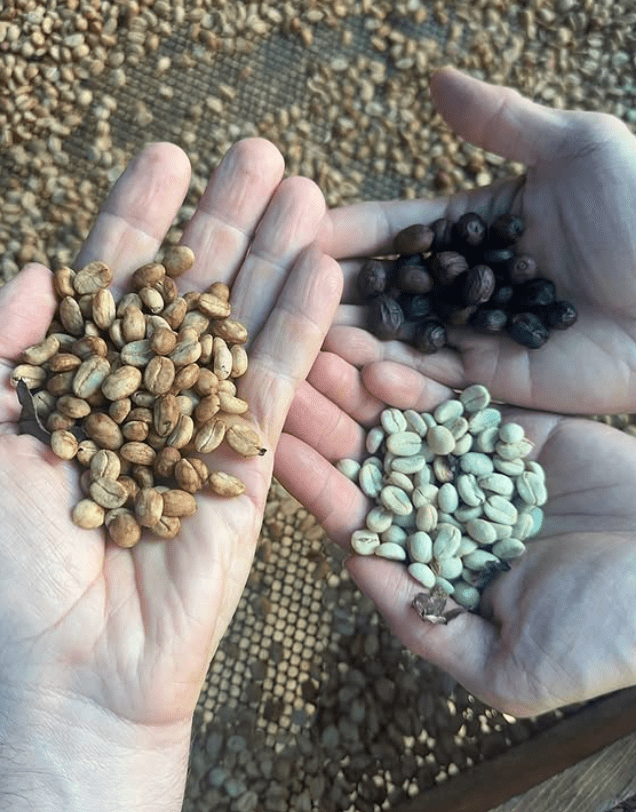
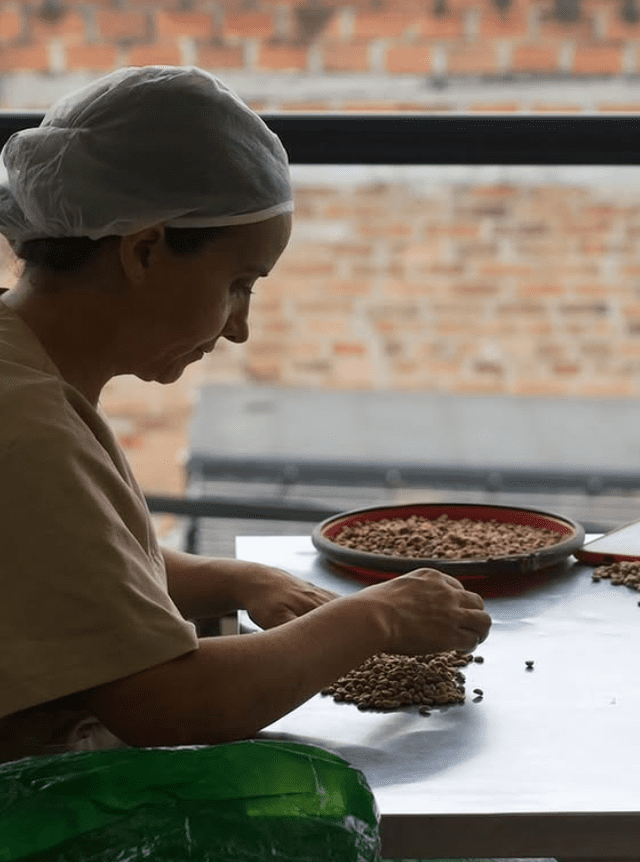
Once dried, the parchment was delivered to Pétalo Solar, the dry mill operated by InConexus, where the coffee was hulled, sorted, and prepared for export following organic-compliant protocols. The mill plays a crucial role in ensuring consistency and traceability for certified coffees.
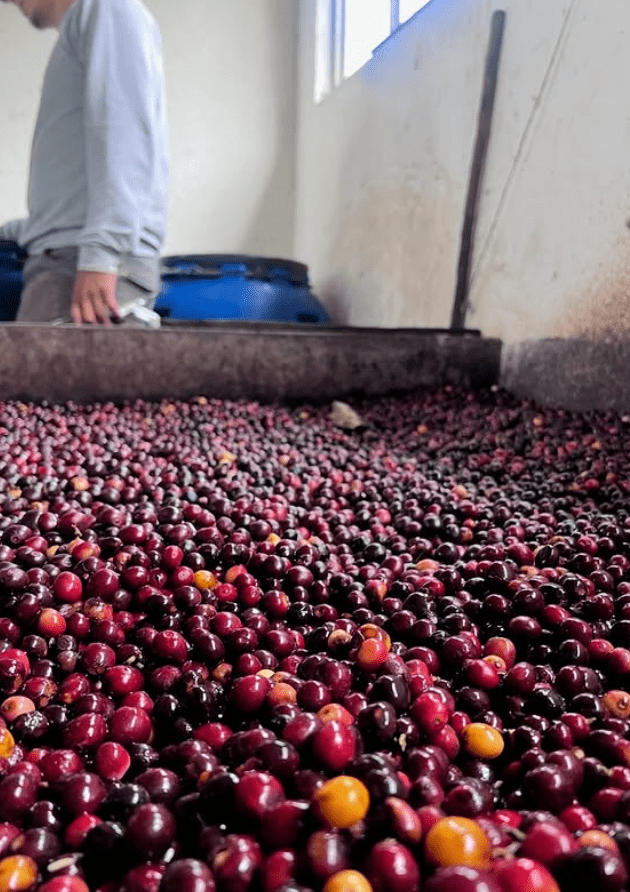
This lot underwent washed processing. Ripe cherries were selectively hand-picked and pulped to remove the outer skin before being fermented in water for 12–36 hours, allowing natural enzymatic activity to develop clarity in the cup. After fermentation, the coffee was thoroughly washed, sorted, and moved to raised beds to dry under the sun, with frequent turning to ensure even drying.
Throughout each step, farmers maintained strict quality control, selecting only fully ripe, defect-free cherries. This careful approach showcases the balance and cleanliness characteristic of Colombian washed coffees while honoring long-standing regional traditions.