This coffee comes to us through our partnership with InConexus de Café, a Colombian company that works closely with producer organizations to connect smallholder coffee farmers with specialty markets. Through technical support, traceability systems, quality programs, and market access initiatives, InConexus helps farming communities strengthen their production practices while ensuring transparency throughout the supply chain.
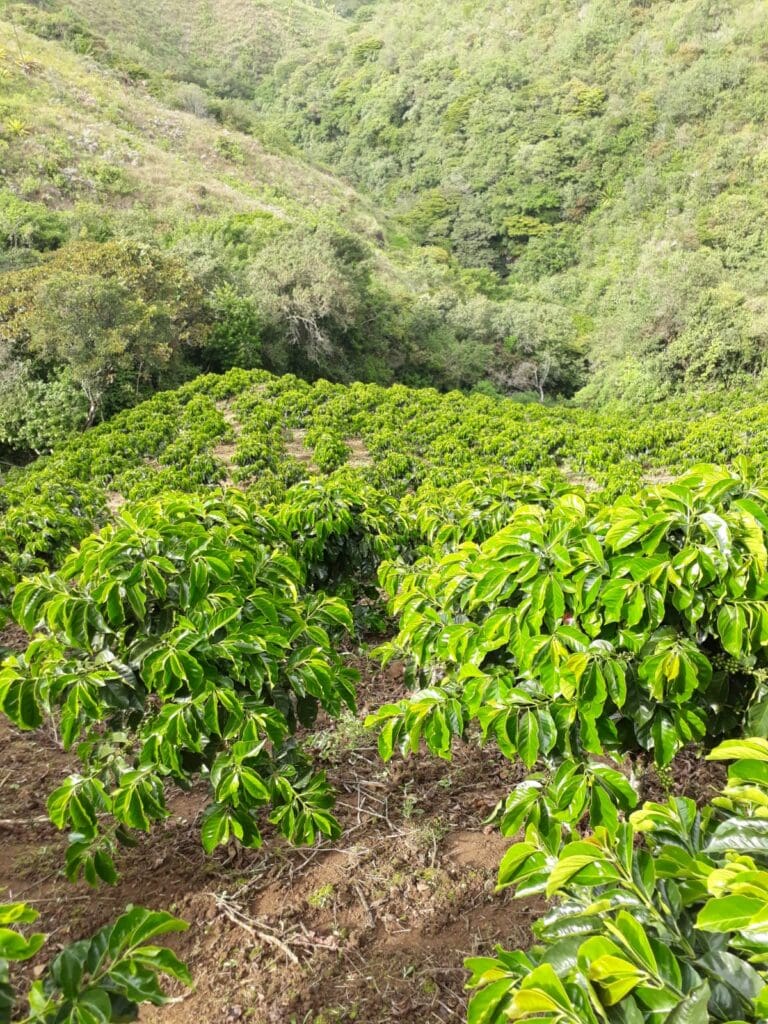
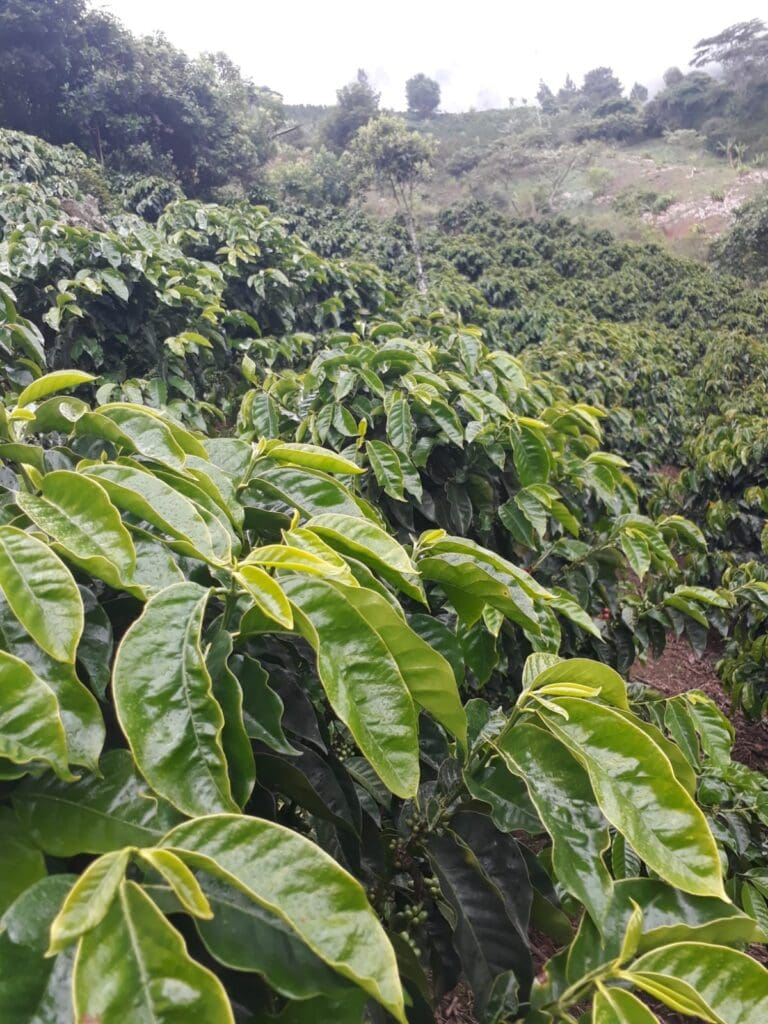
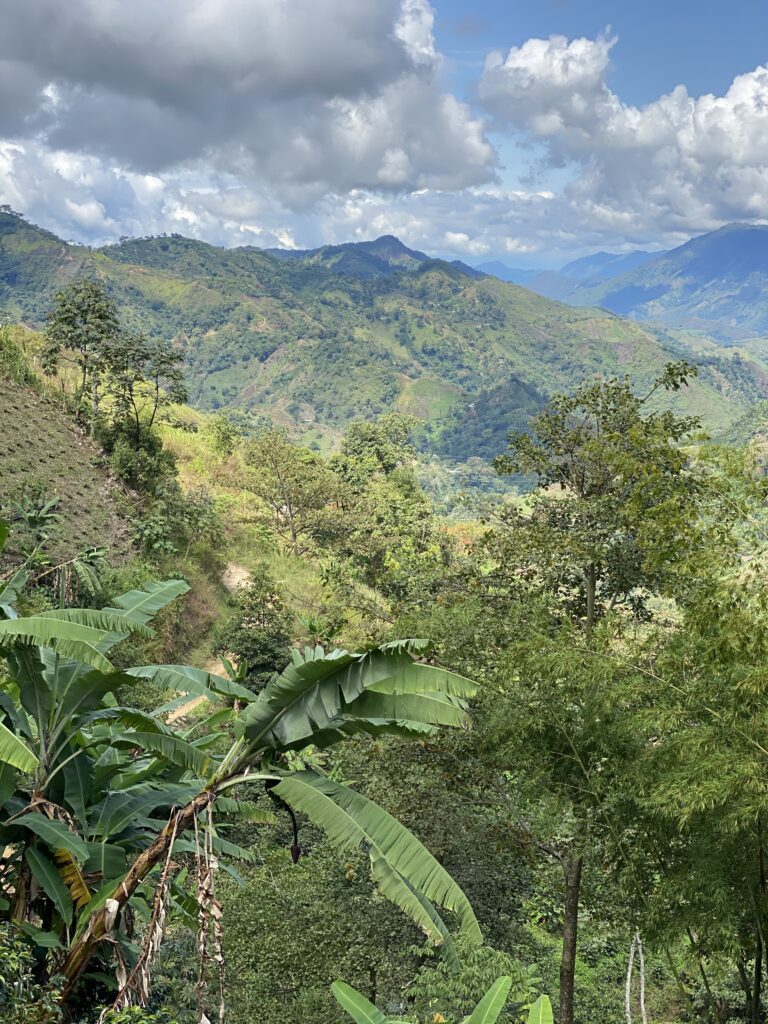
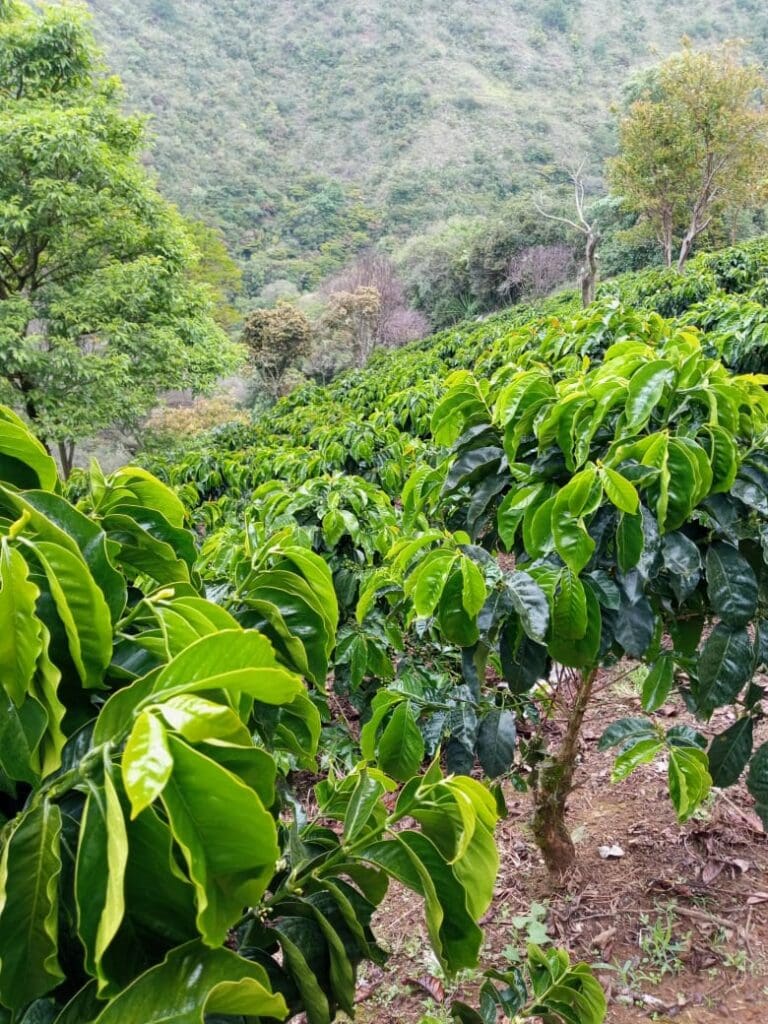
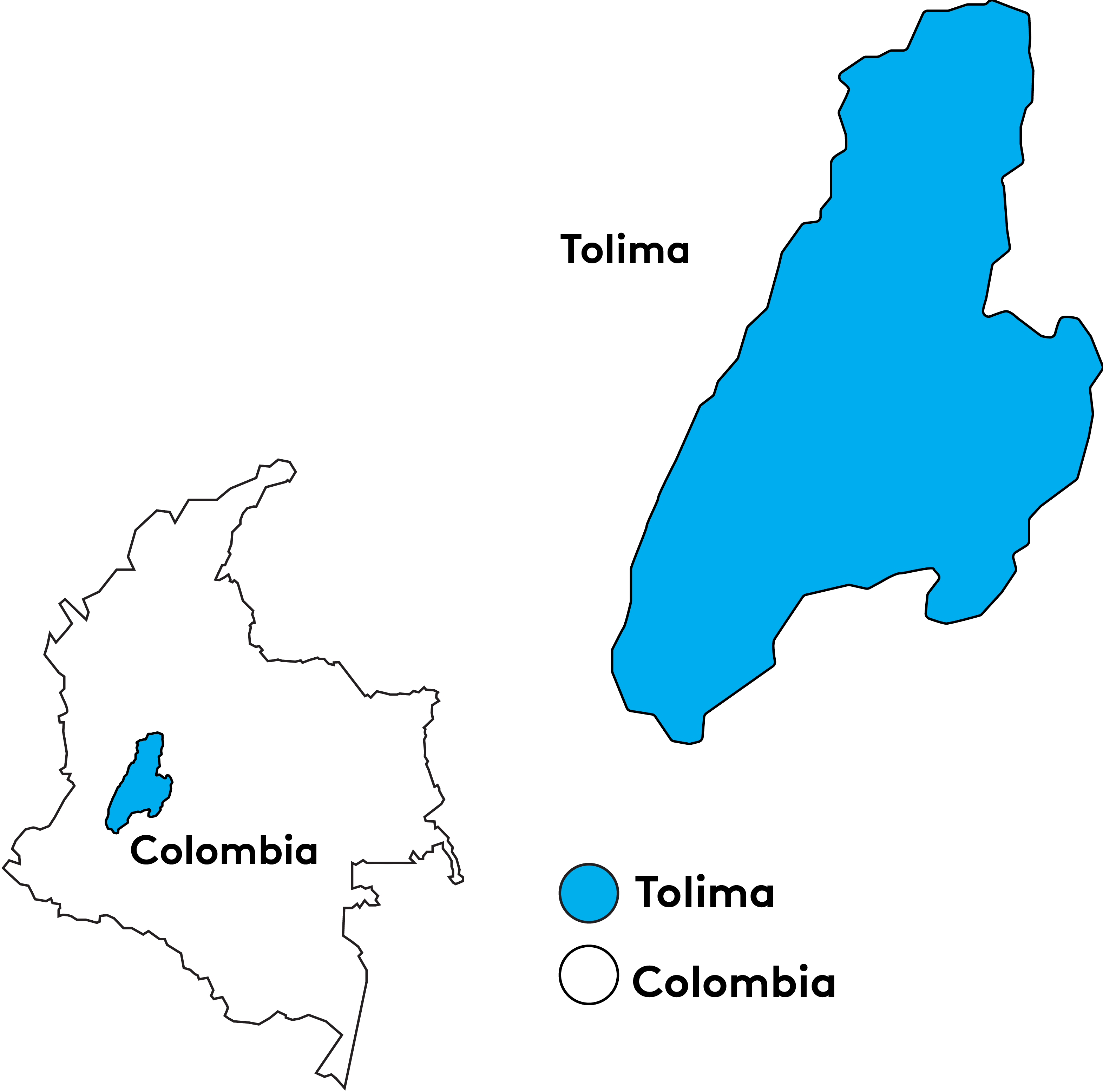
Pétalo Solar is produced by ASOCAFÉ de Alta Calidad La Orquídea, an association founded in 2014 and is composed of 81 farming families in Planadas, Tolima. Located approximately 1,890 meters above sea level, this region is characterized by volcanic and mineral-rich soils, diverse ecosystems, and a mountainous landscape that supports coffee cultivation throughout the year.
Through shared knowledge, technical programs, and standardized processing practices, ASOCAFÉ La Orquídea promotes responsible and sustainable agriculture while maintaining a strong focus on coffee quality. The association’s collaborative approach allows coffees such as Pétalo Solar to express the clarity, balance, and regional character that define this origin.
InConexus plays an integral role in this supply chain by providing specialized technical guidance, implementing traceability systems from farm to export, facilitating quality-focused training programs, and serving as a commercial bridge between producers and international markets. This partnership helps create stable market opportunities while preserving the identity and integrity of coffees produced in southern Tolima.
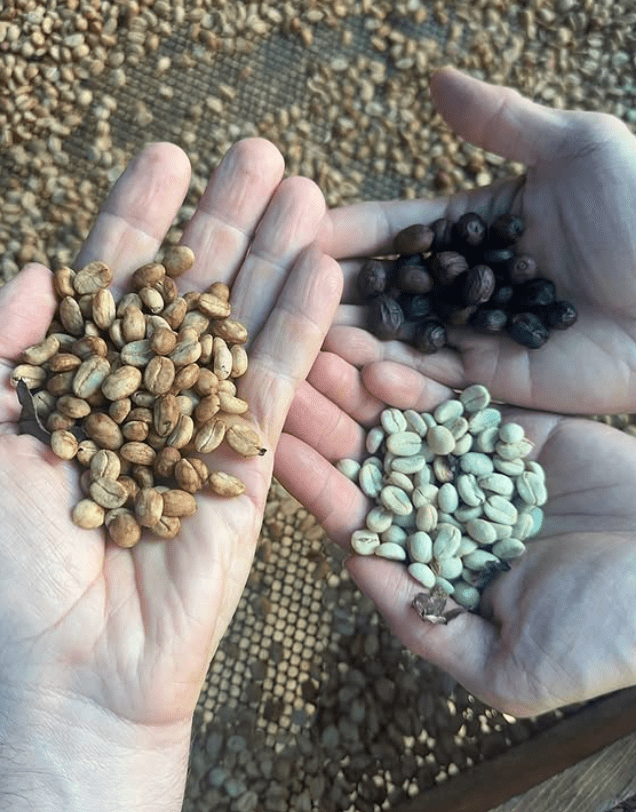
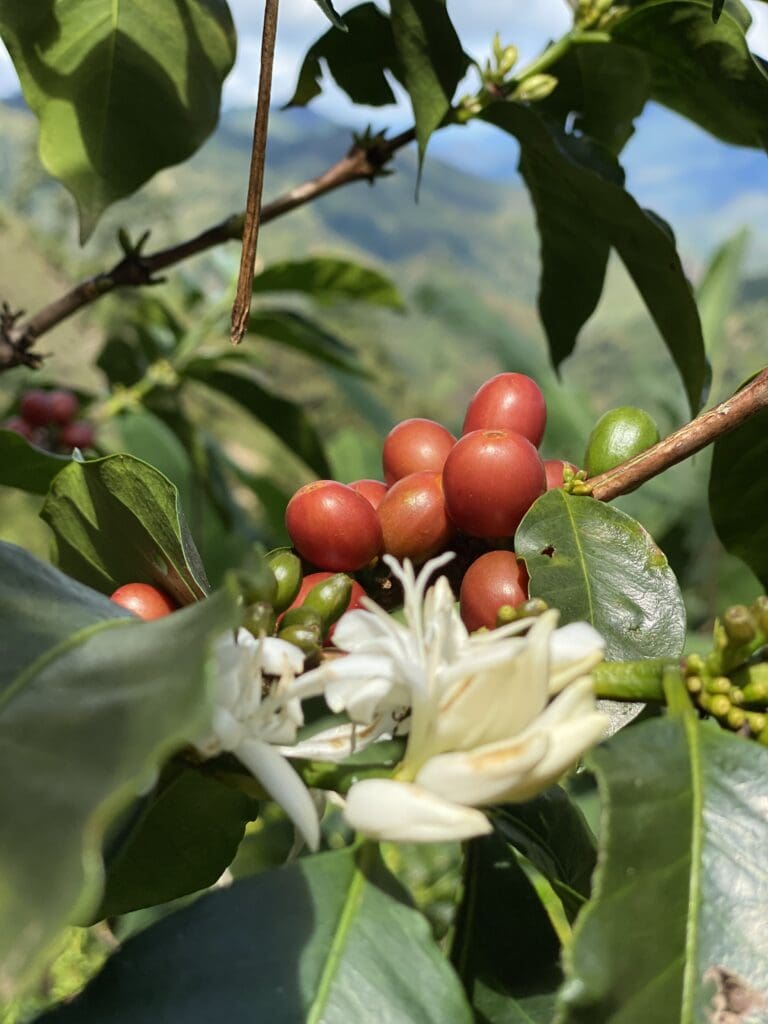
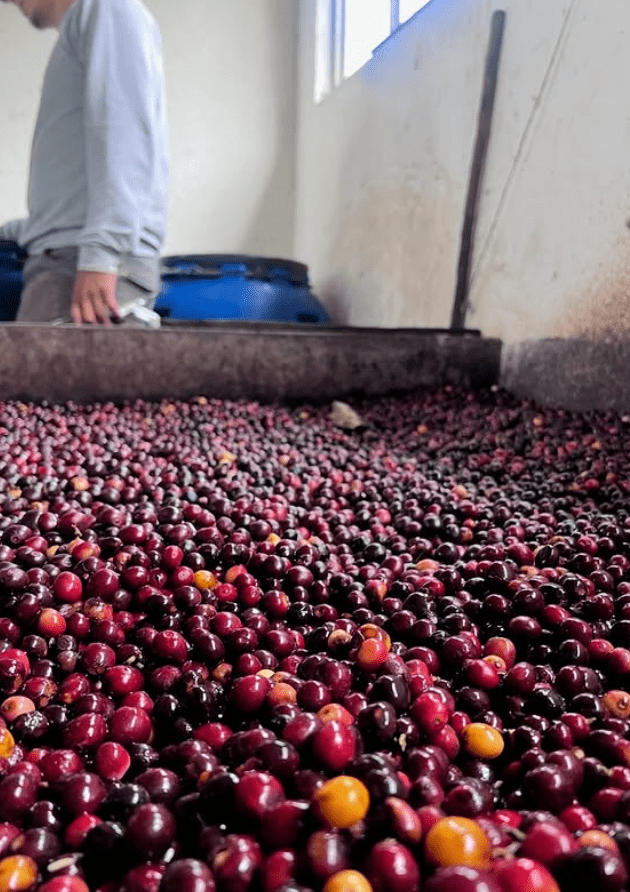
This lot was processed using the traditional washed method. Ripe cherries were selectively harvested and processed following standardized quality protocols established by the association. After processing, the coffee was dried under canopy conditions for approximately 7 to 9 days until reaching suitable moisture levels.
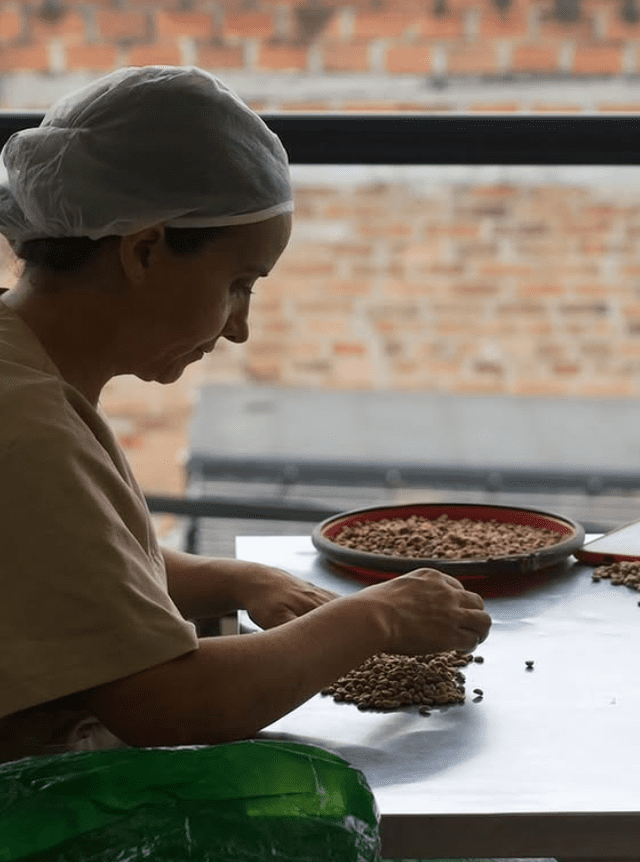
Throughout production, farmers focused on maintaining consistency and quality through careful cherry selection and post-harvest management. The result is a clean and balanced coffee that reflects both the terroir of Planadas, Tolima, and the collective efforts of the producers behind ASOCAFÉ La Orquídea.