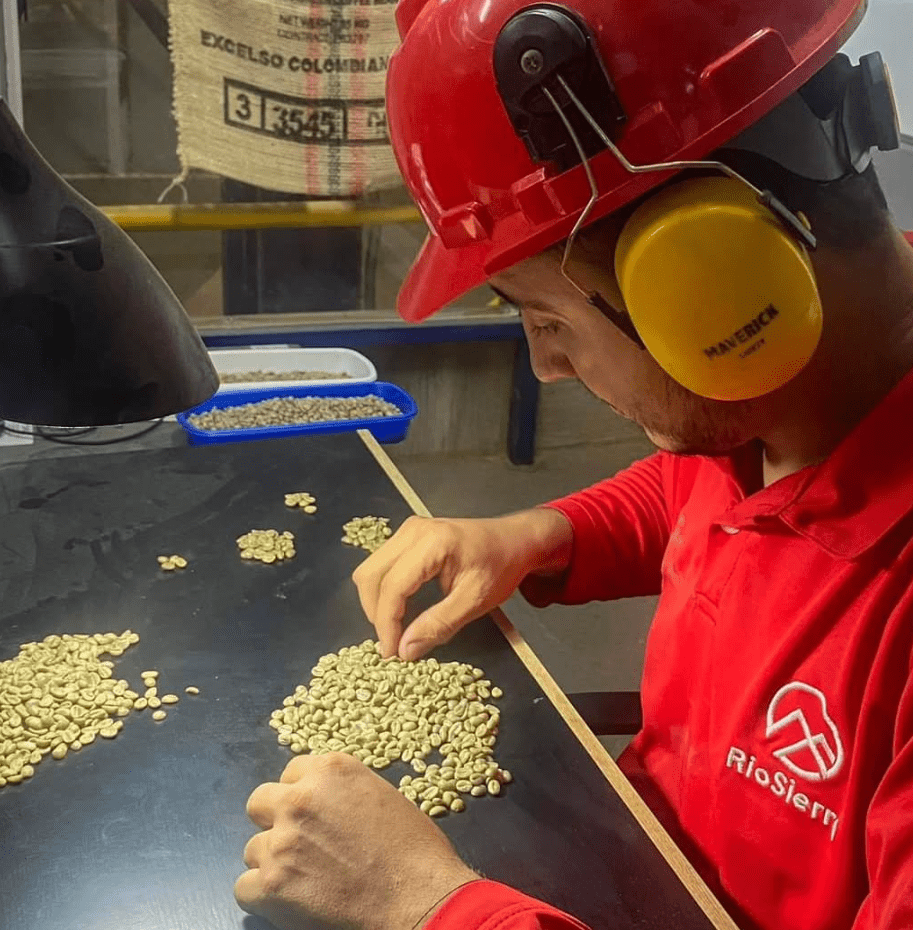
“Excelso” is a Colombian export grade defined by bean screen size, slightly smaller than Supremo, yet consistent in size and suitable for export markets. The “EP” stands for European Preparation, meaning that beans are hand‑sorted to remove defects and foreign material, ensuring clean, uniform lots.
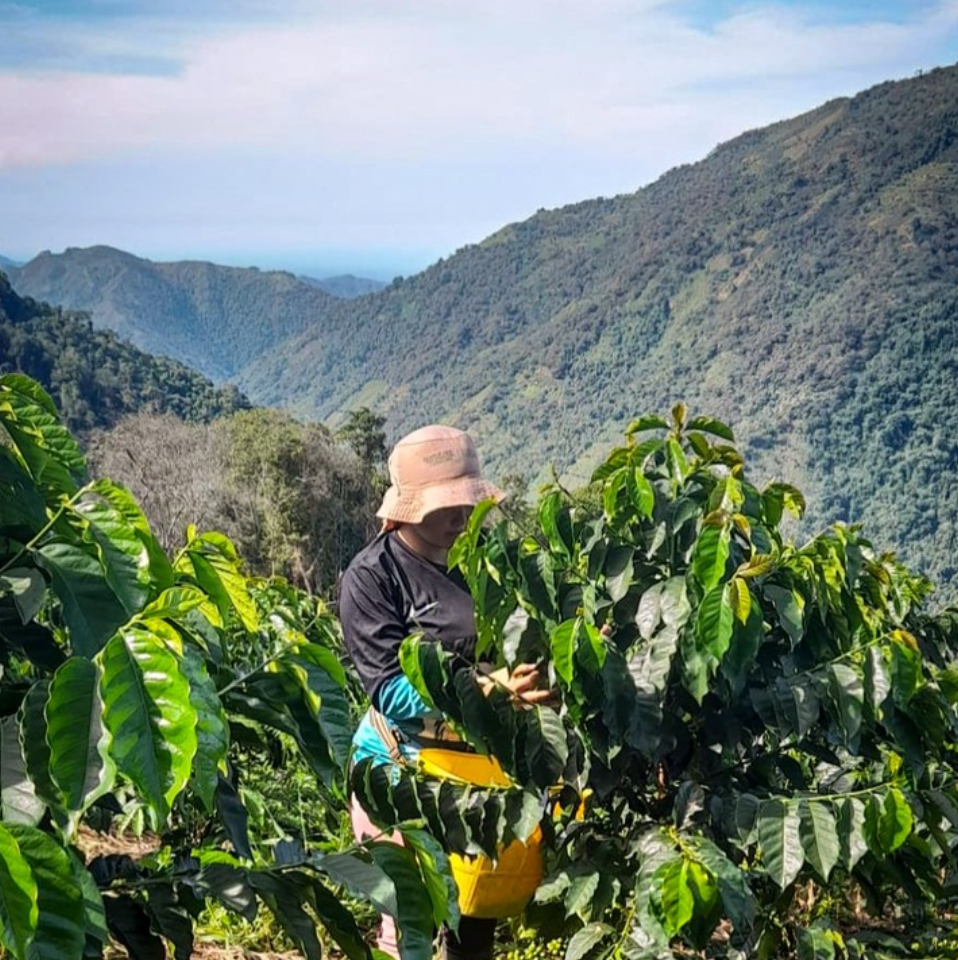
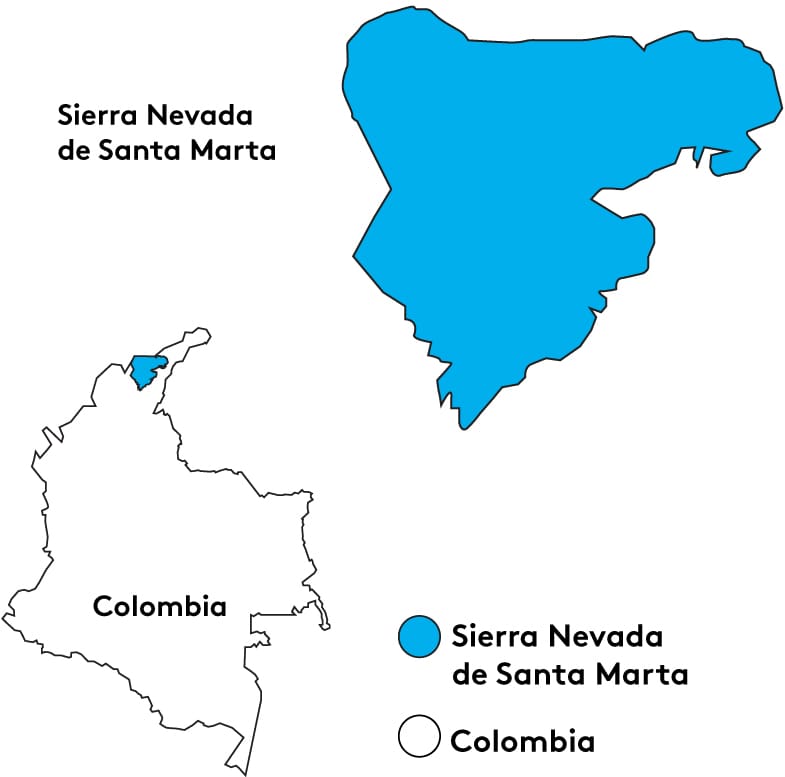
This coffee is fully washed using traditional wet‑mill methods, producing a clean, balanced cup profile. It is grown across the Sierra Nevada de Santa Marta, a unique region where the Caribbean Sea meets snow‑capped mountains. The microclimate, altitude, and coastal‑mountain geography give coffee a distinctive and globally recognized profile. Coffee cultivation in this region is carried out by Indigenous communities, who apply ancestral and traditional techniques throughout the production process.
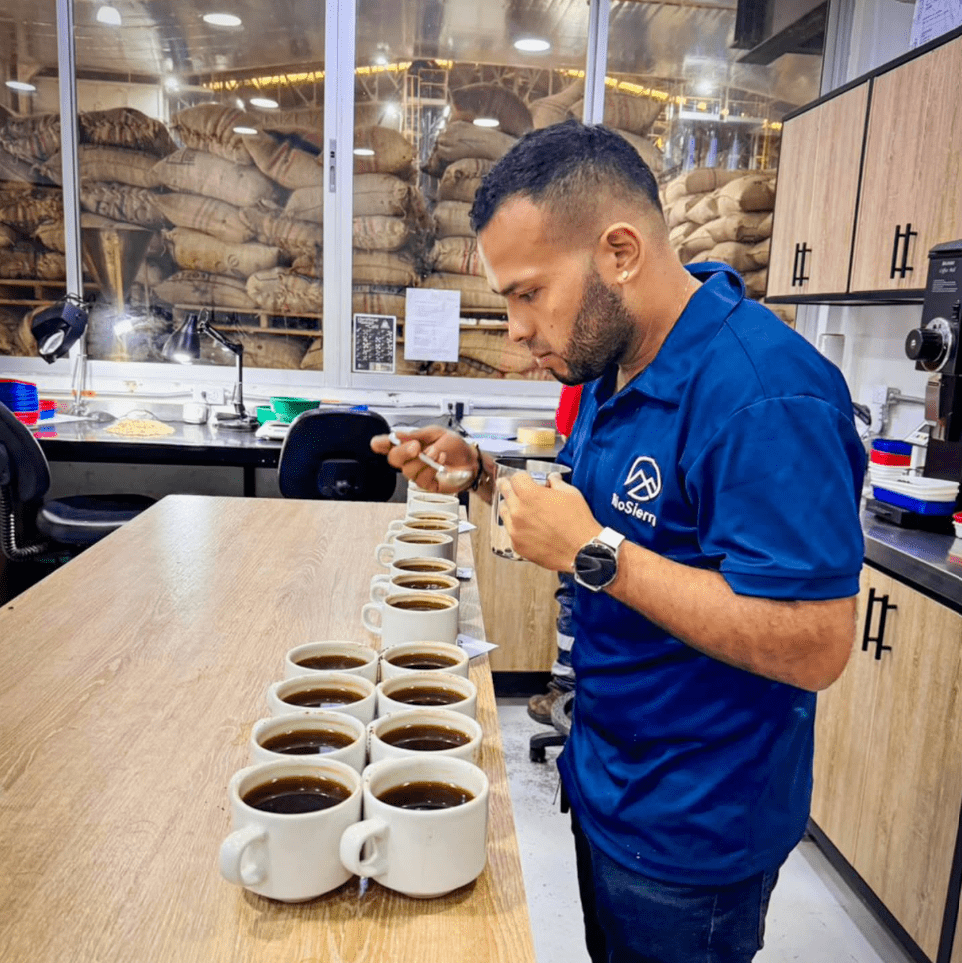
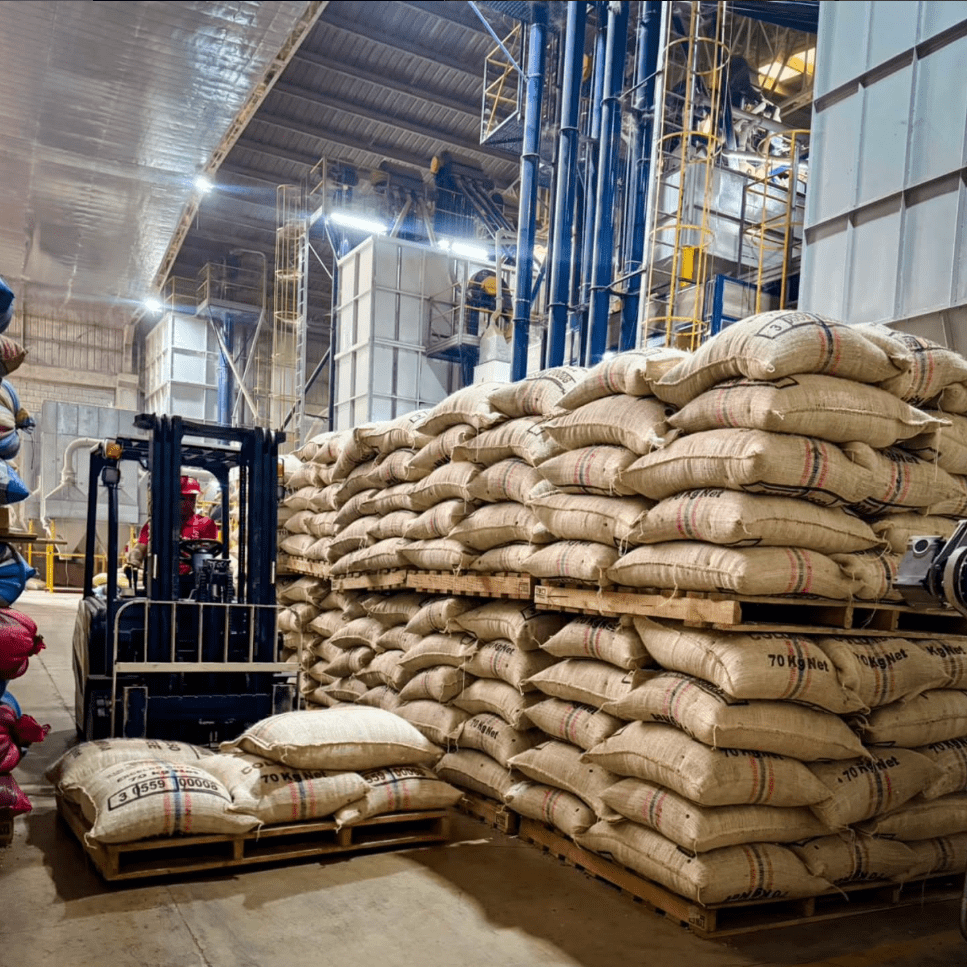
The lot comes to us through Rio Sierra, an initiative that promotes sustainable, traceable value chains. Rio Sierra supports agroforestry systems, works with local cooperatives, and operates a modern dry‑mill near the port of Santa Marta to ensure quality and export readiness.
This lot is directly tied to the Sierra Nevada de Santa Marta, offering roasters a coffee that combines consistent quality, regional identity, and the story of community, sustainability, and ancestral knowledge.