Farm info

This coffee comes to us through our partnership with In Conexus de Café, a Colombian company with over 20 years of experience connecting smallholder coffee farmers to specialty markets. The company works across 7 regions and 29+ farmer associations, providing technical support, training, and access to organic certification, while ensuring traceability and sustainable farming practices. 

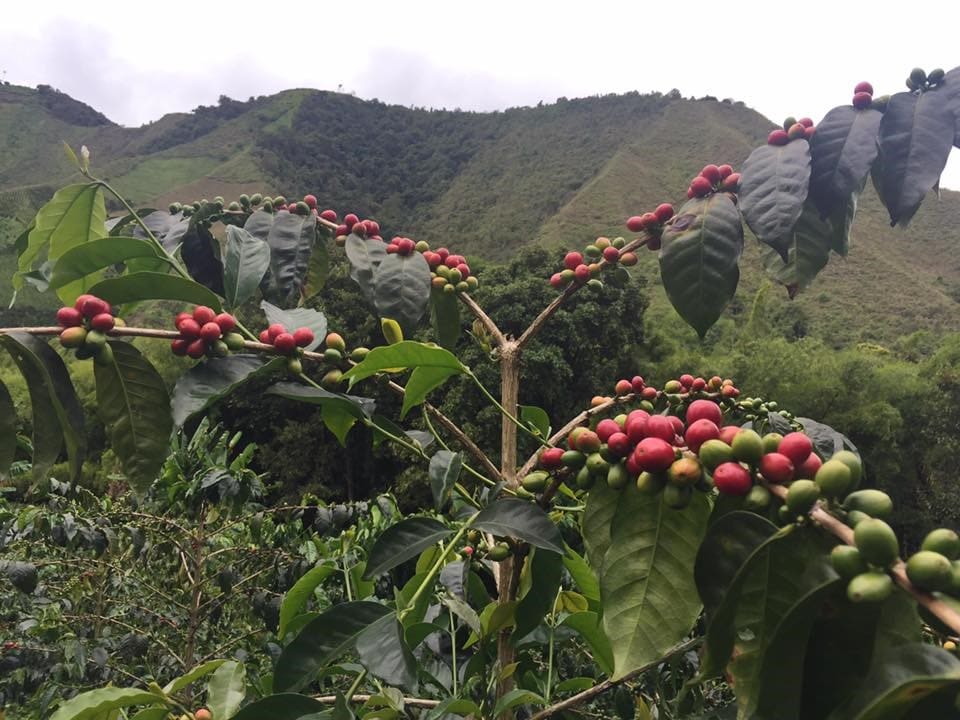
This Tolima blend aggregates lots from small farms at high altitudes, ranging from 1,600 to 2,400 meters above sea level, where volcanic soils, abundant rainfall, and diverse microclimates create ideal conditions for specialty coffee. Farmers carefully manage their plots using traditional and sustainable practices, avoiding synthetic chemicals and focusing on careful post-harvest processing to produce washed coffee that meets high-quality standards. 

By sourcing these smallholder producers, we support communities across Tolima, enabling them to access international specialty markets while preserving their traditional cultivation methods. This blend reflects both the diversity of the region and the commitment of its farmers to sustainable and organic coffee production, delivering a truly traceable and responsibly sourced cup.

This lot underwent washed processing, following traditional Colombian methods. Ripe cherries were carefully hand-picked, then pulped to remove the outer skin. The beans were fermented in water for 12–36 hours, allowing natural enzymatic reactions to develop clean flavors. After fermentation, the beans were thoroughly washed and sorted, then spread out to dry on patios or raised beds under the sun, with frequent turning to ensure even drying. 

Throughout the process, farmers maintained strict quality control, ensuring that only fully ripe, defect-free beans were included. This careful approach highlights the clarity and balance typical of Colombian washed coffees, while honoring the traditional practices passed down through generations. 
 

Region

Tolima

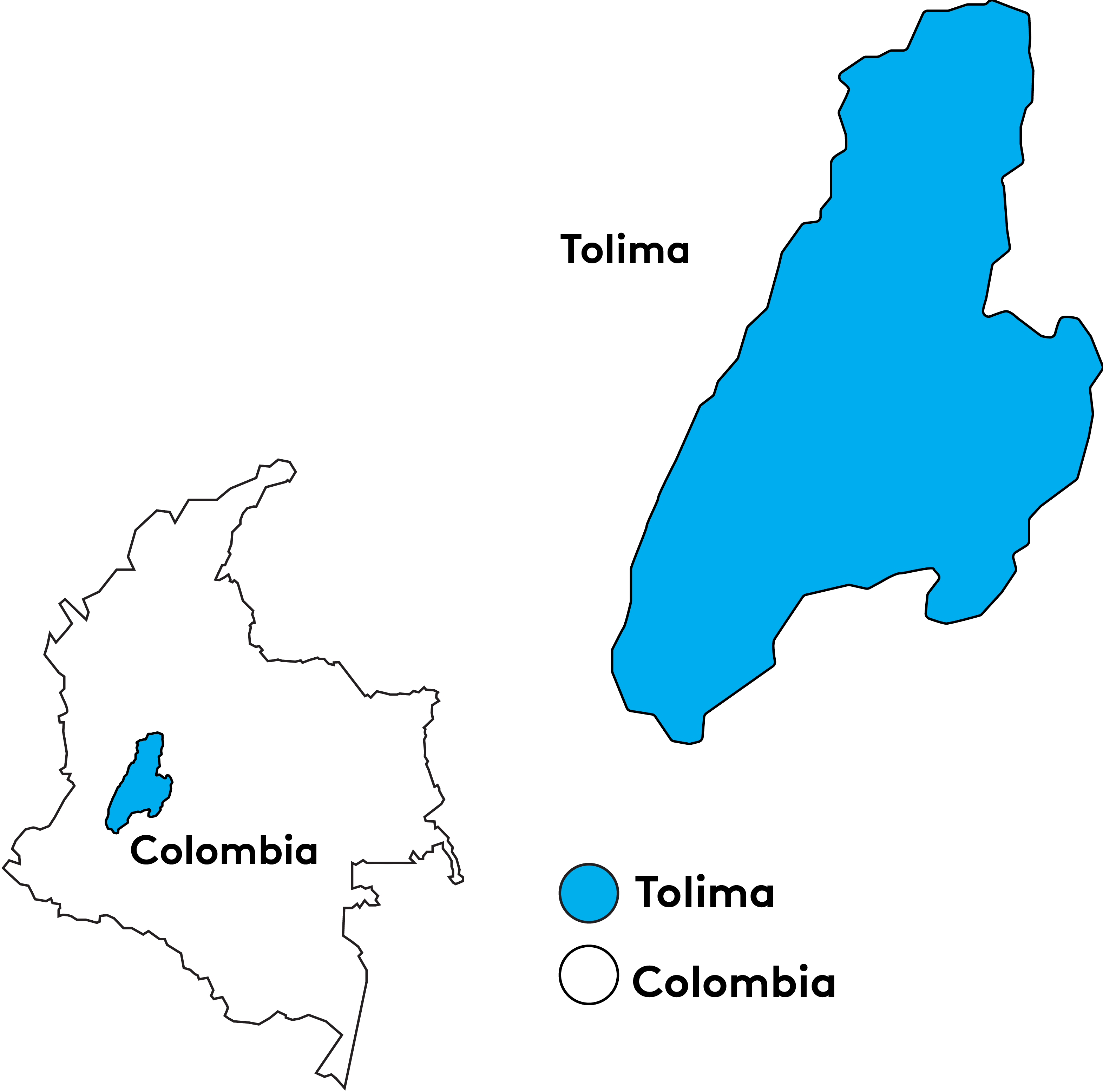
The Colombian Department of Tolima is nested in the heart of Andean region in the center-west of the country. The department ranks first in Colombia in the production of rice and sesame. Farmers here also grow coffee, corn, bananas, sugarcane, and beans. Livestock, particularly cattle and pigs, is quite common in the northwest and center-east valleys along the Magdalena River and its basins. 32 of Tolima’s 47 municipalities are dedicated to coffee production.

Tolima’s capital city of Ibagué, also known as “Musical capital of Colombia and America” is surrounded by the mountains and enriched with water resources stretching along the Magdalena River Valley to the east of the Department. Tolima is traversed by highways and railroads, linking Ibagué with Bogotá, Armenia (Quindio), and Neiva (Huila). 

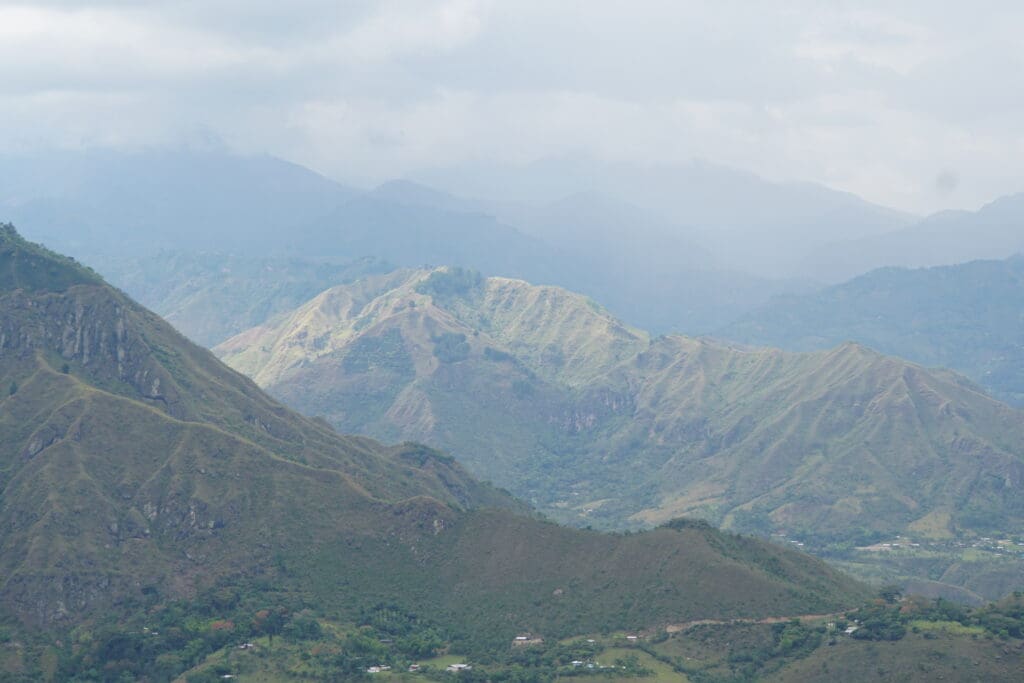
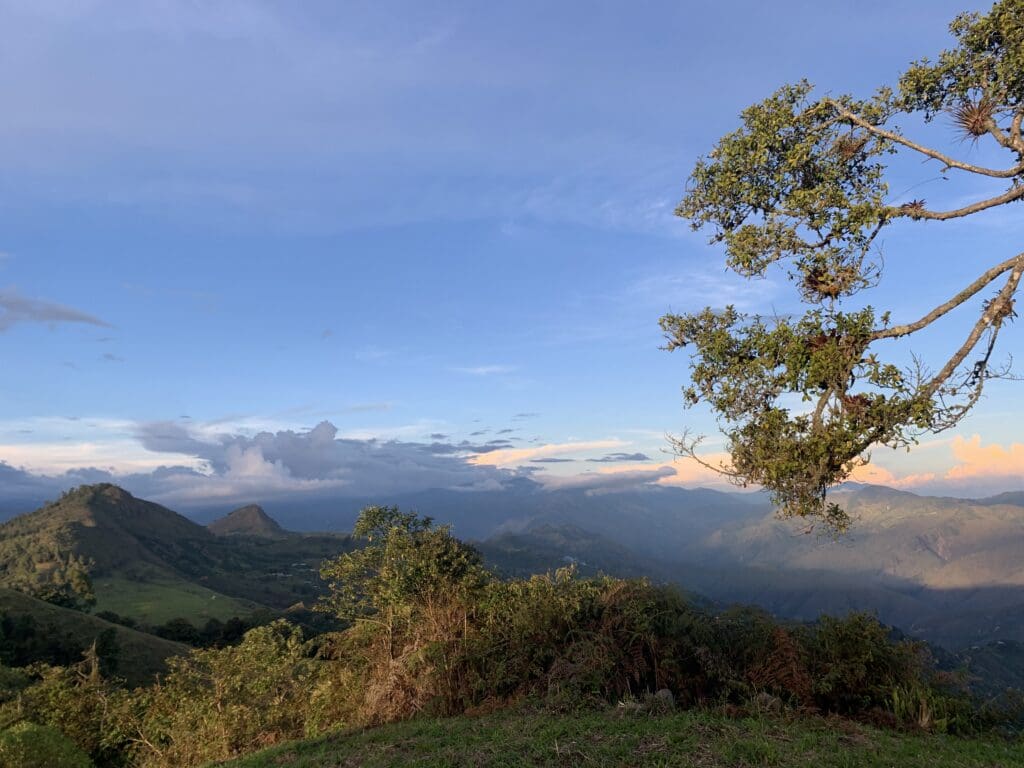
The geographical location, topographic diversity, and range of altitudes make Tolima one of the most favorable and unique departments for coffee production, allowing for harvesting throughout the year. Coffee farms are scattered on the mountain ranges of Santa Marta, La Macarena, and the western slopes of the eastern Cordilleras. Farms here are predominantly smallholder owned, and the farmers have made concerted efforts in the last ten years to produce specialty coffee that reveals the full character of the region’s terroir. The organic approach to coffee cultivation in Tolima is well-known and highly demanded around the world. Certifications like Fairtrade, Organic, Rainforest Alliance, UTZ, and Bird Friendly can be found throughout the region. Selective manual harvesting, attentive processing, and careful post-harvest sorting all contribute to the growing recognition of Tolima as a coffee producing region. 

Tolima’s coffee sector has attracted numerous financial and educational resources over the past several years. State and private owned organizations have invested with social and economic programs throughout the region, strengthening the potential for sustainable coffee production and improving the livelihoods of thousands of families.