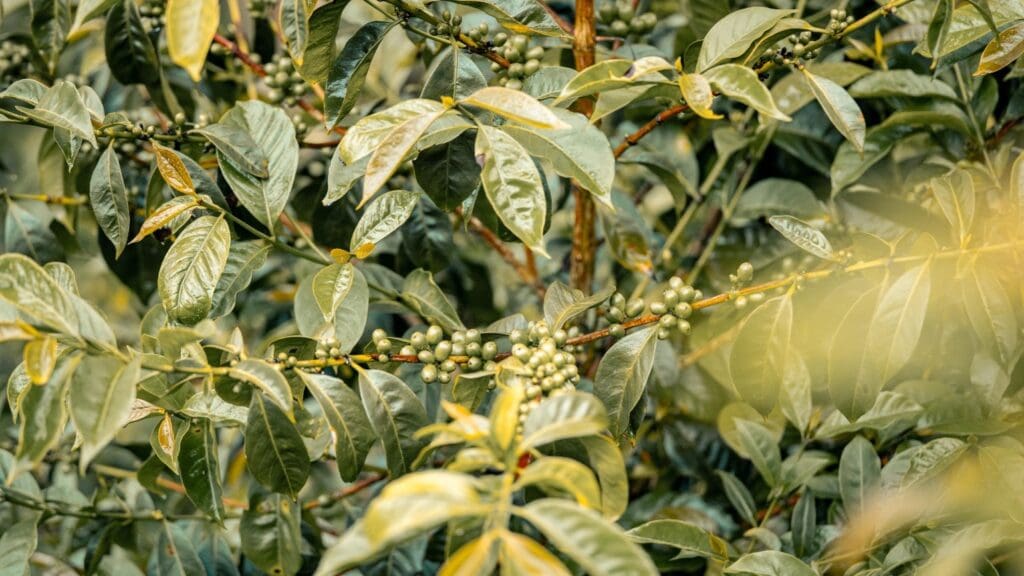
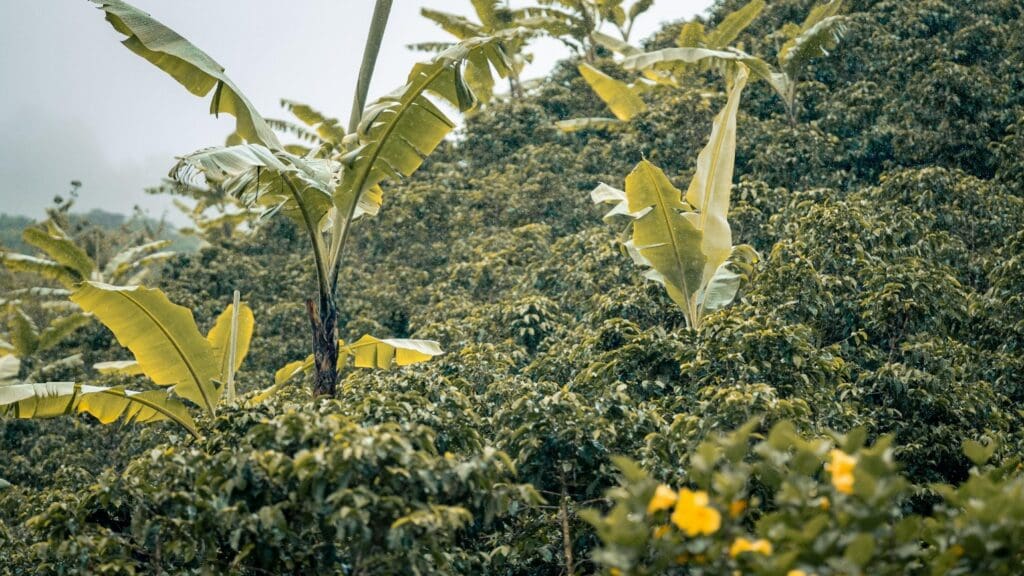
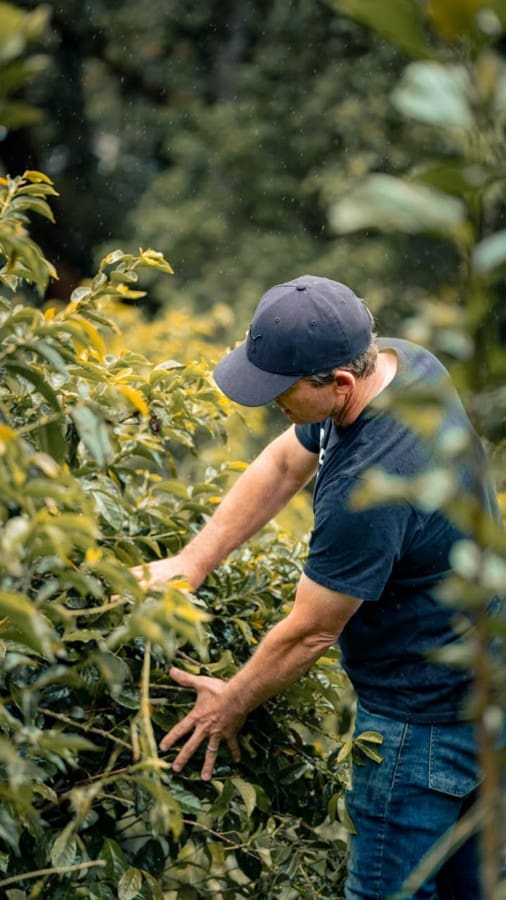
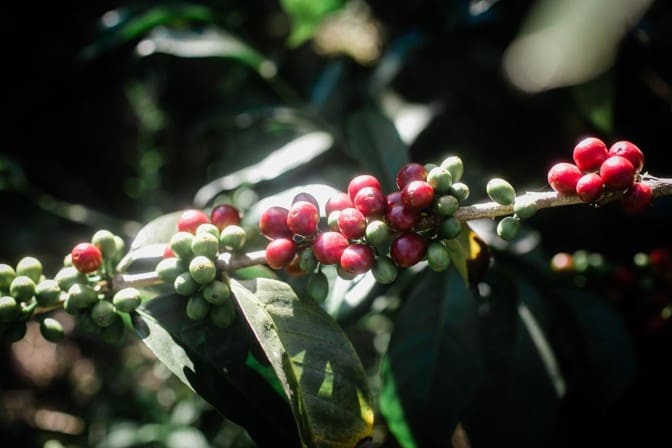
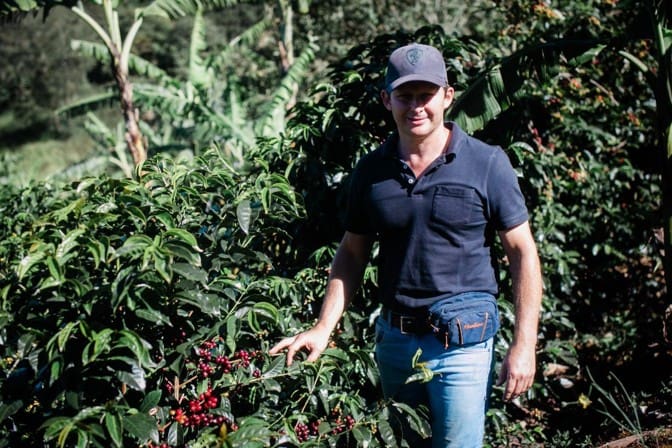
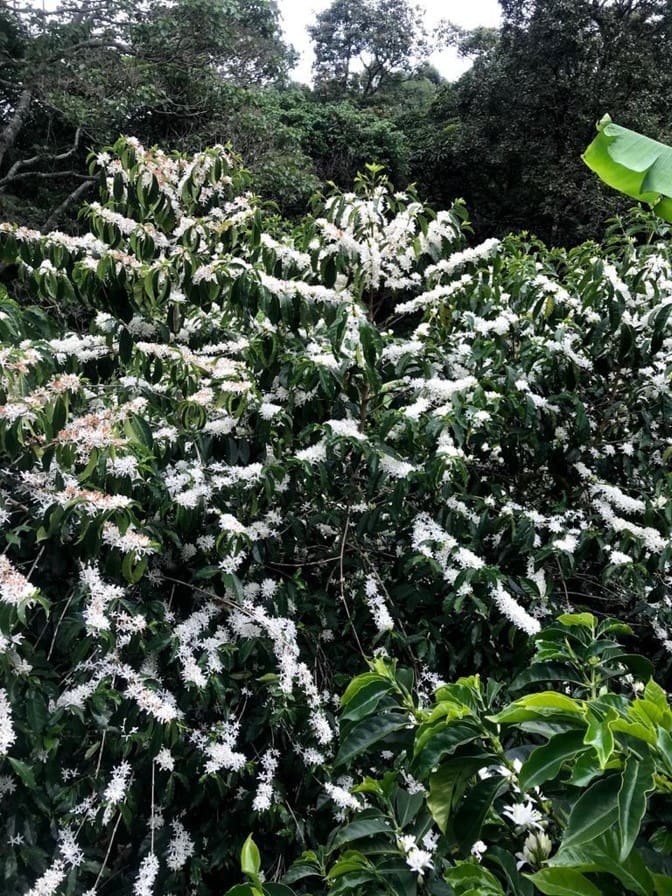
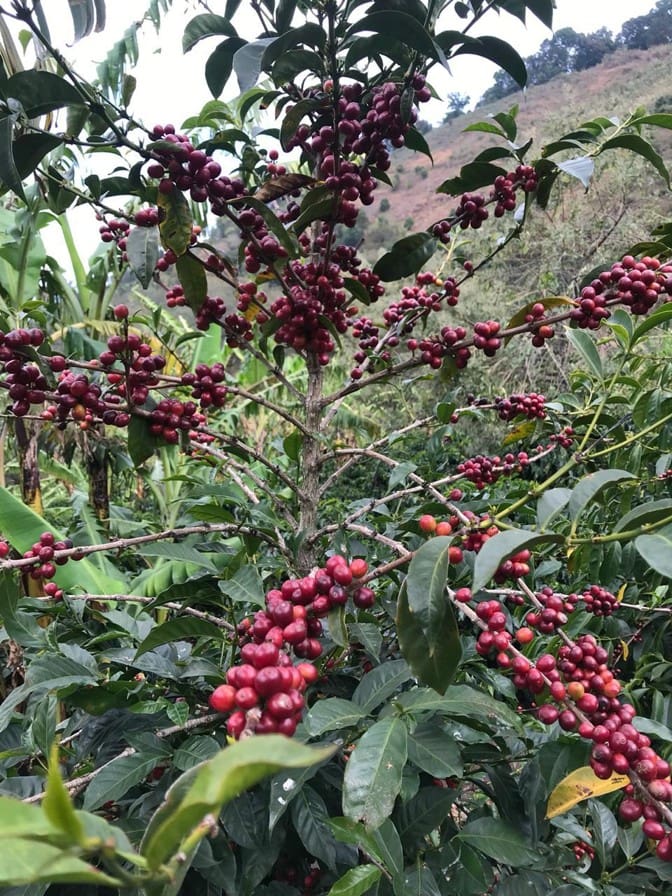
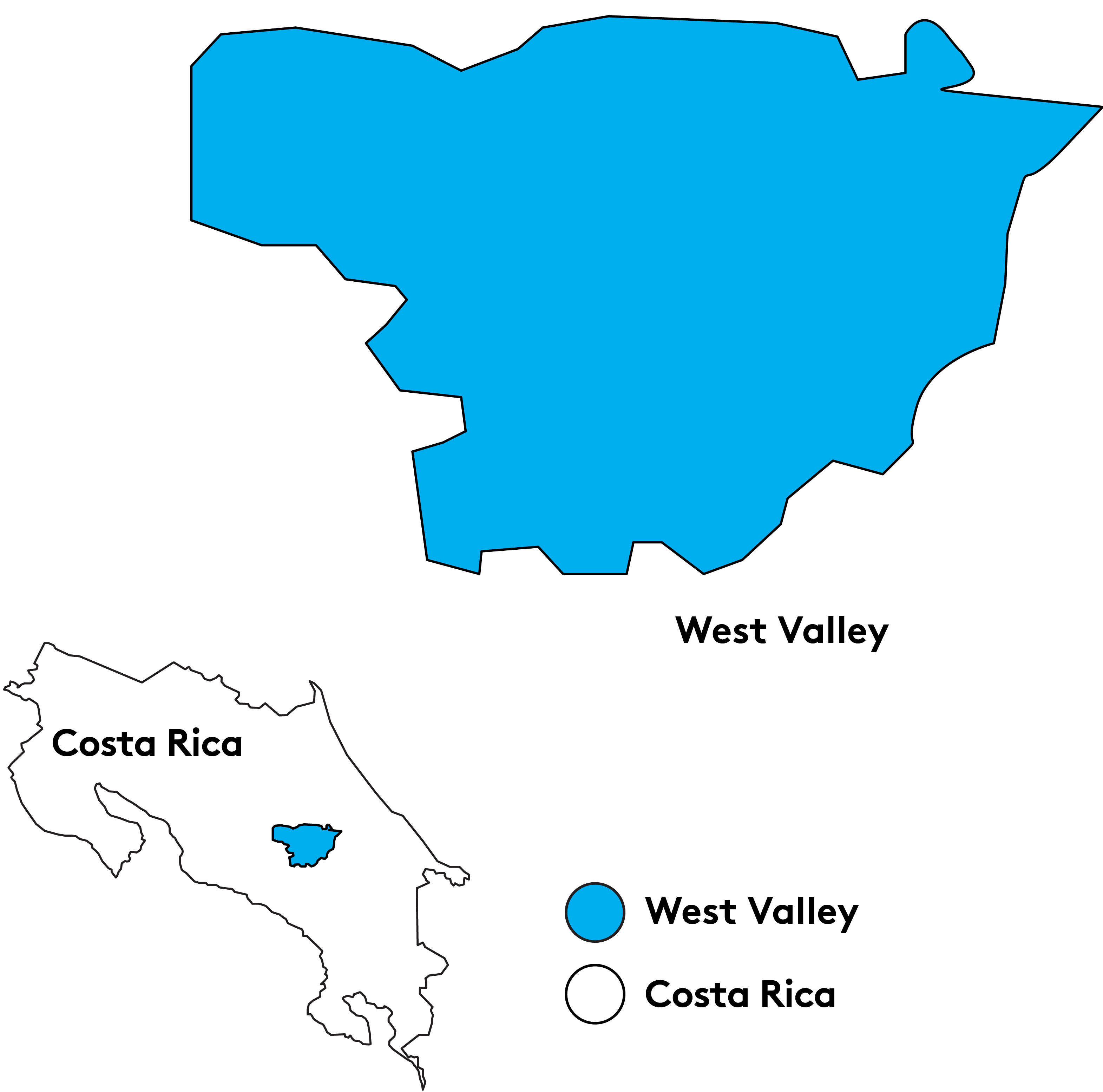
Finca Las Margaritas 26 reflects more than a century of coffee-growing tradition in the highlands of Santa María de Dota, Costa Rica. Managed by a fourth-generation coffee-growing family, the farm is rooted in a legacy that has been passed down through generations, where coffee has long shaped both daily life and the surrounding landscape. Growing up among the coffee trees fostered a deep connection to the land and inspired the family’s continued commitment to producing high-quality coffees.
Situated between 2,000 and 2,100 meters above sea level, the farm benefits from the cool climate and high elevations that have made the Dota Valley one of Costa Rica’s most recognized coffee-producing regions. These conditions support slow cherry maturation, contributing to coffees with remarkable clarity, complexity, and structure.
To strengthen quality and traceability, the family established its own micro mill, allowing them to oversee every stage of post-harvest processing while preserving the unique character of each lot. Guided by a long-term commitment to sustainable farming, Finca Las Margaritas 26 combines careful stewardship of the land with meticulous processing practices, continuing a family tradition while producing coffees that reflect the distinctive terroir of Santa María de Dota.
PROCESS DESCRIPTION
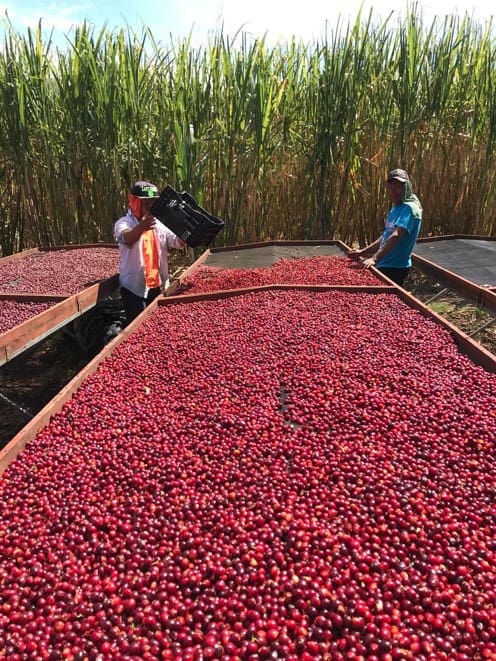
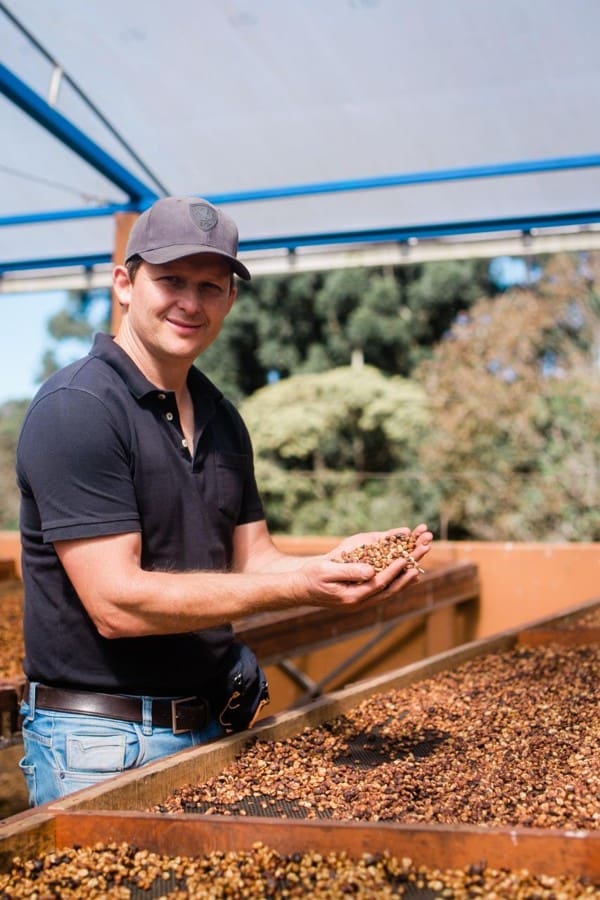
This Milenio lot is processed using the Honey method at Las Margaritas 26, beginning with the selective hand harvest of fully ripe cherries to ensure consistent quality. After harvest, the cherries are depulped while retaining a portion of the mucilage, allowing the remaining sugars to influence flavor development throughout drying. Although the farm produces several Honey styles, Black Honey is the process most commonly practiced at Las Margaritas 26.
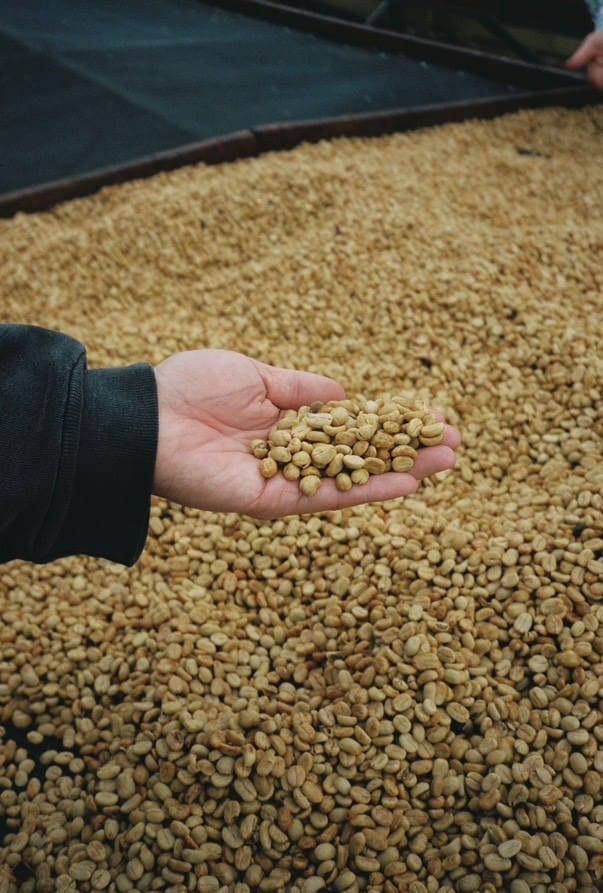
The coffee is then dried on raised African beds for approximately 22 days, where it is turned regularly to promote even drying and maintain stability throughout the process. As the coffee dries with its mucilage intact, it develops enhanced sweetness, texture, and cup complexity.
Once the target moisture content is reached, the parchment coffee is rested for approximately two months to stabilize before milling, sorting, and packaging. This careful approach to processing helps preserve the distinctive floral character and elegance of the Geisha variety while supporting a balanced and expressive cup profile.