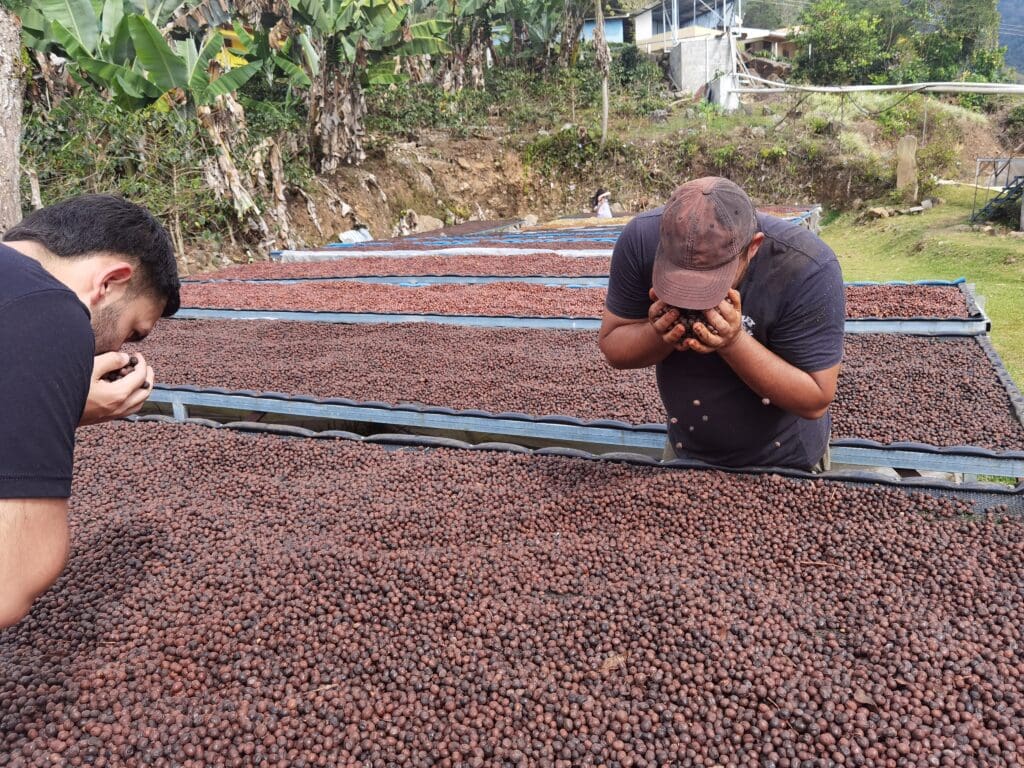
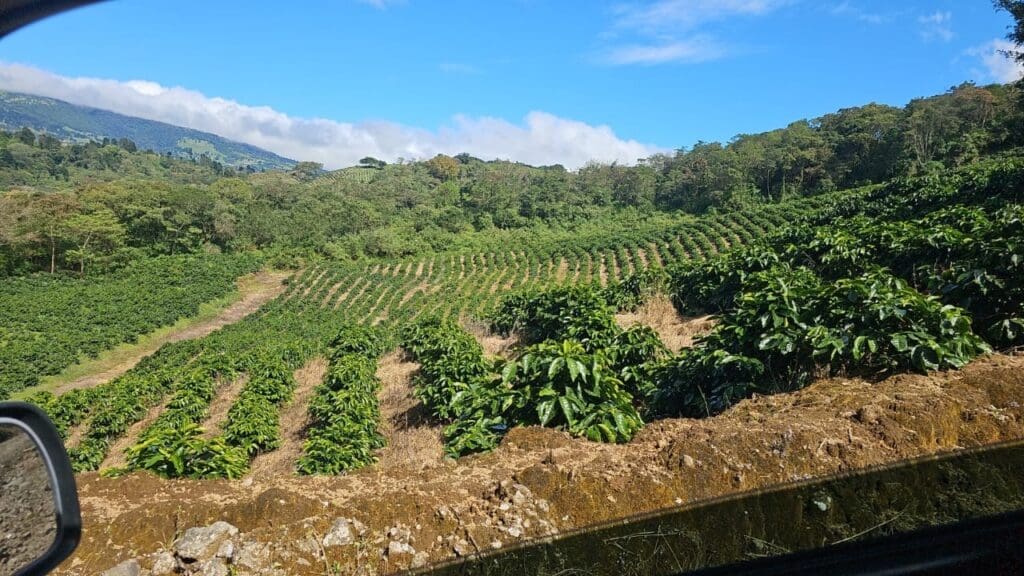
Finca Las Anonas is part of the Don Senel coffee project in Costa Rica, led by producer Senel Campos and his son Allan. The family’s coffee history dates back to 1968, when Senel’s father planted the first coffee trees on their original farm, Finca La Toboba. Today, Senel and Allan continue this legacy through a growing production and processing operation focused on quality, innovation, and traceability. Finca Las Anonas was acquired by the Campos family in 2007, and coffee was first planted on the farm in 2010. The farm was initially planted primarily with Catuai and Caturra. However, as the effects of climate change and the diseases associated with changing environmental conditions have increased, the family has gradually introduced other varieties with the aim of adapting production to these challenges. Today, Las Anonas includes Catiguá with F1, hybrids, and SL28, as well as a small plot of Arará that is currently being evaluated for its adaptation to the farm’s conditions.
Located at the foot of Cerro Chirripó, the highest mountain in Costa Rica, Finca Las Anonas sits at elevations ranging from approximately 1,700 to 1,850 meters above sea level. The high elevation and mountainous environment provide favorable conditions for slow cherry maturation and the development of complex flavors. The farm’s location also offers an opportunity to evaluate different varieties and their performance under challenging high-altitude conditions.
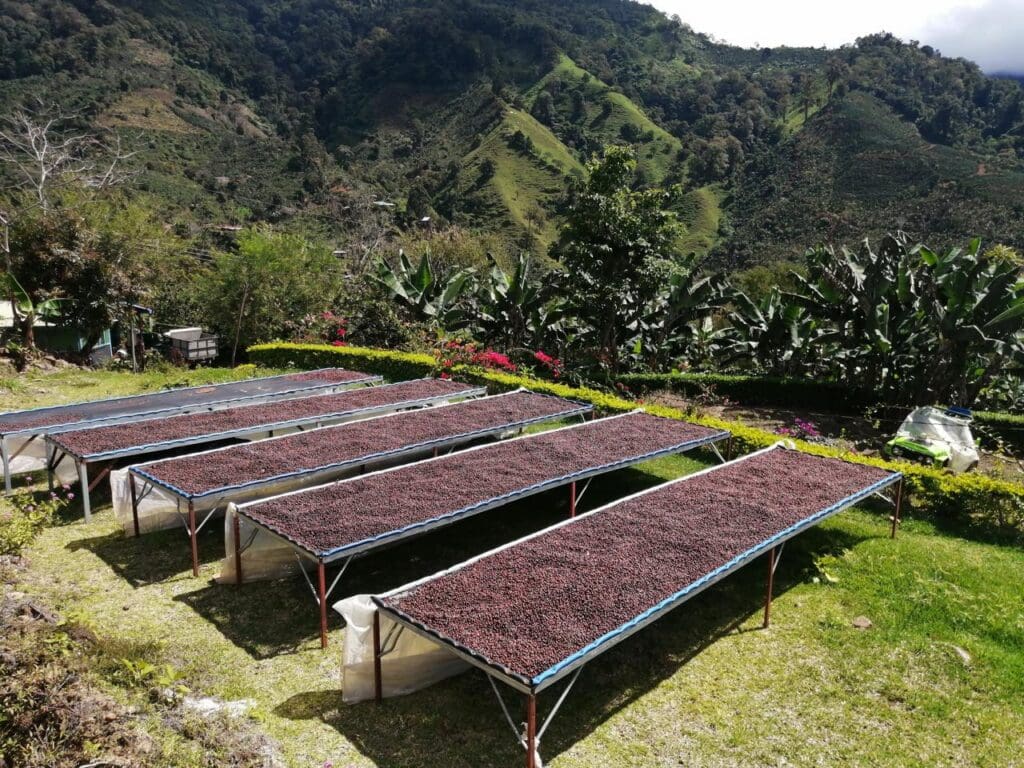
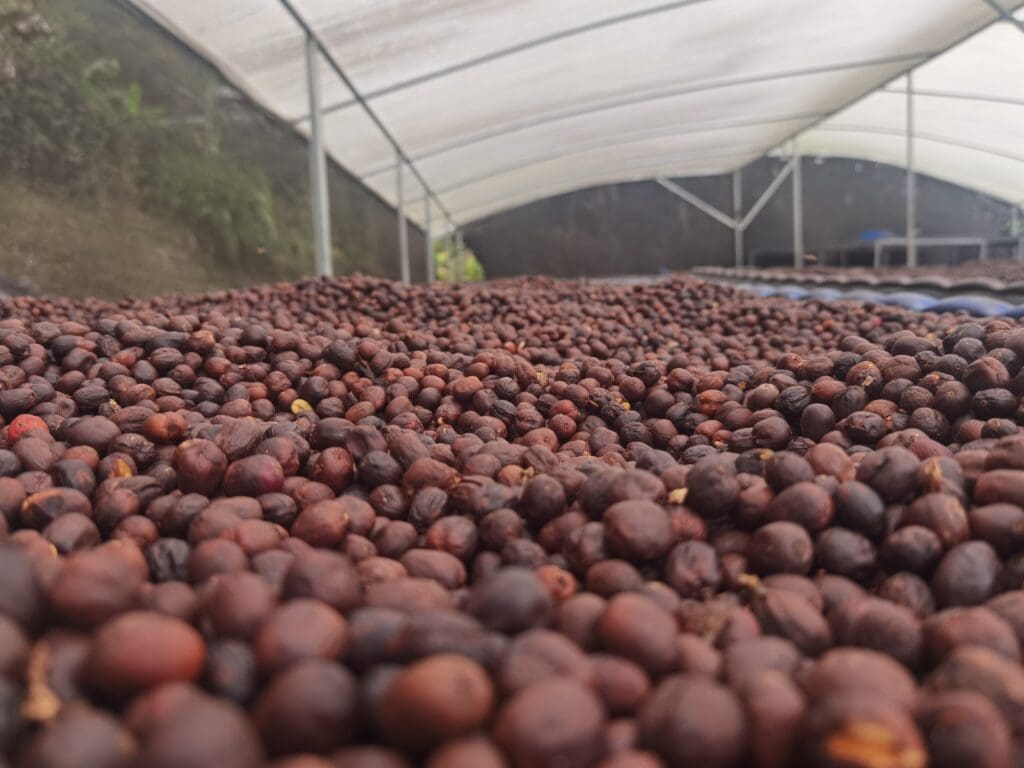
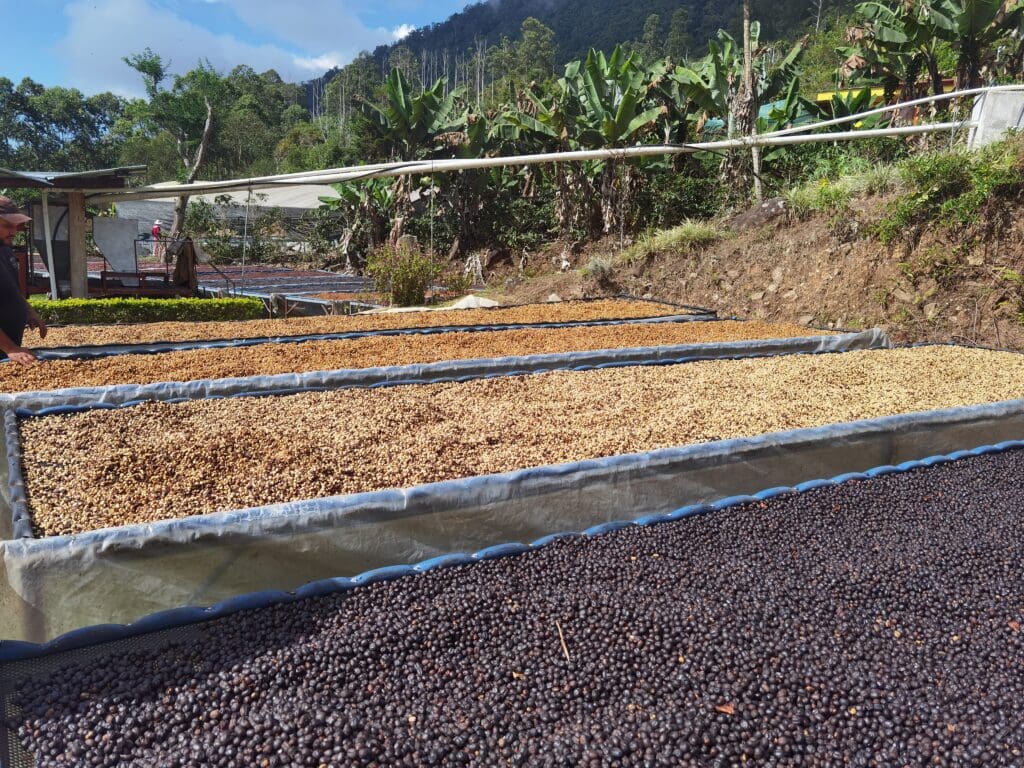
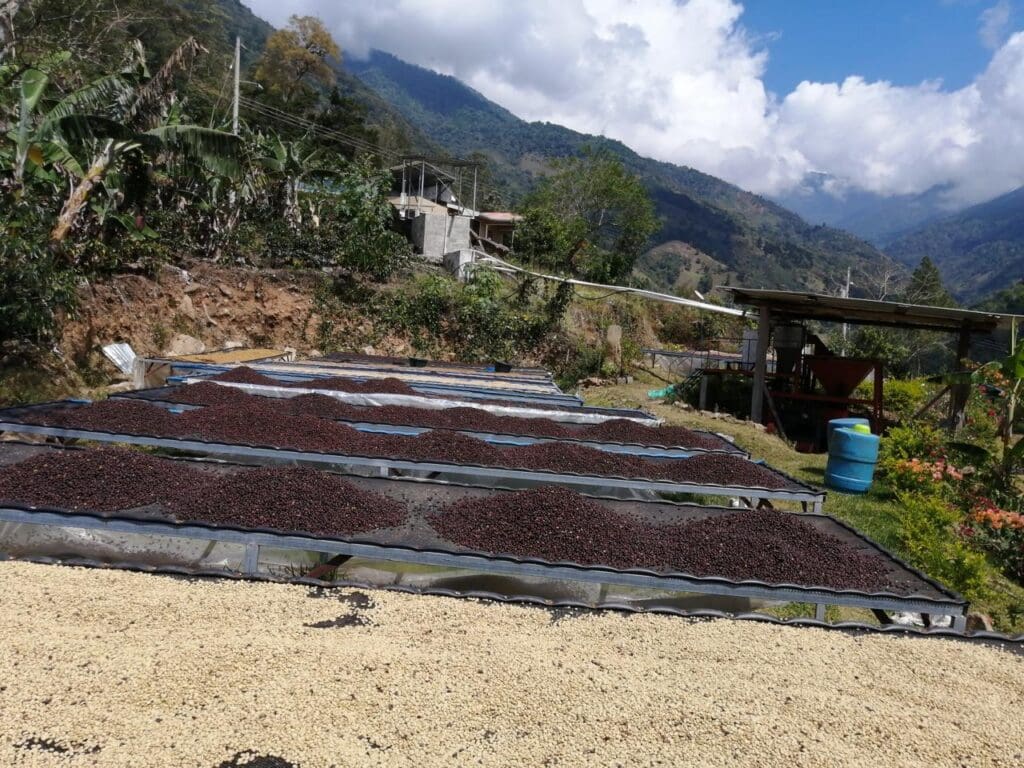
All coffees from Finca Las Anonas are processed at Don Senel Micromill, where Senel and Allan oversee every stage of production. Over time, the mill has evolved from its early, low-tech beginnings into a more structured and equipped facility, featuring raised drying beds, greenhouse drying areas, and modern processing tools. Fermentation and drying are carefully managed, including the use of measurements such as pH and Brix to better understand and guide flavor development.
Through Finca Las Anonas, the Campos family continues to build on a multi-generational coffee tradition, combining experience, varietal experimentation, and technical precision to adapt to changing environmental conditions while producing expressive and traceable coffees.
This lot of Catigua underwent a Natural Reposado process. The process begins with Brix measurements taken the day before harvest to assess cherry maturity. Once harvested, the coffee is delivered to the processing plant, where floaters, soft cherries, and other lower-quality fruit are removed. The selected cherries are then placed on raised drying beds for an initial drying stage of approximately two days. The coffee is subsequently placed in bags inside jute sacks and exposed to a controlled thermal shock in the greenhouse, where temperatures can reach 40–45°C for approximately three days. After this initial thermal stage, the coffee is returned to the drying beds for another four to five days. This gradual transition helps reduce the intensity of the thermal shock before the coffee is moved to the warehouse for a 10-day resting period at temperatures between 18 and 20°C.
During this resting stage, the coffee is allowed to stabilize, helping ensure that fermentation develops more evenly throughout the lot. After resting, the coffee returns to the drying beds for a slow final drying stage, with temperatures maintained around 25–28°C. Depending on weather conditions, the complete drying process can take between 35 and 40 days, with the coffee dried entirely under natural sunlight.