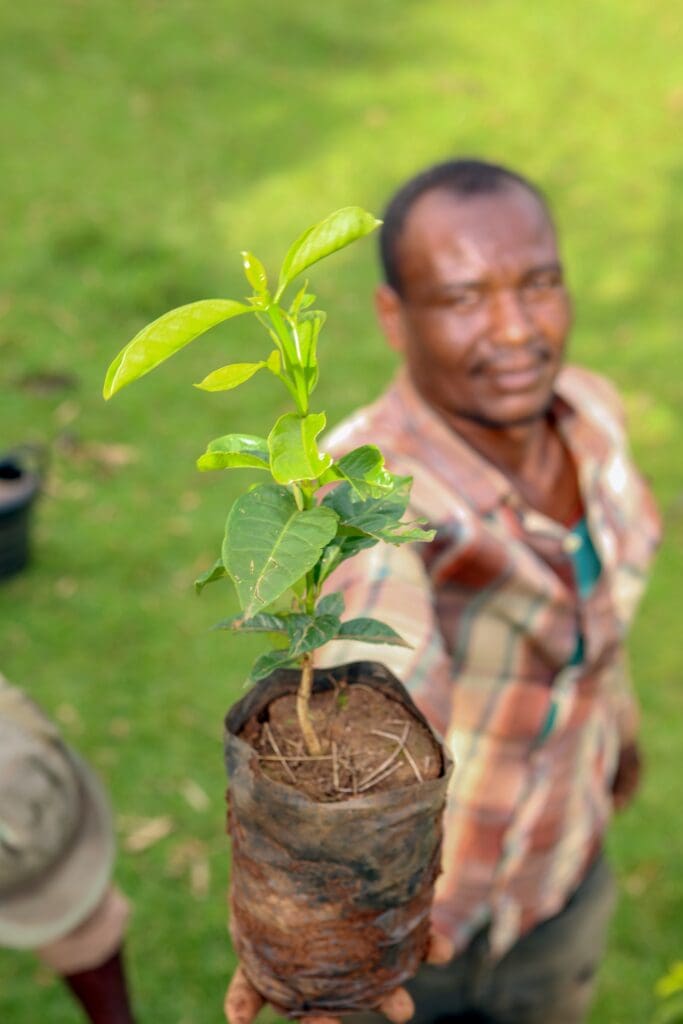
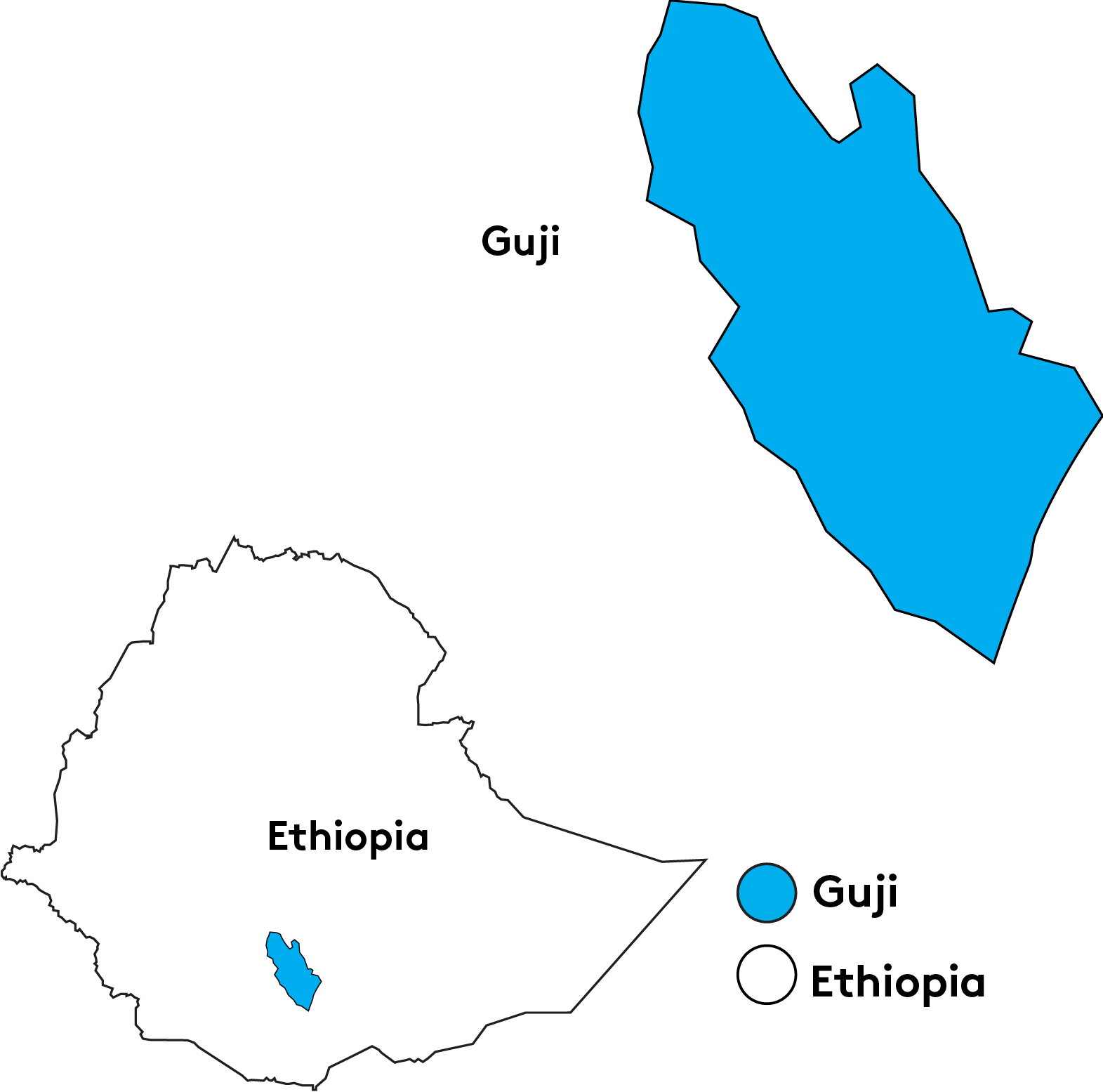
In the highlands of Guji–Shakisso, where coffee cultivation is still a relatively young tradition, Haji Bule has established his own 40-hectare coffee farm at 1,950–2,100 metres above sea level.
The farm is surrounded by semi-forest and original forest, creating a unique environment for coffee cultivation. Haji Bule grows improved coffee varieties developed by the Jimma Agricultural Research Institute in 1974, known for their combination of quality and productivity.
Since the 2025/26 harvest, Bette Buna has had the opportunity to work alongside Haji Bule by purchasing his parchment.
As coffee cultivation continues to develop in Guji, this partnership represents the beginning of a relationship built on trust, collaboration, and a shared appreciation for the unique coffees emerging from this young coffee-growing region.
Process description:
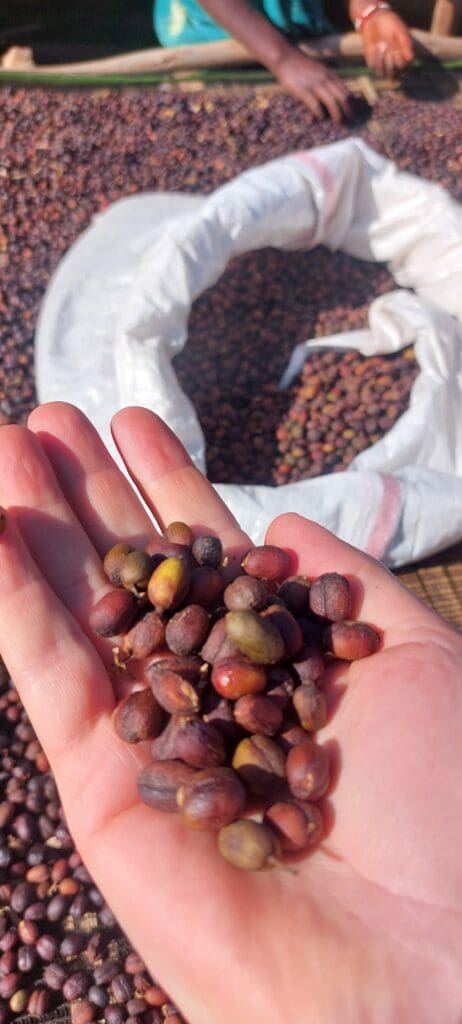
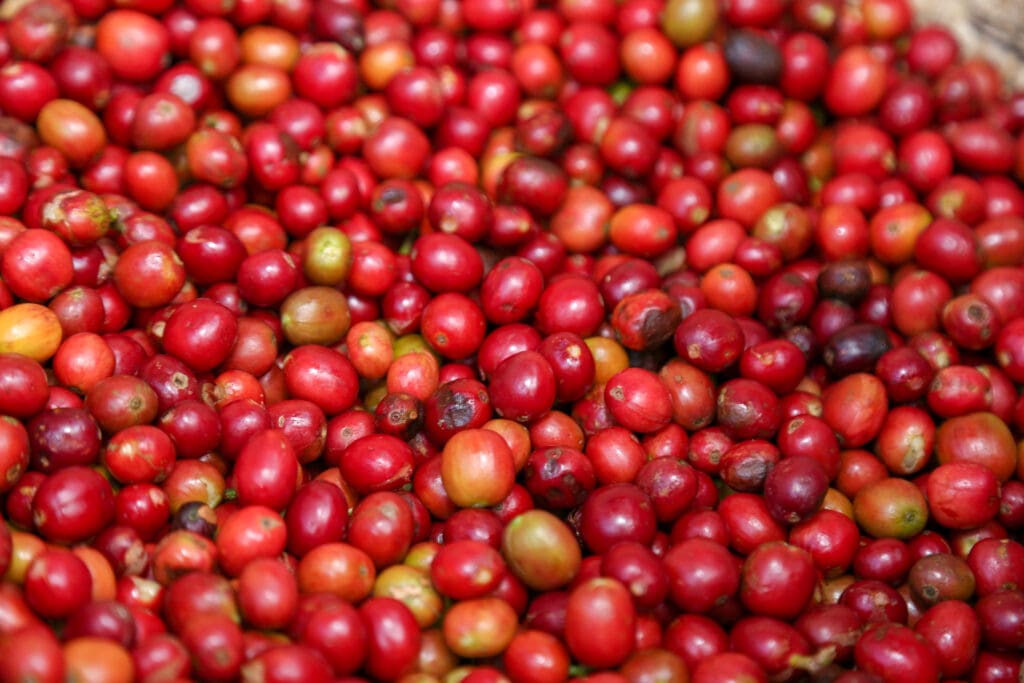
The cherries for this lot were harvested from mid-November through the first week of January, following the natural rhythm of the harvest. After picking, the cherries rested for approximately 24 hours before being depulped.
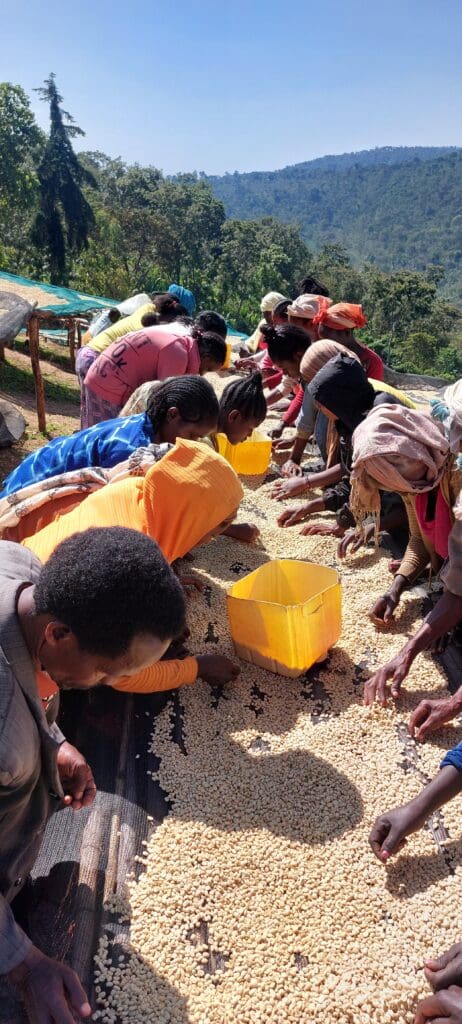
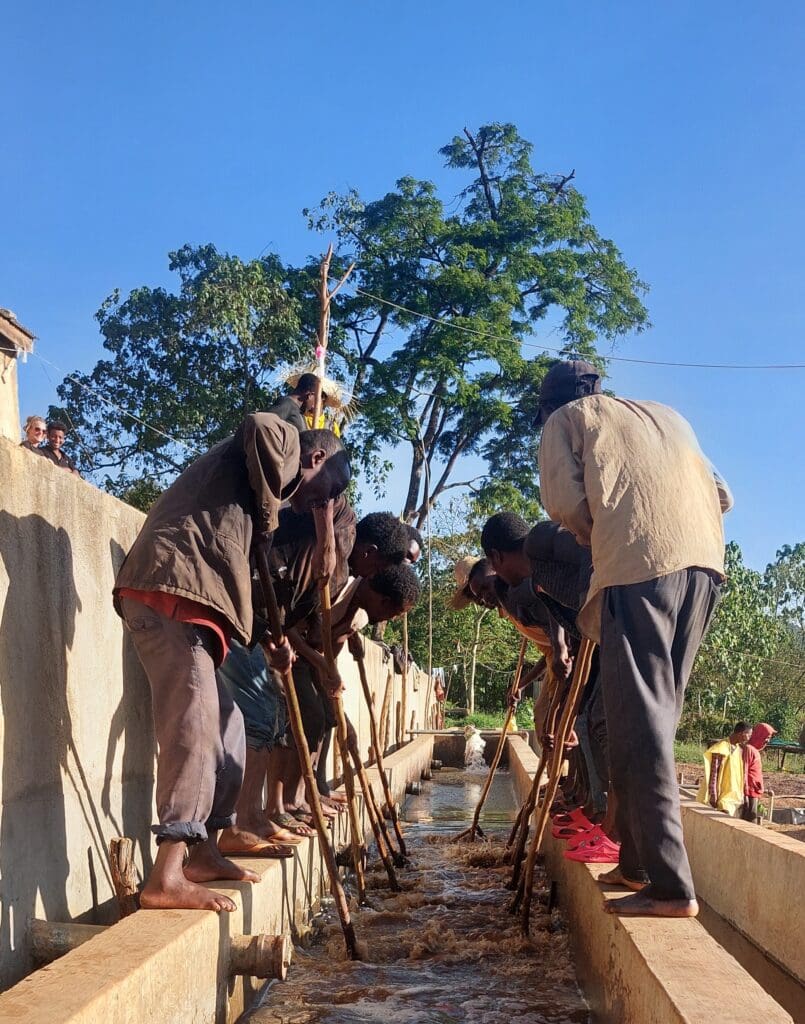
The coffee then underwent fermentation for 24–30 hours. Warmer temperatures allowed the coffee to reach the desired stage of fermentation in a shorter period. Once fermentation was complete, the parchment was washed through water channels, removing any remaining mucilage while also allowing the coffee to be carefully separated by density.
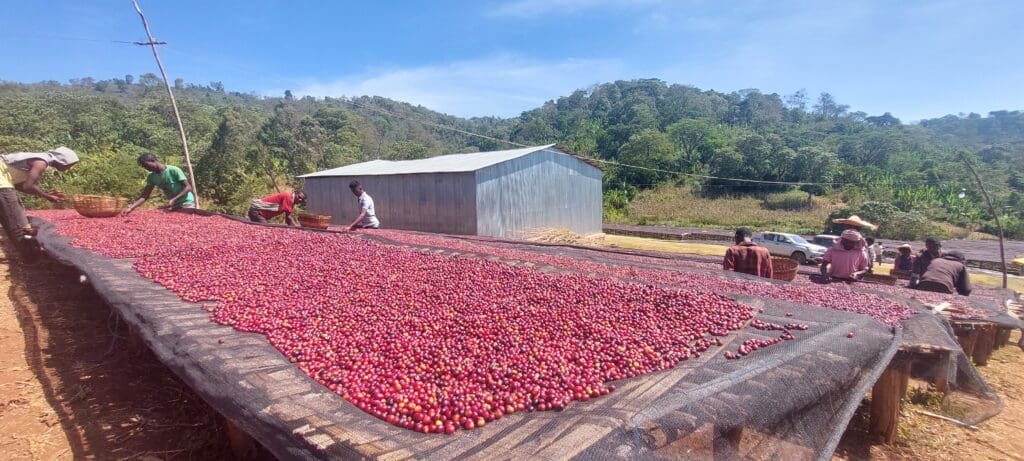
The clean beans were then spread across raised drying beds and left to dry naturally under the Ethiopian sun. Due to the warmer conditions this season, drying took between 7 and 12 days, until the coffee reached a stable moisture content of 11.5%.