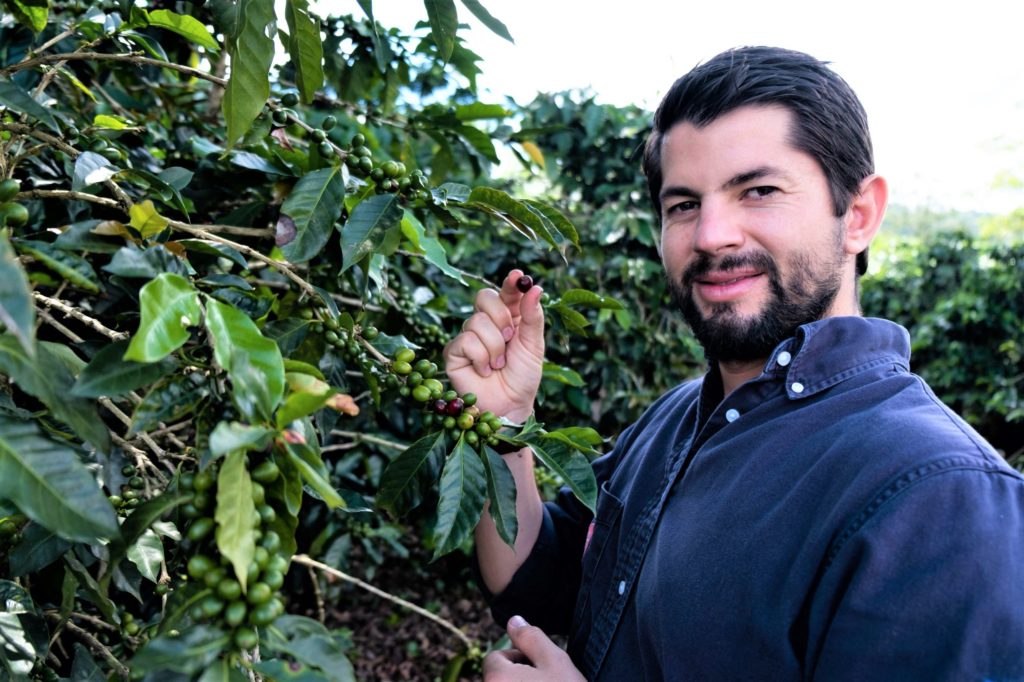
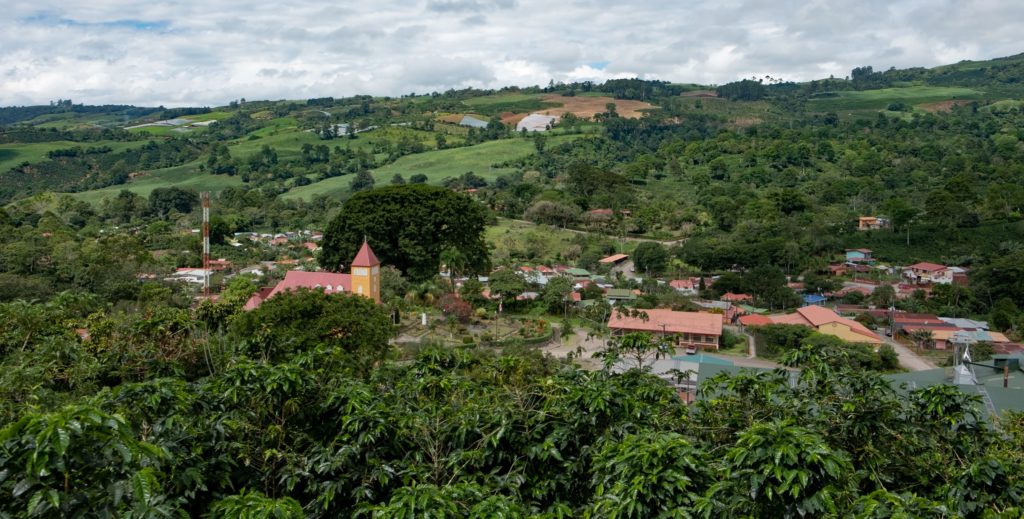
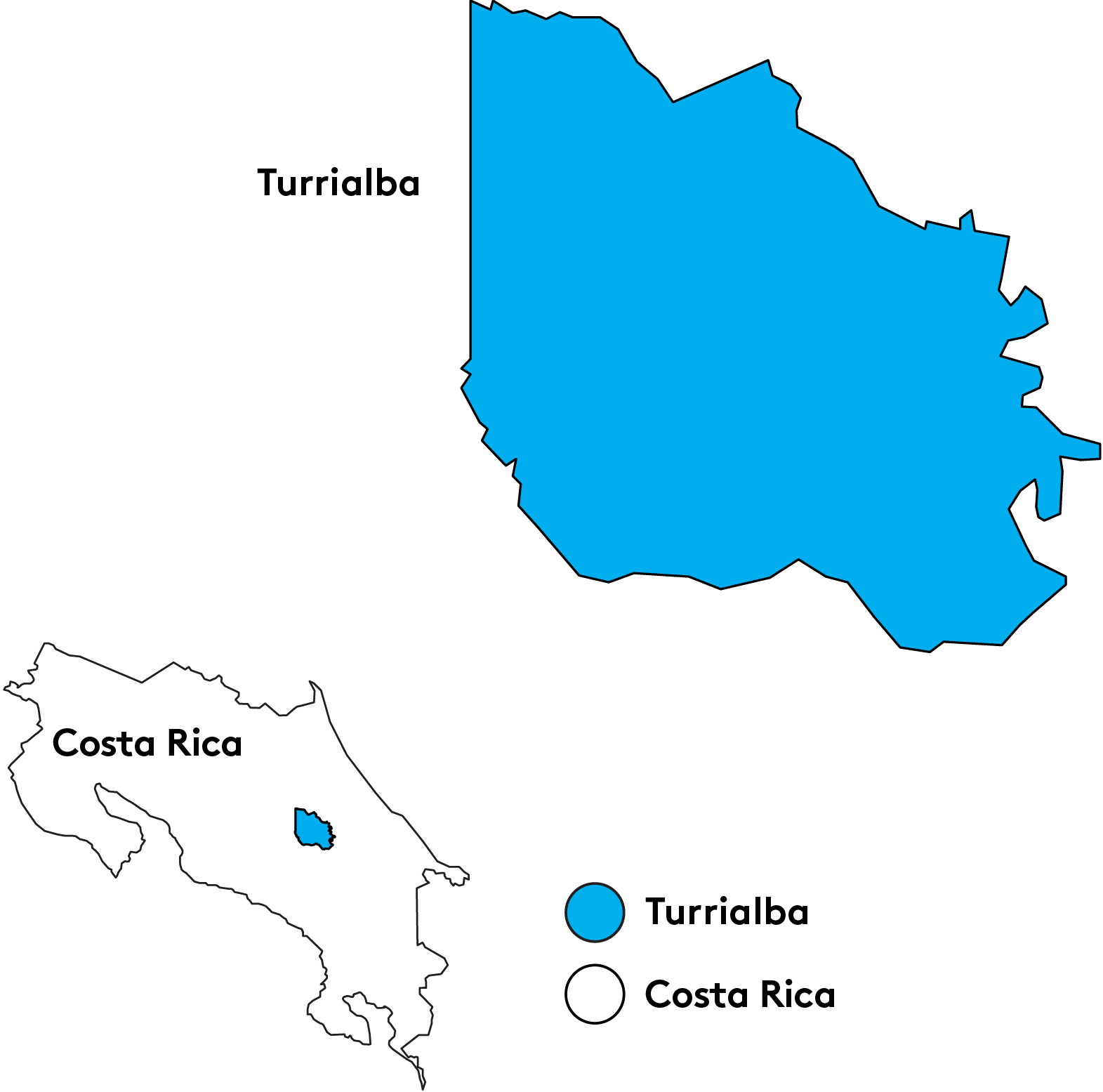
Aquiares Estate, whose name means “land between rivers” in the Huetar indigenous language, is located on the slopes of the Turrialba volcano in Costa Rica. Established in 1890, it is the largest coffee farm in the country and home to a community of approximately 1,800 people.
The farm’s modern development is closely linked to Alfonso Robelo, who arrived in Costa Rica in the 1980s and led the transformation of Aquiares into a more stable and integrated community. By enabling farm workers to purchase their homes, Aquiares evolved from a traditional estate model into a small town structure, strengthening long-term engagement in coffee production. Today, the farm is managed by his son, Diego Robelo, who continues to expand its focus on specialty coffee through agronomic improvements, variety selection, and processing innovation.
Aquiares operates with a strong emphasis on sustainability, including carbon neutrality initiatives and the preservation of biological corridors that support local biodiversity. The farm also collaborates with research institutions on environmental and agricultural studies, reinforcing its role as a model for sustainable coffee production in Central America.
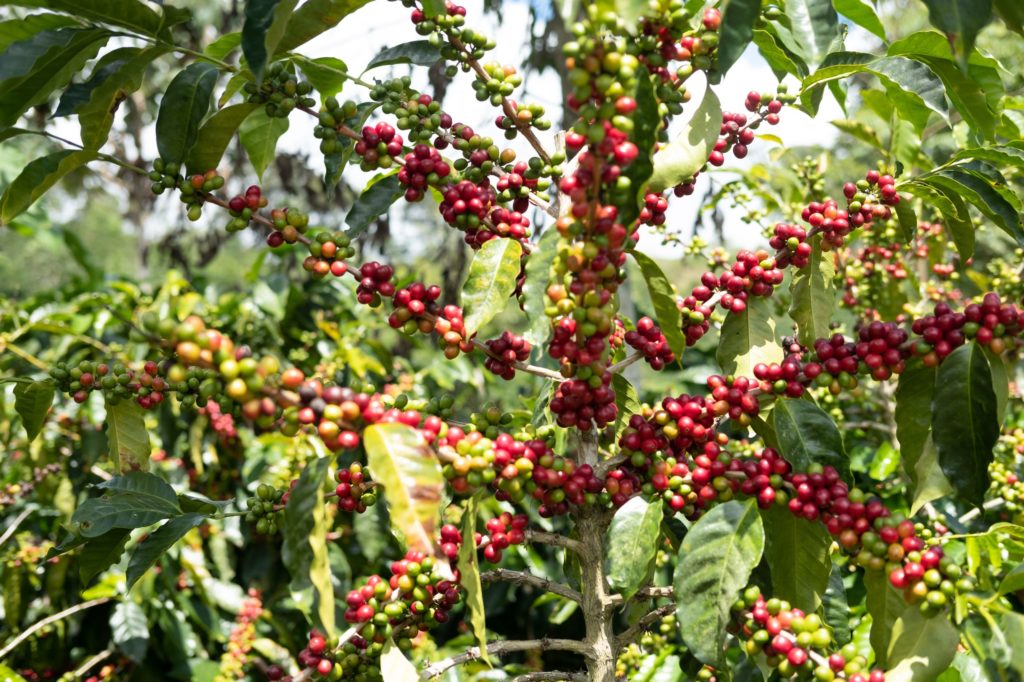
his coffee is a blend of three F1 hybrid varieties:
- Centroamericano H1: A hybrid generated by crossing Sarchimor T-5296 with a wild Rume Sudan variety.
- F1 Mariana: A hybrid resulting from the cross between IAPAR 59 and Ethiopian sterile.
- F1 Esperanza: A hybrid of Sarchimor T-5296 and Ethiopian 25.
Together, these hybrids bring unique characteristics to the cup.
Turrialba’s climate is well suited to growing this new variety, and Aquaires is up to the challenge of meeting its complex nutritional needs. This hybrid represents the best of the farm and cupping worlds because it is high-yielding and rust-resistant, and has a complex, elegant profile.
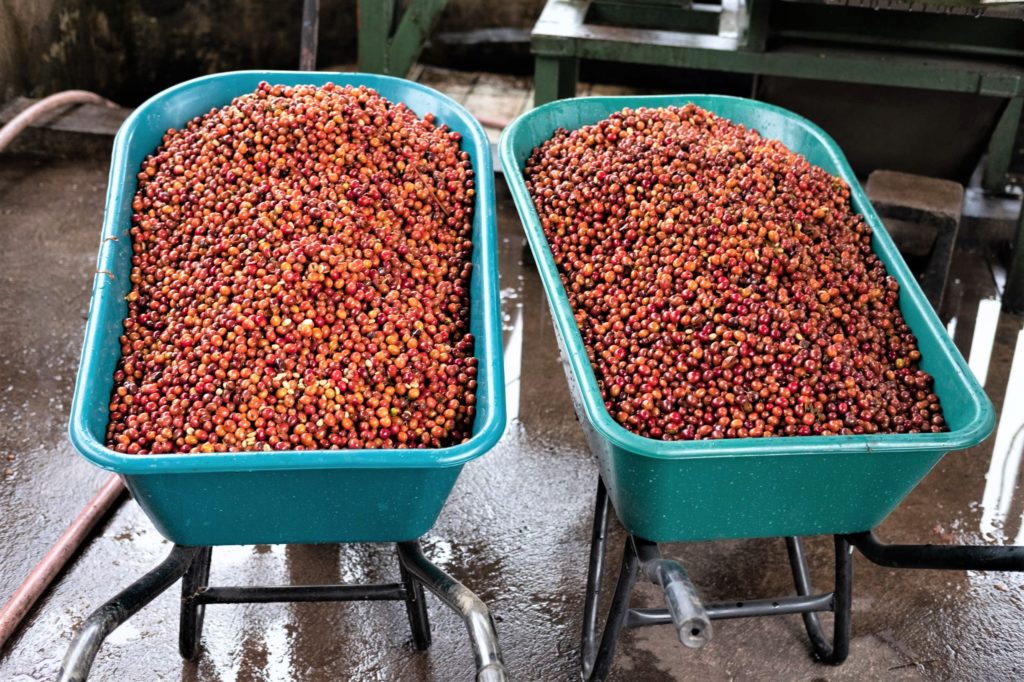
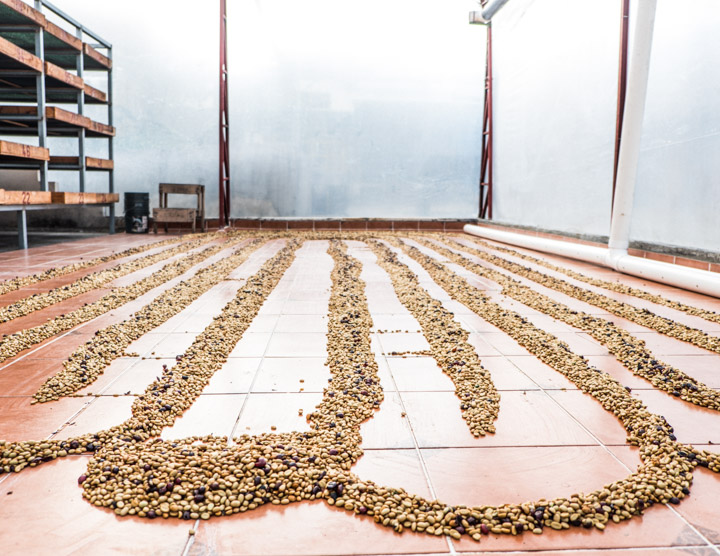
This lot underwent mechanical washing and a 6-hour drying period to initiate partial fermentation. It was then dried for 32 hours in a Guardiola dryer at temperatures ranging from 45°C to 55°C.