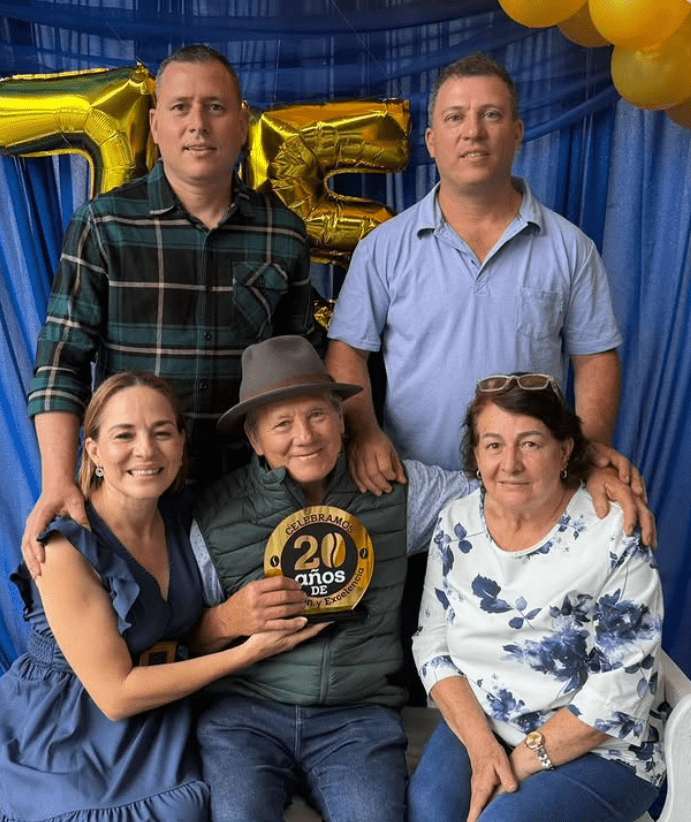
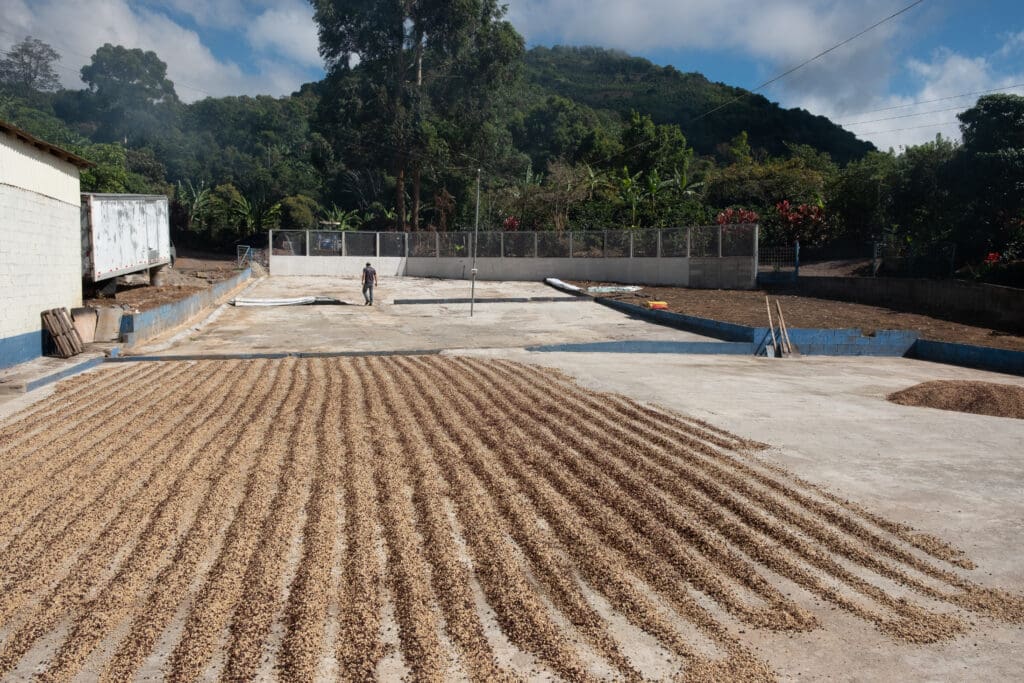
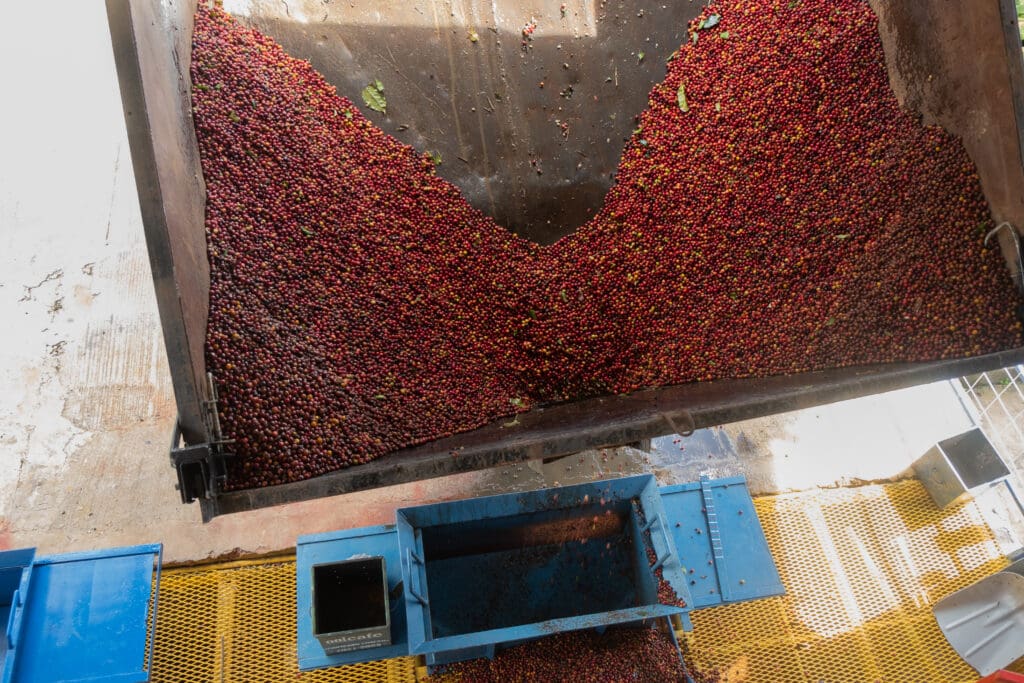
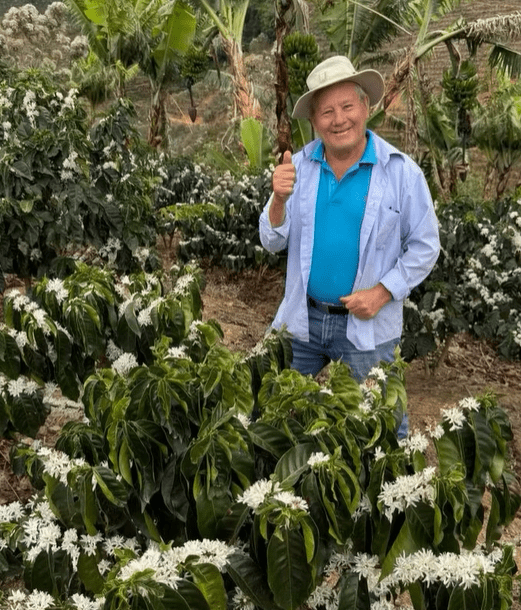
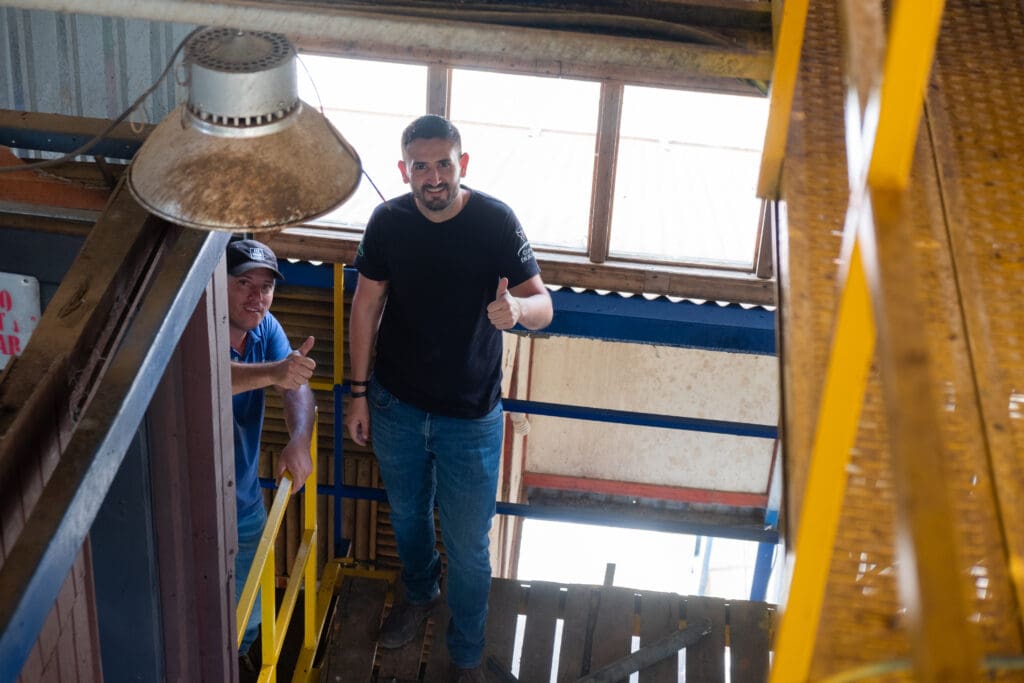
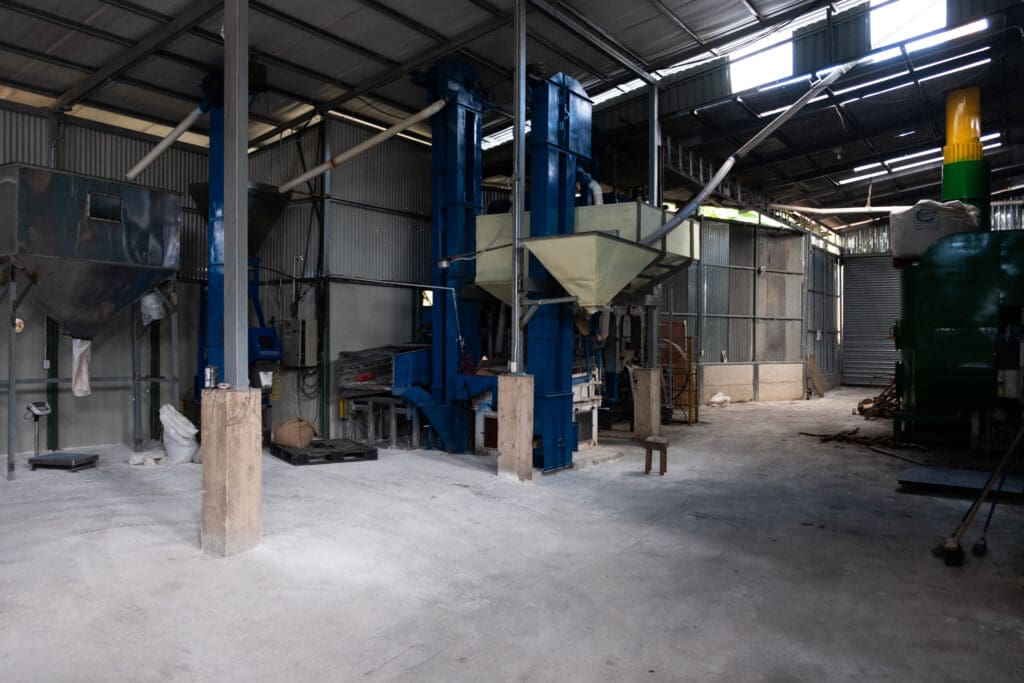
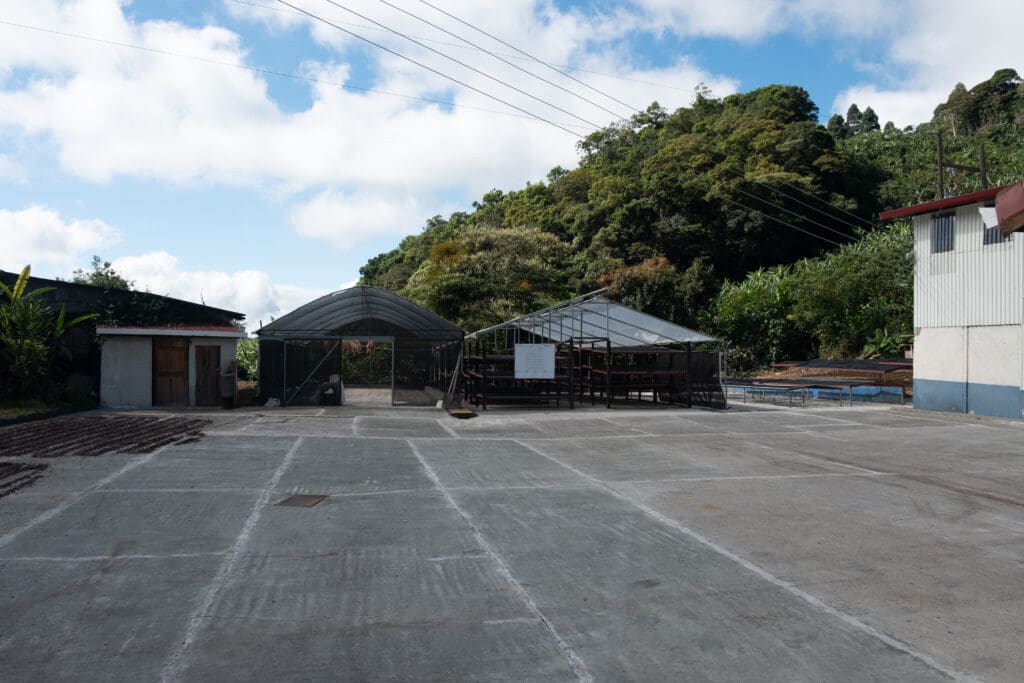
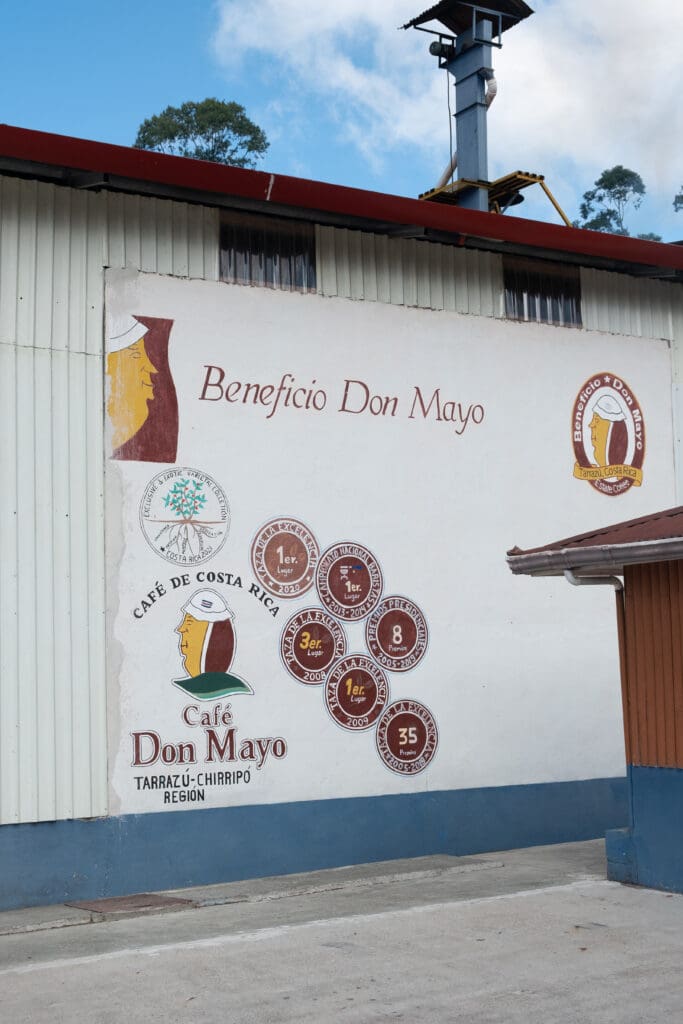
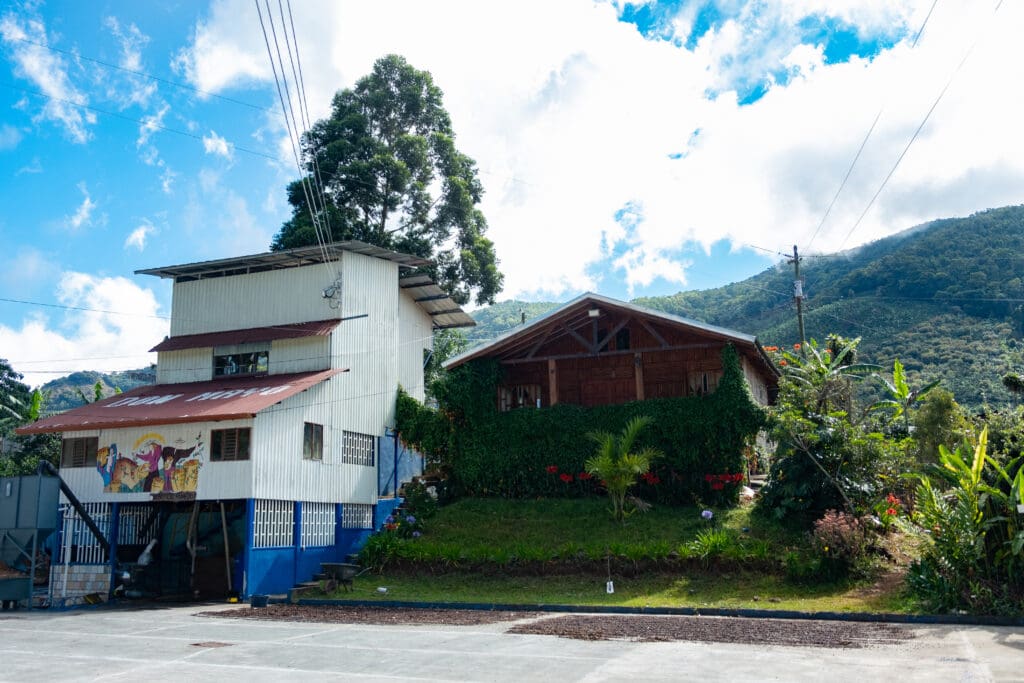
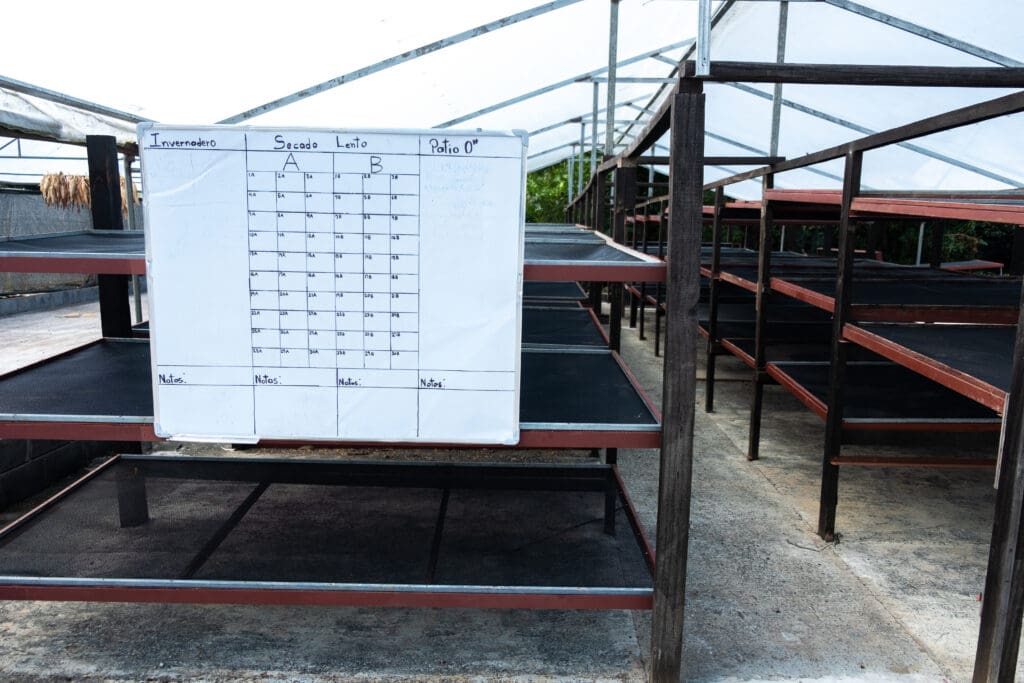
The Bonilla family has been producing coffee in Costa Rica’s Los Santos region for more than four decades. In 2003, Héctor Bonilla Cruz established Don Mayo Micromill, becoming one of the country’s pioneering micromills and allowing the family to separate individual farm lots while focusing on quality, traceability, and specialty coffee processing.
Today, the operation is led by Héctor’s son, Pablo Bonilla, who has continued expanding the family’s commitment to specialty coffee through careful farm management, innovative processing, and continuous quality improvement. Don Mayo has become one of Costa Rica’s most recognized coffee producers, earning multiple Cup of Excellence awards, including first place in both 2009 and 2020.
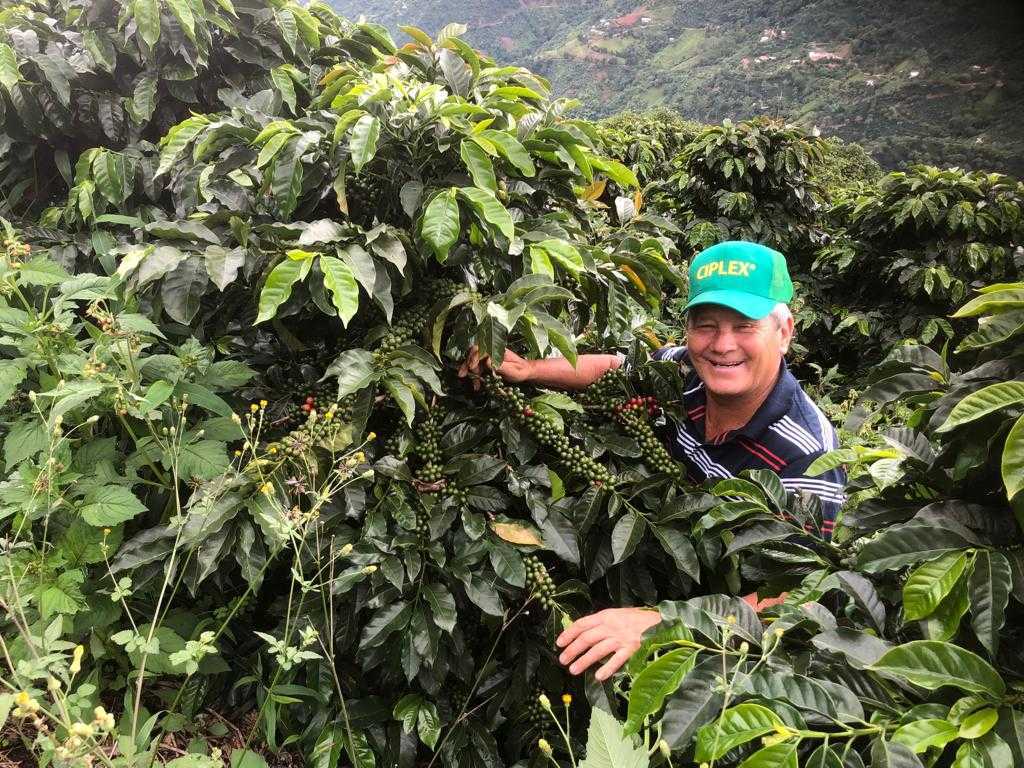
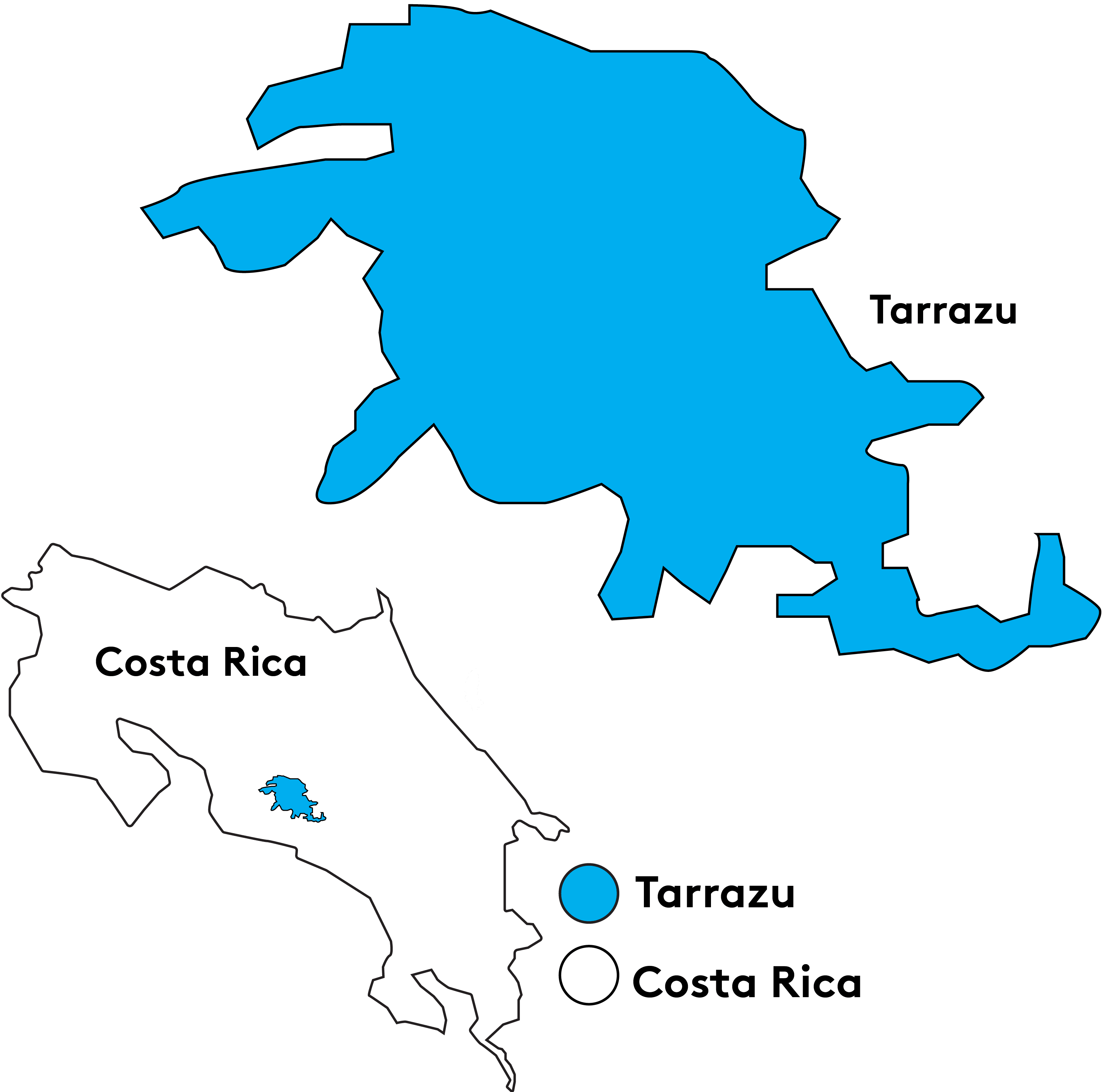
This coffee was produced at Finca La Loma, one of the Bonilla family’s high-elevation farms located in the renowned Los Santos region of Costa Rica. Situated at approximately 1,850–2,000 masl in Llano Bonito de León Cortés, the farm benefits from cool mountain temperatures, fertile volcanic soils, and well-defined wet and dry seasons. These conditions encourage slow and even cherry maturation, allowing sugars and organic acids to develop gradually and resulting in coffees with exceptional sweetness, complexity, and vibrant fruit character.
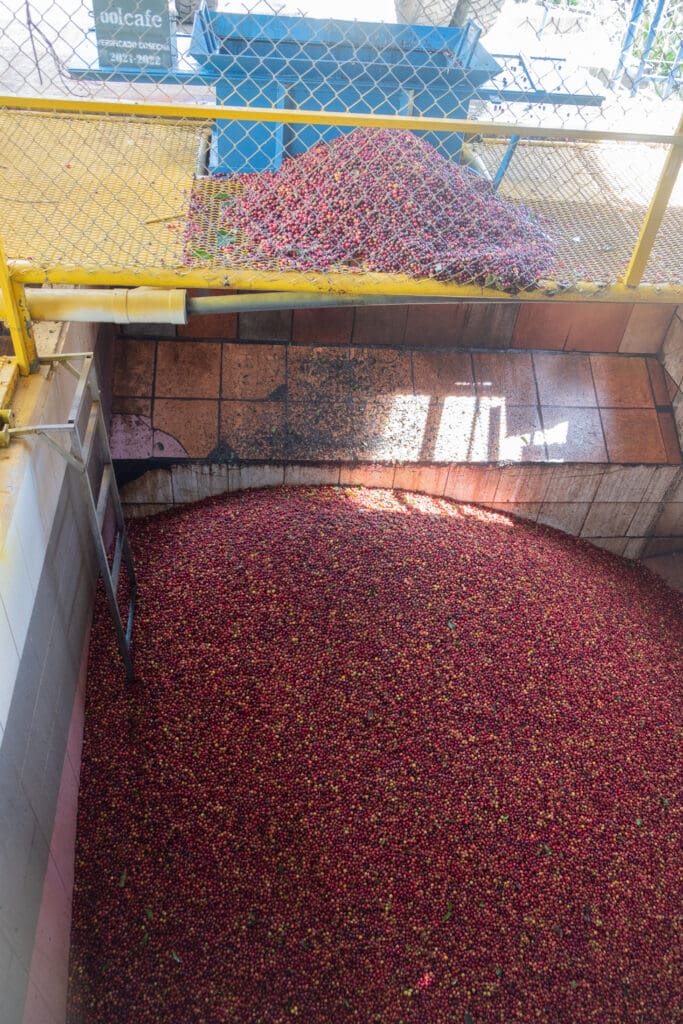
As part of Don Mayo’s commitment to farm-level traceability, Los Tucanes is managed according to its unique altitude, microclimate, and growing conditions. Selective hand harvesting ensures that only fully ripe cherries are processed, preserving the consistency and quality standards that have made Don Mayo a benchmark for Costa Rican specialty coffee.
While Catuai remains the predominant variety across the family’s farms, Don Mayo also cultivates Java, SL28, Gesha, and other experimental varieties as part of its ongoing exploration of specialty coffee potential.