Orestina Silva Reis began her career in coffee in 1975 when she married her husband, Geraldo Sandy Reis. Coffee production became a part of the family’s life together up through Geraldo’s passing in 2002, at which time Orestina committed to managing their Fazenda Brejinho alongside her children. Today, the farm continues to face the challenges of climate change and rising production costs, but through their entrepreneurial spirit and dedication, Oresetina and her family continue their work with the goal to pass the legacy on to future generations.
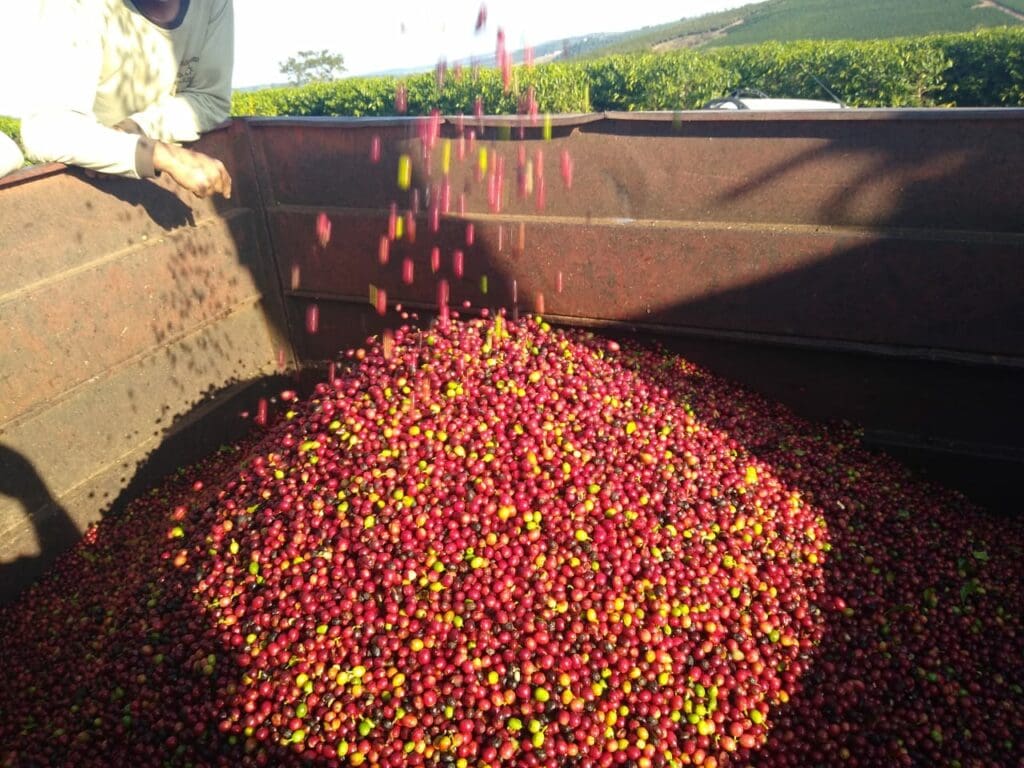
Operations at the farm prioritize careful work in the fields and quality post-harvest processing practices. This commitment to quality has inspired the family to take on new challenges, participating in the Cocatrel quality contest in 2020 and going on to create their own roasted coffee brand, Dona Oresta Cafés Especiales, in order to share their work directly with Brazilian coffee drinkers.
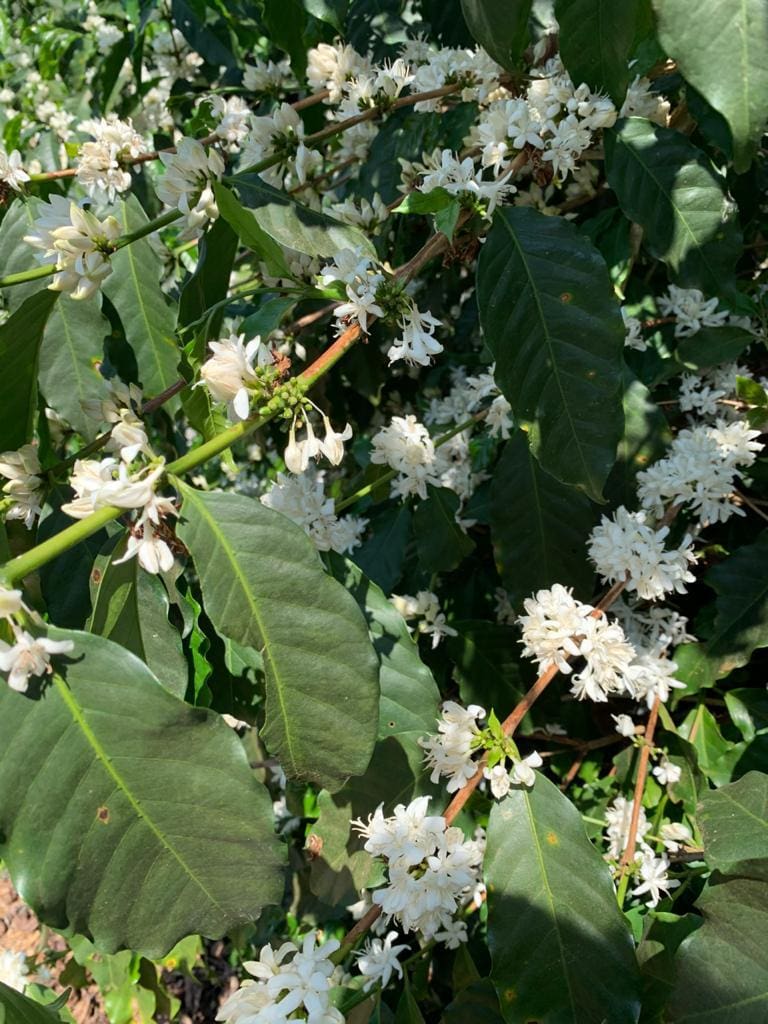
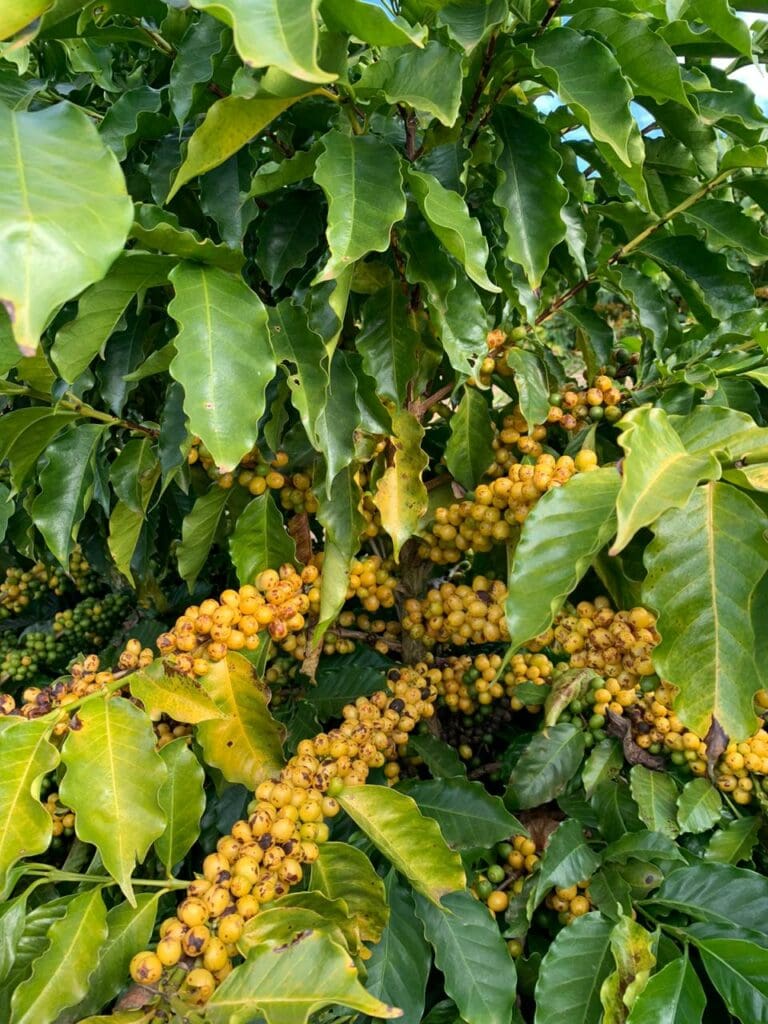
This lot of Red Catuai coffee underwent Natural processing. Catuai was developed by the Instituto Agronomico (IAC) of Sao Paulo State in Campinas, Brazil by crossing Mundo Novo and Caturra varieties. Catuai coffees are cultivated widely across Brazil, and are known for their high productivity potential.