Region
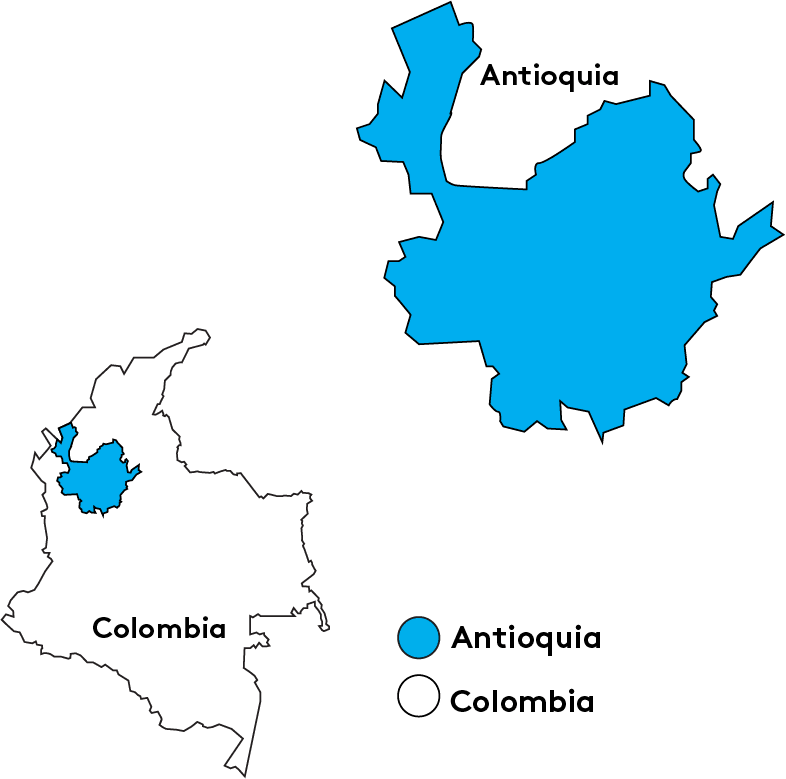
Antioquia
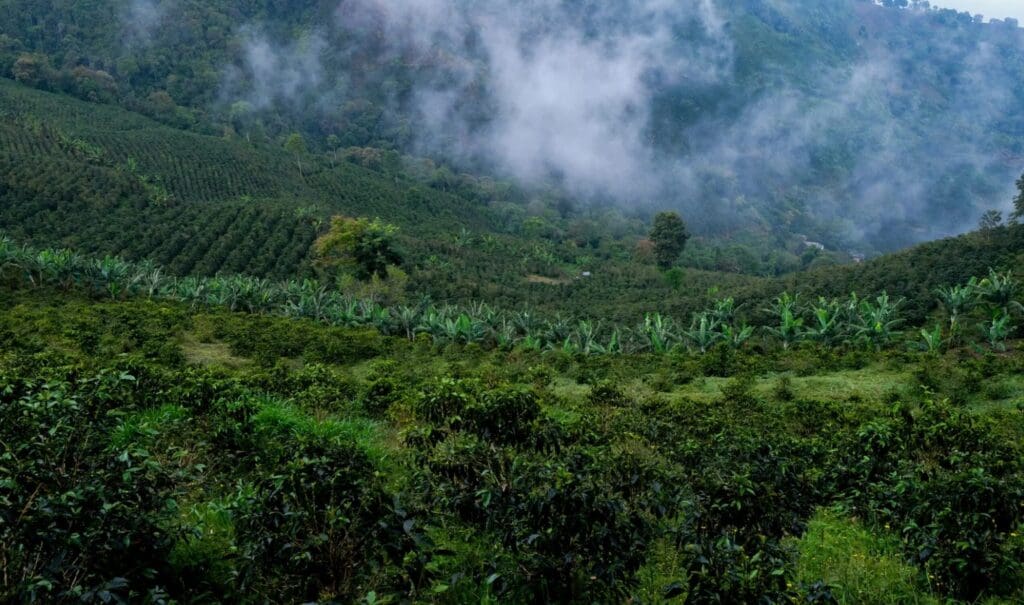
Antioquia is perhaps Colombia’s most traditional coffee producing department, with small plots, mid-size properties, and large estates stretching up and down the steep mountains of the Western Range of the Andes that run through the department. Coffee production stretches wide through the department, beginning as soon as Medellín’s suburbs end and continuing all the way to Antioquia’s southern border with Risaralda and Caldas.
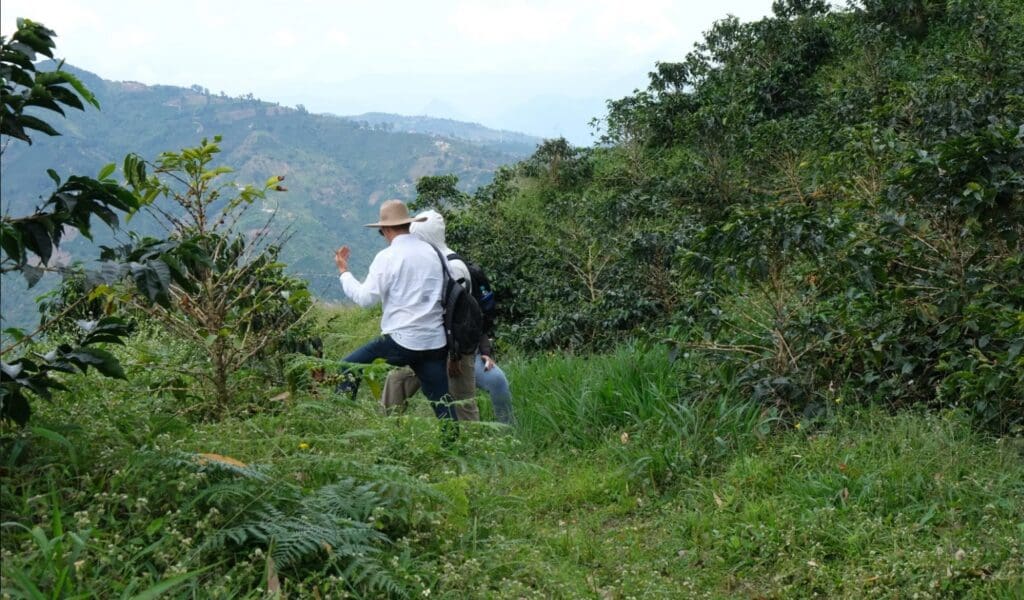
Coffee growers in Antioquia are proud “cafeteros”, where smallholders still use some traditional means like transporting coffee via mule. Many farms plant varieties developed by the Colombian Coffee Growers’ Federation (FNC), choosing varieties intended for the specific conditions of each of the country’s growing regions and adhering to standards like recommended planting densities.
But recently, Antioquia’s farmers have been branching out to implement new systems and techniques. Almost all of Colombia’s farms include a small wet mill and a drying surface, often a rooftop surface with a removable cover, for processing coffee. Antioquia’s farms are often described as “technified,” applying the latest agronomic innovations. Today, farmers diversify this technification beyond prescribed best practices suited for the whole department, instead developing their own technical improvements to make the most of their property’s attributes and produce the finest coffee possible.
Ciudad Bolívar, located in the Antioquia region, is renowned for its exceptional coffee production. The area benefits from ideal coffee-growing conditions, including altitudes ranging from 1,200 to 2,000 meters above sea level, a tropical rainforest climate with temperatures between 15°C and 28°C, and abundant rainfall.
These factors contribute to the cultivation of high-quality coffee beans with complex flavor profiles. The fertile, well-drained soils and the region’s consistent 12 hours of daylight further enhance the growth and development of coffee plants. Small-scale farmers in Ciudad Bolívar, often managing family-owned farms, utilize a mix of traditional and modern agricultural practices, ensuring meticulous care from harvest to processing.