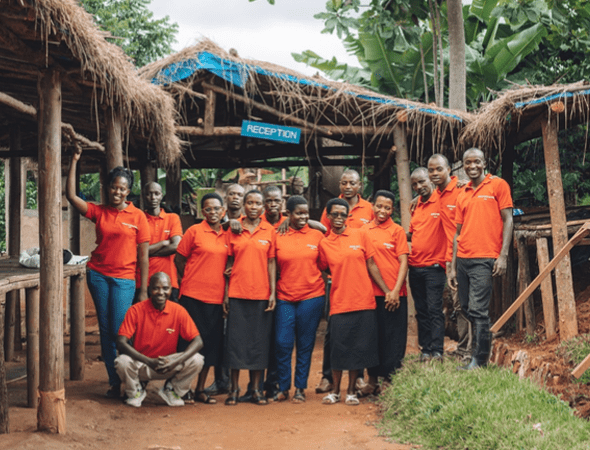
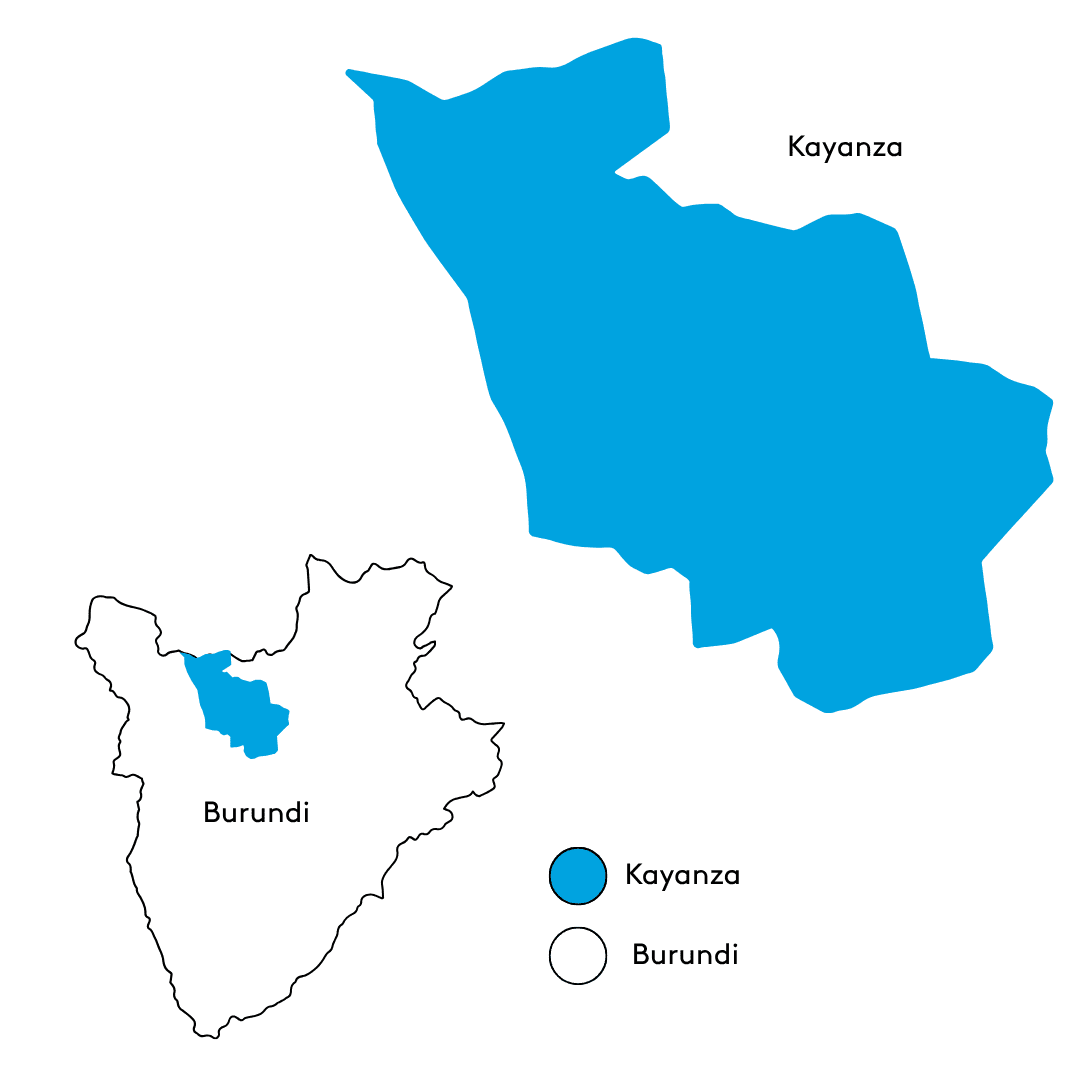
This coffee comes from Ninga Hill, one of the coffee-growing communities surrounding Ninga Washing Station in Kayanza Province, northern Burundi. Located between 1,800 and 2,000 masl, this high-elevation region provides favorable conditions for specialty coffee production, where cooler temperatures and slower cherry maturation contribute to sweetness, structure, and cup complexity.
Ninga Washing Station sits at approximately 1,900 masl alongside the Nkokoma River and was established to improve access for producers who previously traveled long distances to reach washing stations offering fair pricing and transparent cherry purchasing systems. Today, the station supports coffee production across three primary hills within the region: Giku Hill, Bumba Hill, and Ninga Hill.
Ninga Hill is one of the more isolated producing communities in Kayanza. Reaching the area requires crossing rivers and provincial borders, and many households remain beyond the reach of electricity infrastructure. Coffee is deeply integrated into daily life here, with Bourbon trees growing across nearly every available space, from narrow hillside pathways to the surroundings of family homes built by local producers.
Like many communities across Burundi, Ninga has experienced periods of instability throughout the country’s history. During times of conflict, farming families often sought refuge in surrounding forests and hillsides, returning later to coffee trees that remained part of their livelihoods across generations. Today, smallholder producers continue cultivating coffee under challenging conditions while contributing to Burundi’s growing recognition within specialty coffee.
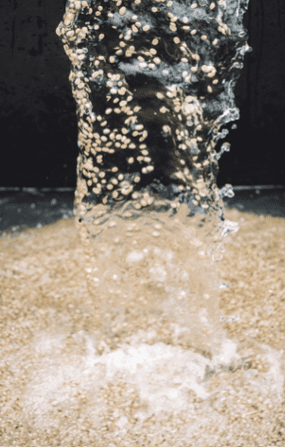
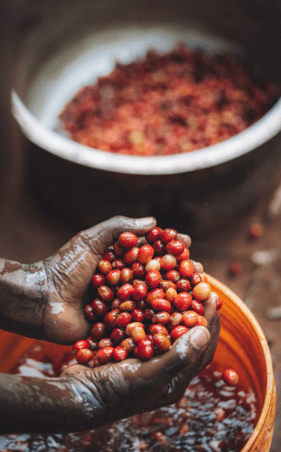
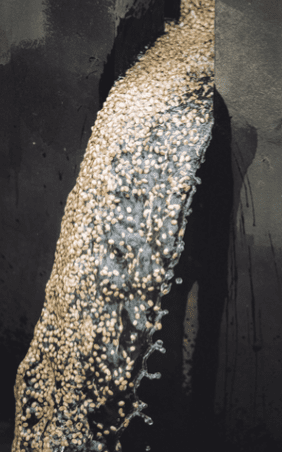
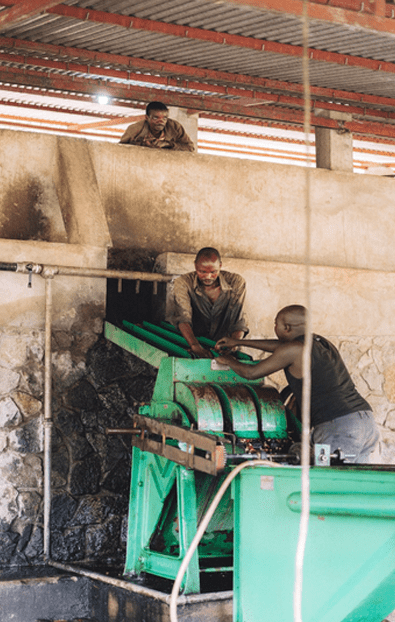
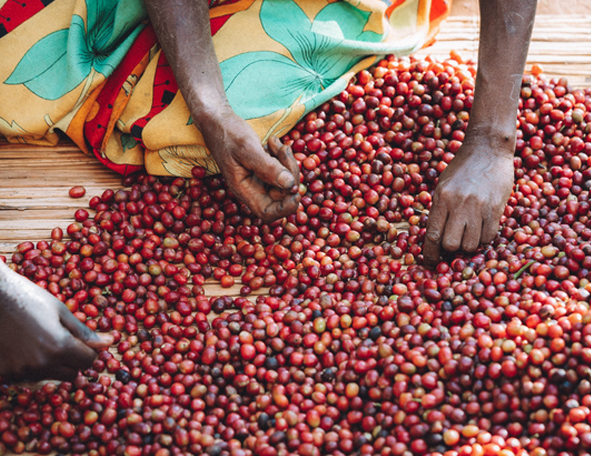
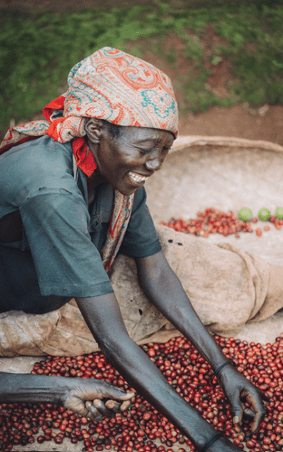
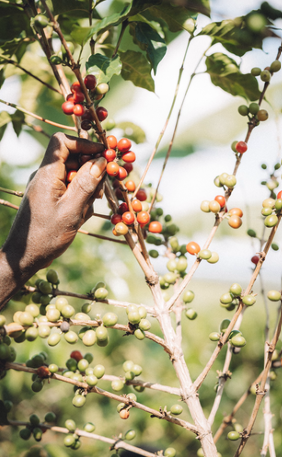
For this Bourbon, cherries are selectively harvested at peak ripeness and delivered to Ninga Washing Station, where they undergo careful sorting to remove underripe and low-density fruit prior to processing.
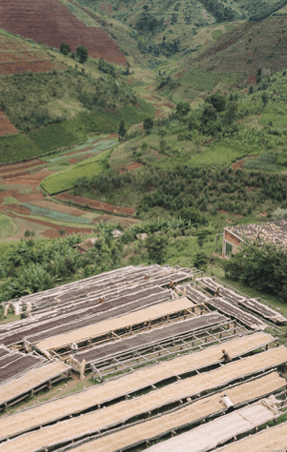
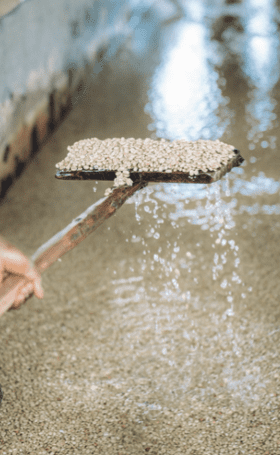
The coffee is then processed as a natural, with the cherries dried whole under carefully managed conditions that allow the seed to remain in contact with the fruit throughout drying. The drying phase is closely monitored to promote even moisture reduction and preserve cup quality while supporting sweetness and fruit development.
Once stable moisture content is achieved, the coffee is rested prior to milling and final preparation for export. This process highlights the fruit-driven characteristics and sweetness associated with Bourbon varieties grown in the high elevations of Kayanza Province while preserving clarity and balance in the final cup.