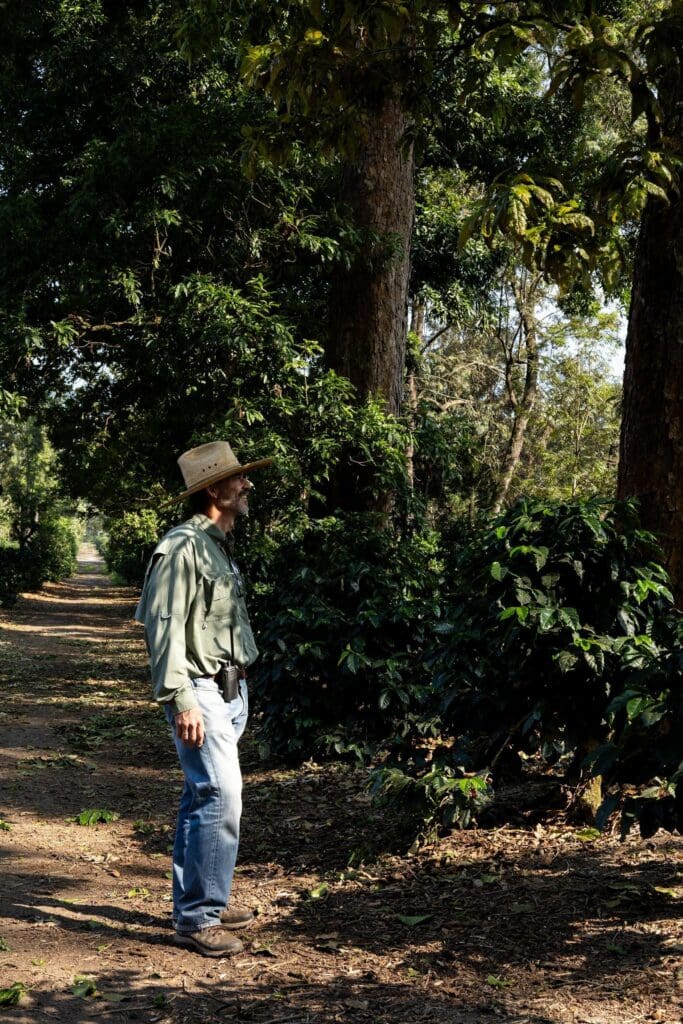
Located in the heart of Antigua Guatemala, in the historic Valle de Panchoy, Finca Retana sits at approximately 1,550 meters above sea level, just a short distance from Antigua’s central park. Set on the western side of the city, the farm lies within one of Guatemala’s most renowned coffee-growing regions, where volcanic soils, cool mountain temperatures, and distinct seasonal changes create ideal conditions for coffee cultivation.
The property takes its name from Father Retana, a representative of the order of friars who originally owned the land. Over the centuries, the property passed through several hands before being acquired by GRACE Y COMPAÑIA, C.A., by the Cofiño family on June 13, 1932. Since then, Finca Retana has remained within the family, evolving from a diverse agricultural property into a farm dedicated primarily to coffee.
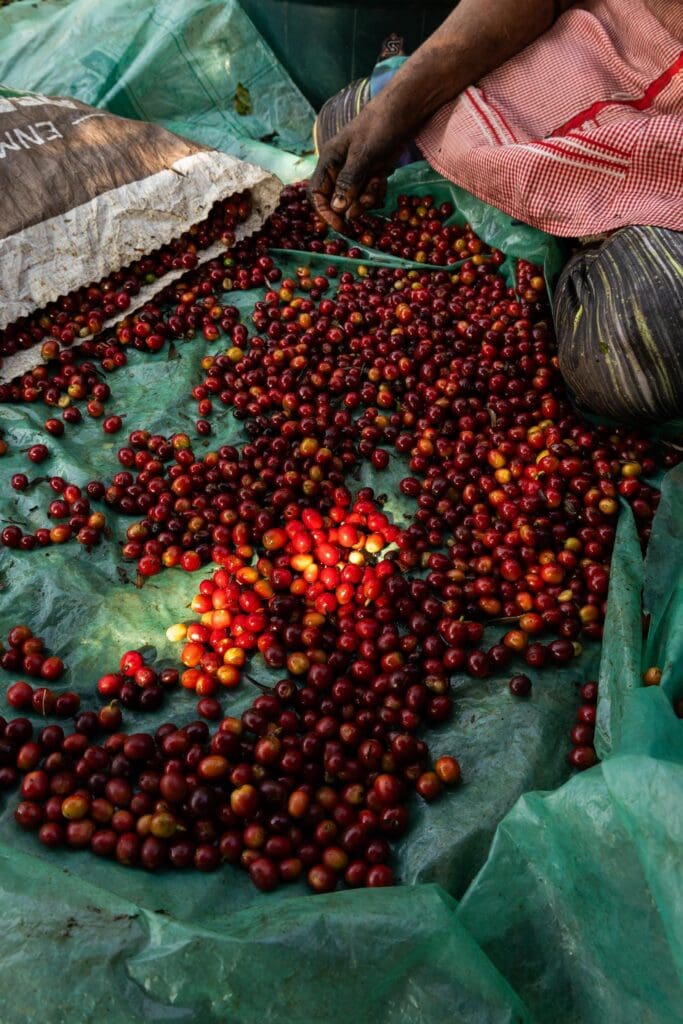
Coffee was not always at the center of Retana’s story. In its early years, the property was used for sugarcane production, including the preparation of rapadura, as well as dairy cattle and other agricultural activities. Later, under the management of the Cofiño family and with the involvement of Iowa State College, including Dr. Melhus and William Popenoe, the farm became a site for agricultural experimentation. Hybrid corn was studied and planted, while research was also carried out on crops such as avocado and macadamia. Over time, coffee became the farm’s primary crop, eventually covering much of the property.
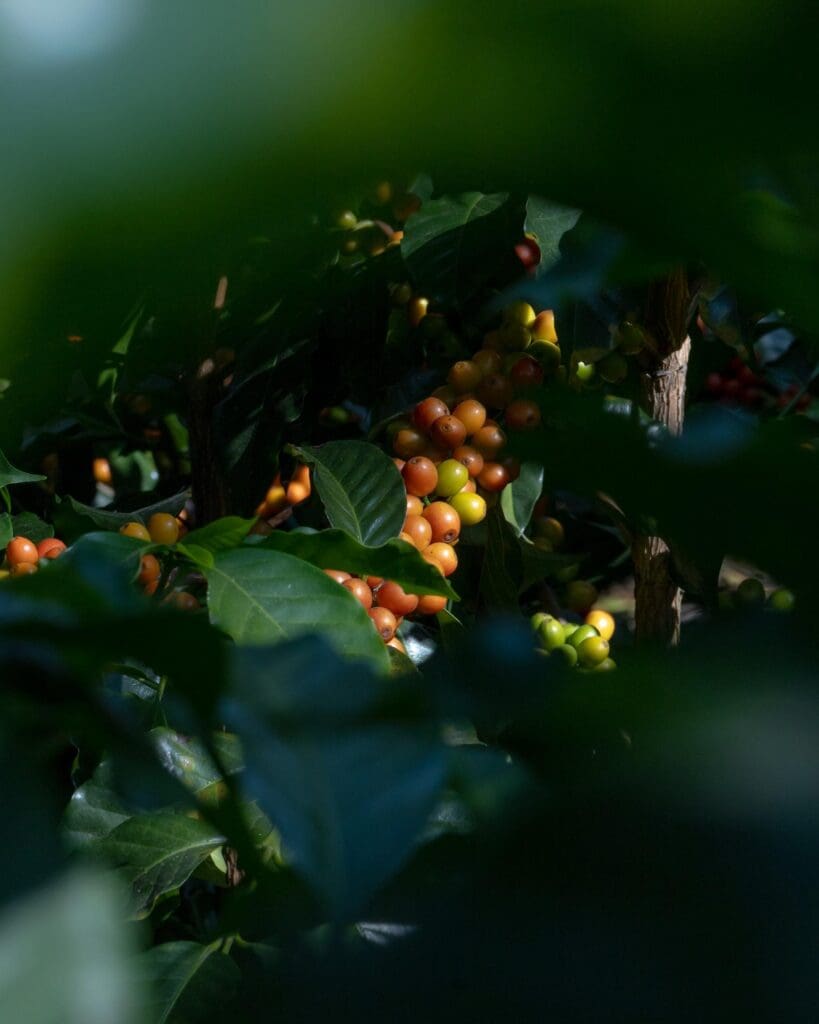
Today, approximately 125 acres are planted with coffee, including varieties such as Yellow Bourbon and Caturra. The farm’s location within the Antigua coffee region gives its coffees a distinctive environment, shaped by volcanic soils and the cool conditions of the surrounding highlands. The property is also divided by the Guacalate River, adding an important natural element to the landscape.
Beyond coffee, Finca Retana has maintained a strong connection to the surrounding environment and community. More than 45 hectares of the property are preserved as natural woodland or have been reforested with native cypress and pine. The farm also maintains small areas of citrus and macadamia production. Approximately 20 families live on the property, with access to electricity and drinking water, while the farm supports educational opportunities for workers’ children and other families connected to the farm.
Los Volcanes Coffee has been working with Finca Retana for more than eight years, building a relationship that goes far beyond a commercial partnership. Over this time, both teams have developed a close understanding of each other’s way of working, allowing for direct communication, trust, and a shared commitment to quality. This long-standing relationship gives us the opportunity to follow the coffee closely from the farm through the harvest and into the cup, while continuing to strengthen the connection between the producers, the farm, and the people who ultimately enjoy its coffee.
With generations of history behind it and a landscape shaped by both agriculture and conservation, Finca Retana represents an important part of Antigua’s coffee heritage, a farm where tradition, experimentation, and long-term relationships continue to shape its future.
Process Description:
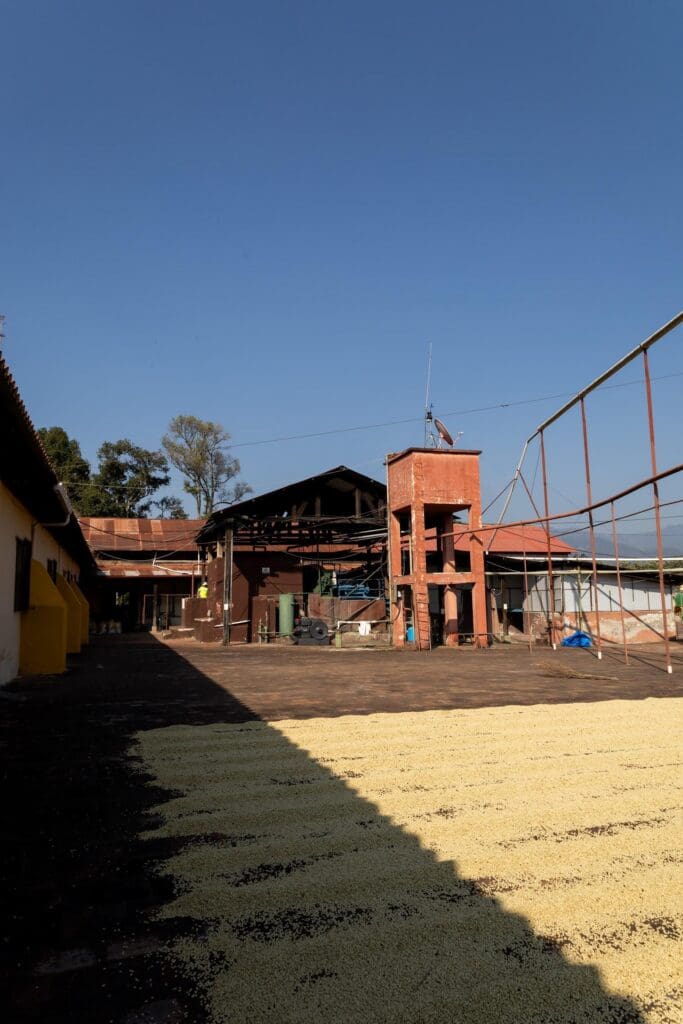
The coffees undergo a traditional Washed process. After pulping, the coffee ferments for approximately 36 hours, allowing the remaining mucilage to break down before the parchment is carefully washed and transferred to drying patios.
The parchment coffee is then sun-dried on patios for approximately 3–4 days, depending on weather conditions. Throughout drying, the coffee is carefully managed to promote even moisture reduction while preserving seed vitality, supporting quality and stability throughout storage and export.
Once the coffee reaches the appropriate moisture level, it is transported to the dry mill, where it undergoes additional grading by size, density, and color. The coffee is then prepared for export according to the quality standards established by Los Volcanes.