Region
Cerrado Mineiro
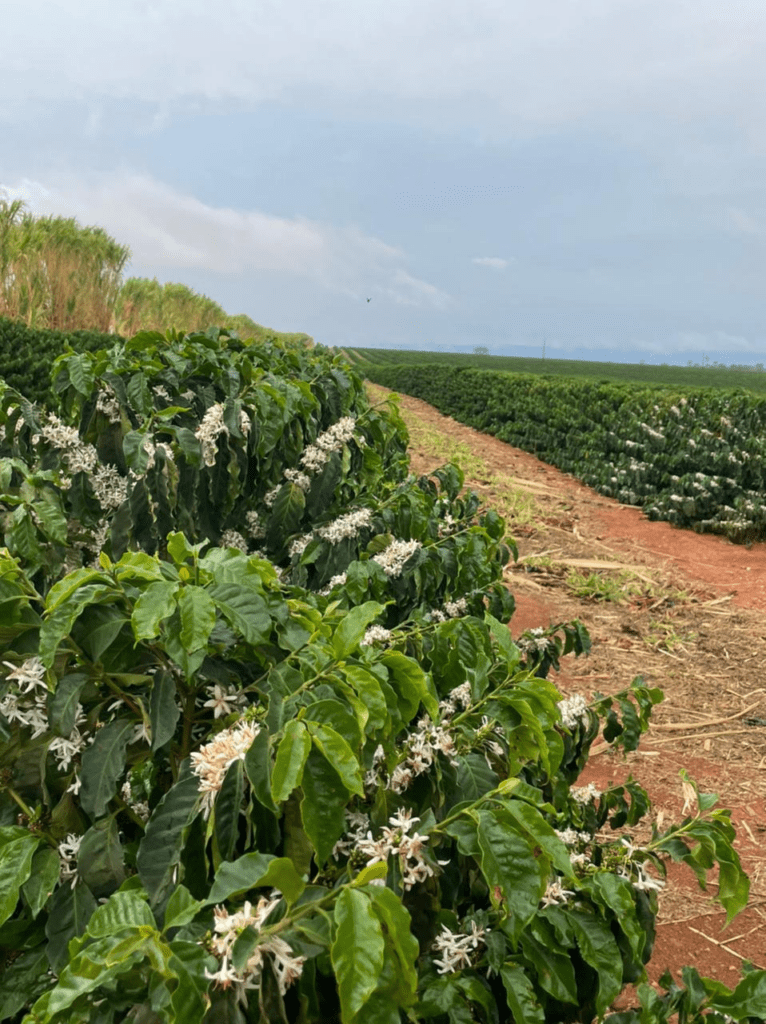
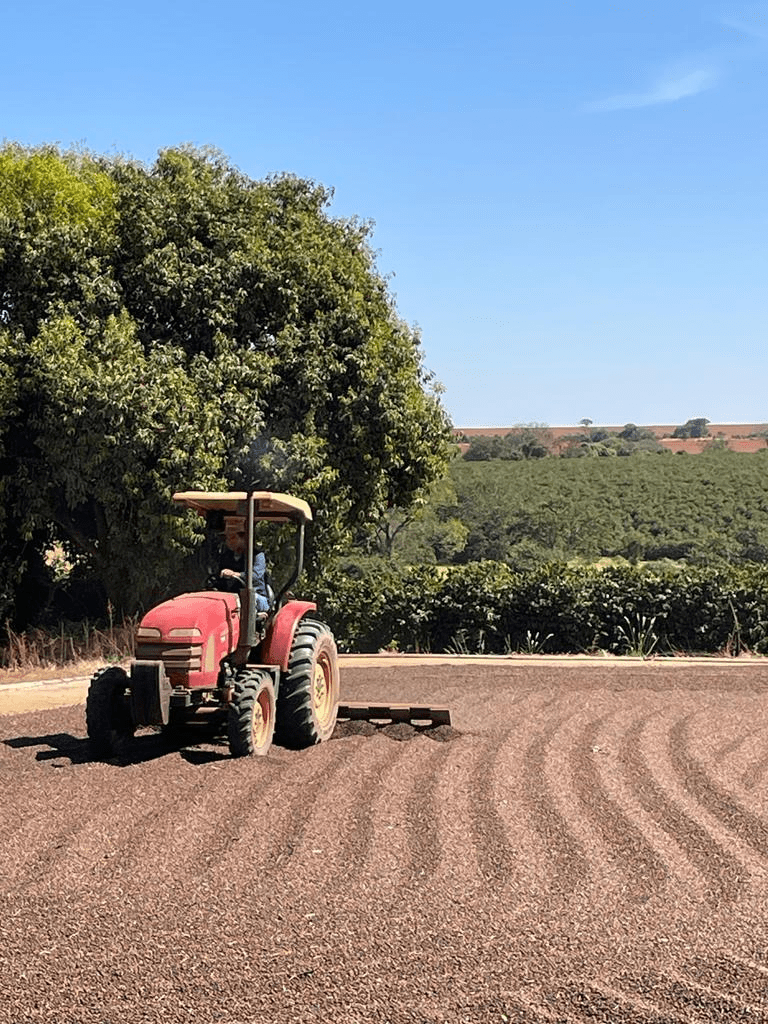
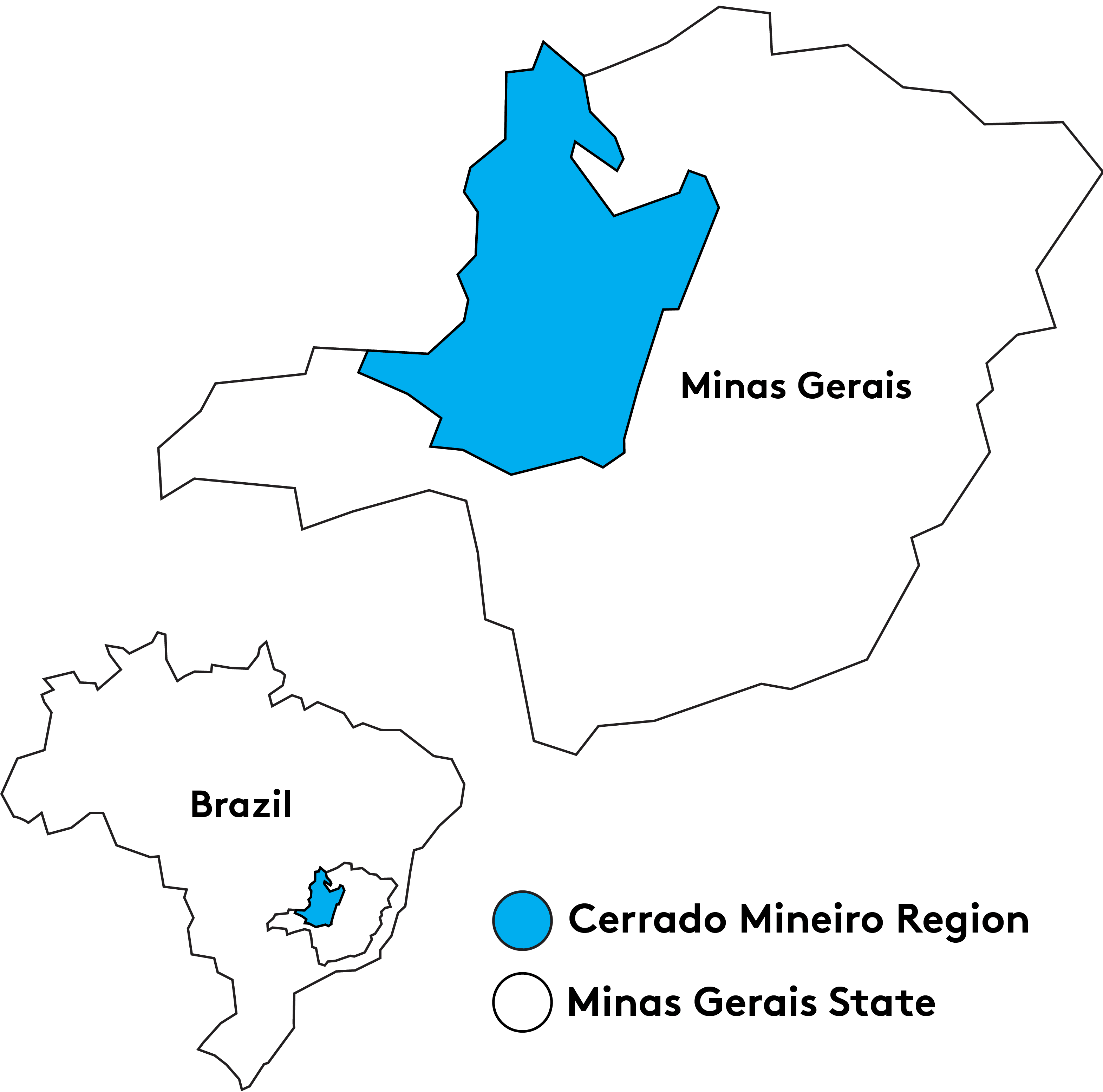
The Cerrado Mineiro region, located in northwest of Minas Gerais State, is a world-recognized, high-quality coffee producing origin and became the first Protected Geographical Indication in Brazil in 2005, with full Designation of Origin in 2013. A strong characteristic of this region is its well-defined seasons—a hot, wet summer followed by a pleasantly dry winter. The dry climate during harvest eliminates potential problems with humidity during the drying process.
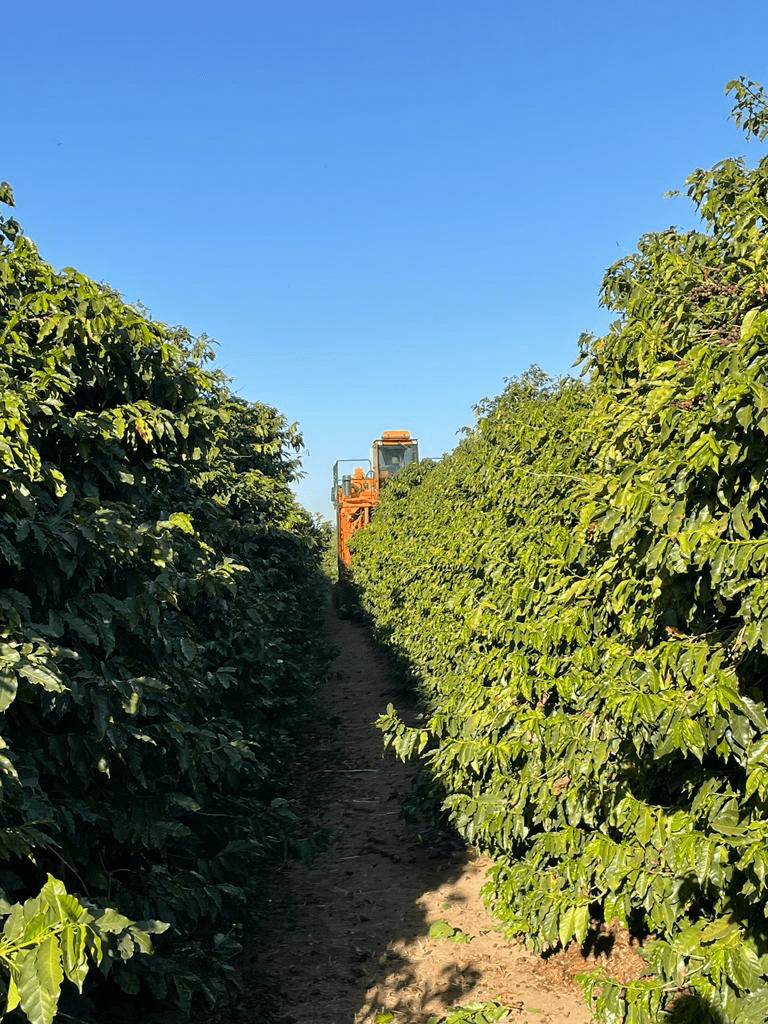
Minas Gerais is Brazil’s principal agricultural state, and the Cerrado is home to many of the country’s celebrated coffee estates, with expertise in planting, harvesting, drying, and sorting. We love Cerrado coffees for their big body, rich chocolate notes, and velvety texture when pulled as espresso.
Today, the area’s 4,500 farmers produce a combined average of 6 million bags per harvest, with an average of 35 bags per hectare. To reach these production levels, producers had to first adapt to the region’s conditions. Coffee farmers first arrived in Cerrado in the 1970’s, after being pushed out of the state of Parana by frost and out of the state of Sao Paulo by nematodes. They found the soil in Cerrado to be very acidic, which they rectified with the application of calcium to create the healthy soils they enjoy today.
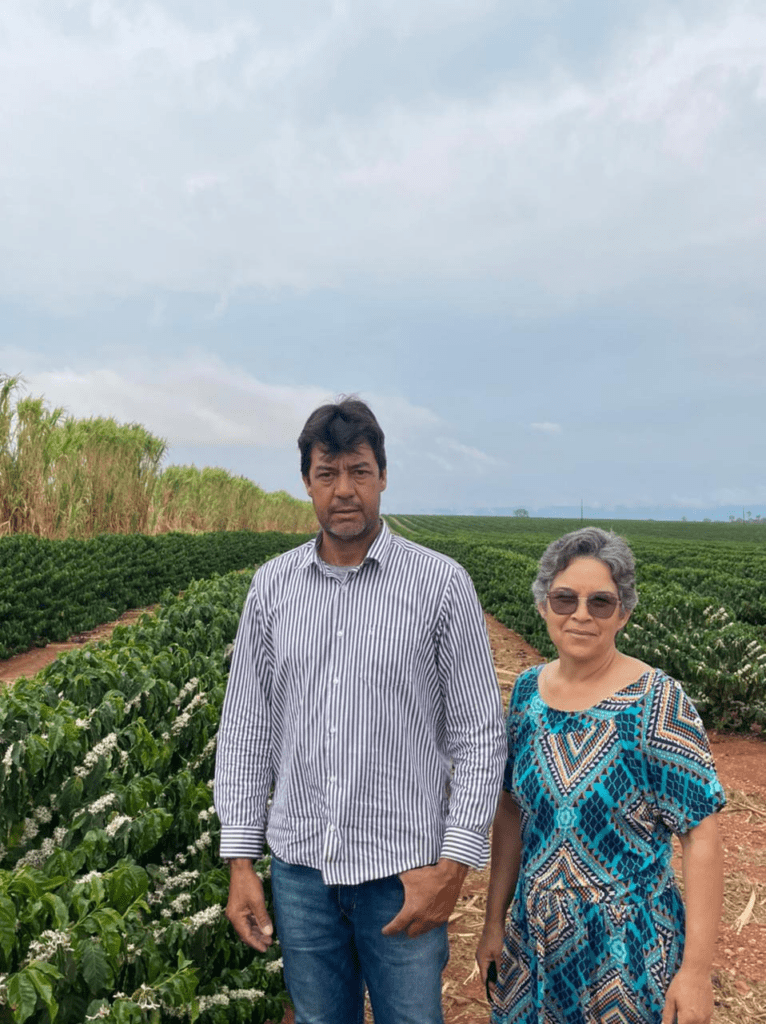
Cerrado coffee farms are cultivated in areas with elevations varying between 800 and 1,300 meters above sea level and are known for consistently producing high quality coffees with a repeatable profile. Independent of farm size, the spirit of professionalism is present throughout Cerrado’s coffee producers. Entrepreneurialism is part of farmers’ DNA, and many producers are second or third generation growers who also hold degrees in agronomic engineering, business management, and administration. While each family narrative is different, Cerrado is characterized by an enterprising attitude.