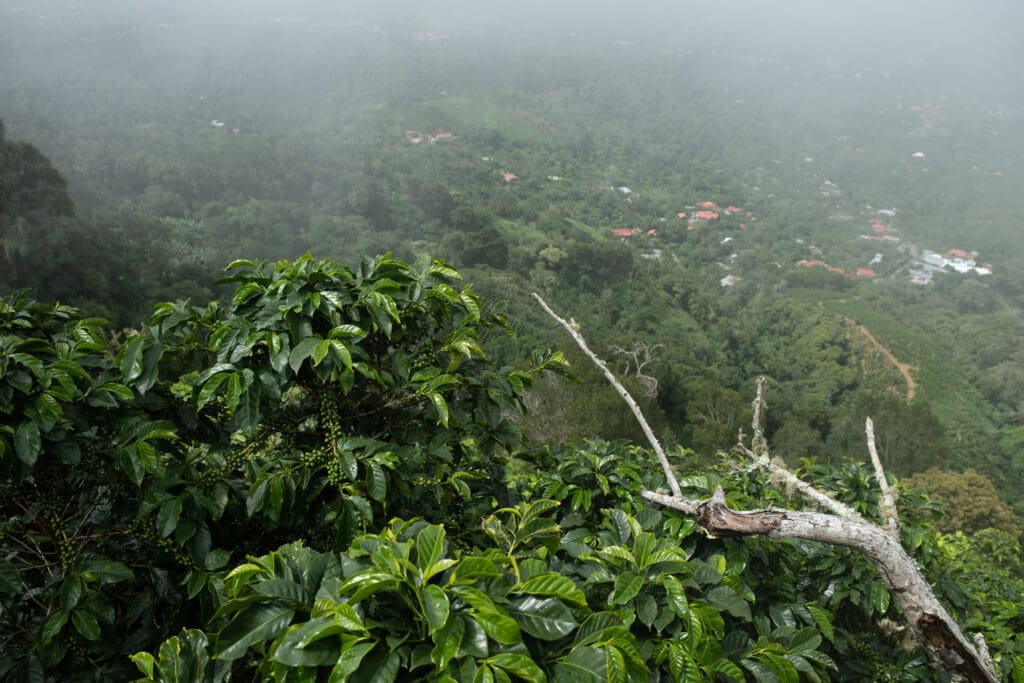
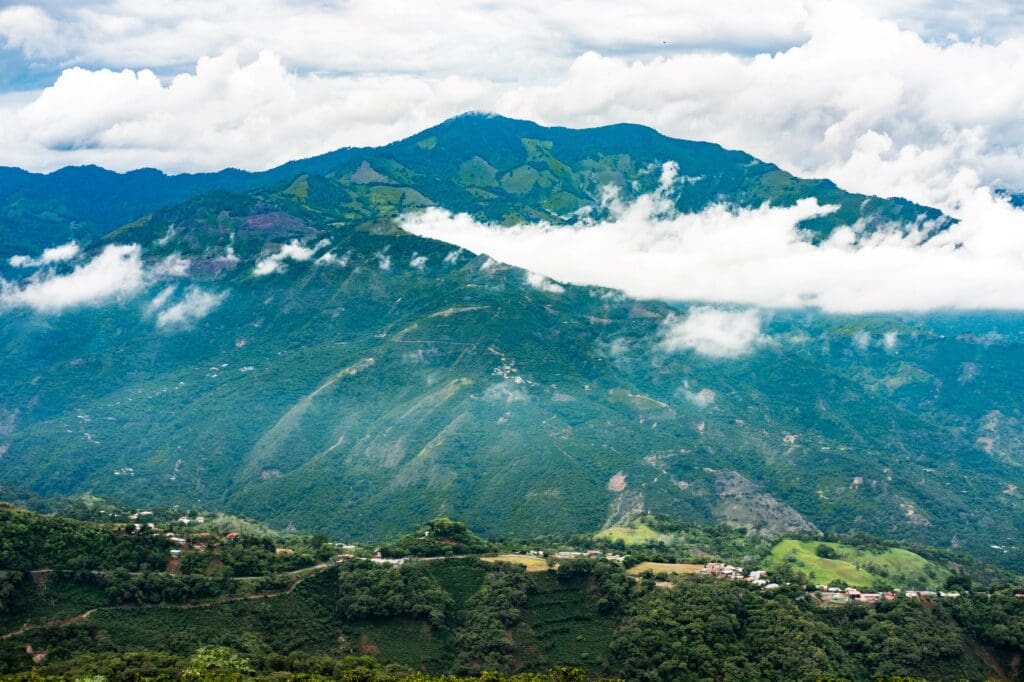
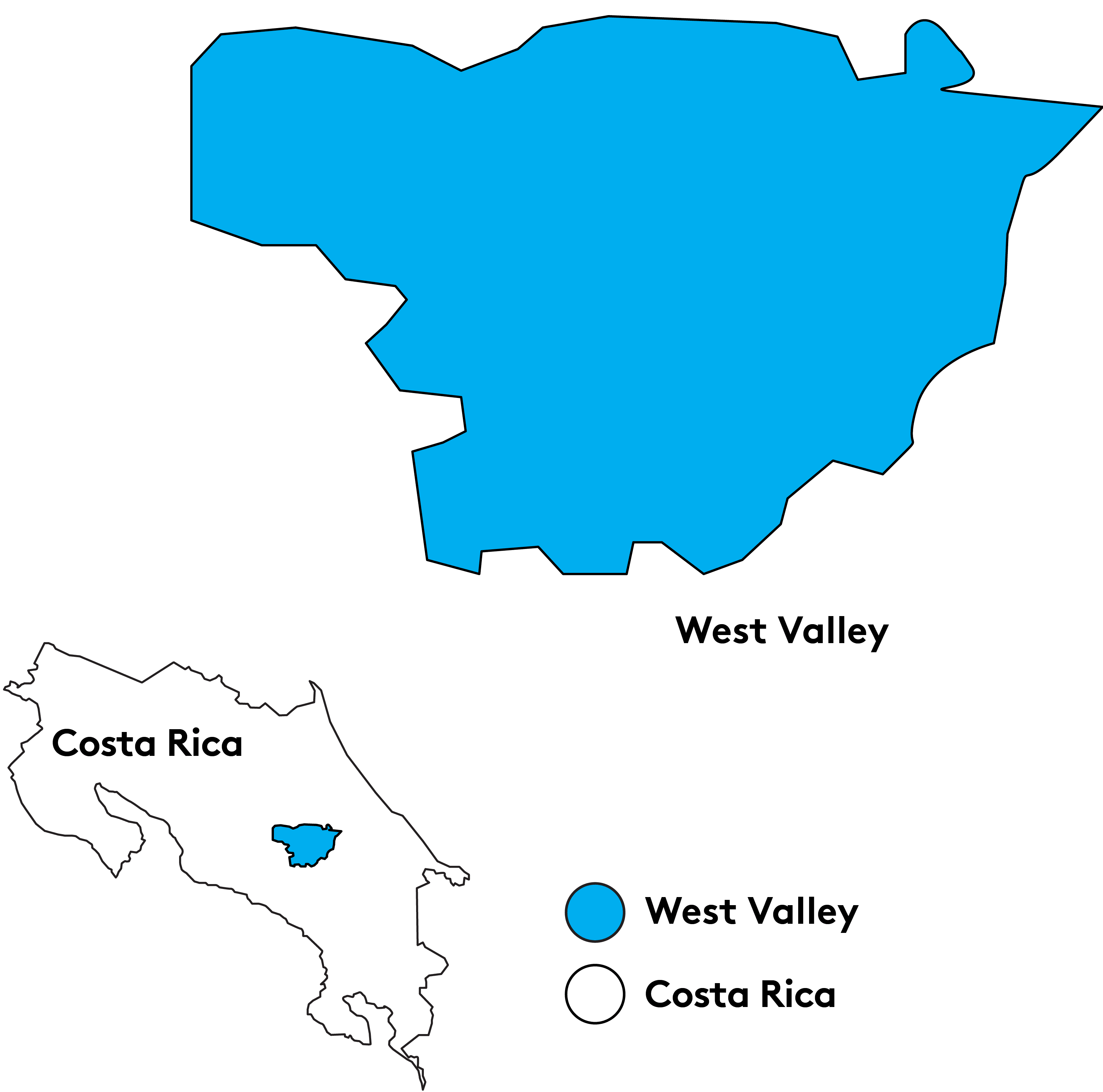
Tres Nubes brings together coffees from Costa Rica’s most renowned highland regions, where volcanic soils and the cool mist of the Central Volcanic Mountain Range create ideal conditions for specialty coffee. Cultivated by smallholder farmers in the West Valley at elevations between 1,200 and 1,500 meters, primarily of the Caturra and Catuaí varieties, this blend reflects the country’s heritage of quality and consistency. Classified as SHB EP (Strictly Hard Bean, European Preparation), it meets the standard for coffees grown above 1,200 meters and undergoes rigorous sorting and defect screening to ensure uniformity and quality.
The name Tres Nubes evokes the landscapes of farms that reach into the clouds, where nature’s conditions harmonize to deliver a well-rounded and satisfying cup.
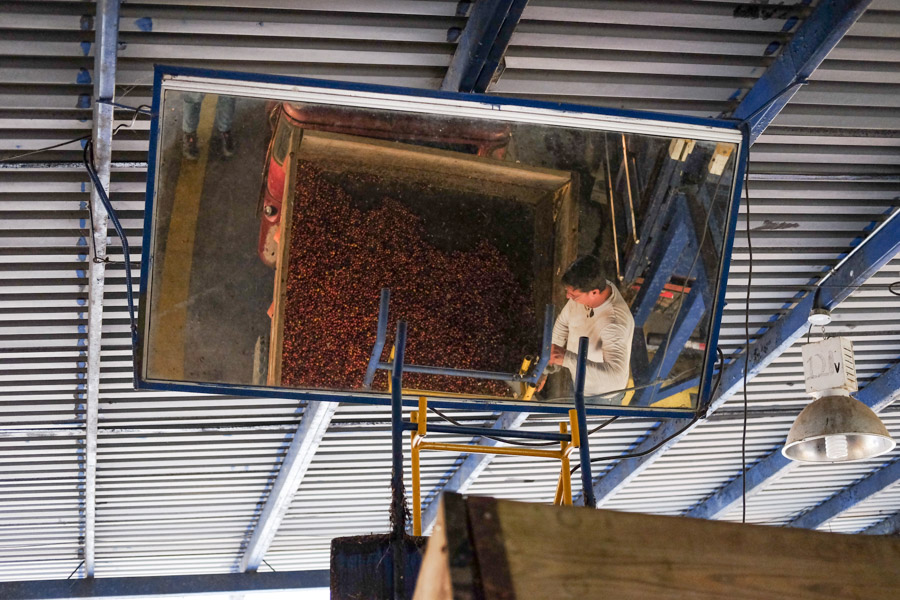
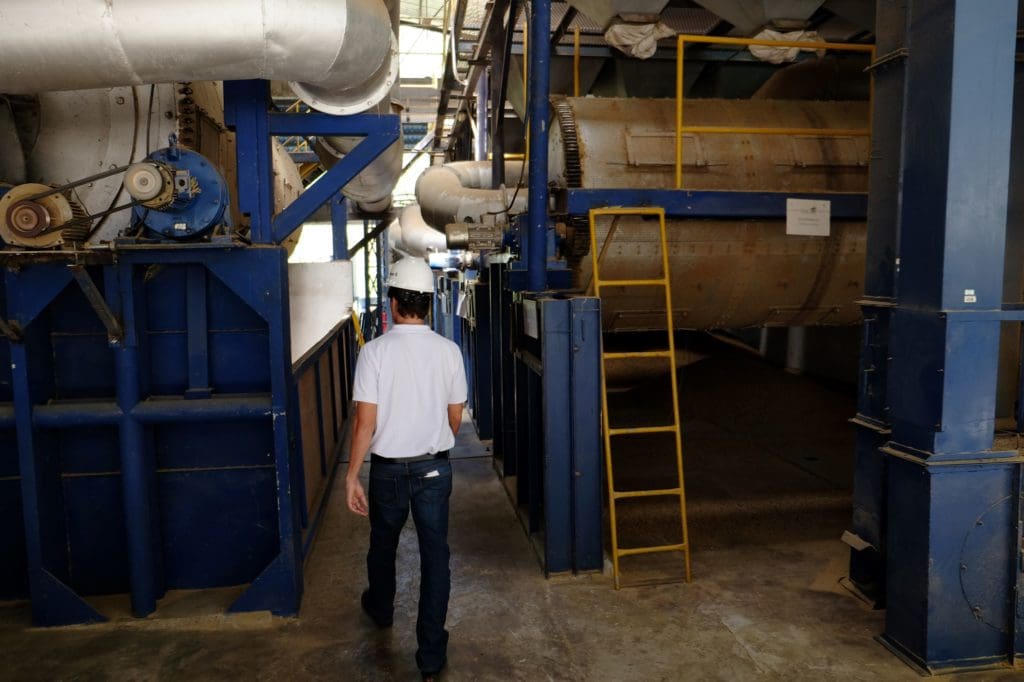
Harvested coffee is transported daily from the farms to the Palmichal wet mill, where it is processed in their micromill. The Palmichal wet mill is a community mill owned and operated by CECA, one of Costa Rica’s major exporting companies. Traditionally dedicated to processing conventional coffee, since the mid-2010s it has expanded its operations to serve both specialty producers and roasters.
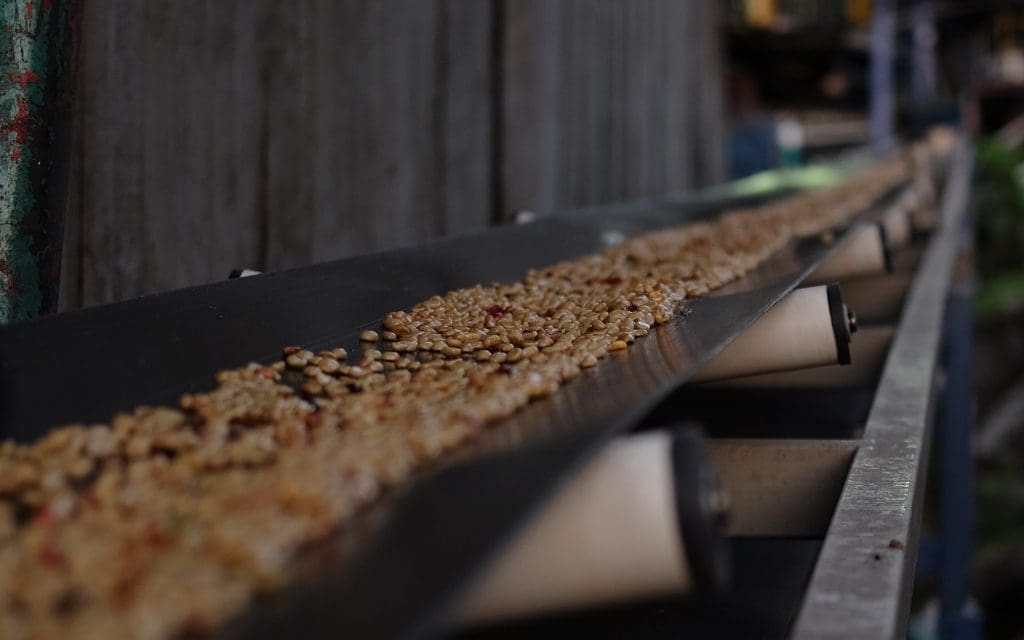
The town of Palmichal, conveniently located between the Central Valley and Tarrazú regions, provides access to multiple coffee-producing areas. A big part of Costa Rica’s adaptation to the specialty coffee market has been the construction of parallel infrastructure: large mills handle thousands of kilos of cherry together to ensure consistency in volume, while micromills focus on microlots to preserve unique flavor profiles. In Palmichal’s case, the addition of an extra hopper and a state-of-the-art demucilager for washed processing are the key features of its micromill within the larger mill.
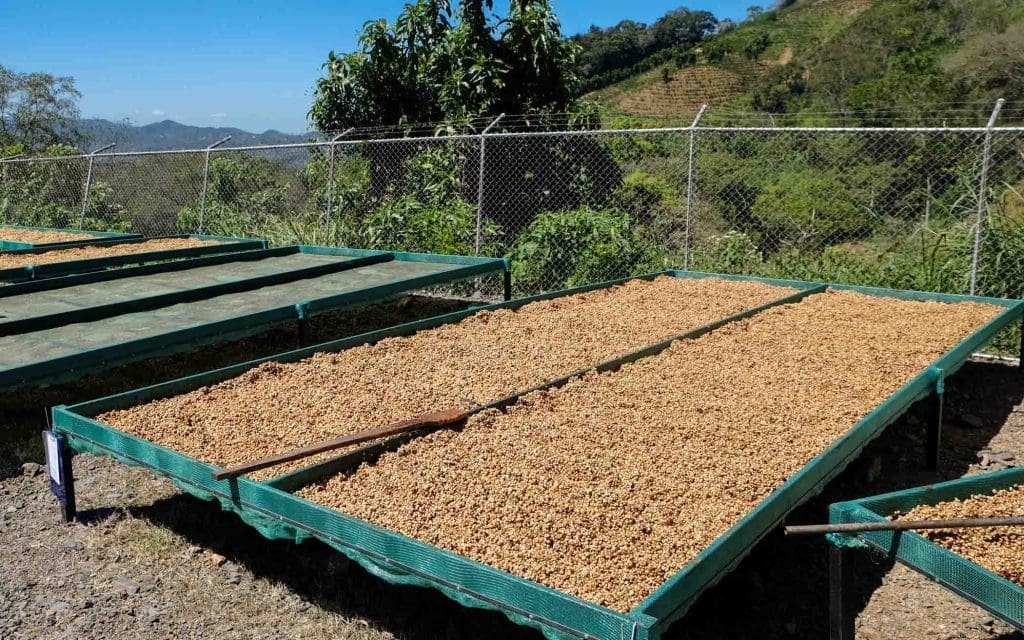
This blend underwent washed process followed by drum drying.