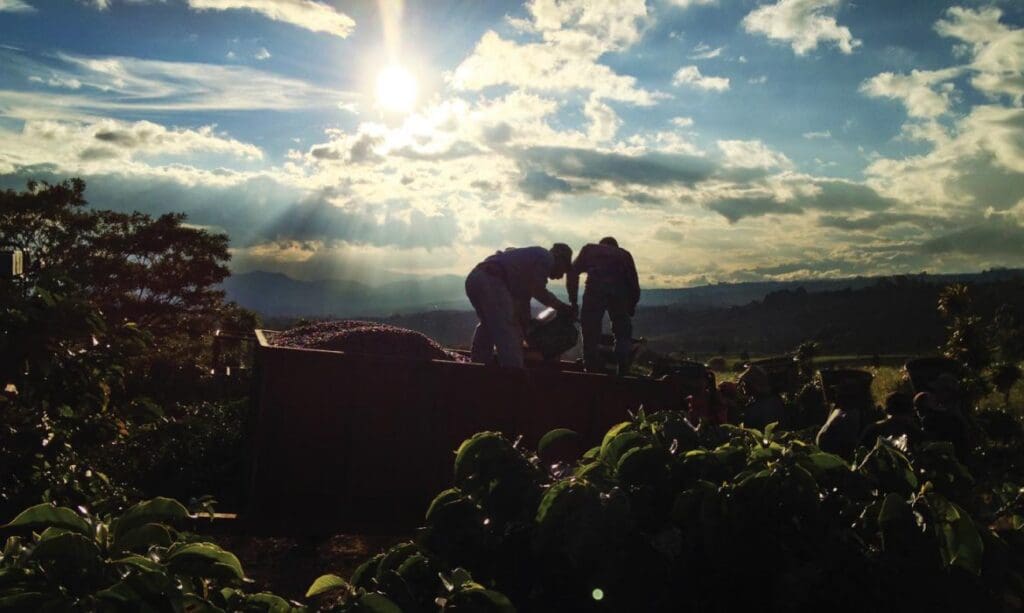
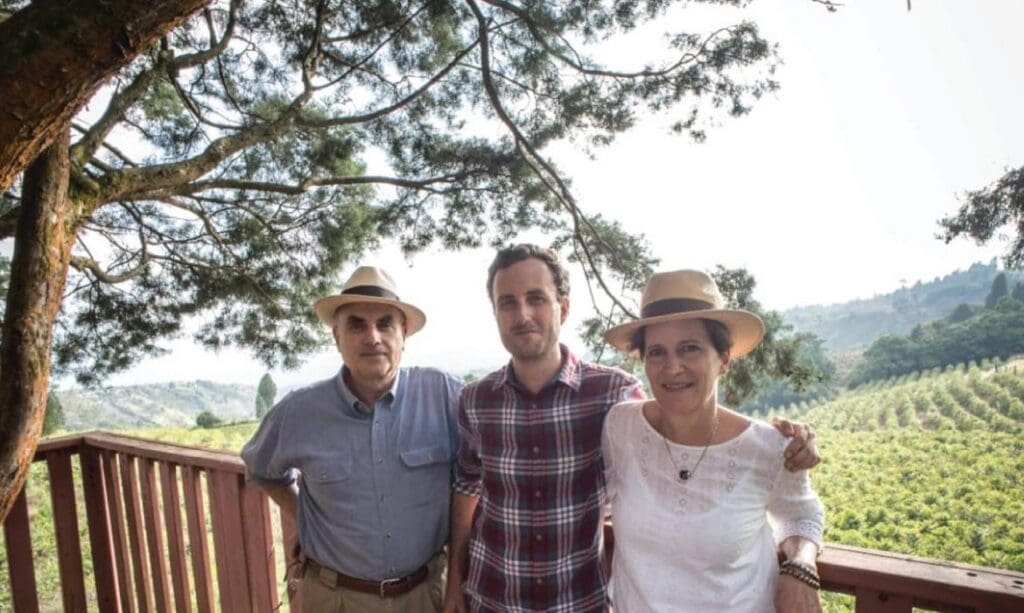
Volcán Azul is one of Costa Rica’s most historically significant coffee estates, with a family tradition in coffee production that dates to the mid-19th century. The Castro Kahle family has been involved in coffee cultivation and export for more than five generations, playing an important role in the development of Costa Rica’s reputation as a producer of high-quality Arabica.
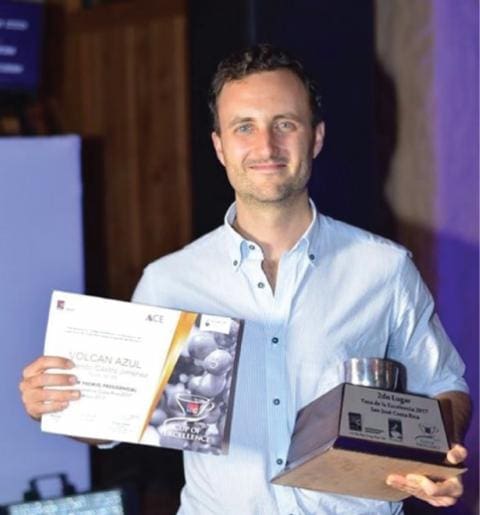
The farm is currently managed by Alejo Castro Kahle, fifth-generation producer, who has continued to modernize the estate while preserving its historical legacy. Under his leadership, Volcán Azul has become widely recognized within the specialty coffee sector for its focus on varietal development, microlot separation, and meticulous farm management.
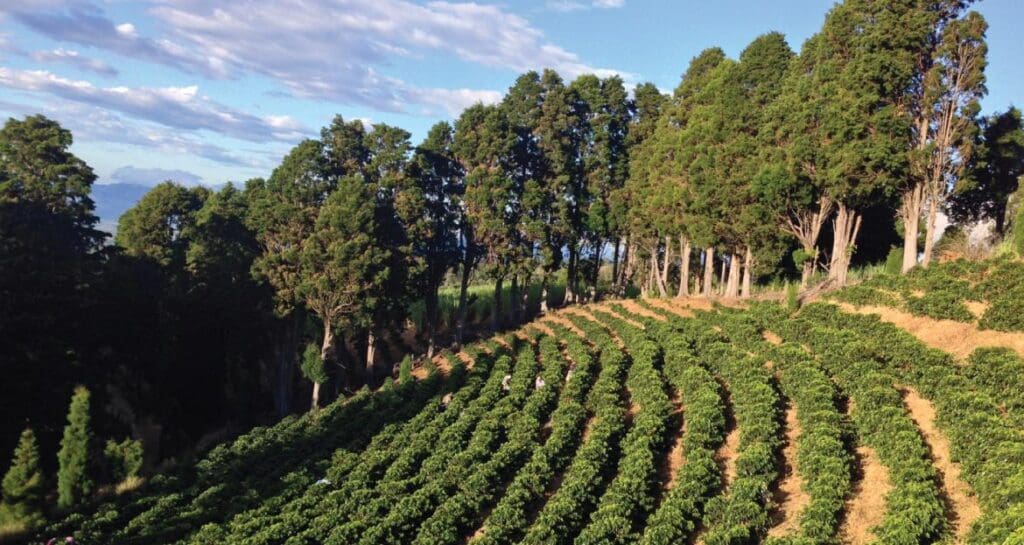
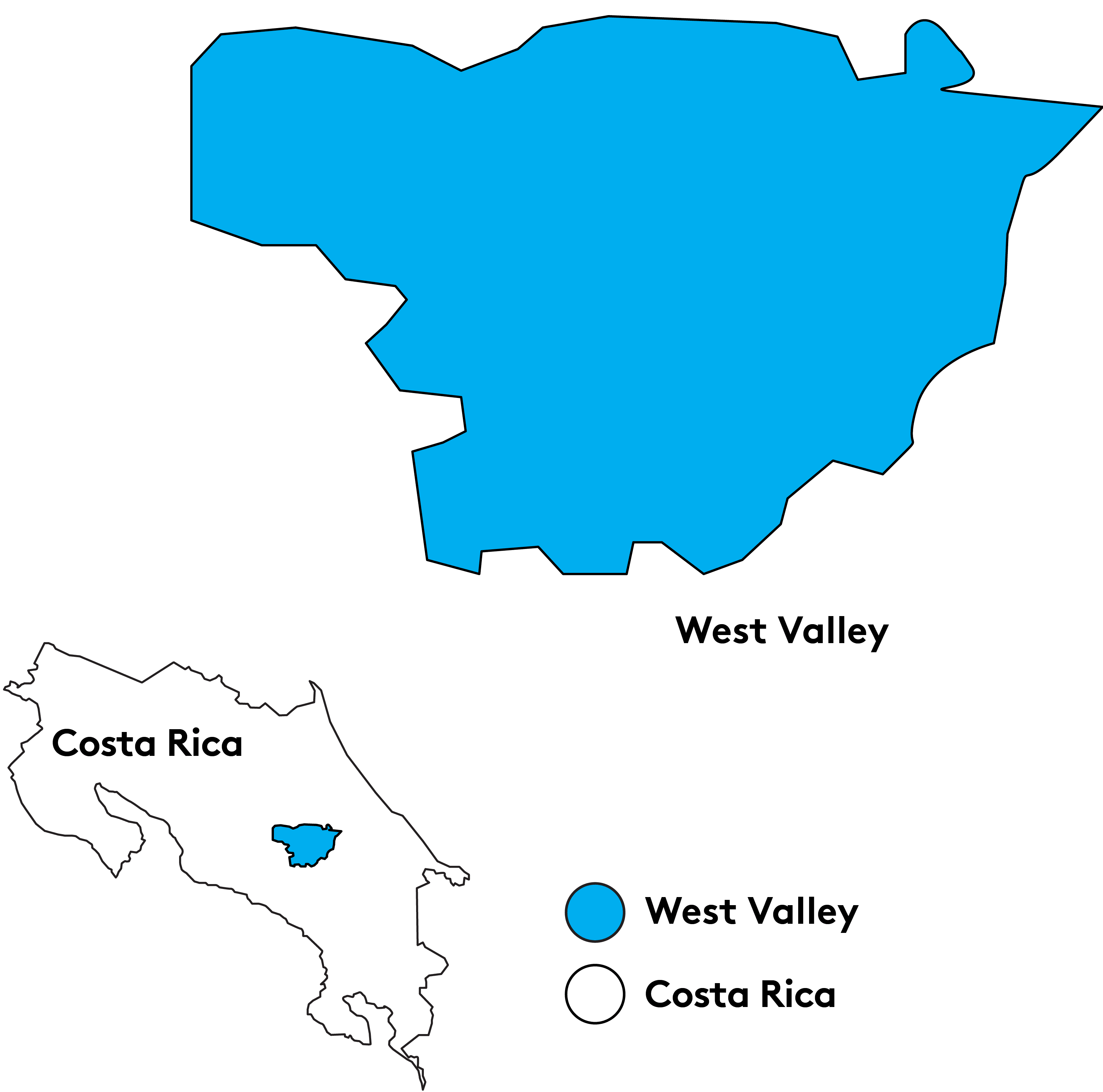
Located on the slopes of the Poás Volcano in Costa Rica’s West Valley (Valle Occidental), the estate benefits from mineral-rich volcanic soils and high elevations that have historically made this region one of the country’s most important coffee-producing areas.
Beyond coffee production, the Castro Kahle family has committed significant portions of their land to forest conservation. Native forest areas are preserved as part of a long-term environmental stewardship approach aimed at protecting biodiversity and maintaining ecological balance within the farm ecosystem.
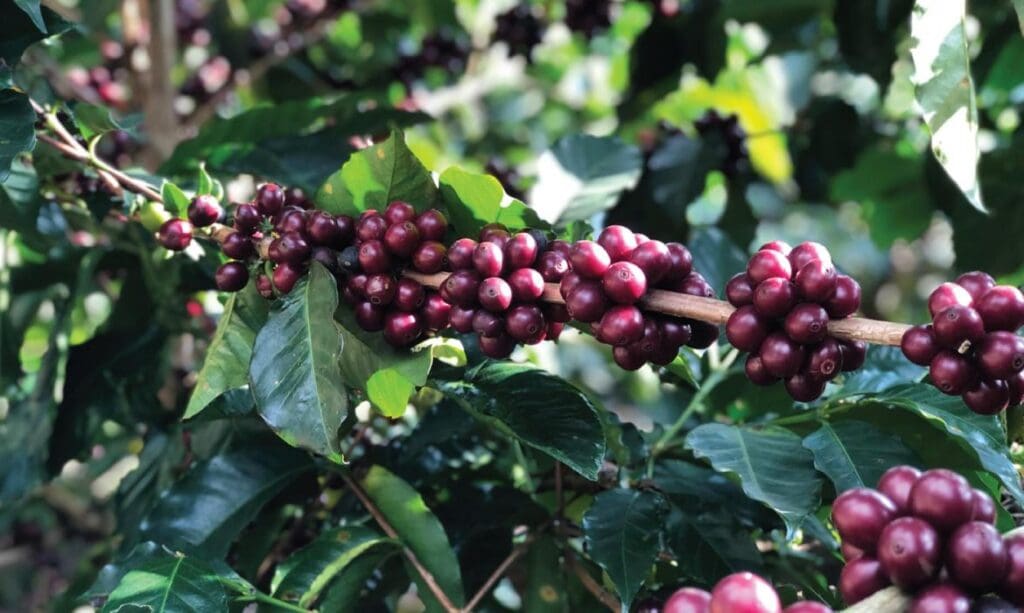
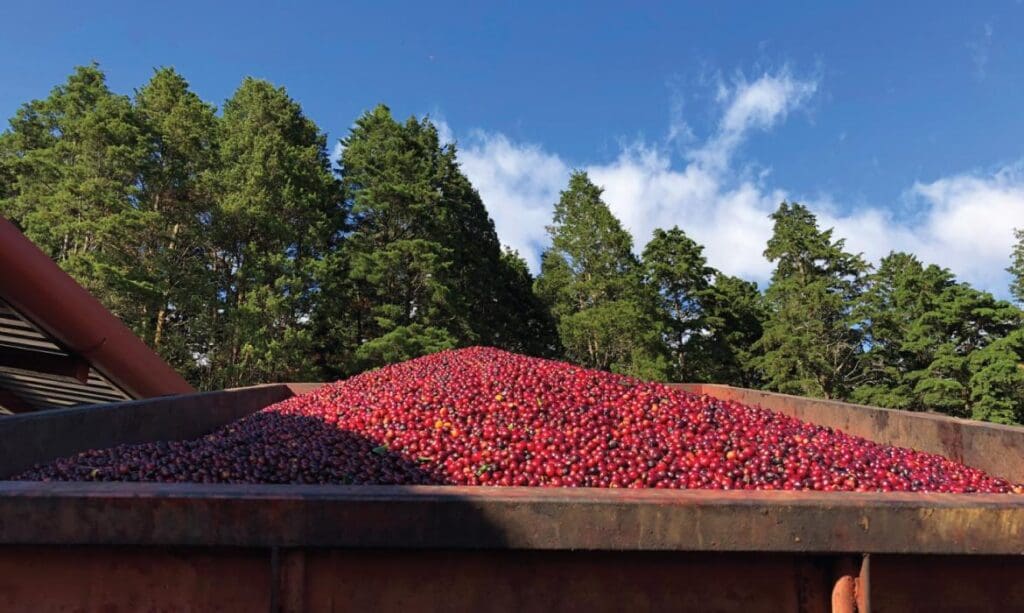
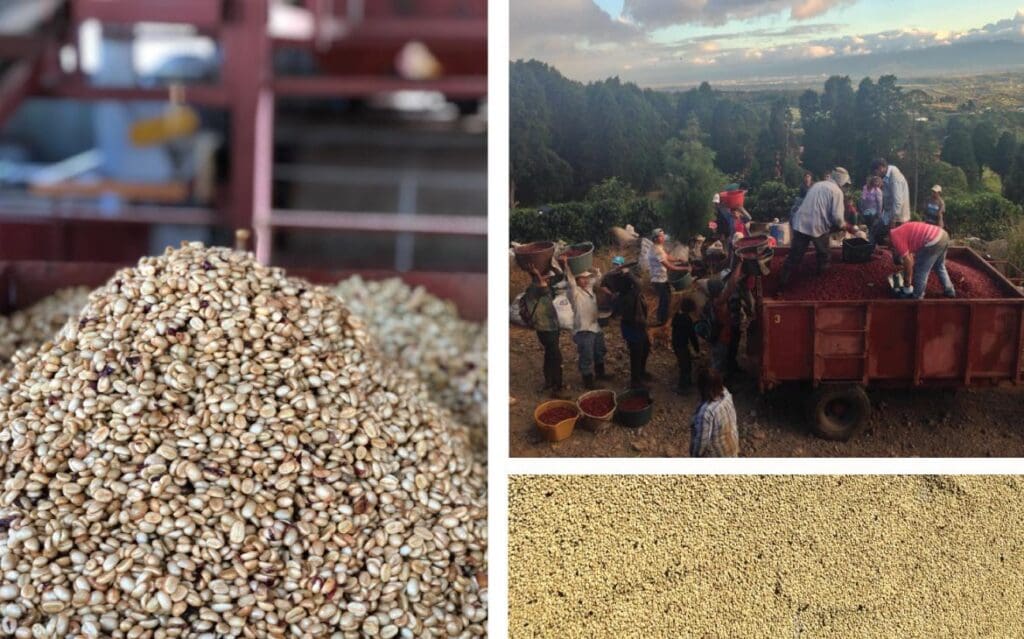
This lot of Caturra was processed as honey. Ripe cherries were selectively handpicked and delivered to the mill the same day to ensure consistency and quality control. After flotation and sorting, the cherries were pulped, removing the outer skin while intentionally leaving a measured layer of mucilage attached to the parchment.
At Volcán Azul, honey processing is managed with precision. The amount of mucilage retained is carefully controlled, and the parchment is spread in thin layers on patios. During drying, the remaining sugars in the mucilage gradually interact with the bean as moisture levels decrease. The coffee is regularly turned to promote even drying and prevent over-fermentation. This controlled drying phase typically continues until the coffee reaches a stable moisture content suitable for milling and export preparation.
Once dried and stabilized at origin, the lot underwent Swiss Water® decaffeination. The Swiss Water® Process is a chemical-free method that removes caffeine using water, temperature, and time rather than added solvents. Through a proprietary filtration system and osmotic principles, caffeine is extracted while preserving the coffee’s structural components and flavor integrity. After decaffeination, the coffee is dried back to its target moisture content and prepared for shipment