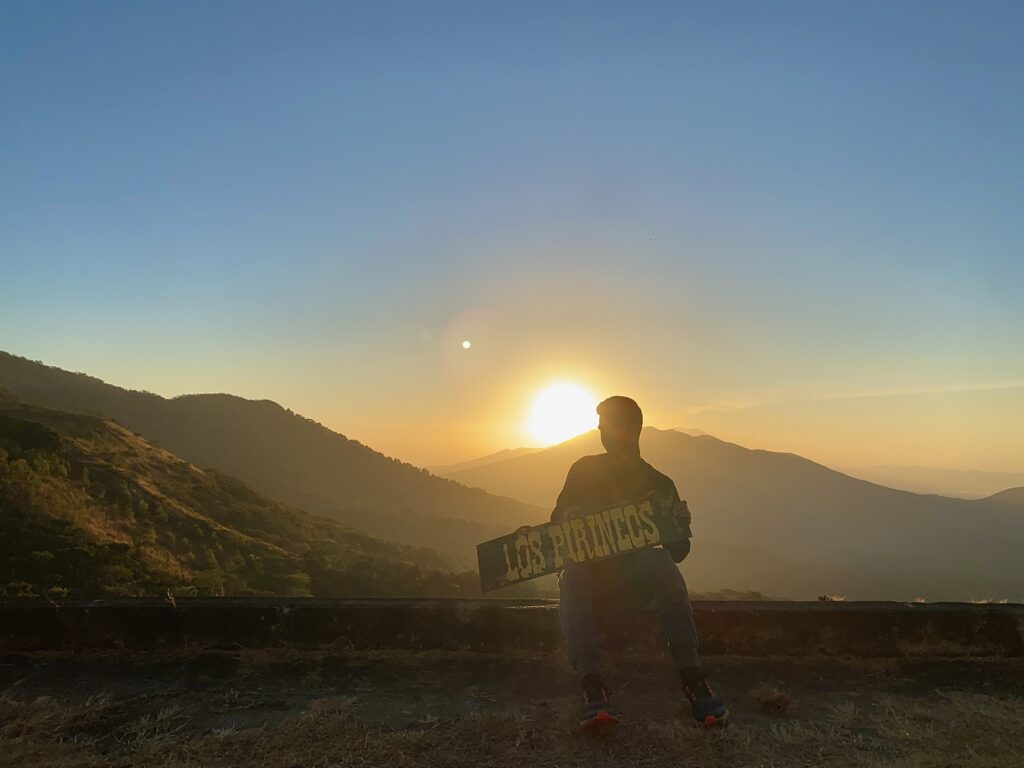
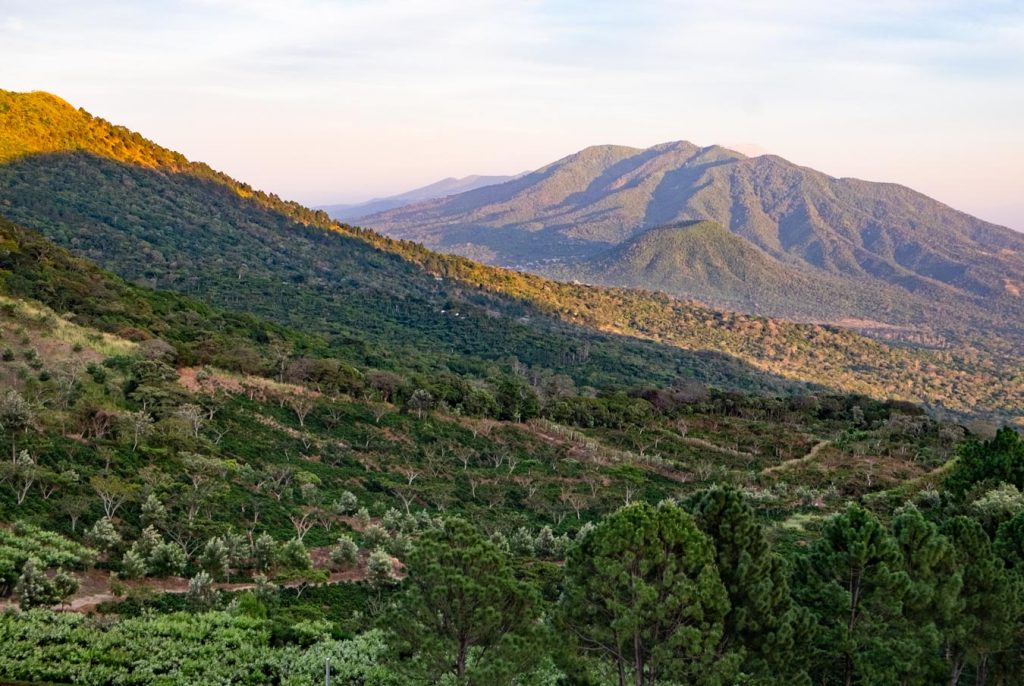
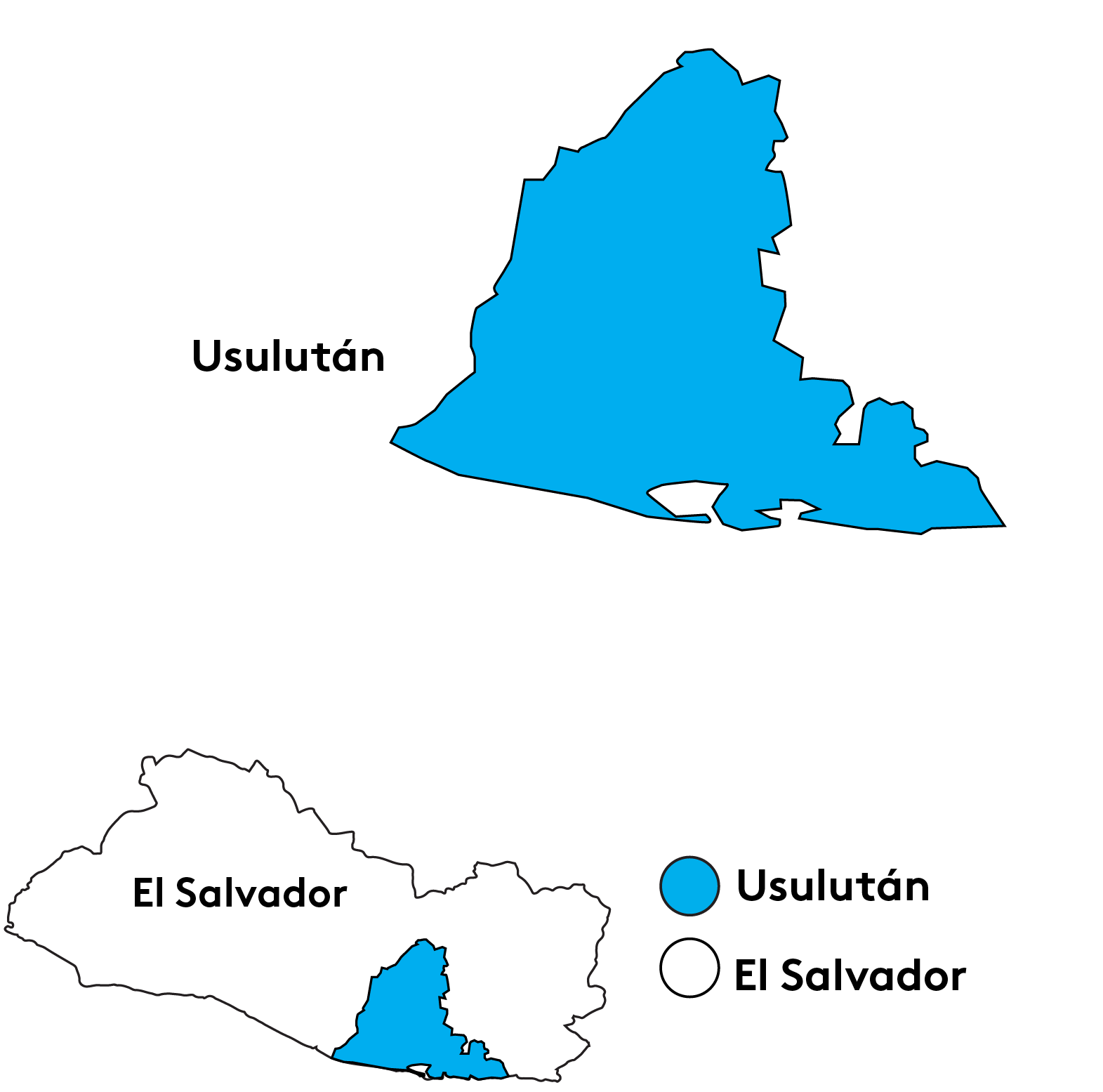
Found in the Usulután department of El Salvador, Los Pirineos farm is operated by fifth-generation coffee producer Diego Baraona. Diego took the helm at the farm in 2020 following his father’s passing and now works to carry on the tradition and legacy of not only his father Gilberto, but the more than 130 years of experience, history, and knowledge that his family has in coffee cultivation.
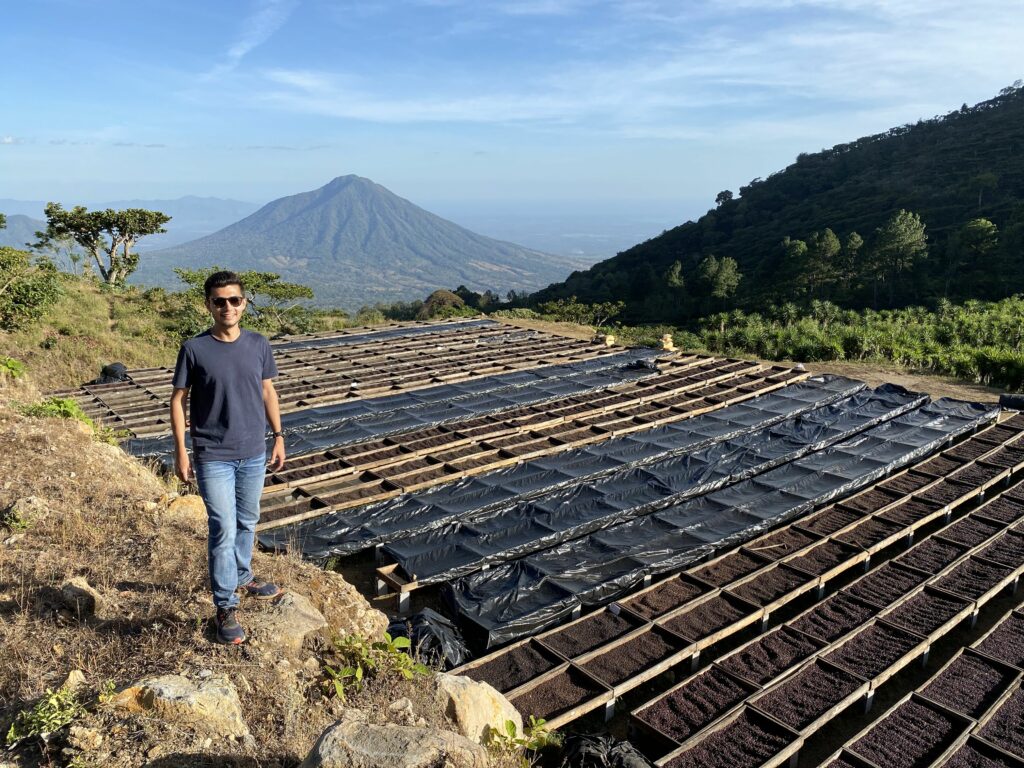
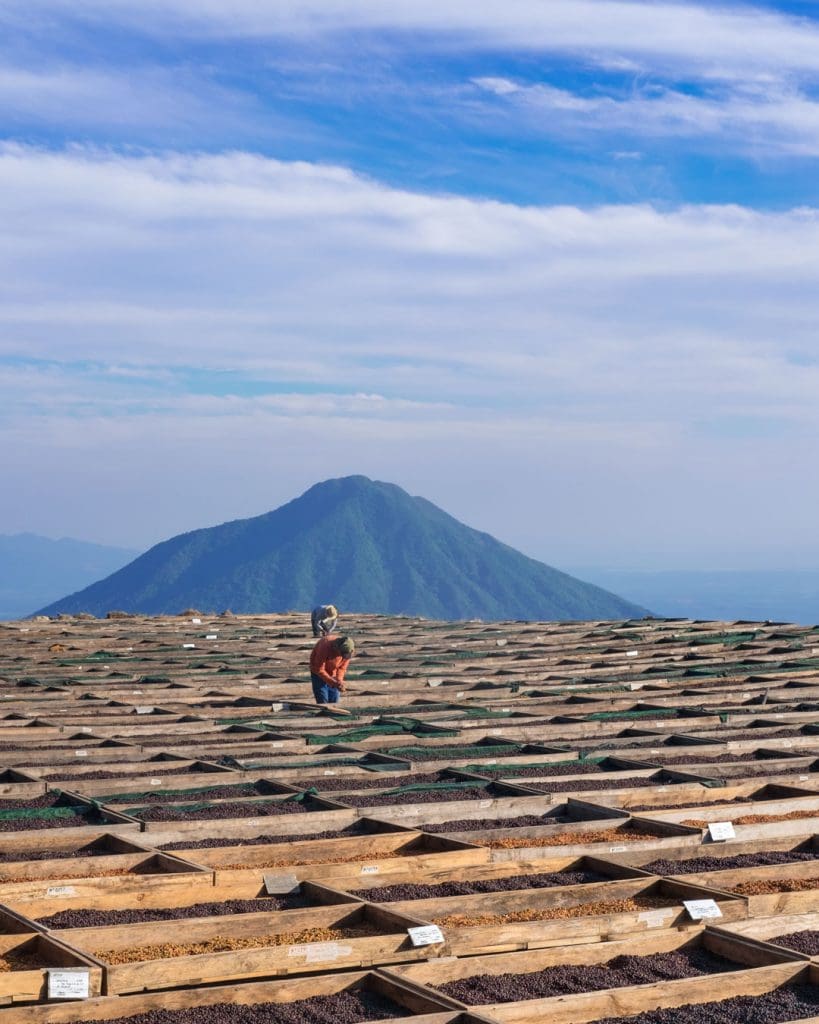
The farm sits 1400 meters above sea level on the slopes of a stand-alone volcano. This unique positioning provides a microclimate unlike any other with sun-filled days and cool breezes, creating an environment ideal for coffee production, processing, and drying. This climate is capitalized on especially well in the drying area of the farm where raised drying beds are positioned between two peaks, creating a wind tunnel through which a breeze constantly flows. The beds are exposed to the sun for twelve hours per day while the temperature is regulated by the persistent wind, creating an ideal environment for producing Honey and Natural coffees.
Across Los Pirineos there are around 20 coffee varieties in production—including Rume Sudan, SL-28, Batian, and Gesha—though Pacamara and Bourbon are the staple coffees making up approximately 80% of the farm’s volume. Along with the 20 varieties that are in production on the farm, Los Pirineos also keeps its own coffee variety garden and nursery containing approximately 70 different varieties of coffees. This work with varieties was a passion for Diego’s father Gilberto, and is a passion that Diego intends to carry on into the future of the farm by continuing to grow and experiment.
While quality is certainly important at Los Pirineos, Diego keeps an eye toward environmental and social responsibility as well. All of the water used in production and processing of the coffee comes from collected rainwater. Bees are also kept here, both to produce honey and to contribute to the local ecosystem in a variety of ways. Diego employs around 60 people on the farm, and works to make sure that the people who harvest the coffee are also working on other projects on the farm year-round for consistent and sustainable work. All of the coffee at Los Pirineos is shade grown under trees planted by Diego’s father Gilberto, which provide not only quality growing conditions for the coffee, but additional habitat space for local fauna.
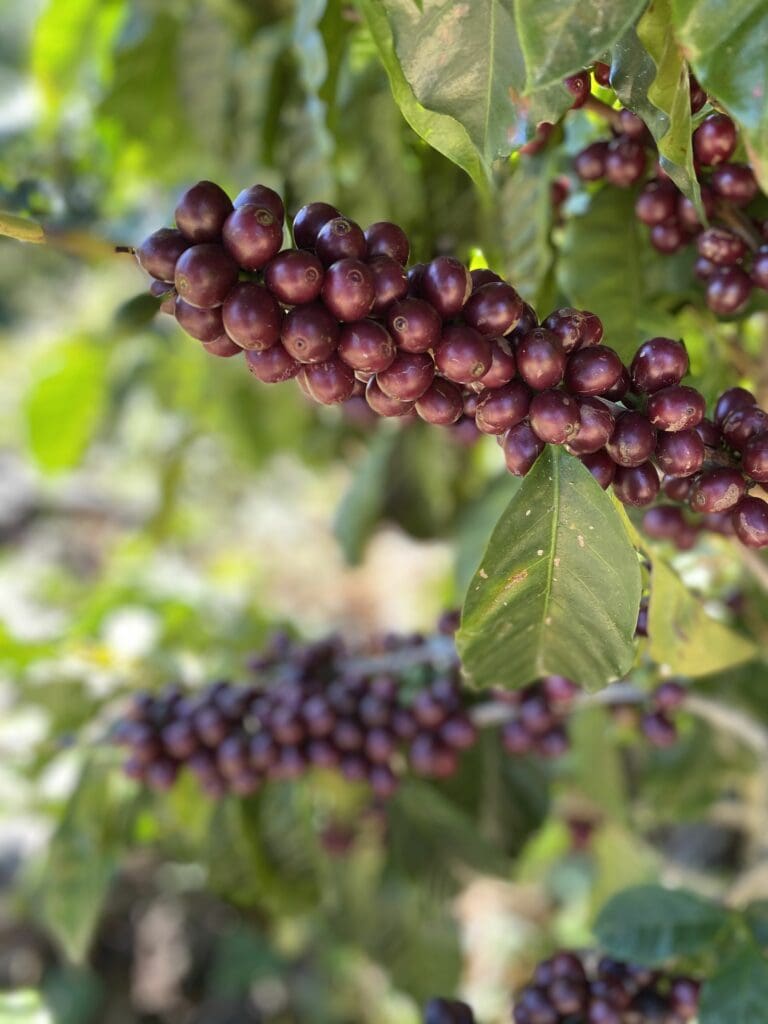
This lot underwent a honey process, beginning with the careful harvest of fully ripe cherries selected at 20–22° Brix. Only dark red cherries were picked and kept separated by individual sections of the farm to preserve traceability and highlight the distinct characteristics of each area.
After harvest, the cherries were floated during the pulping stage to remove low-density fruit before being mechanically depulped. The skin and a portion of the fruit were removed, leaving a thin layer of sweet mucilage surrounding the parchment. The coffee then underwent a 10–14 hour dry fermentation in shaded, tiled fermentation tanks (pillas), allowing the remaining sugars to contribute complexity and sweetness to the final cup.
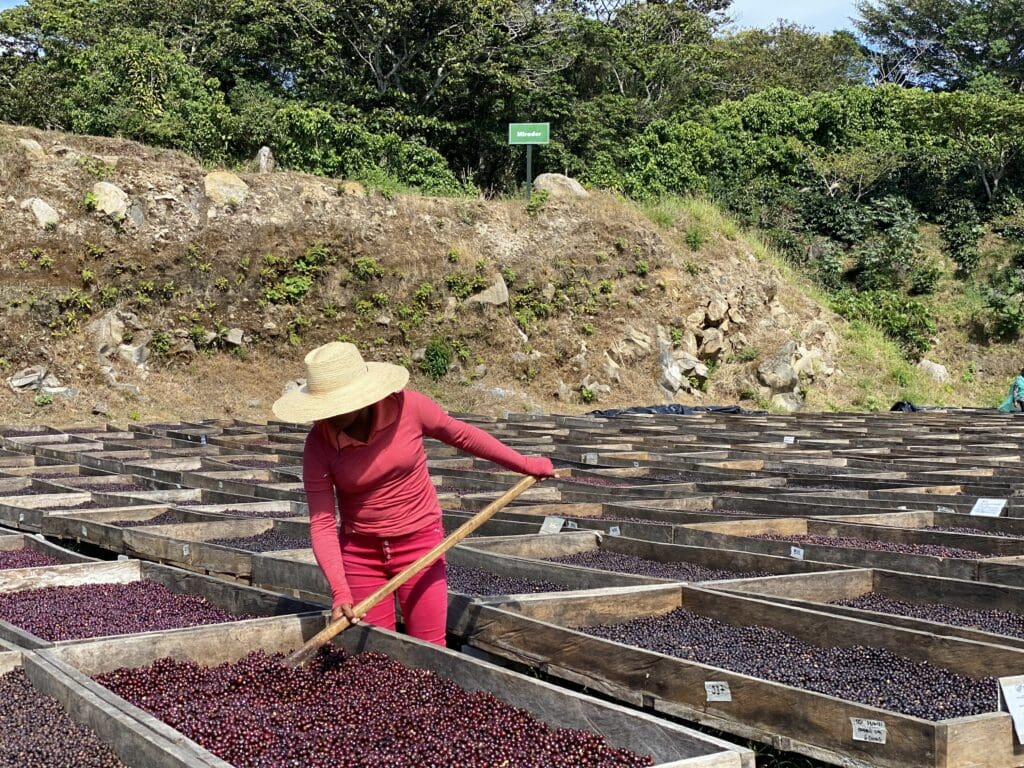
Following fermentation, the coffee was spread on raised beds (serandas) under shade for the first two days, encouraging a slow and even start to the drying process. It was then moved into full sun to continue drying until reaching a final moisture content of 10–12%. Depending on weather conditions, drying typically takes 15–20 days.
Once the desired moisture level is achieved, the coffee is rested and stored in parchment until milling and preparation for export.