Region
Dota
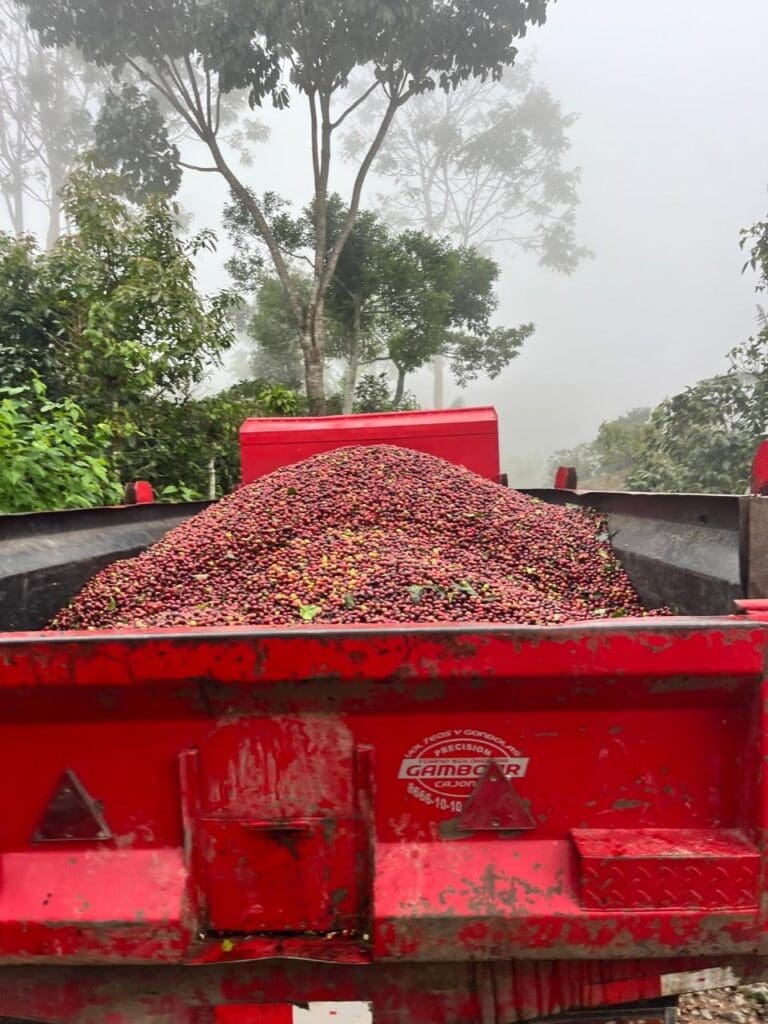
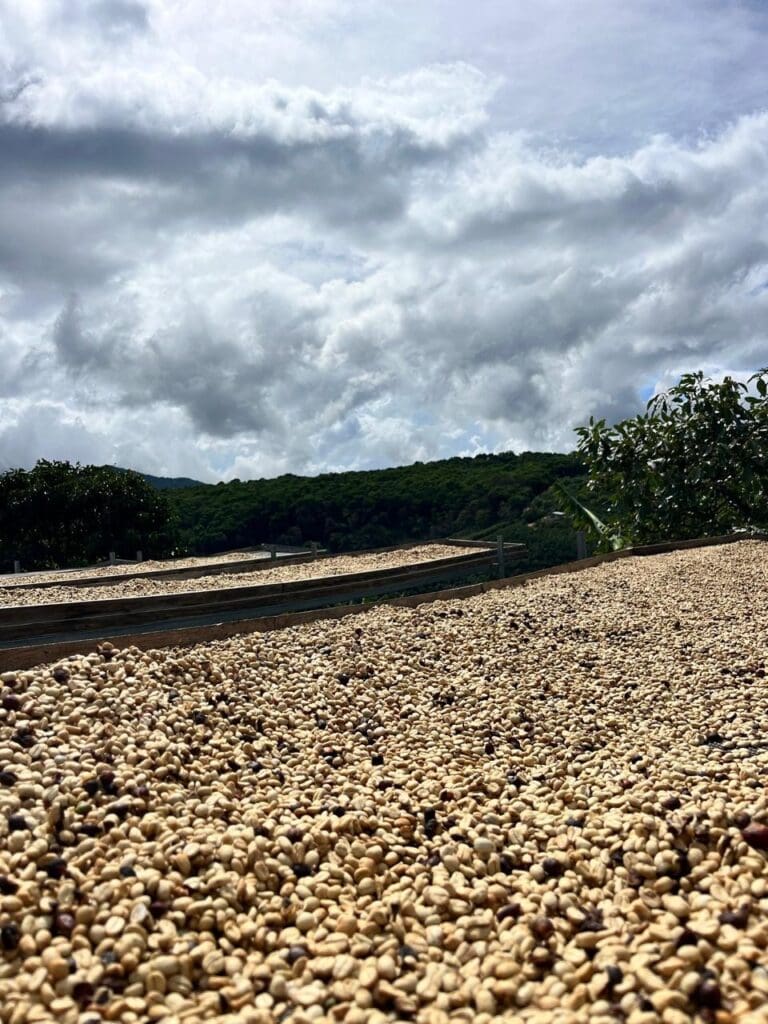
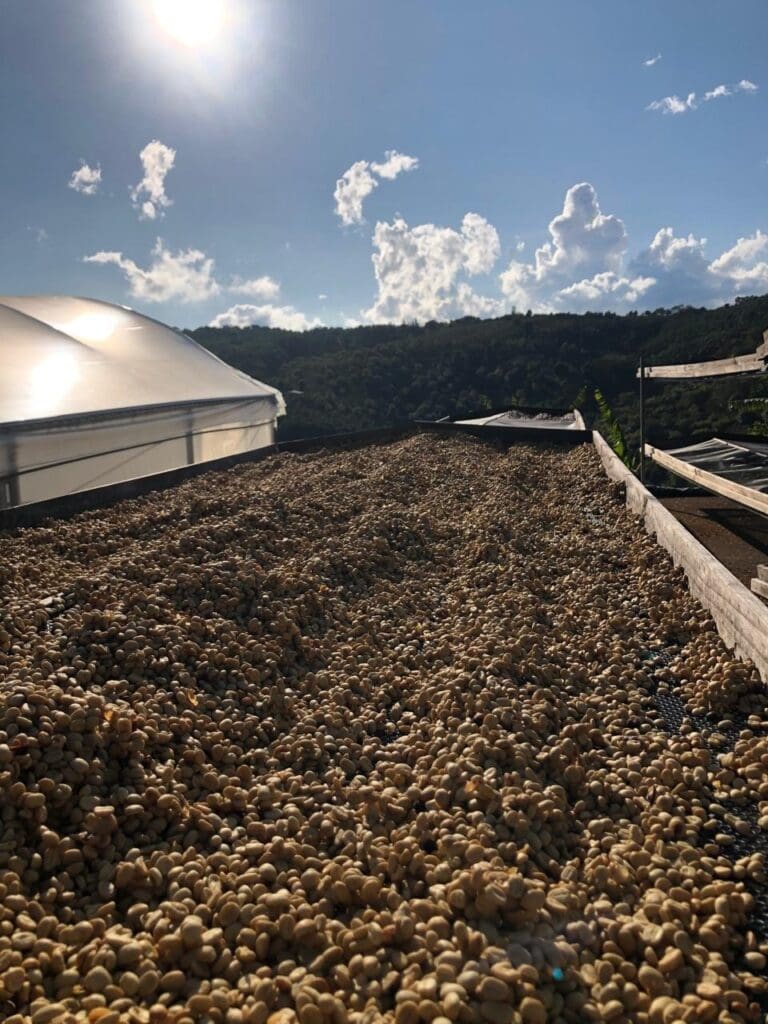
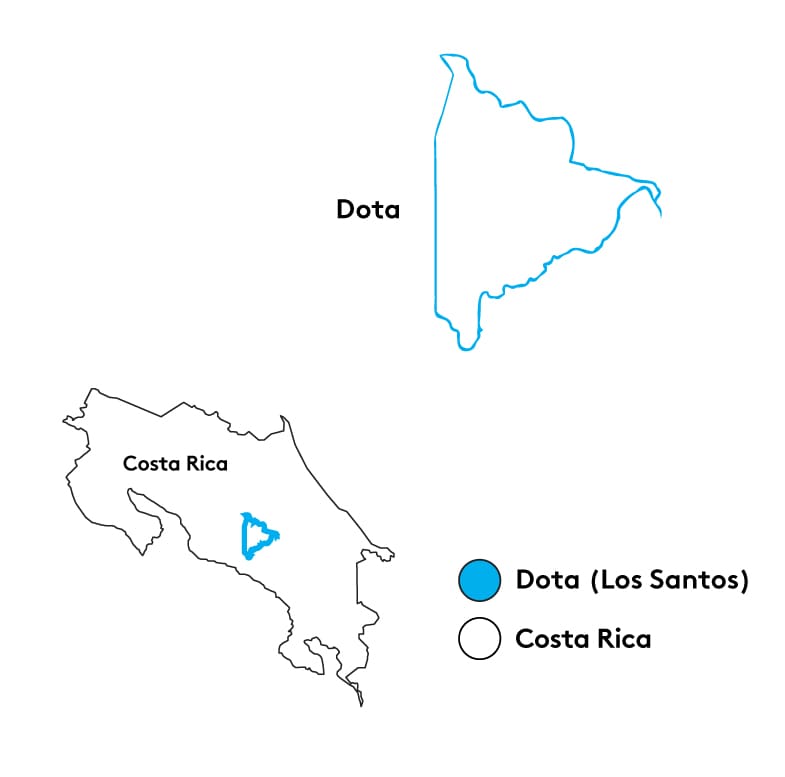
Dota is a canton located in the province of San José, in Costa Rica’s Central Valley, and is part of the renowned “Zona de Los Santos,” which also includes the neighboring cantons of Tarrazú and León Cortés. This region is known for its high elevations, cool climate, and strong coffee-growing tradition. Many farms in Dota are situated above 1,800 meters above sea level, with some reaching beyond 2,000 meters—conditions that support the production of dense, high-quality coffee.
The climate in Dota features two distinct seasons: a rainy season from May to November, followed by a dry season from December to April. These clearly defined periods allow for uniform flowering and ripening of coffee cherries. Average annual rainfall is around 2,400 millimeters, and temperatures remain mild year-round, averaging 19°C.
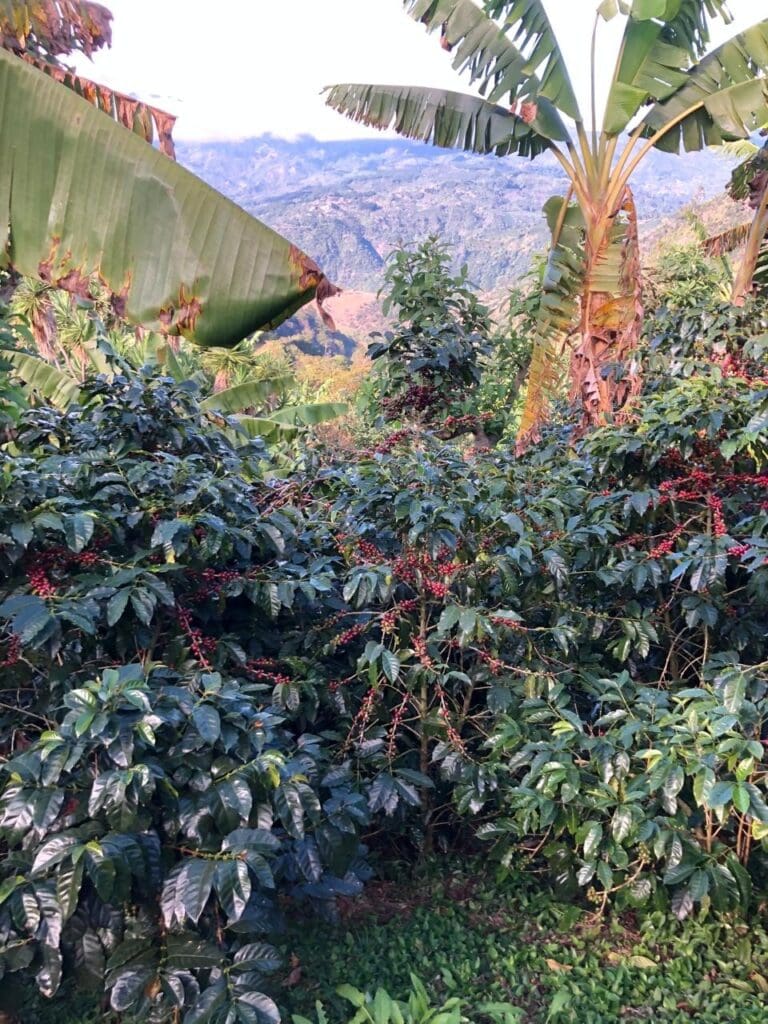
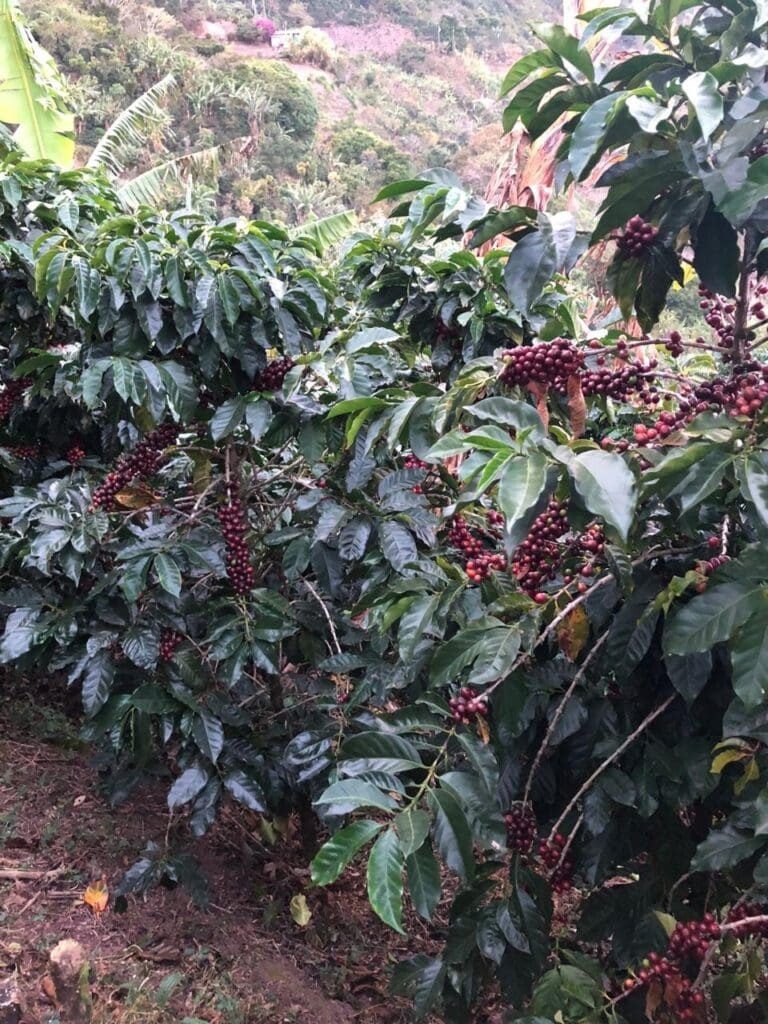
The mountainous landscape and volcanic soils of Dota are well suited for coffee cultivation. Smallholder farmers often manage mixed-use farms that include coffee alongside crops like citrus, bananas, and avocados. Many producers in the region maintain patches of native forest and use shade trees to preserve biodiversity and protect natural water sources. Coffee production in Dota is strongly rooted in family tradition and community values, with a growing focus on quality, traceability, and environmental stewardship.
If you want to learn more about the new division of Costa Rica’s coffee regions, check out our Instagram post.