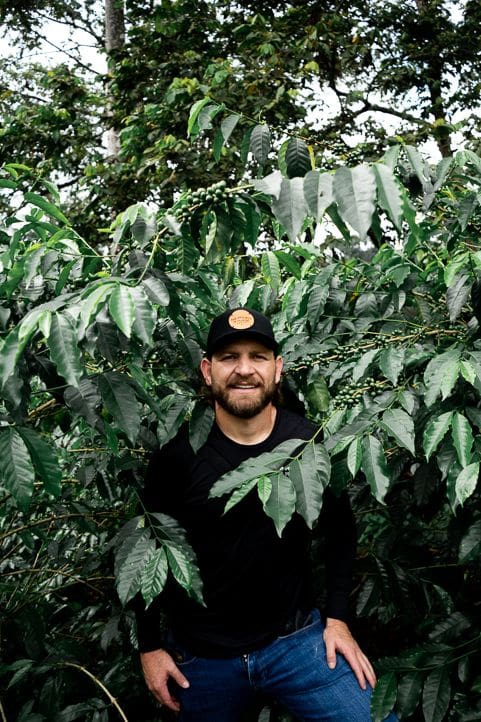
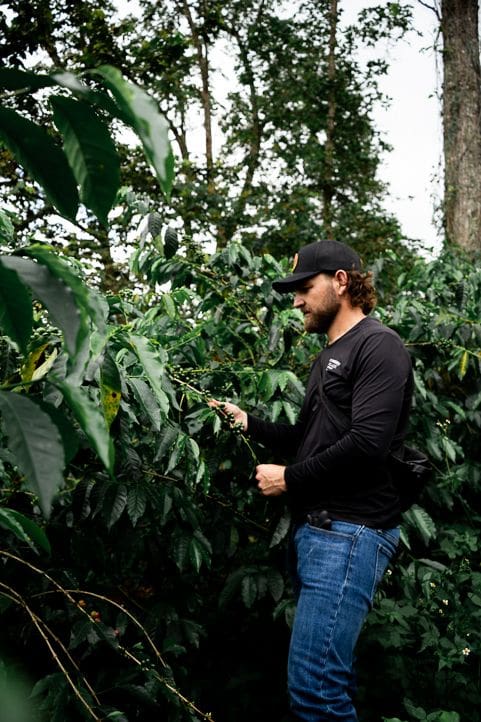
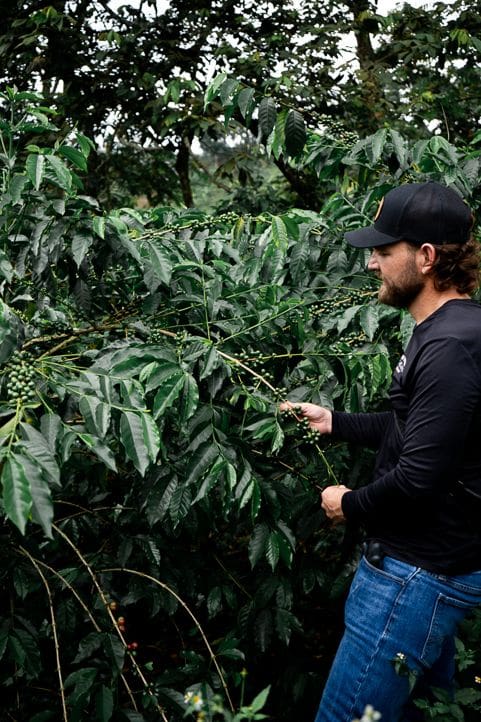
Sebastián Ramírez is a fourth-generation coffee producer from Quindío, Colombia, raised in a family whose livelihood has long been connected to coffee production. Growing up on the farm, he developed an early understanding of cultivation and processing through direct involvement in day-to-day farm activities.
Around 12 years ago, Sebastián began shifting his focus toward specialty coffee with the intention of exploring coffee beyond traditional production models. His interest in fermentation, processing techniques, and sensory development led him to experiment with controlled processing methods and more intentional cup profile development, establishing the foundation for what would later become El Placer Farms.
Today, Sebastián leads El Placer Farms, a project focused on producing high-quality coffees through carefully controlled and innovative processing methods. The project works across a wide spectrum of profiles, from clean and traditional expressions to more experimental fermentations, always with an emphasis on balance, consistency, and traceability.
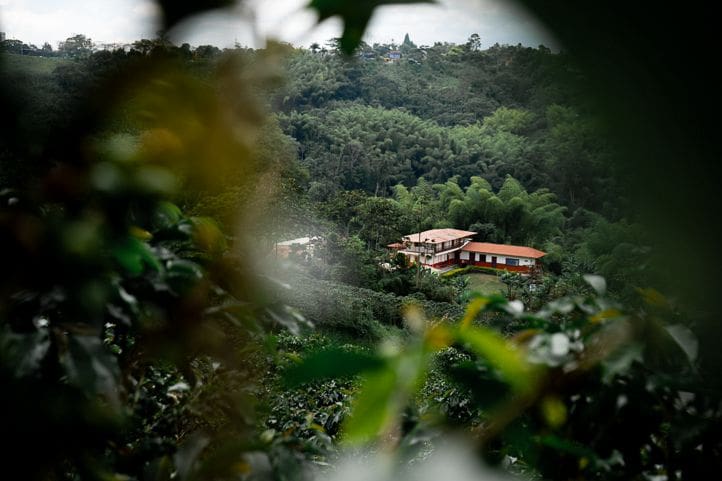
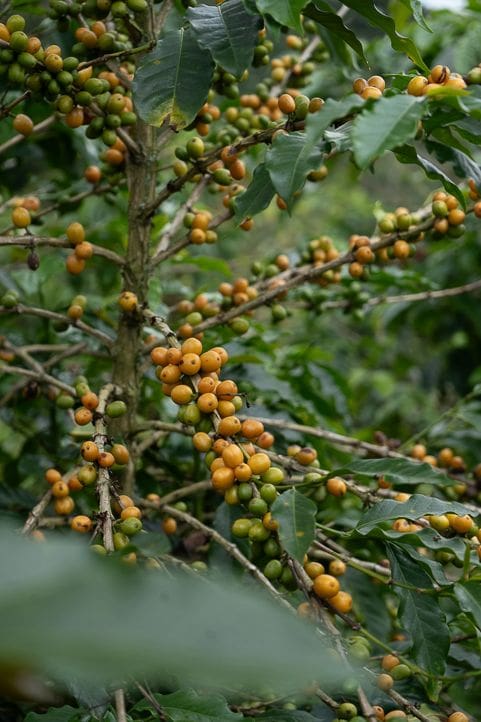
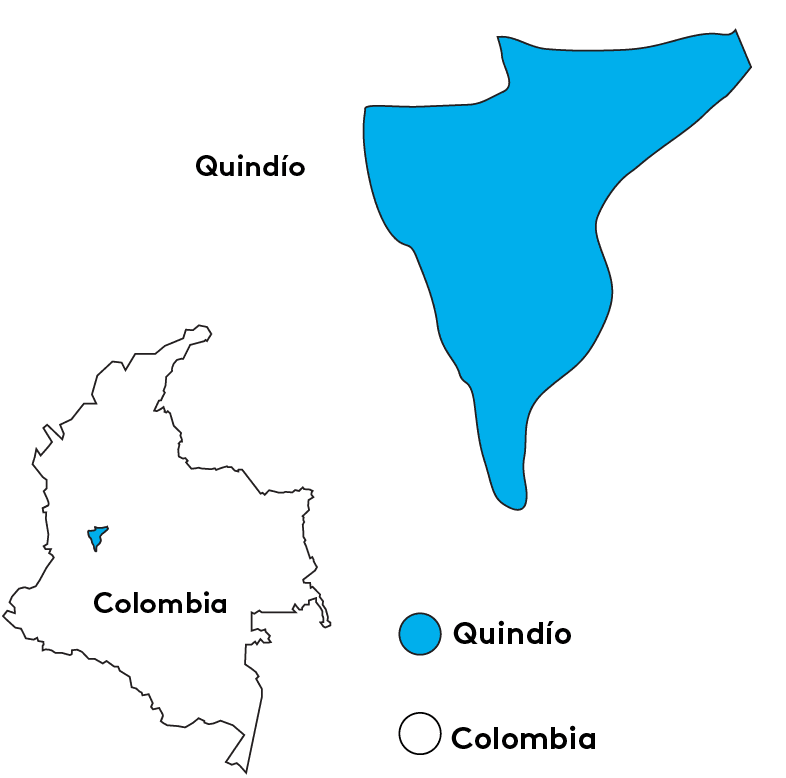
Located in Quindío, El Placer Farms benefits from conditions well suited for specialty coffee production, including volcanic soils, high elevations, and stable climatic conditions that support slow cherry maturation and complex cup development. Alongside varieties such as Caturra, the project also works with Gesha and other cultivars selected for both cup quality and processing potential.
Coffees produced by Sebastián and El Placer Farms have gained international recognition through their use in global coffee competitions. In 2023, a coffee processed by the project was used by the World Coffee in Good Spirits Champion, and more recently, one of their Gesha lots was featured in a sixth-place routine at the World Barista Championship.
Beyond production, Sebastián places strong emphasis on collaboration and knowledge-sharing among producers. His approach views coffee not only as an agricultural product, but as a long-term collective effort built through transparency, innovation, and close relationships throughout the supply chain.
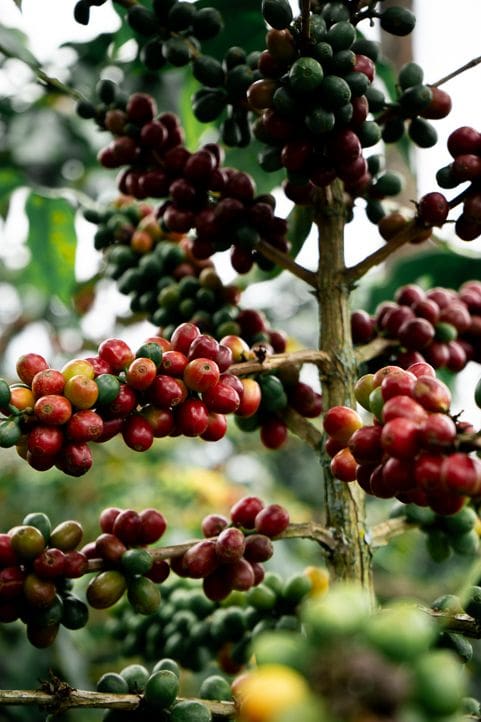
For this Purple Bourbon and Caturra lot from El Placer, cherries are selectively harvested at peak ripeness, targeting approximately 95% fully ripe fruit and 5% semi-ripe cherries to balance sugar concentration and structure throughout fermentation
The process begins with an anaerobic fermentation carried out in sealed 200-liter tanks for approximately 120 hours at a controlled temperature of 18 °C with CO₂ injection. Following this stage, the coffee is depulped while preserving the mucilage, consistent with the farm’s honey process approach.
After depulping, the coffee undergoes an additional 120 hours of dry fermentation under controlled conditions with the incorporation of cinnamon chips, allowing the aromatic compounds to interact gradually with the coffee during fermentation while maintaining balance and clarity in the cup profile. Fermentation variables are continuously monitored throughout the process.
Drying takes place in two carefully managed stages. The first phase consists of slow greenhouse drying at approximately 40 °C and 25% relative humidity for around 20 days. The coffee then moves to a parabolic dryer under shade netting for an additional 5 days, allowing moisture stabilization and uniform drying progression.
Once drying is complete, the coffee is stabilized in Grain-Pro bags for approximately 15 days before hulling and manual sorting. Final preparation includes vacuum packaging in 24 kg boxes to preserve freshness, structural integrity, and cup stability during export.