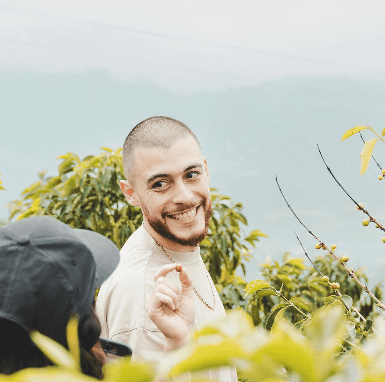
At just 16, Elmer Restrepo found coffee more than a livelihood; he found a way to shape the world around him. What began as a path to support his social and economic environment soon became a lifelong commitment, one that would span more than four decades and position him as a respected voice in the Colombian coffee landscape.
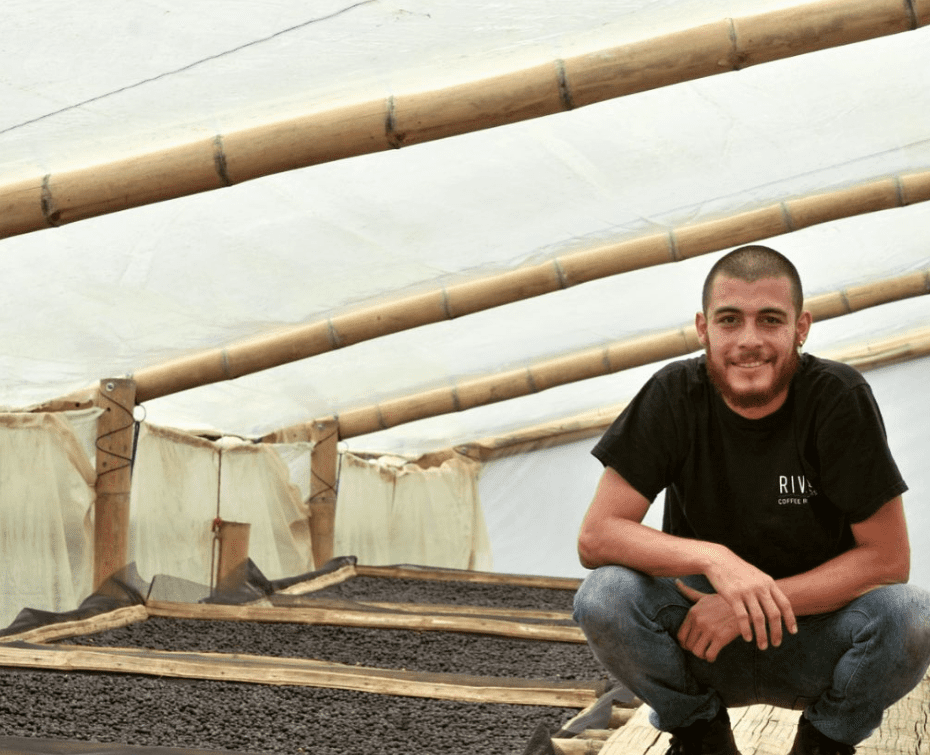
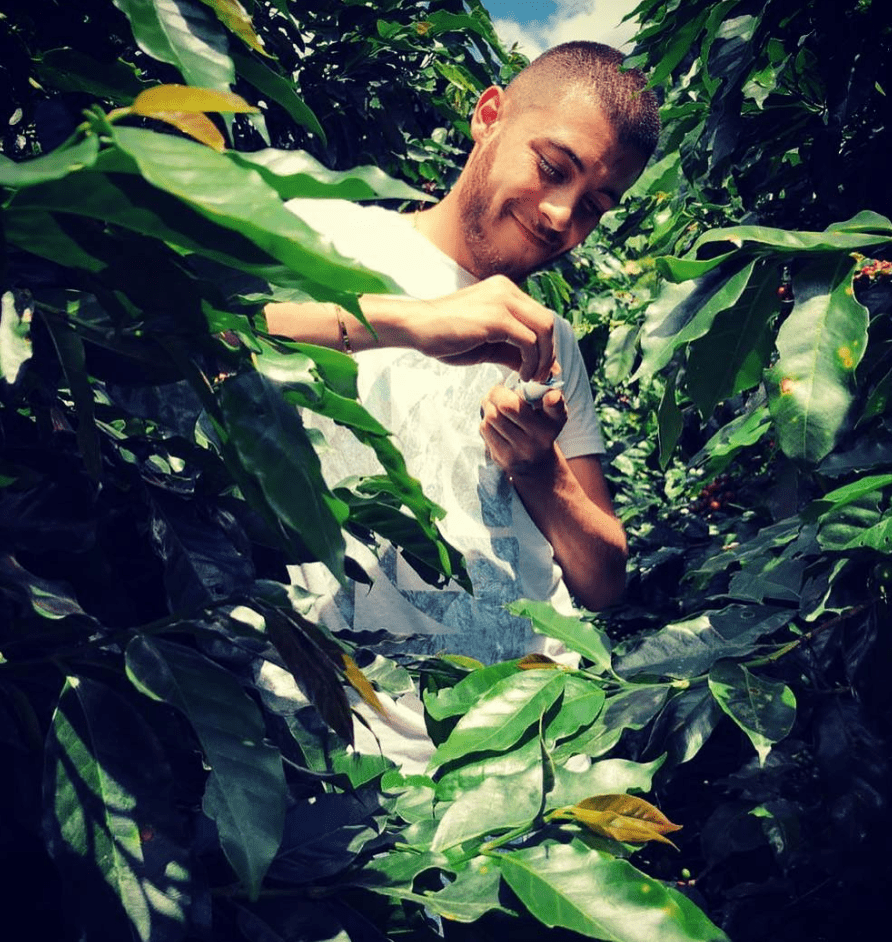
Years later, that same vision took root in a new chapter: Finca Chambakú. But this wasn’t a journey he would take alone. Alongside him stands his youngest son, Juan Felipe Restrepo, a curious and driven “bean hunter” whose fascination with fermentation and scientific protocols brought a new dimension to the family legacy. Where Elmer built foundations through experience and intuition, Juan Felipe introduced experimentation and innovation, creating a dialogue between tradition and the future of coffee.
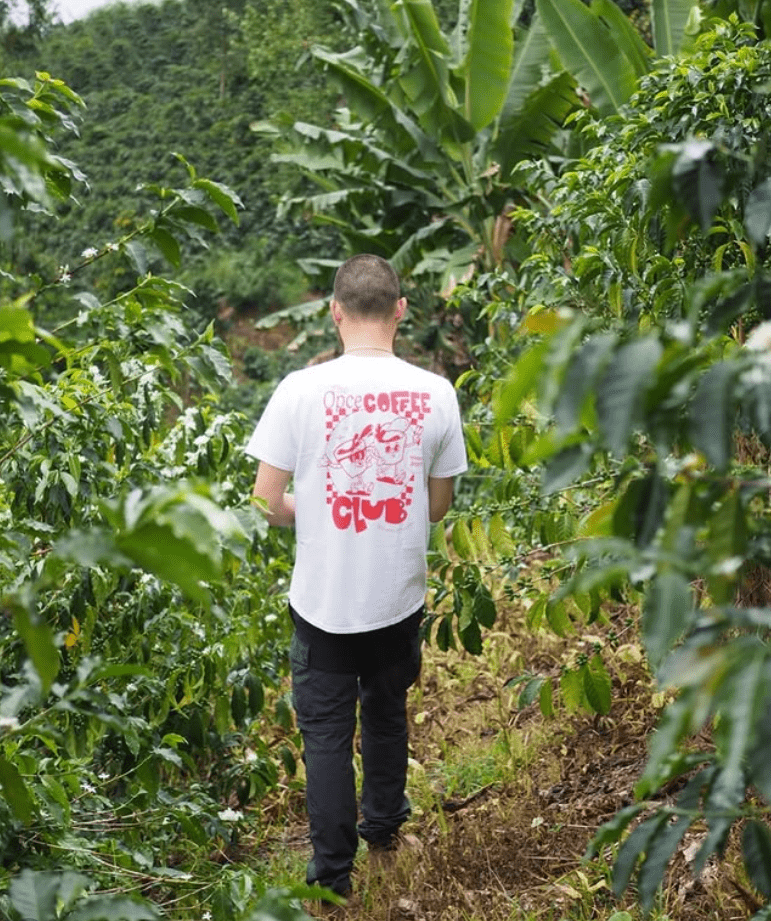
Together, they began to design something that goes beyond production. At Chambakú, every decision reflects a shared philosophy: coffee should give back as much as it takes. Their approach to regenerative agriculture reimagines the farm as a living system—one where organic matter is reintroduced to the soil; compost is built from natural by-products, and microorganisms replace chemical interventions. It’s a deliberate move away from pesticides and agrochemicals, toward a more balanced and resilient ecosystem.
Innovation also flows through their processing. Driven by the need to reduce environmental impact, Juan Felipe developed an ecological wet mill system that drastically changed water use—from 40 liters down to just 0.2 liters per kilogram of coffee. In doing so, Chambakú became a pioneer in its region, incorporating bioreactors as part of a cleaner, more efficient process.
And then, there’s the place itself. Chambakú sits in a unique natural corridor, where winds and water descend from Nevado del Ruiz, shaping a terroir that is as distinctive as the people who cultivate it.
What emerges from this intersection of legacy, science, and environment is more than coffee, it’s a continuous exploration. One where father and son, grounded in experience and driven by curiosity, keep redefining what’s possible, one protocol at a time.
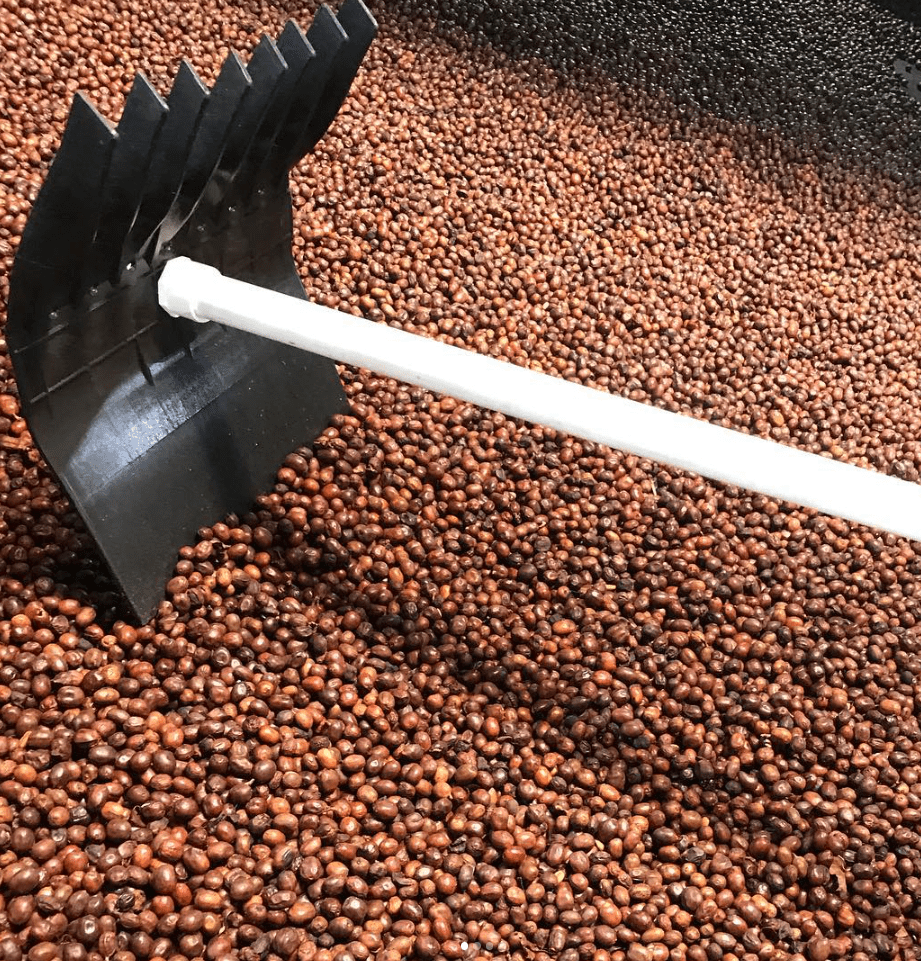
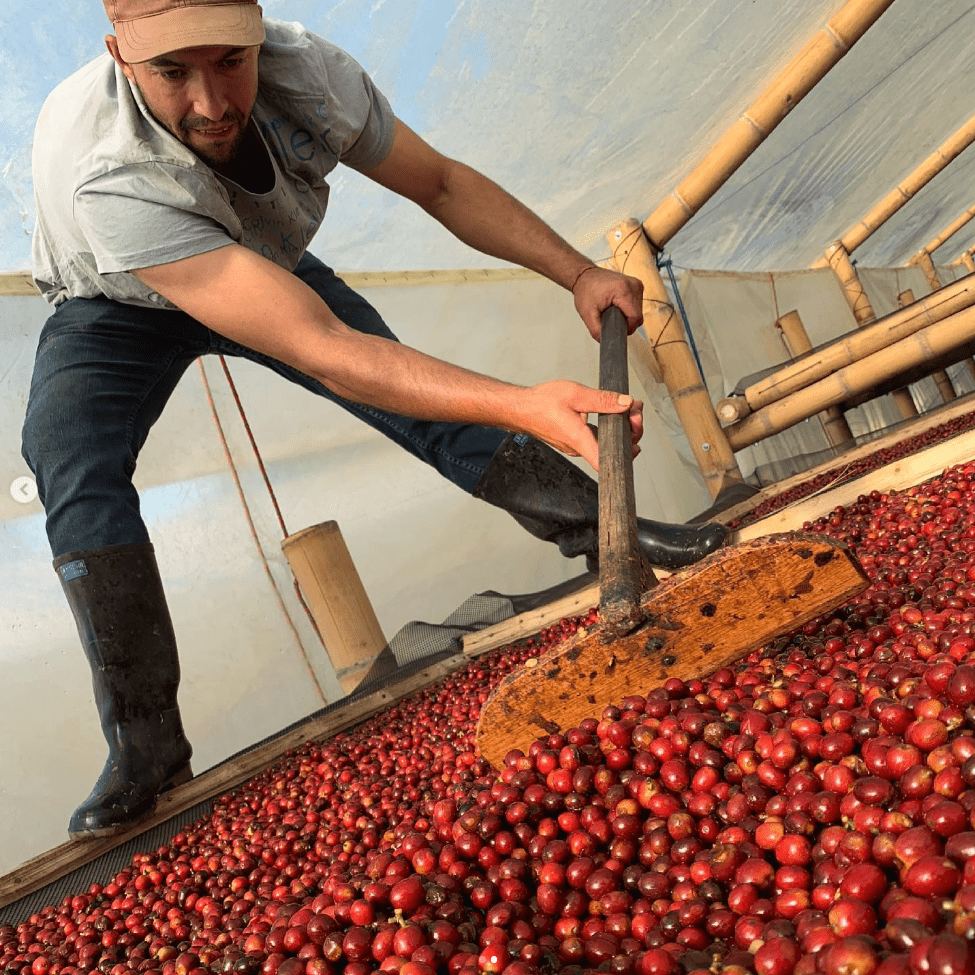
This coffee undergoes a traditional Colombian washed process, beginning with the selective harvesting of ripe cherries. The coffee is depulped, mechanically demucilaged, and fully washed before being dried in mechanical silos under controlled conditions until stable moisture content is achieved.
Following drying, the coffee is decaffeinated using a natural sugarcane ethyl acetate (EA) process. During this method, the green coffee is first steamed to open the cellular structure of the seed, allowing caffeine extraction while preserving cup quality. The beans are then repeatedly washed with ethyl acetate derived from sugarcane, a naturally occurring compound produced through the fermentation of sugarcane molasses.
Ethyl acetate selectively bonds with caffeine molecules and removes them from the coffee while maintaining much of the coffee’s original structure and sensory profile. Once decaffeination is complete, the coffee is carefully steamed again to remove any remaining traces of the compound before being dried back to stable moisture content.
This decaffeination method is widely recognized for preserving sweetness, balance, and cup clarity while offering a softer sensory impact compared to more aggressive decaffeination techniques.