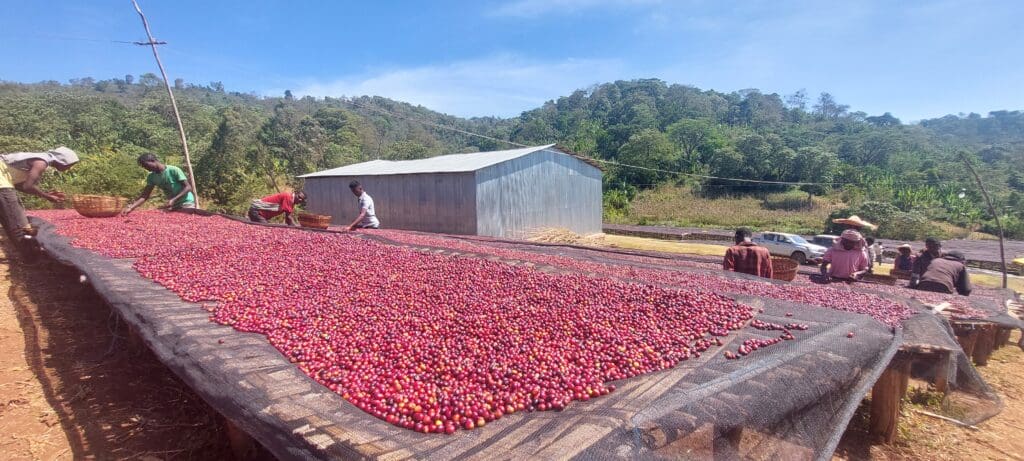
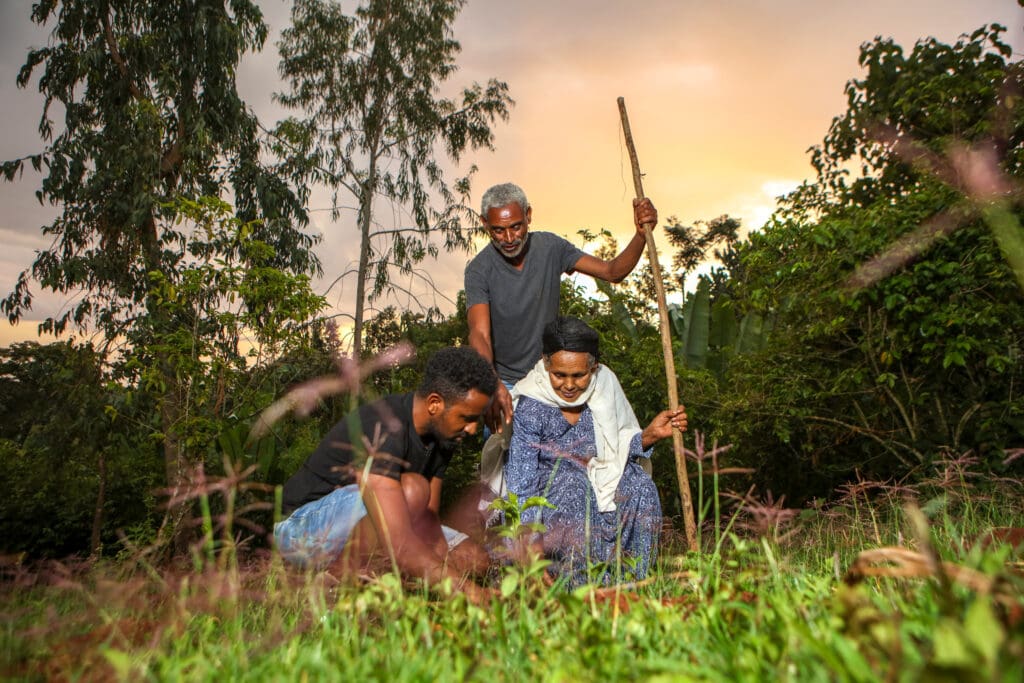
This coffee comes from Megadu in Guji, Ethiopia, where Bette Buna operates one of its washing stations, sourcing cherries from smallholder farmers throughout the surrounding communities. While this lot originates in Megadu, Bette Buna’s community development initiatives are centered in Taferi Kela, where the company has built its long-term vision around creating opportunities through specialty coffee.
Founded by Dawit and Hester, Bette Buna—meaning “House of Coffee”, was inspired by a commitment passed down through Dawit’s grandparents, Syoum and Emame, to care not only for the family farm but also for the people who depend on coffee for their livelihoods. Together with the communities of Taferi Kela and Megadu, the company works to strengthen local coffee production while investing in long-term rural development.
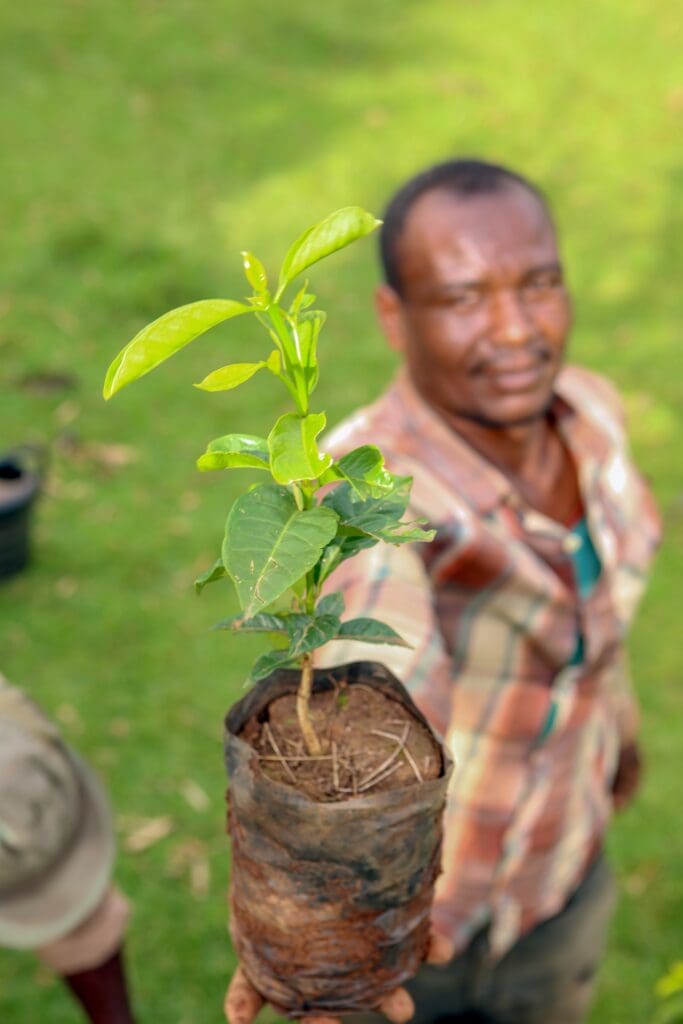
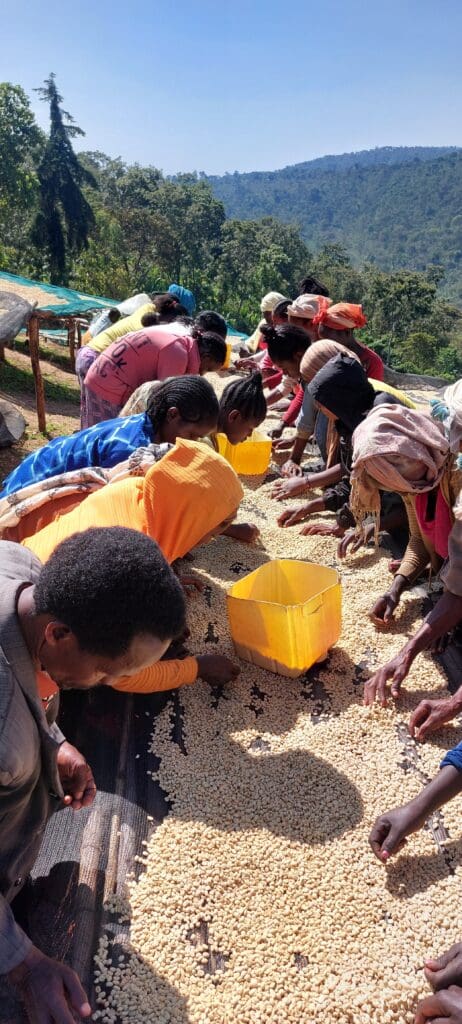
Through farmer training, agroforestry initiatives, and the annual distribution of more than 350,000 climate-adapted coffee seedlings from its own nursery, Bette Buna helps producers improve both farm productivity and coffee quality. The company also prioritizes careful cherry selection, transparent supply chains, and direct relationships with growers, ensuring each lot can be traced from harvest through processing.
Beyond coffee production, Bette Buna is committed to creating opportunities for rural communities by employing people from underrepresented groups, including people with disabilities and single mothers, while fostering an environment where knowledge is shared, businesses grow, and future generations can build sustainable livelihoods through coffee.
Process description:
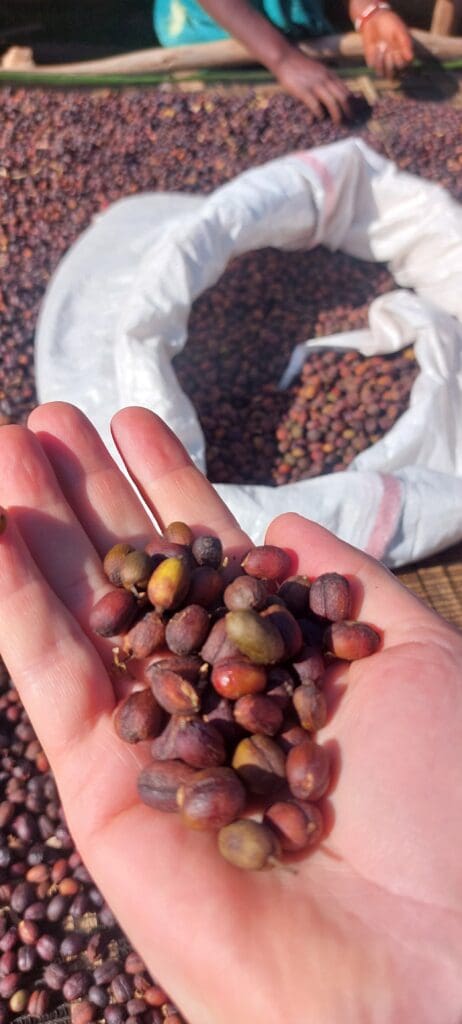
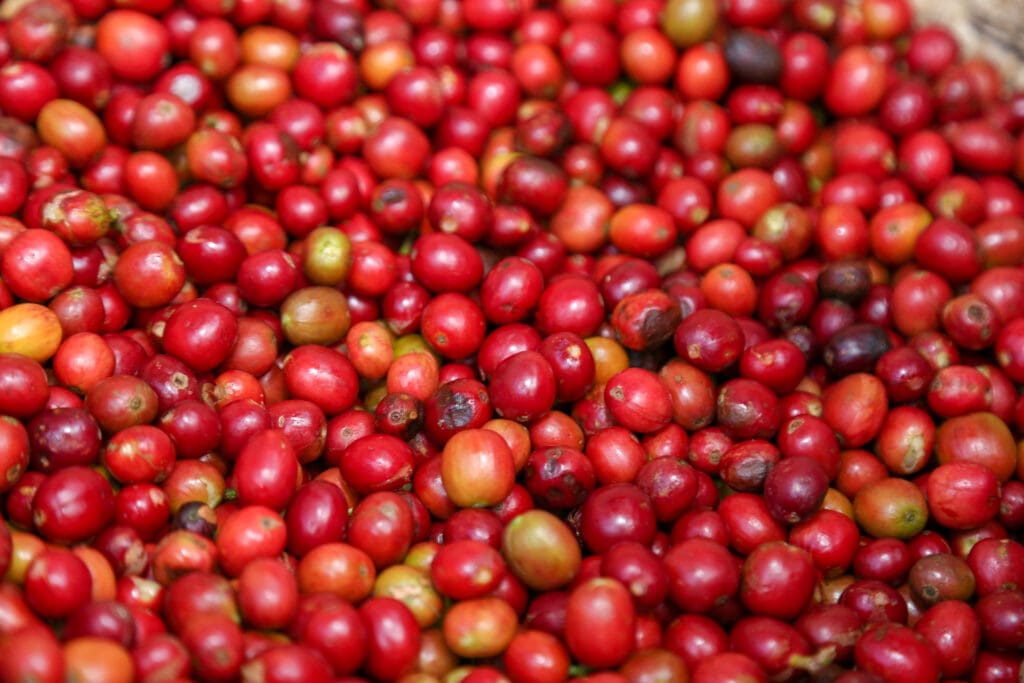
This lot begins with carefully sorted cherries placed in hermetic barrels or high-capacity bags to create a low-oxygen environment, promoting anaerobic fermentation. Microorganisms such as yeasts and lactic acid bacteria break sugars into flavor precursors, shaping a rich and complex cup.
Fermented for 96 hours, the “Cherry Bomb” reveals a balanced profile with vibrant red fruit notes, enhanced by a silky, creamy mouthfeel. This restrained oxygen process allows delicate floral and berry flavors to emerge, delivering a bright, expressive cup that highlights the finesse of anaerobic natural fermentation.