Region
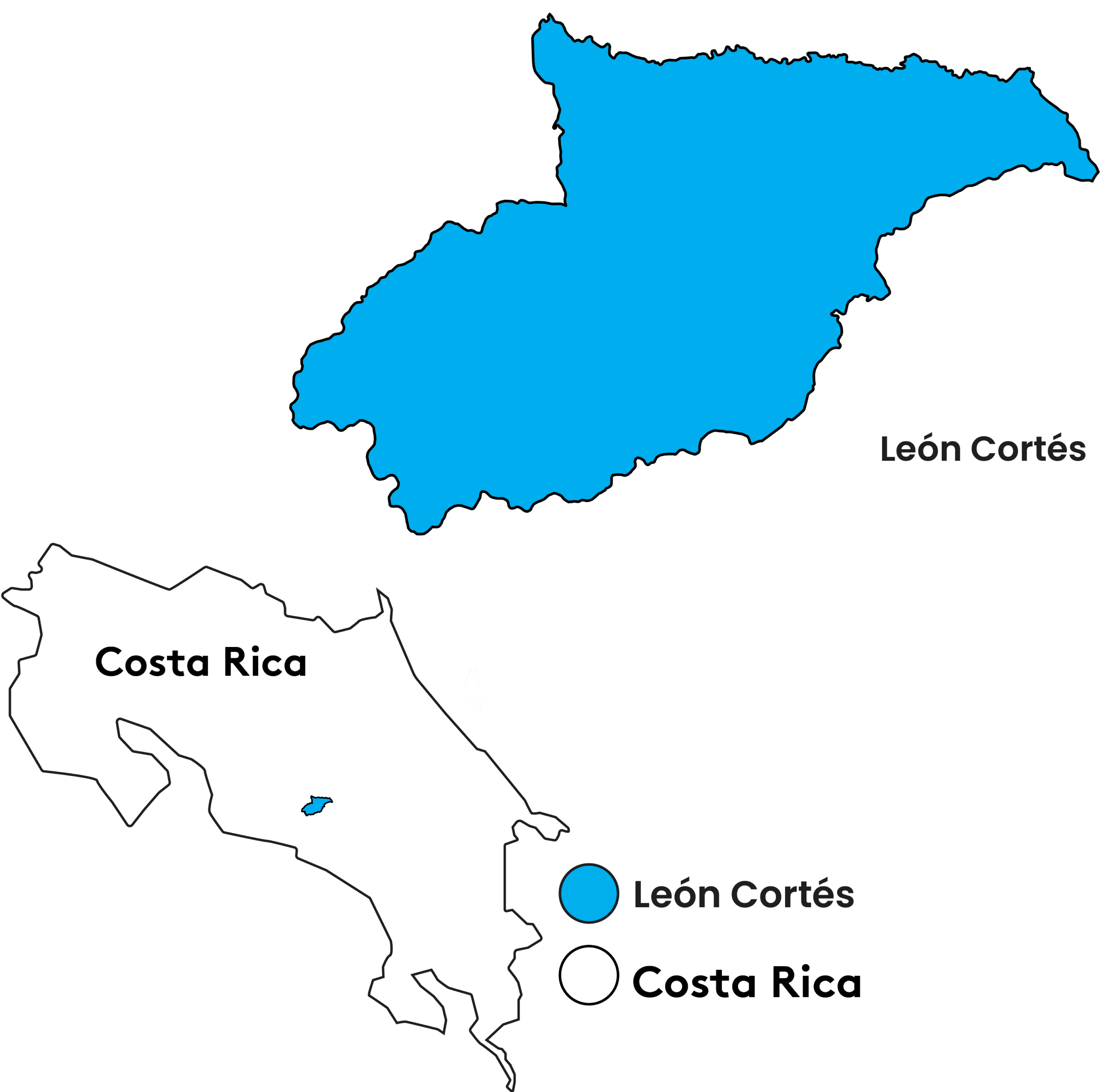
León Cortés
León Cortés is a canton located in the province of San José, Costa Rica, and forms part of the renowned Zona de Los Santos, together with the neighboring cantons of Tarrazú and Dota. Located in the mountainous region south of San José, León Cortés is known for its high-elevation coffee farms and long-standing coffee-growing tradition.
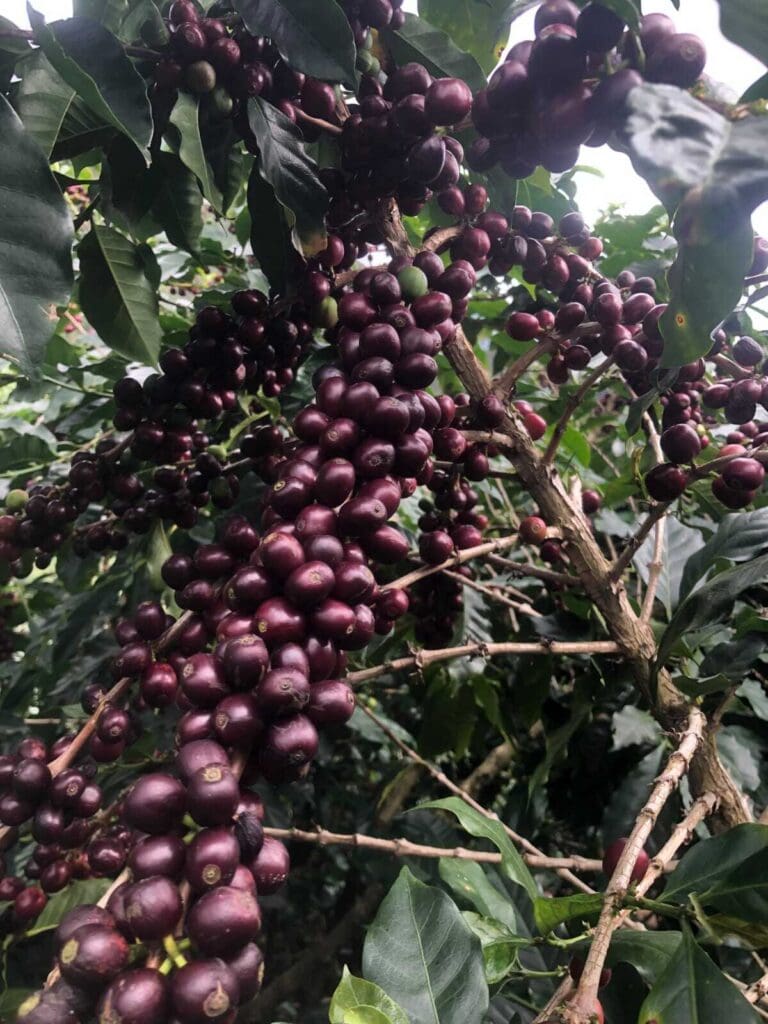
The area experiences two distinct seasons, with a rainy season from May to November and a dry season from December to April. This seasonal pattern, combined with the region’s elevation and mild climate, creates favorable conditions for coffee cultivation, allowing for gradual and uniform cherry development and ripening.
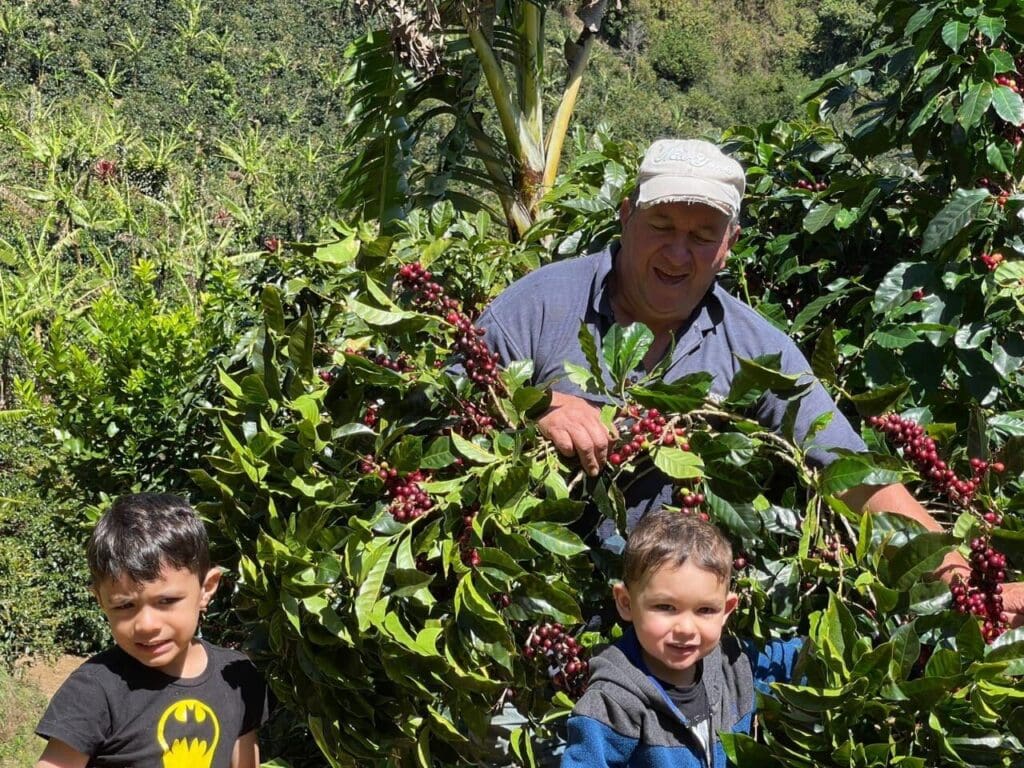
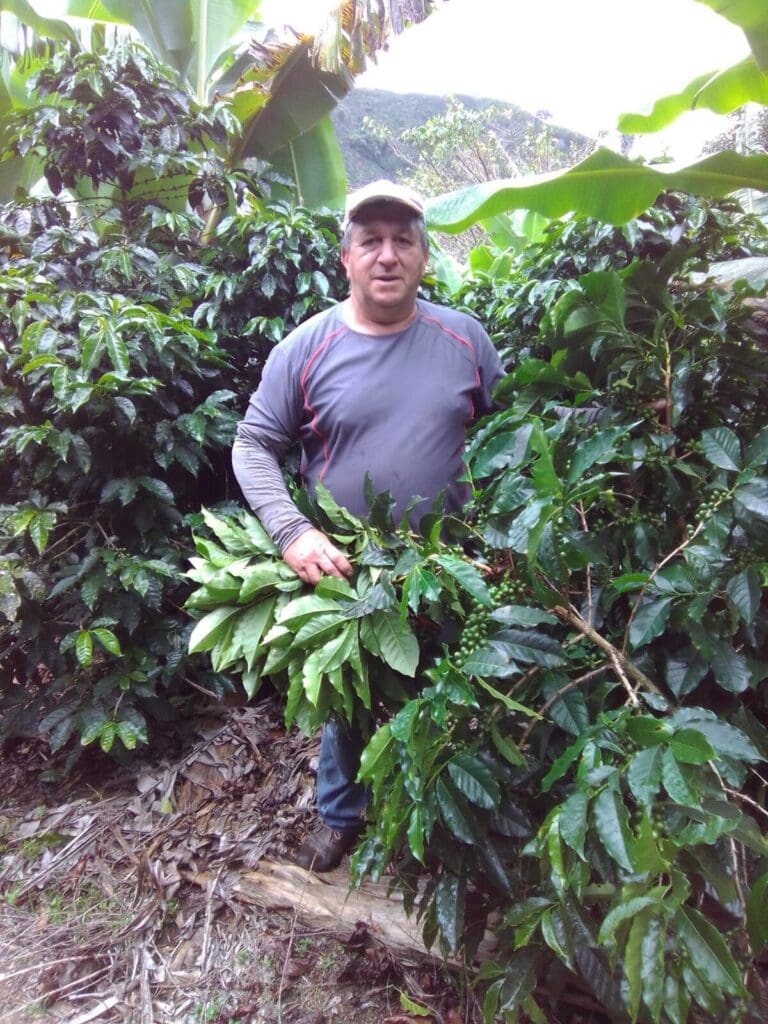
The landscape is characterized by steep, rolling hillsides and fertile volcanic soils, with coffee farms often integrated into a diverse agricultural environment. Many smallholder producers grow coffee alongside bananas, avocados, citrus, and other crops, with farms and agricultural knowledge frequently passed down through generations.
Coffee production in León Cortés is deeply connected to the region’s farming communities and family traditions. Producers maintain a close relationship with the land, incorporating shade trees, preserving native vegetation, and protecting the natural springs and water sources that flow through the surrounding mountains. This combination of elevation, climate, fertile soils, and a strong coffee-growing heritage contributes to the distinctive character of coffees from León Cortés.
If you want to learn more about the new division of Costa Rica’s coffee regions, check out our Instagram post.