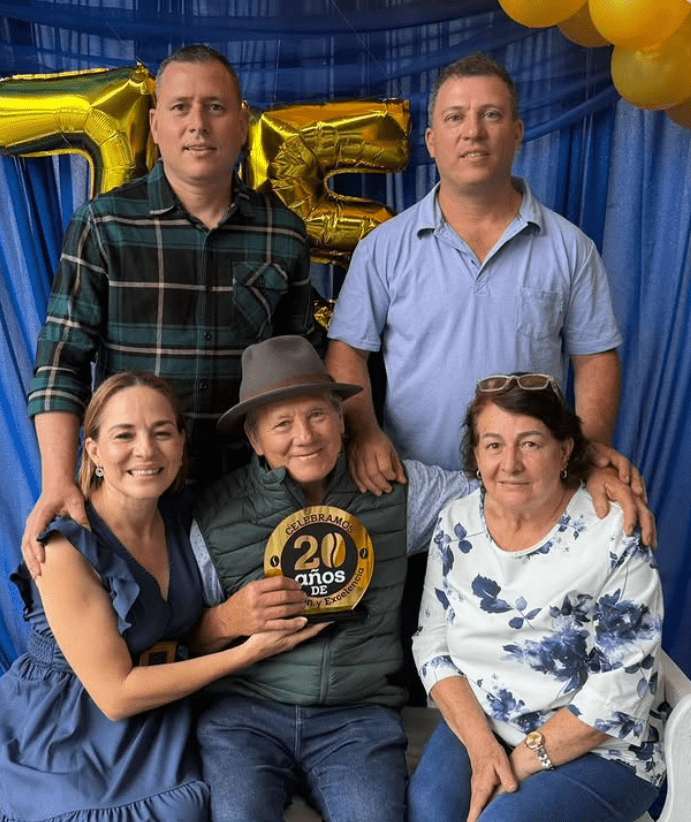
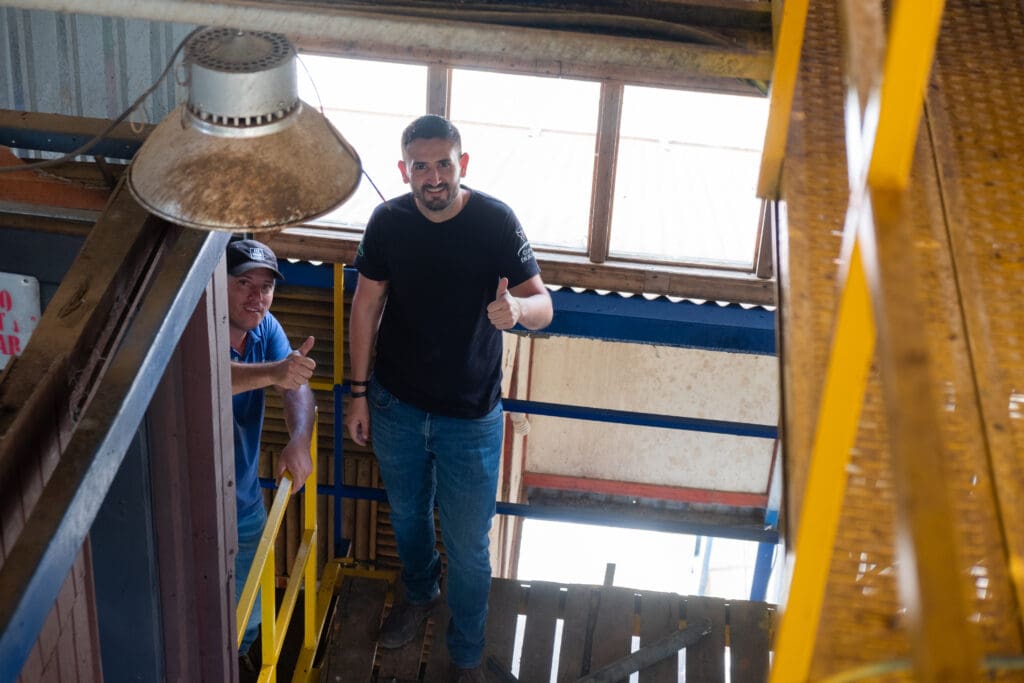
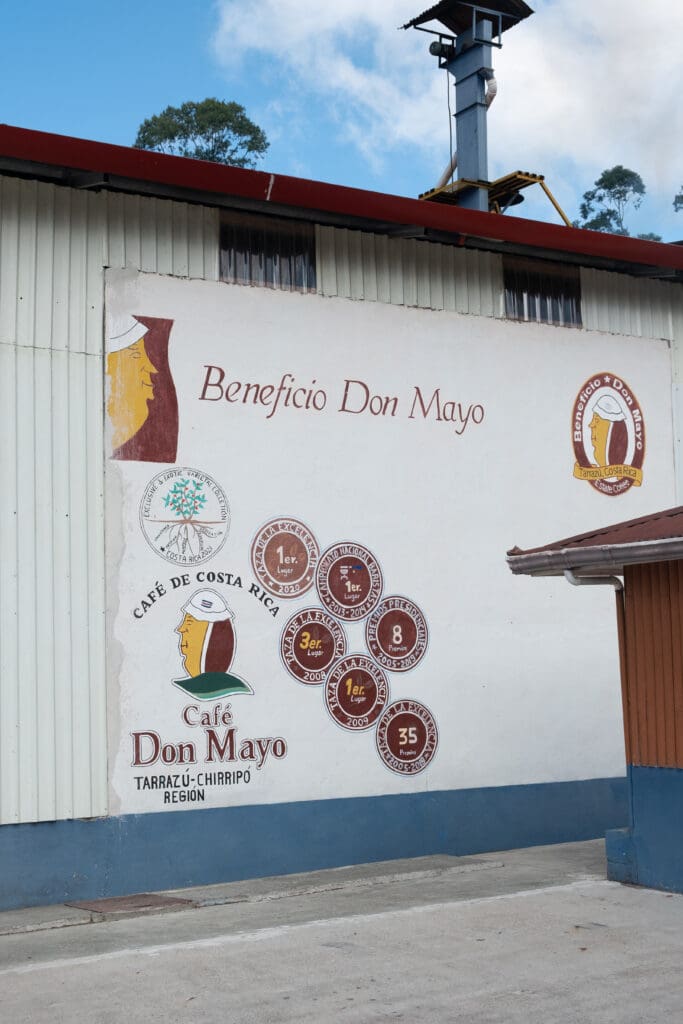
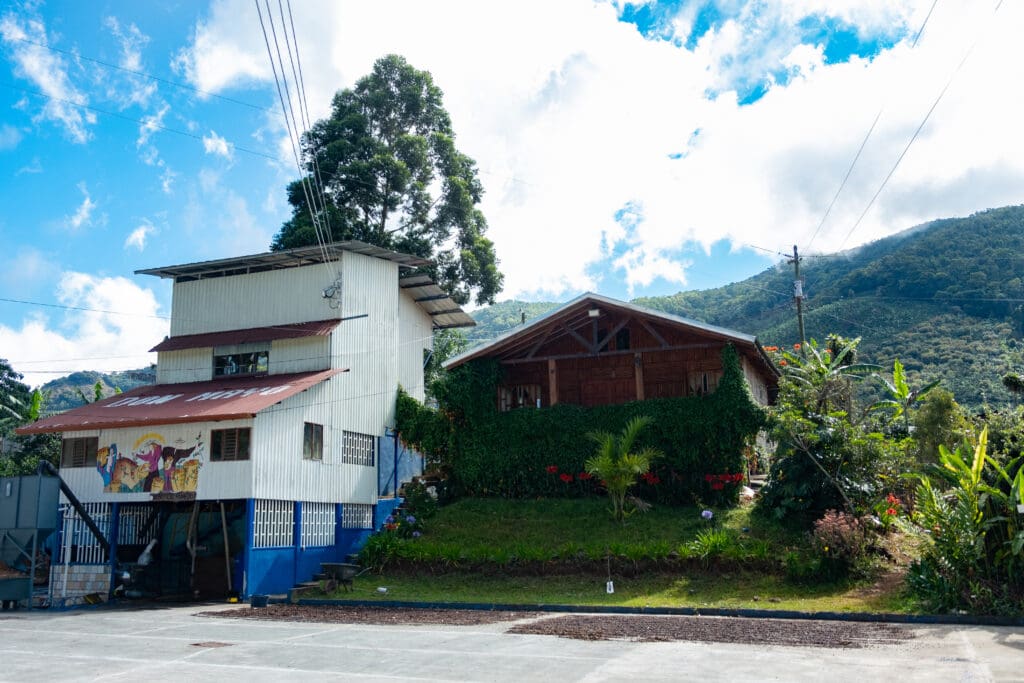
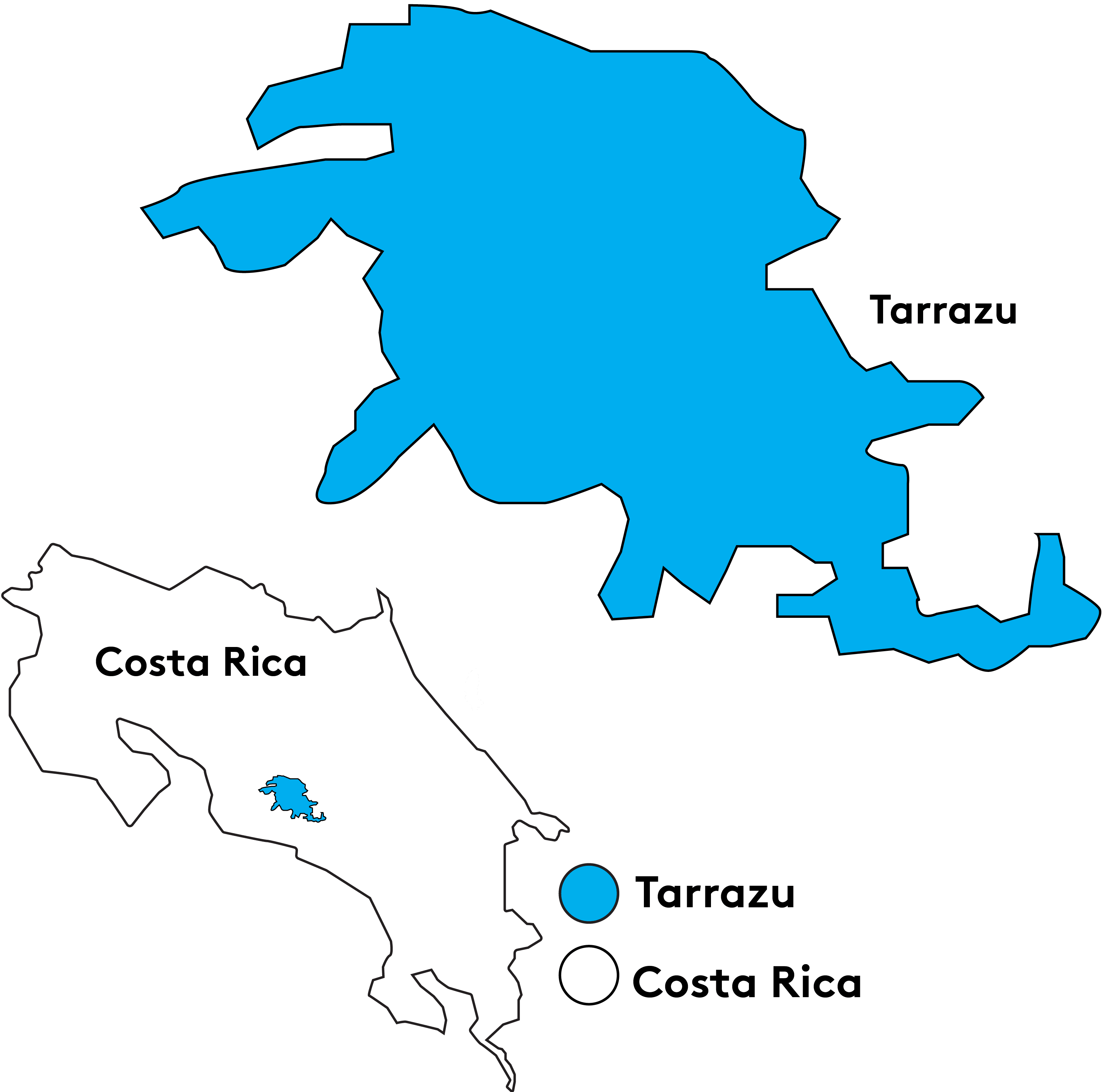
Don Mayo Micromill is a family-operated coffee business led by Pablo Bonilla in the Tarrazú region of Costa Rica. Founded in 2005, the project represents three generations of coffee production in the Los Santos region, particularly within the cantons of León Cortés and Tarrazú.
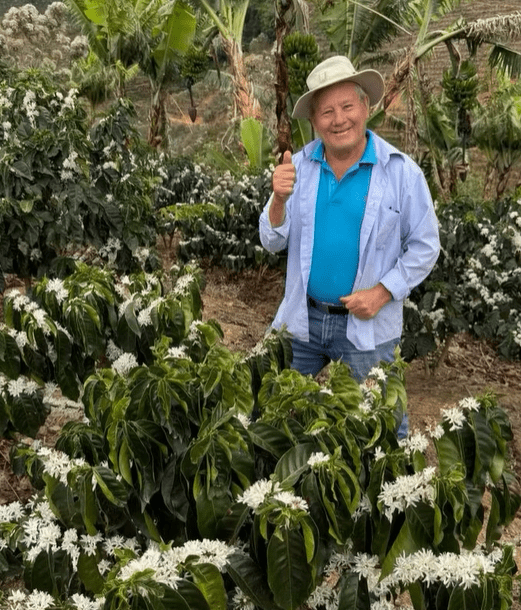
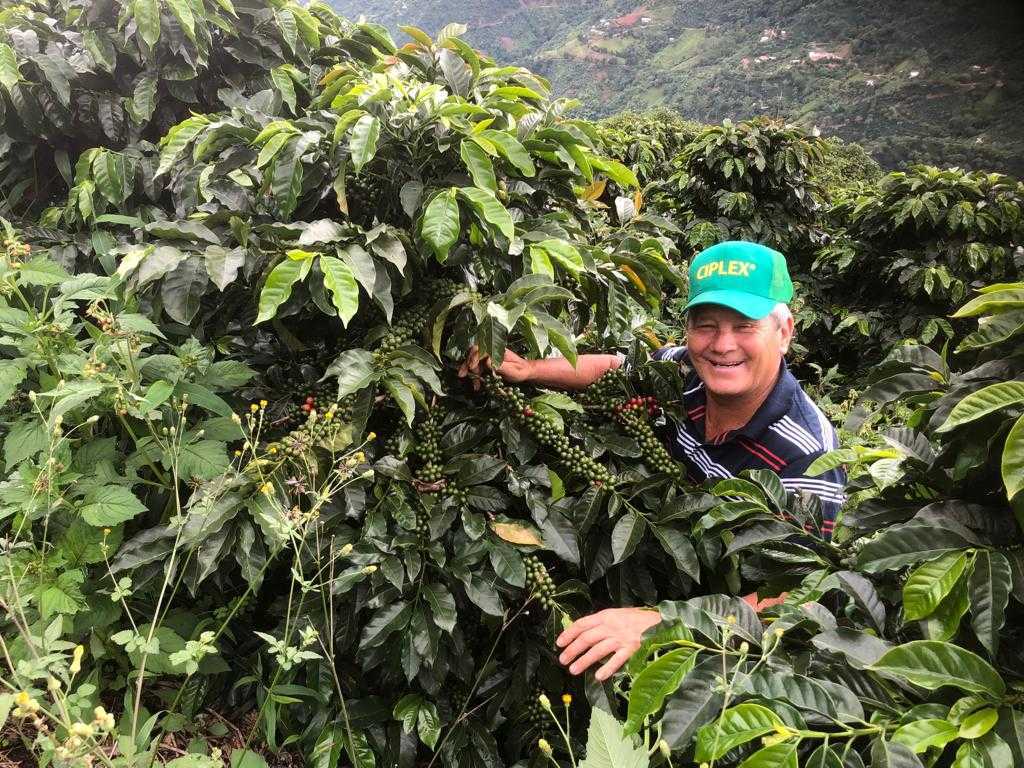
The foundation of the project is closely tied to Héctor Bonilla, the family patriarch, who built the family’s connection to coffee production and continues to remain actively involved in the farms. Over the years, he has passed this legacy on to the next generation, with his son Pablo Bonilla now leading the management and development of Don Mayo Micromill. Under Pablo’s direction, the project has strengthened its focus on quality, traceability, and processing precision while continuing the family’s long-standing commitment to coffee production.
Today, the family manages several farms located between 1,650 and 2,000 masl, where climatic conditions, elevation, and volcanic soils contribute to the development of structured and high-acidity profiles characteristic of the region.
This lot was produced at La Ladera, one of the farms managed by the Bonilla family within the Los Santos area. The farm benefits from cool temperatures, fertile volcanic soils, and defined wet and dry seasons, conditions that promote slow cherry maturation and support the development of clarity, sweetness, and balanced acidity in the cup. Varieties such as Caturra and Catuai thrive under these high-altitude conditions and are managed through selective harvesting and careful agronomic practices.
While Catuai remains the predominant variety across the family’s farms, Don Mayo has also invested in cultivating varieties such as Java, SL28, Gesha, and other experimental selections as part of its continued exploration of specialty coffee potential.
Don Mayo Micromill has become one of Costa Rica’s most recognized producers through its consistent participation in the Cup of Excellence competition, where the mill has auctioned more than 35 lots and achieved first place in both 2009 and 2020. This long-term commitment to quality and innovation has positioned Don Mayo as a benchmark for specialty coffee production in Costa Rica.
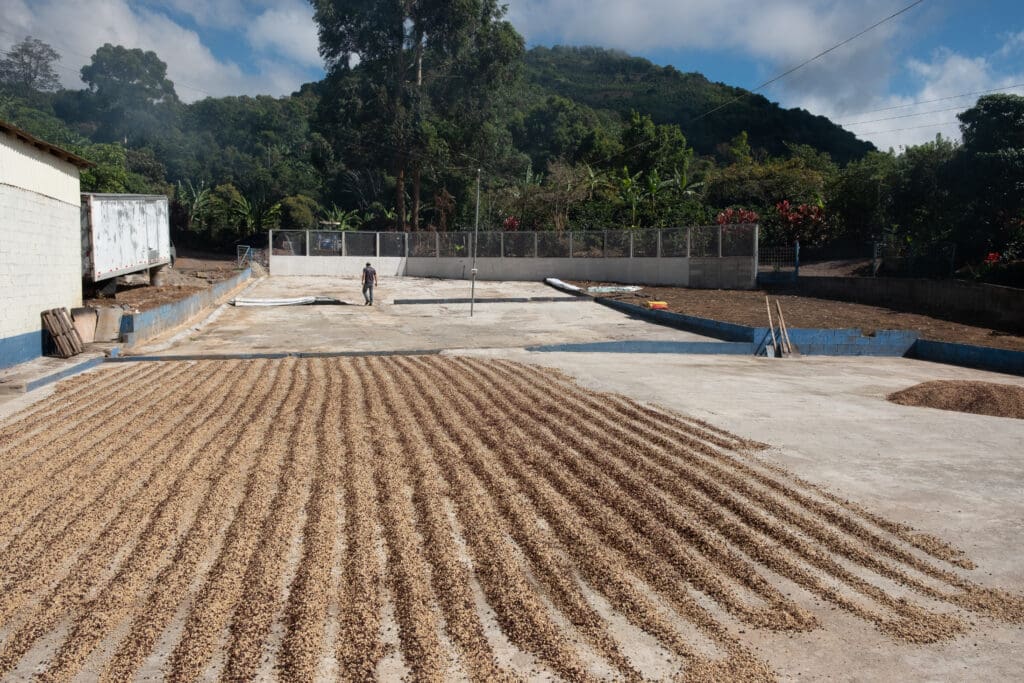
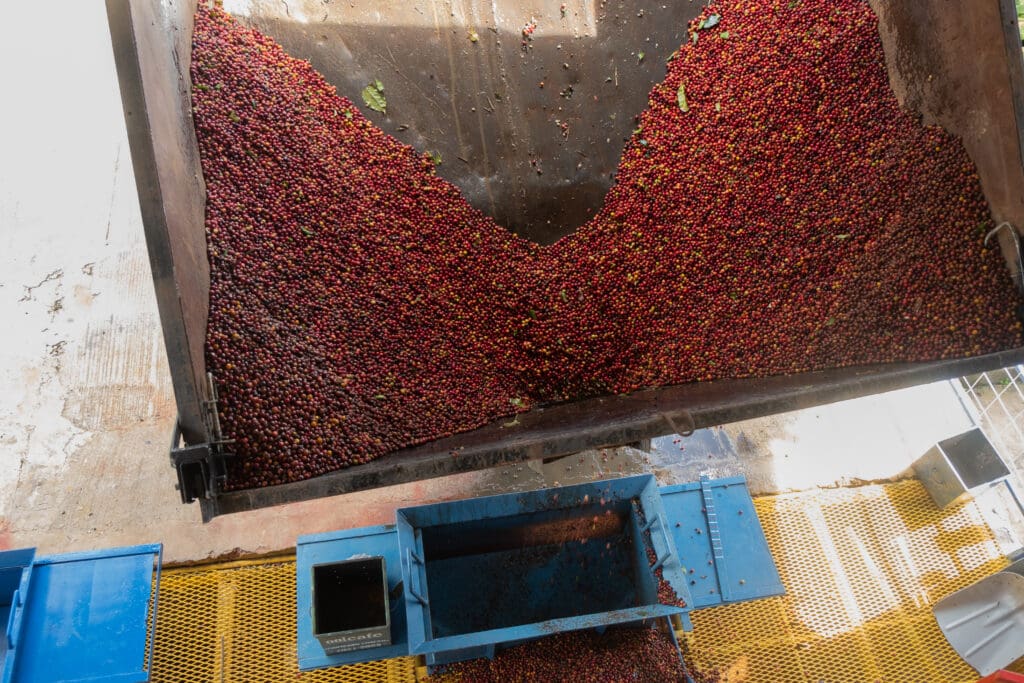
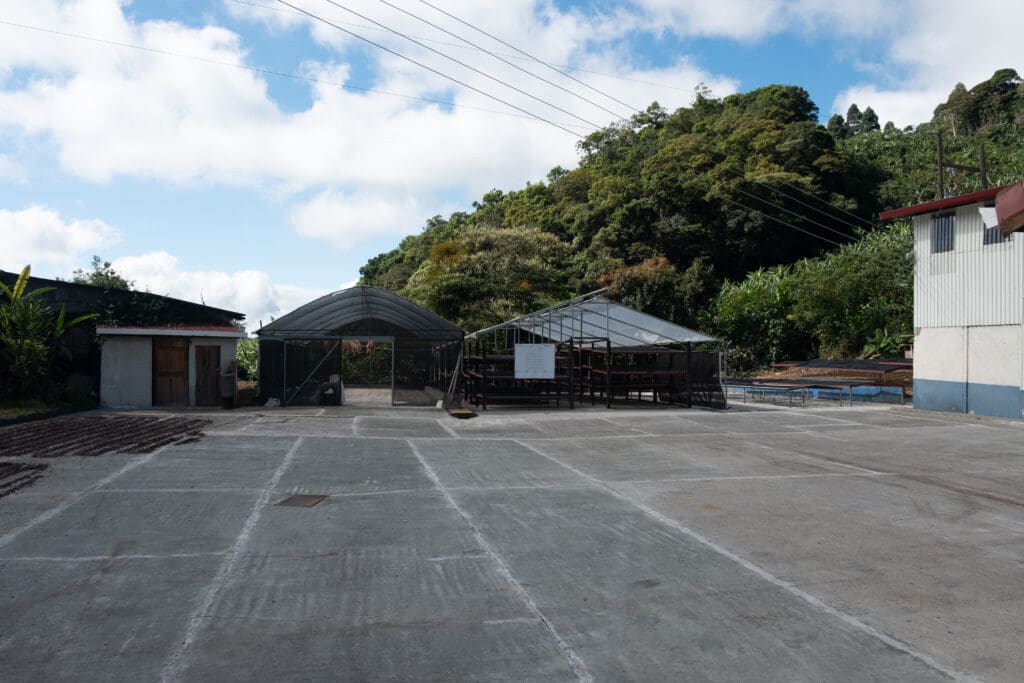
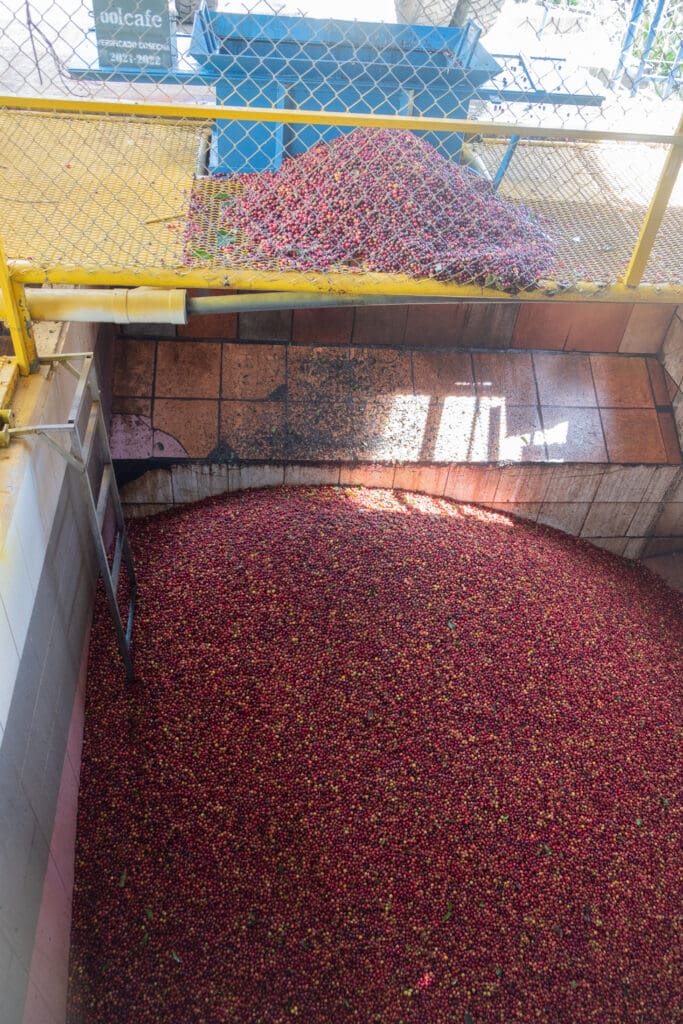
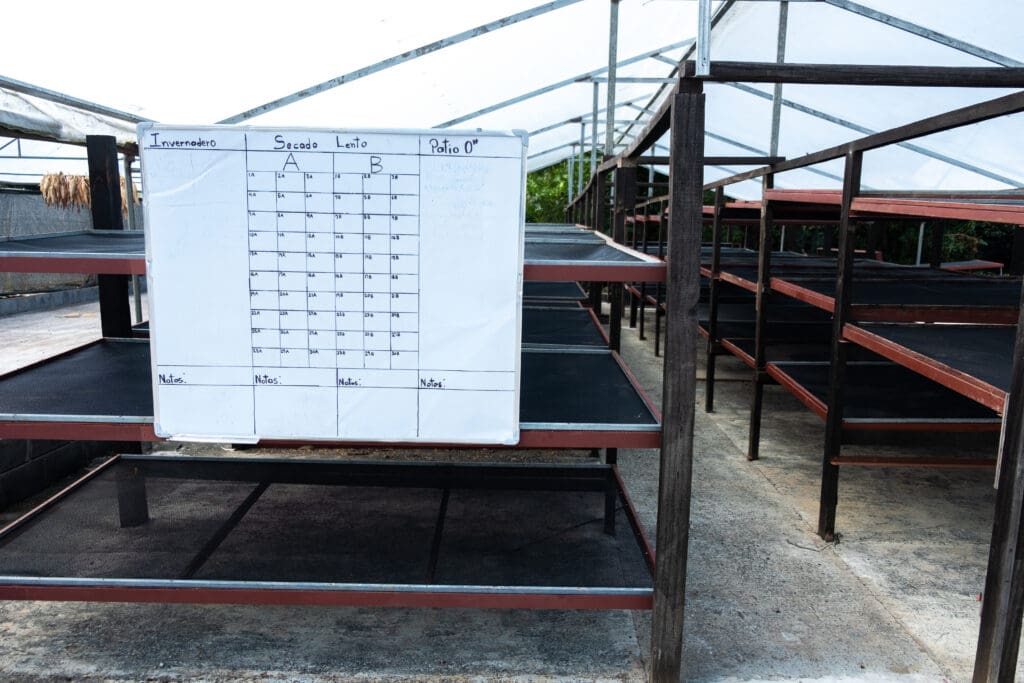
This lot of Caturra and Catuai underwent a washed process at Don Mayo Micromill. Cherries are selectively harvested at peak ripeness at La Ladera farm and delivered to the mill, where they are depulped using PENAGOS modules. Following depulping, the coffee passes through a CENTRIFLUX system designed to efficiently remove mucilage while minimizing the need for extended fermentation. After washing, the parchment coffee is transferred to covered patios for approximately two days of initial drying.
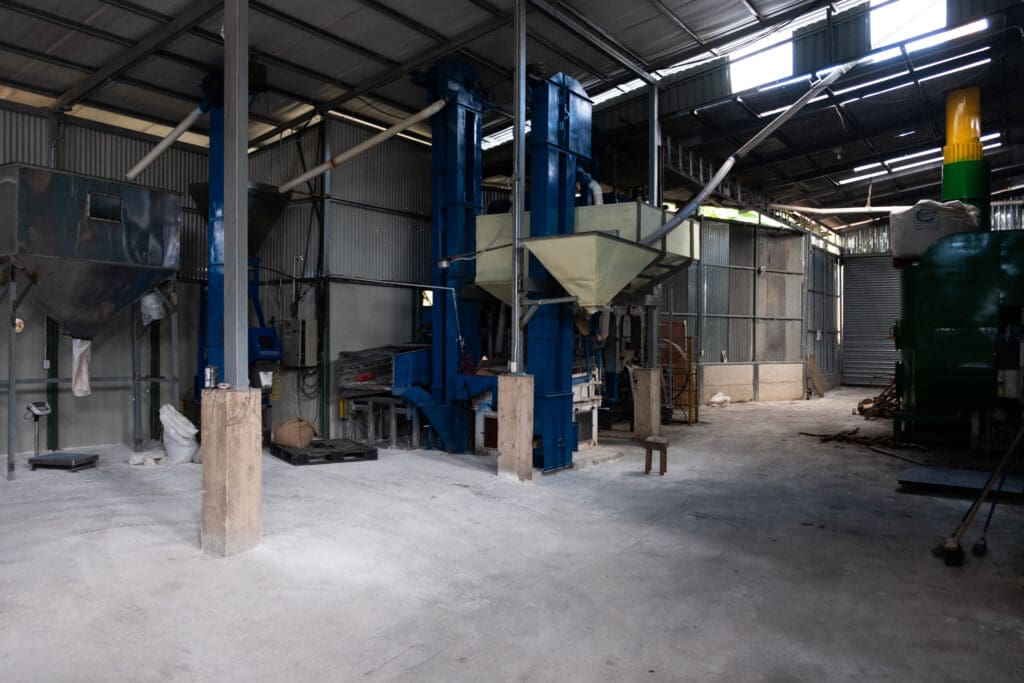
The coffee is then moved to mechanical dryers, specifically Guardiola number 3, where drying is completed under carefully controlled conditions until reaching stable moisture content. Once dried, the coffee rests in parchment for approximately two months prior to milling. The parchment is later hulled using OCRAZA equipment and sorted by density through Phinaelense machinery, followed by color sorting with a ZELTRON system to ensure consistency and quality preparation for export. This processing approach is designed to preserve clarity, structure, and the clean profile characteristic of Don Mayo’s washed coffees.