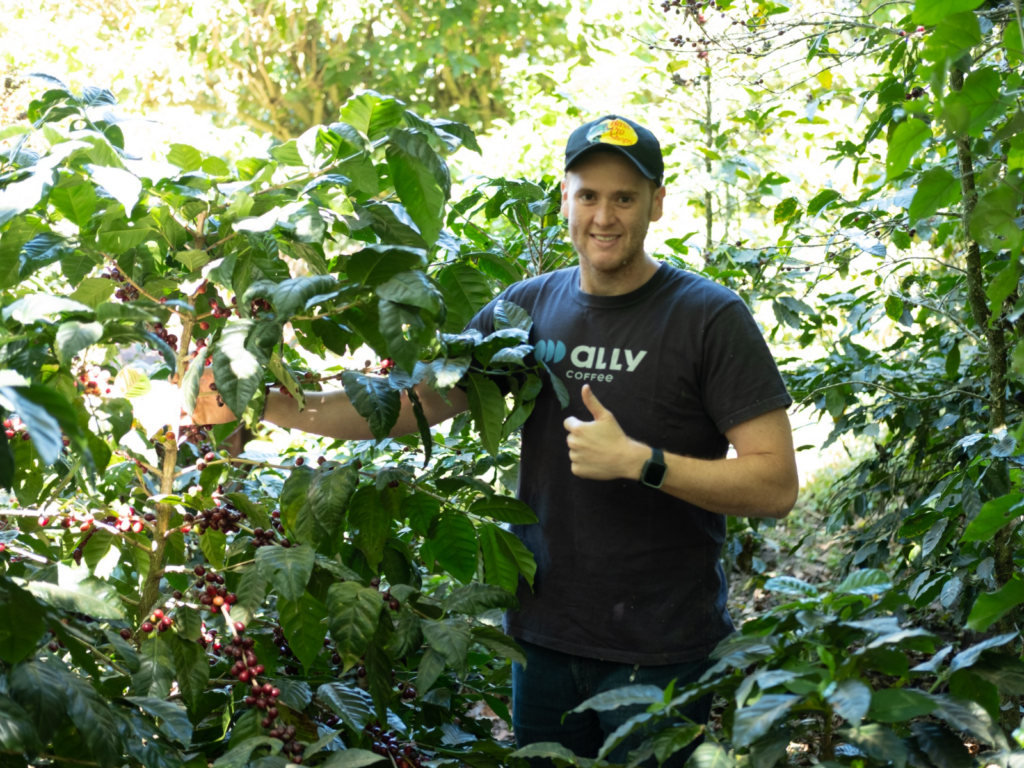
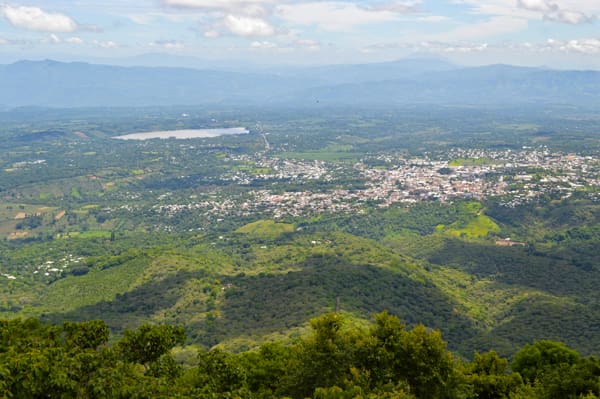
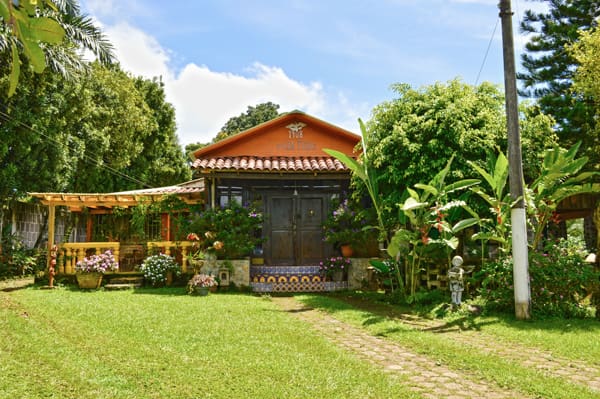
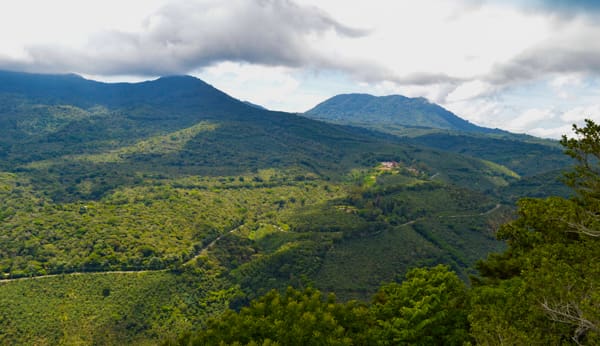
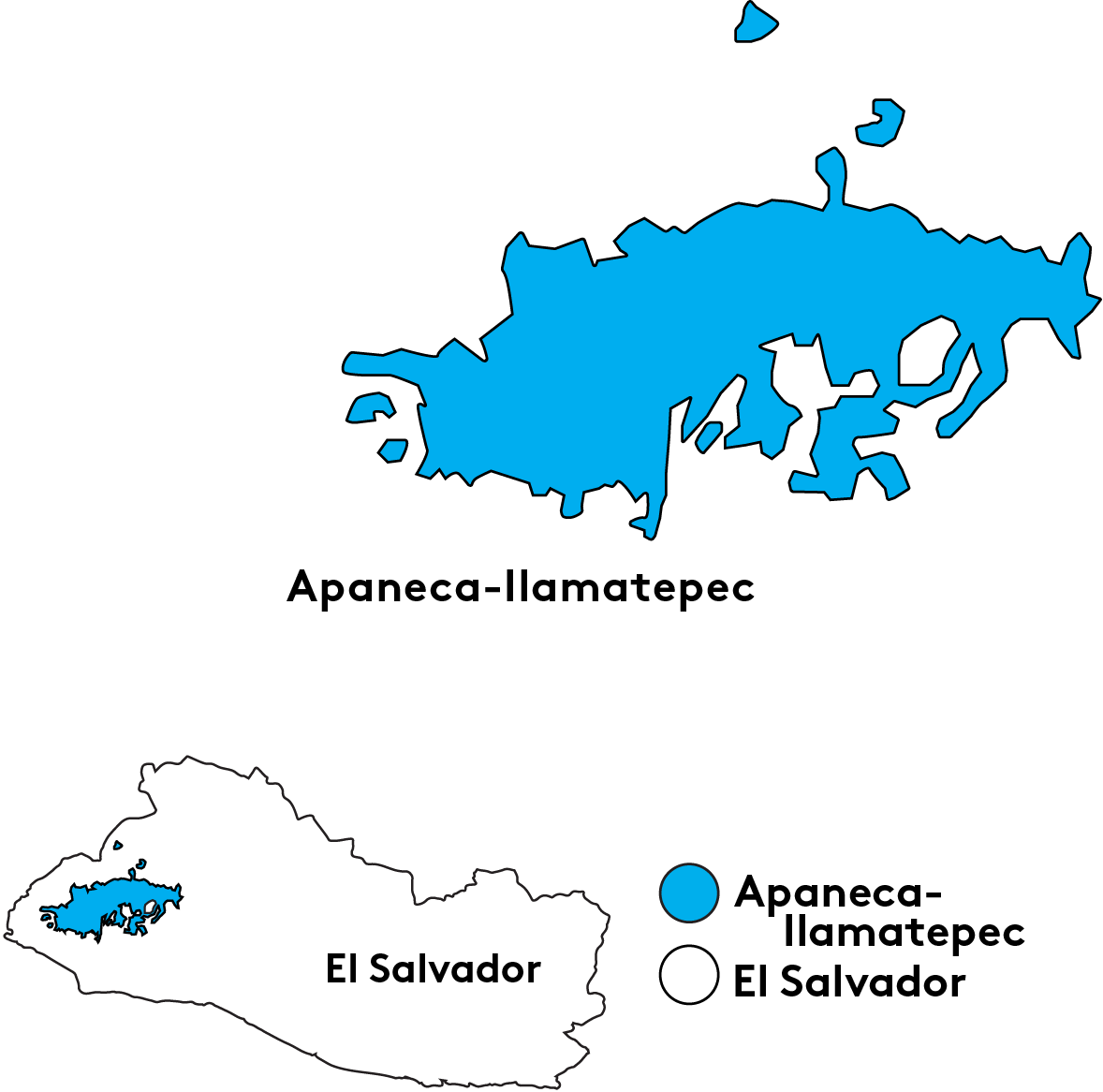
Andrés Acosta is a sixth-generation coffee producer from the Ariz-Herrera family, whose history in coffee cultivation in western El Salvador dates back to 1875. Today, Andrés oversees Finca Nazareth, Finca Santa Matilde, and Finca Atzumpa in the Apaneca-Ilamatepec mountain range, continuing a family legacy built over generations in the coffee-growing communities of Concepción de Ataco and Apaneca.
Finca Nazareth is located near Concepción de Ataco, in the department of Ahuachapán, where high elevations, cool temperatures, and fertile soils provide favorable conditions for producing quality-focused coffees. The farm is home to traditional varieties, including Bourbon and Typica, and reflects Andrés’ commitment to preserving the family’s coffee heritage while continuing to develop distinctive lots and processing profiles.
The Acosta family’s connection to the region extends beyond coffee production. For more than a century, the family’s farms have contributed to employment and economic activity in the surrounding communities. Their long-standing commitment to local development also led them to participate in the creation of FUNDATACO in 1991, a foundation that supports children and young people in the Ataco region through sports programs and educational opportunities.
Through his work across the family’s farms, Andrés combines generations of coffee-growing experience with a continued focus on quality, traceability, and the development of coffees that express the character of the Apaneca-Ilamatepec region.
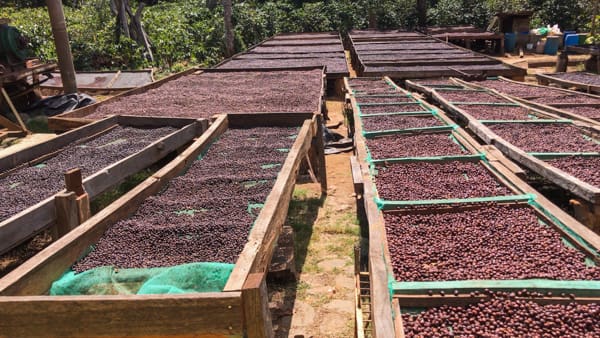
This lot of Typica and Bourbon underwent natural processing. Coffee cherries were carefully handpicked at optimal ripeness and hand sorted before being transported to the family’s mill in Concepción de Ataco. There, the cherries were floated to remove any remaining defects before being fermented for 24 hours in stainless steel barrels, creating an anaerobic environment.
Following fermentation, the coffee was dried in direct sunlight for approximately four hours before being transferred to shaded drying beds. The cherries remained there for around 30 days, allowing the coffee to dry gradually and evenly until the desired moisture level was reached.