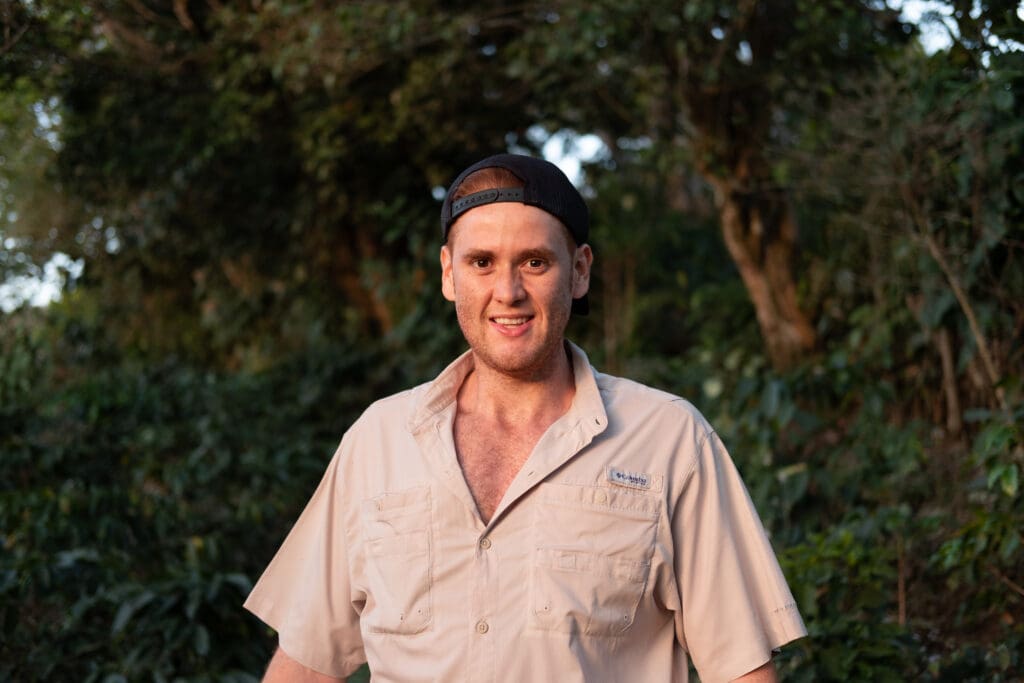
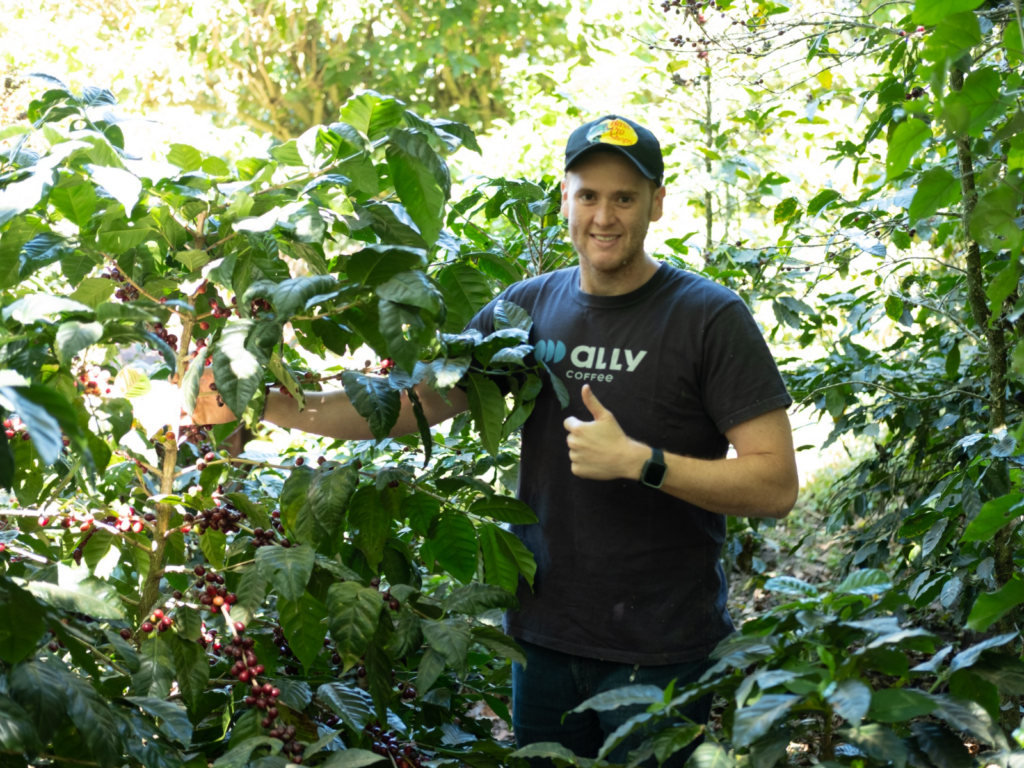
Andrés Acosta is a sixth-generation coffee producer from the Ariz-Herrera family, whose coffee-growing history in western El Salvador dates back to 1875. Today, Andrés oversees Finca Santa Matilde, Finca Nazareth, and Finca Atzumpa, continuing a family legacy rooted in the coffee-growing communities of Concepción de Ataco and Apaneca.
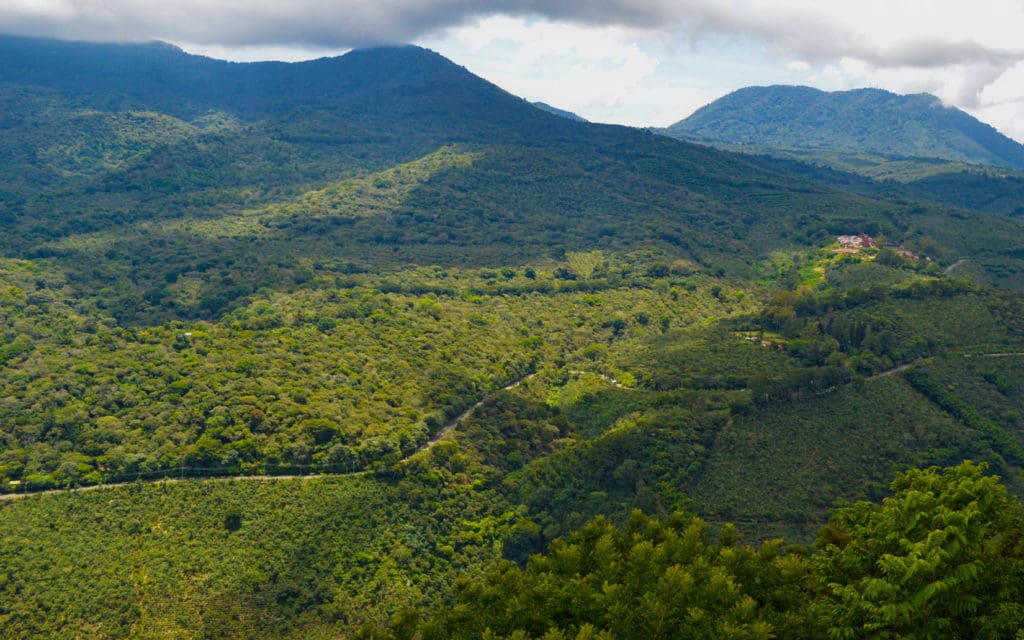
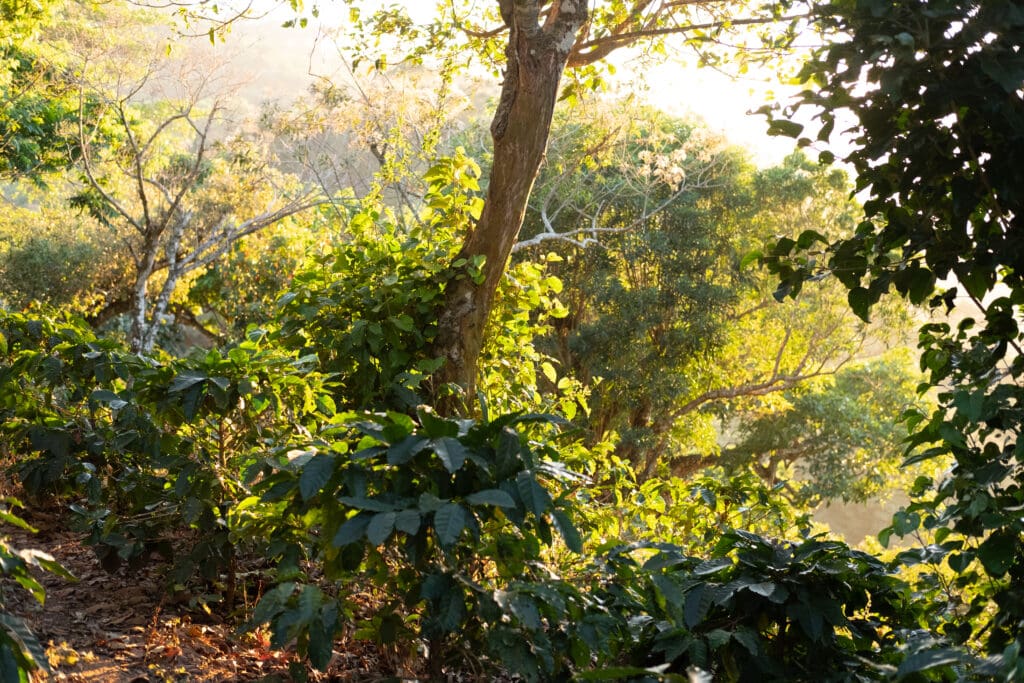
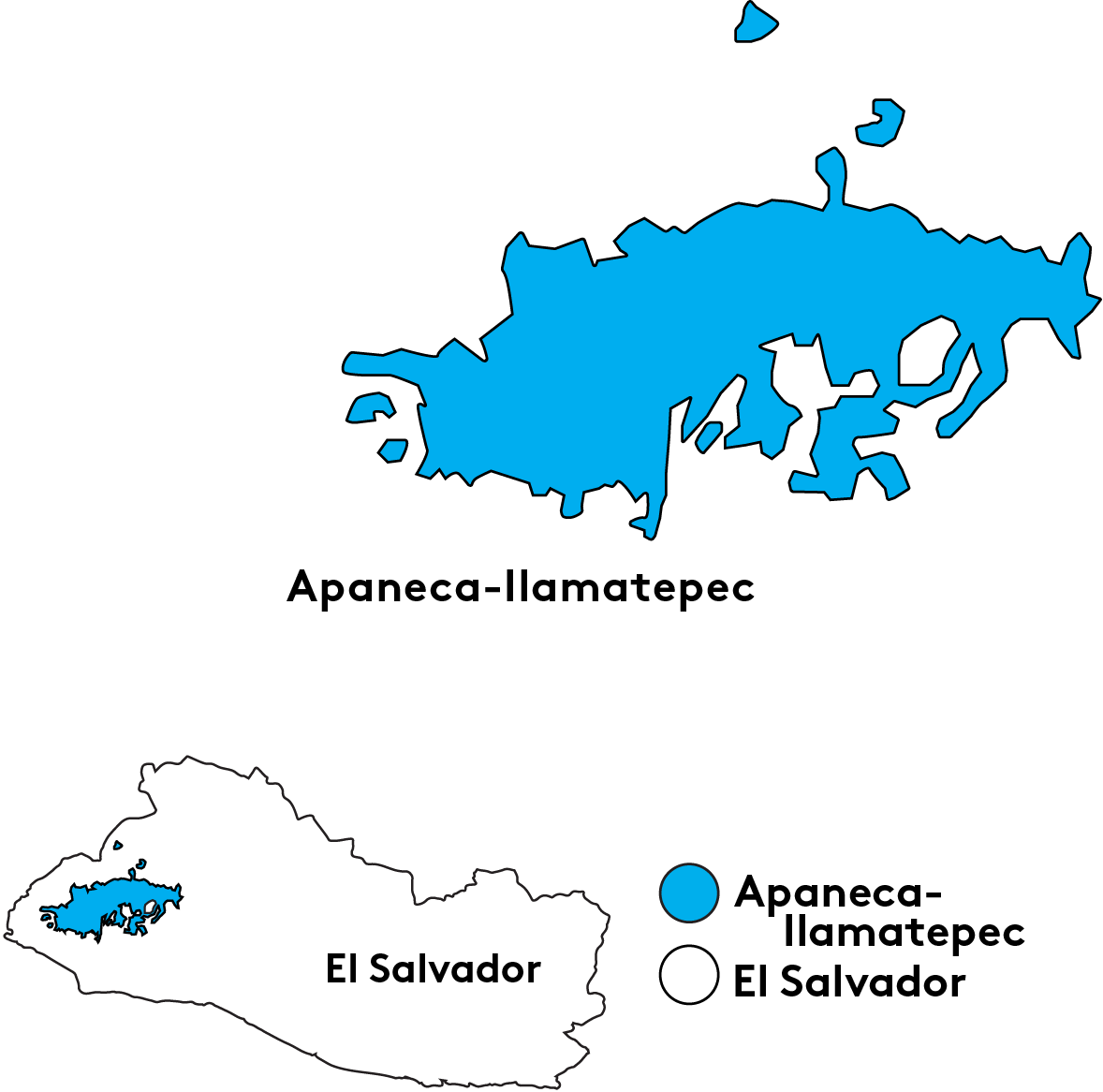
Finca Santa Matilde is located in Concepción de Ataco, Ahuachapán, within El Salvador’s Apaneca-Ilamatepec mountain range and coffee-growing region. The farm benefits from the region’s high elevations and favorable growing conditions, which support the production of distinctive, quality-focused coffees.
Building on generations of agricultural knowledge, Andrés and his family combine traditional coffee cultivation with continued experimentation and careful farm management. Their work focuses on producing high-quality coffees while exploring processing methods that highlight the character and potential of each lot.
The Ariz-Herrera family’s connection to the region extends beyond coffee production. For more than a century, the family’s farms have contributed to employment and economic activity in the surrounding communities. In 1991, the family joined four other local families to establish FUNDATACO, a foundation that supports children and young people in the Ataco region through sports programs and opportunities for educational and athletic development.
Santa Matilde has earned recognition for the quality of its coffees, including top placements in the El Salvador Cup of Excellence in 2018 and 2019. Through his work across the family’s farms, Andrés continues to build on this legacy with a focus on quality, innovation, traceability, and long-term community impact.
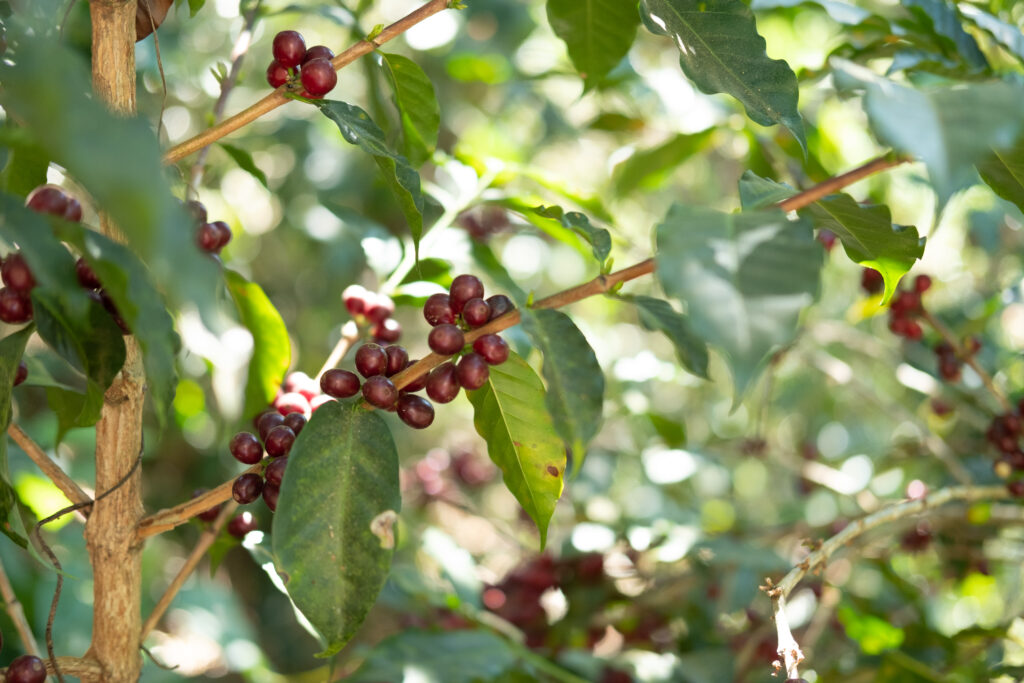
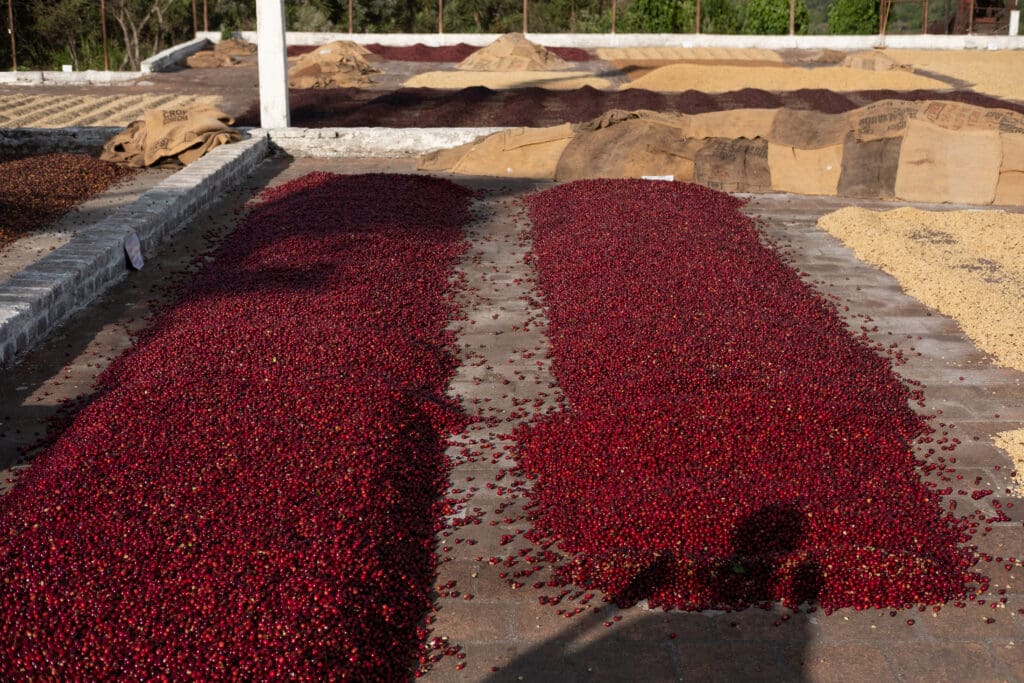
This lot of Pacamara underwent natural processing. After harvest, the coffee cherries were fermented in an anaerobic environment inside plastic bags for 36 hours. The cherries were then transferred to drying beds, where they were exposed to direct sunlight for five hours and shaded for five hours each day.
This alternating drying schedule continued for +-47 days. Once the coffee reached the desired moisture level, it was stored at the El Carmen warehouse, where the coffee was dry milled and prepared for export.