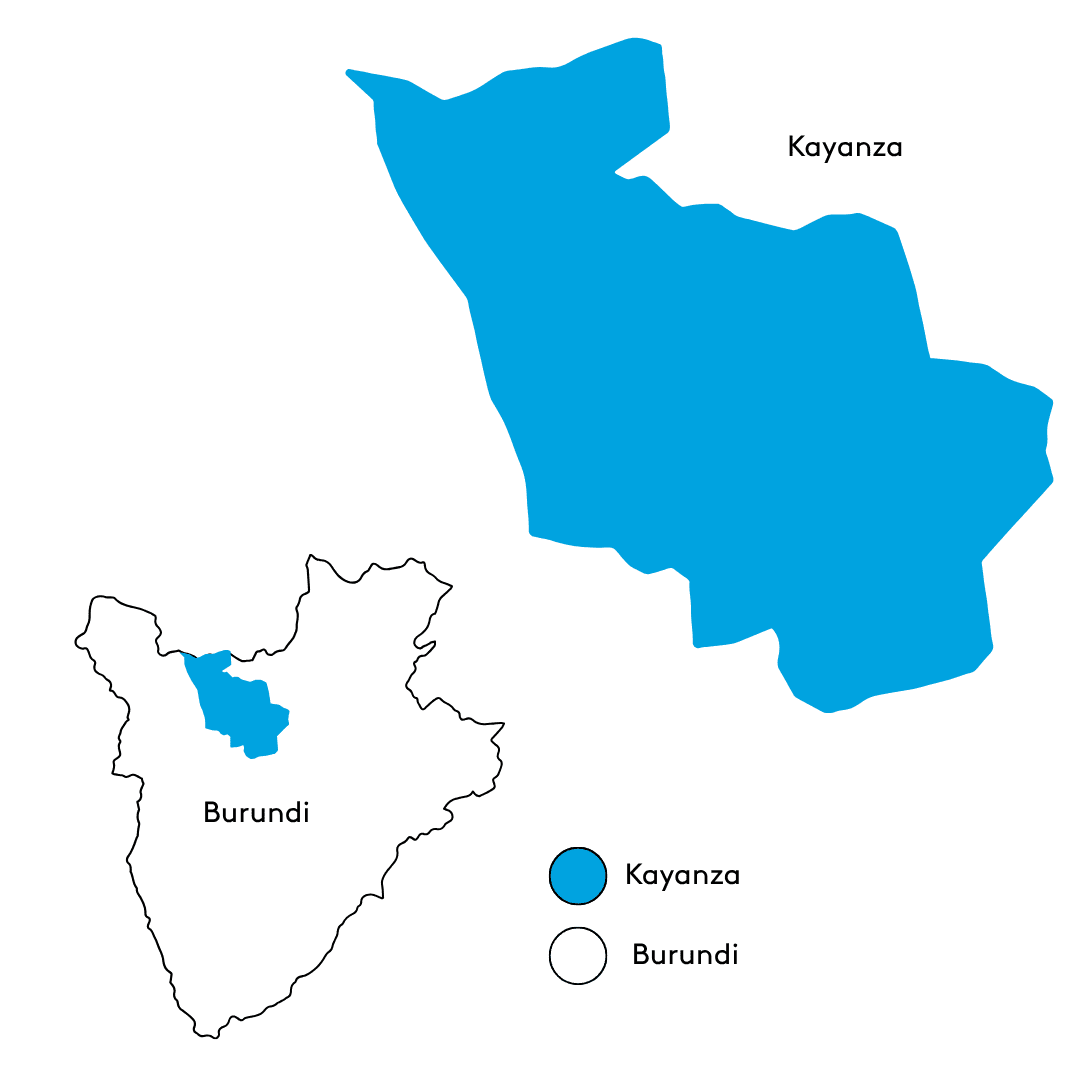
This coffee comes from Giku Hill, one of the coffee-growing communities surrounding Ninga Washing Station in Kayanza Province, northern Burundi. Located between 1,800 and 2,000 masl, this high-elevation region offers favorable conditions for specialty coffee production, where cooler temperatures and slower cherry maturation contribute to sweetness, structure, and cup complexity.
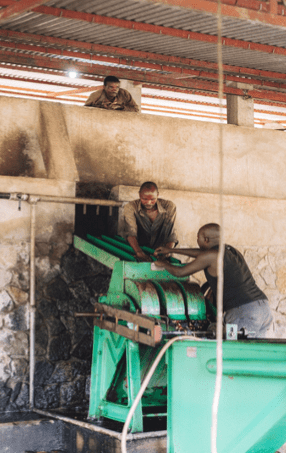
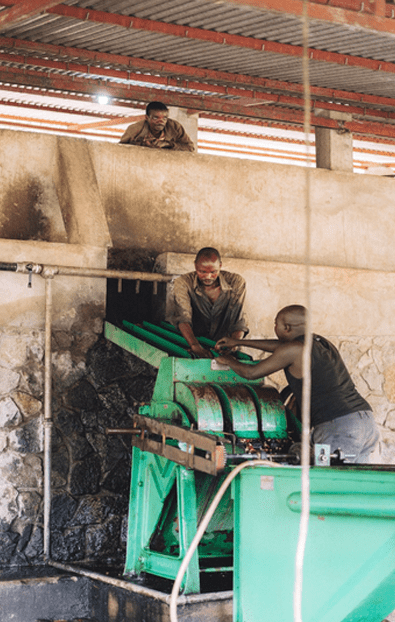
Ninga Washing Station sits at approximately 1,900 masl alongside the Nkokoma River and was established to improve access for producers who previously traveled long distances to reach washing stations offering fair pricing and transparent cherry purchasing systems. Today, Ninga supports producers across three main coffee-growing communities in Kayanza: Giku Hill, Bumba Hill, and Ninga Hill.
Giku Hill is a remote producing area located approximately fifteen kilometers from Long Miles’ Bukeye Washing Station, accessible only by crossing rivers and provincial borders. While small rivers run throughout the landscape, many farming communities still face limited access to clean drinking water and electricity. Coffee remains the primary crop grown on the hill, alongside corn and beans, supporting household livelihoods across the region.
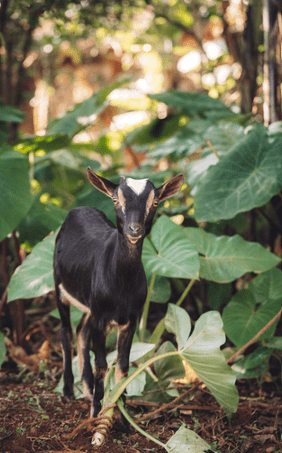
In the distance lies Kibira Forest, Burundi’s only indigenous rainforest, whose surrounding ecosystem contributes to the environmental diversity of this coffee-growing landscape. Smallholder producers on Giku Hill cultivate Bourbon varieties on family-managed farms, contributing to Burundi’s growing reputation for coffees recognized for sweetness, vibrant acidity, and layered fruit complexity.
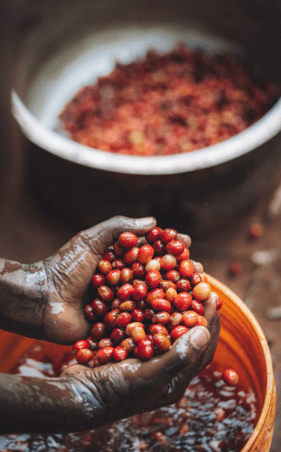
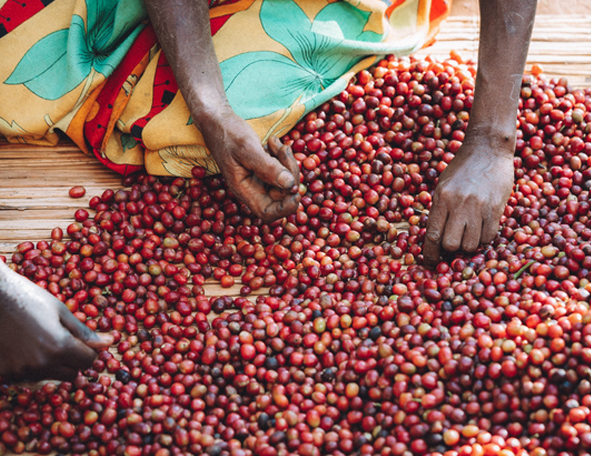
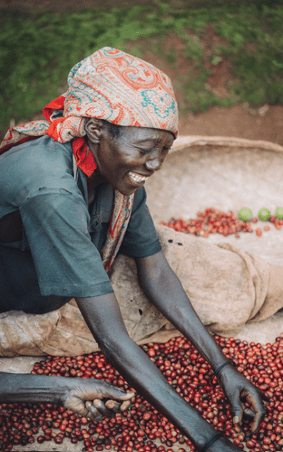
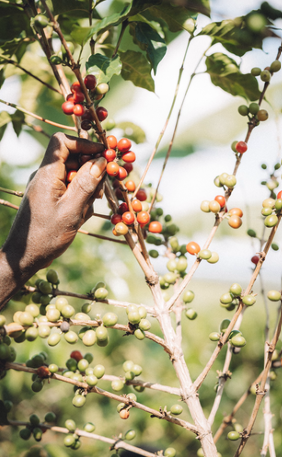
For this Bourbon lot, cherries are selectively harvested at peak ripeness and delivered for processing, where they undergo sorting prior to fermentation.
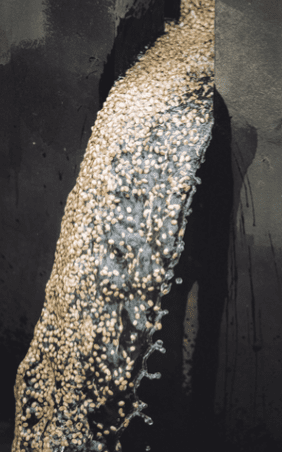
The coffee is then processed using an anaerobic honey method, where cherries are fermented under sealed conditions designed to influence microbial activity while enhancing fruit expression and sweetness development. Following fermentation, the coffee is depulped while retaining a portion of mucilage before drying under carefully managed conditions until stable moisture content is reached.
This processing approach combines Burundi’s strong foundation in cherry quality with controlled fermentation techniques designed to highlight the character of Bourbon grown in the high elevations of Kayanza Province.