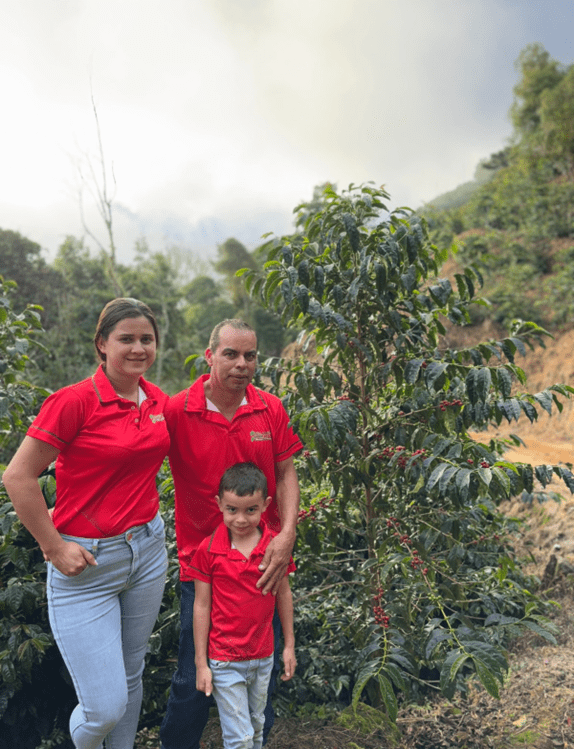
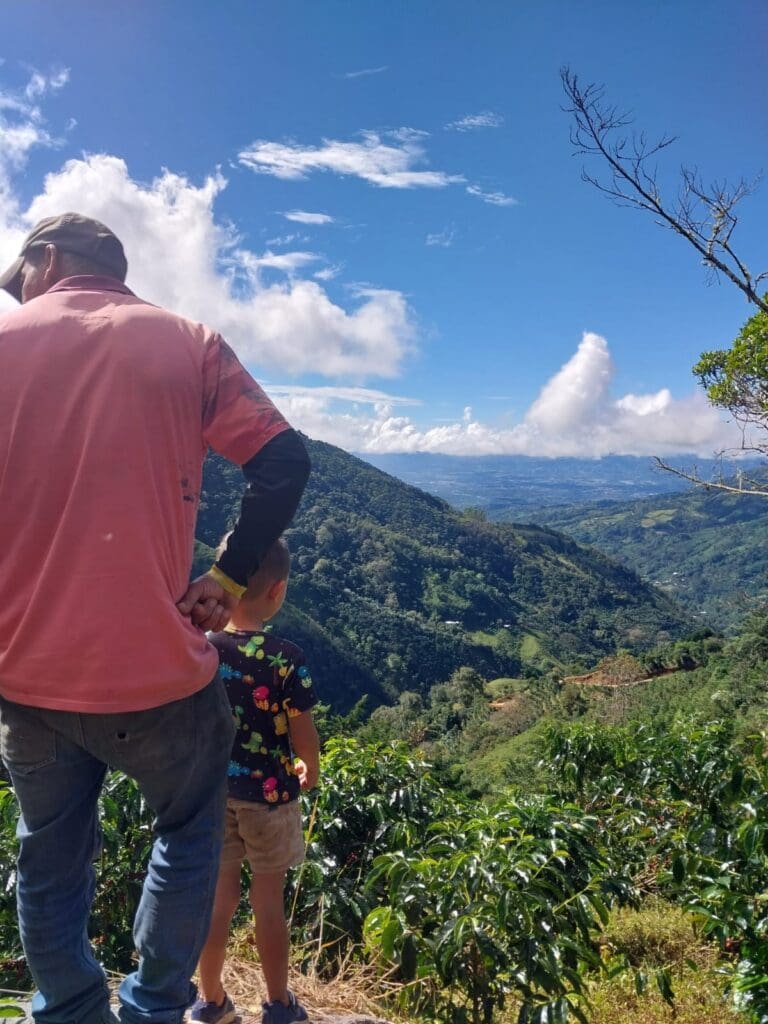
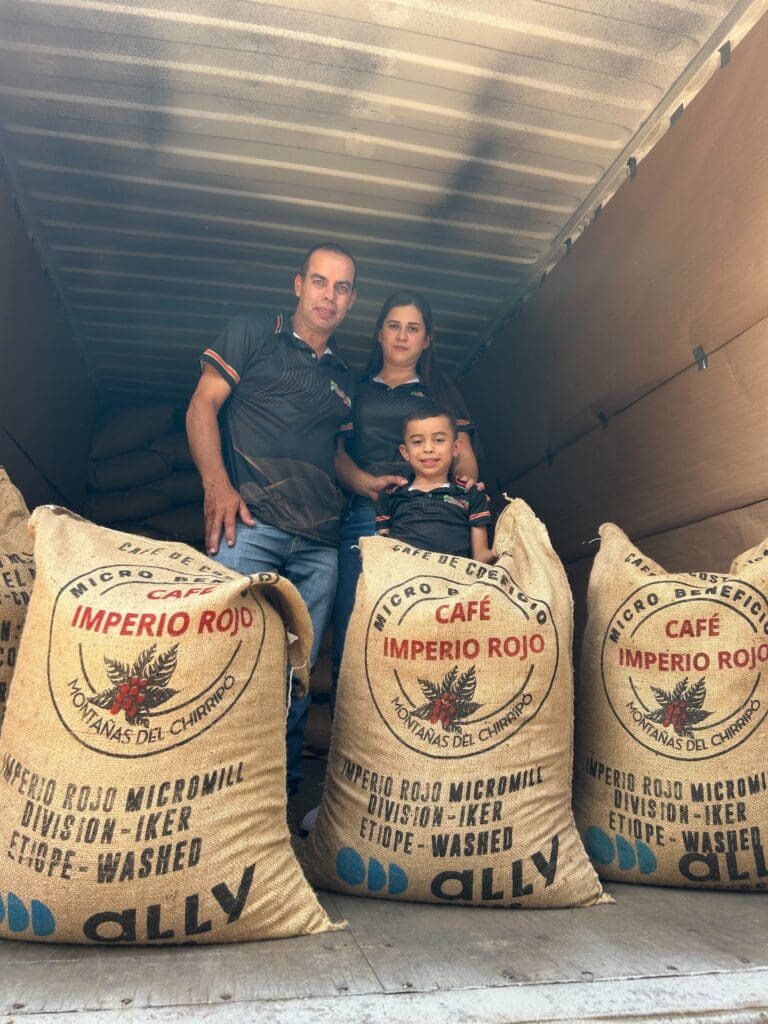
José Alvarado Abarca is a coffee producer whose connection to agriculture began early in life. Raised in a rural environment with limited opportunities, he grew up cultivating tubers and legumes under challenging conditions. In search of a more stable future, he migrated to the United States, where he worked for 10 years before returning to Costa Rica with the goal of establishing his own coffee farm.
His first property, El Higuerón, was planted with Catuaí and designed to balance both productivity and cup quality. As his experience developed, he acquired a second farm, Finca Iker—named in honor of his son—where he introduced a broader range of varieties including Geisha, Ethiopian landraces, Villalobos, Bourbon, and Java.
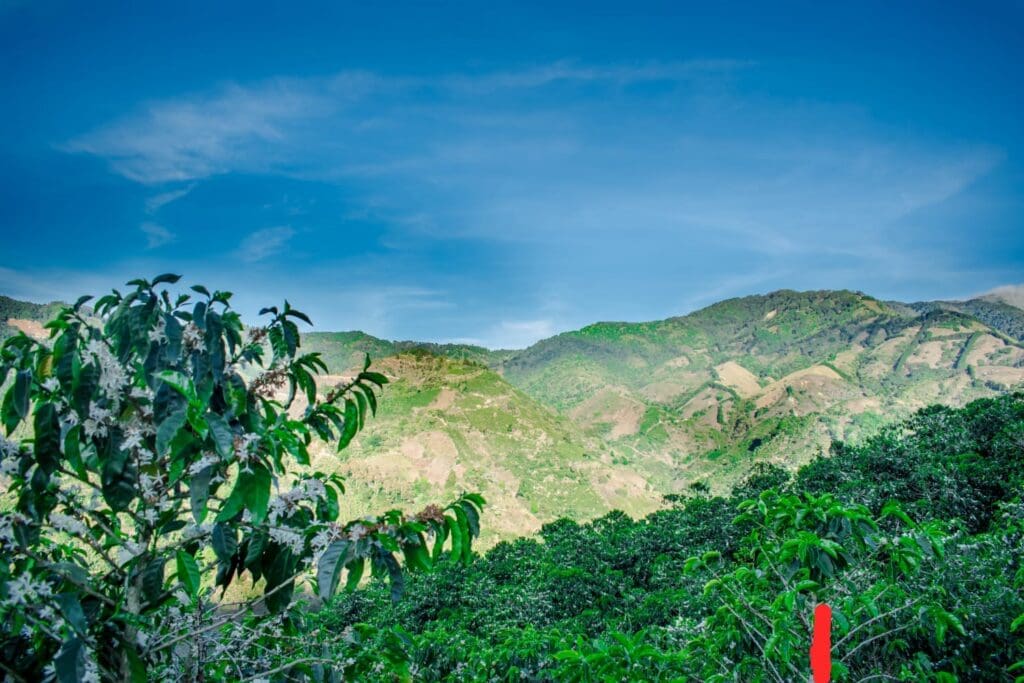
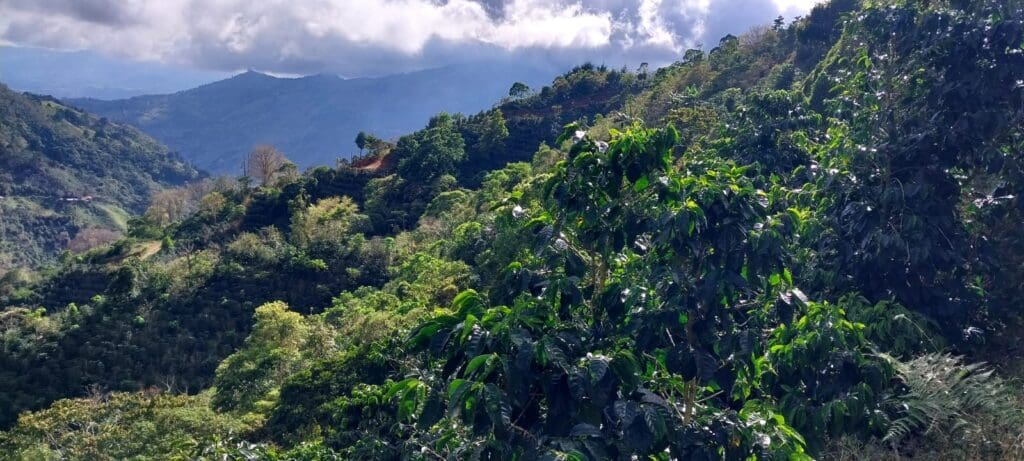
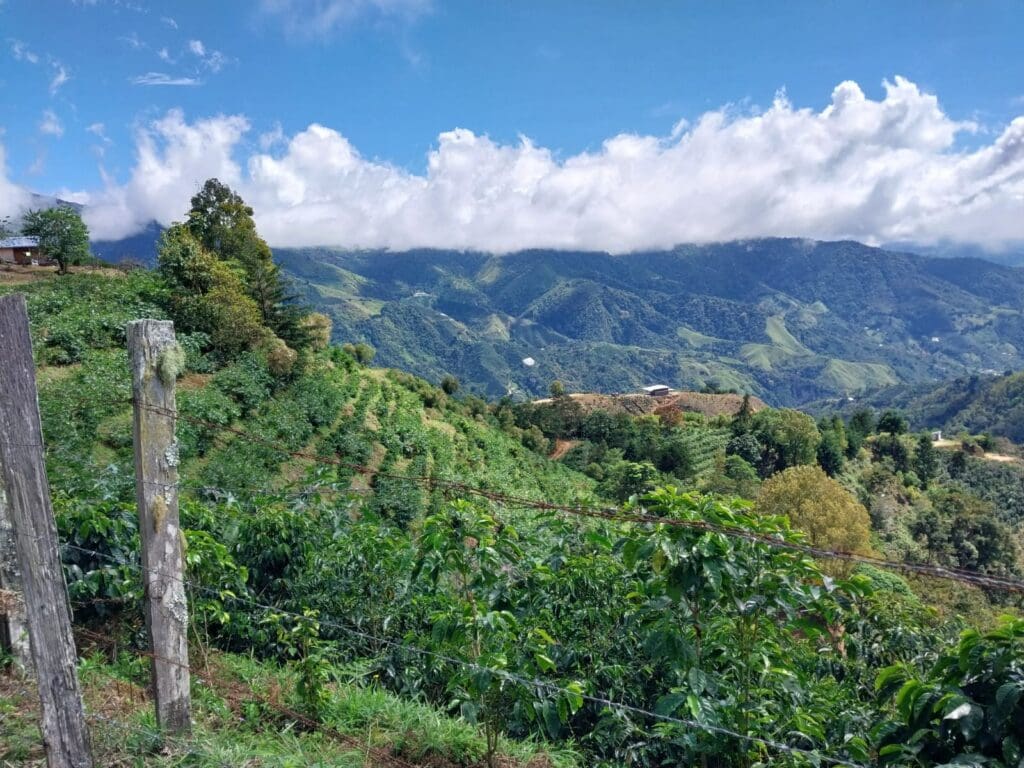
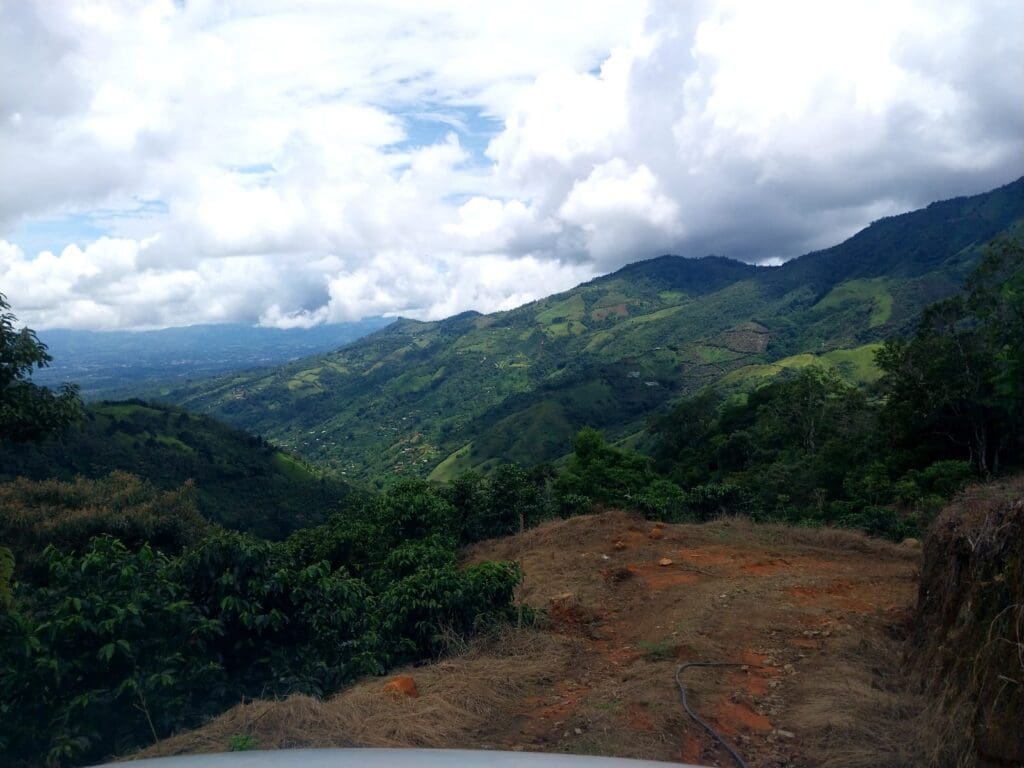
Located at approximately 1,800 masl, Finca Iker benefits from cool temperatures and fertile soils, conditions that promote slower cherry maturation and support the development of more concentrated and expressive cup profiles.
Coffees from this farm are primarily processed using washed methods, allowing each variety to express its inherent characteristics with clarity and without the influence of additional processing techniques.
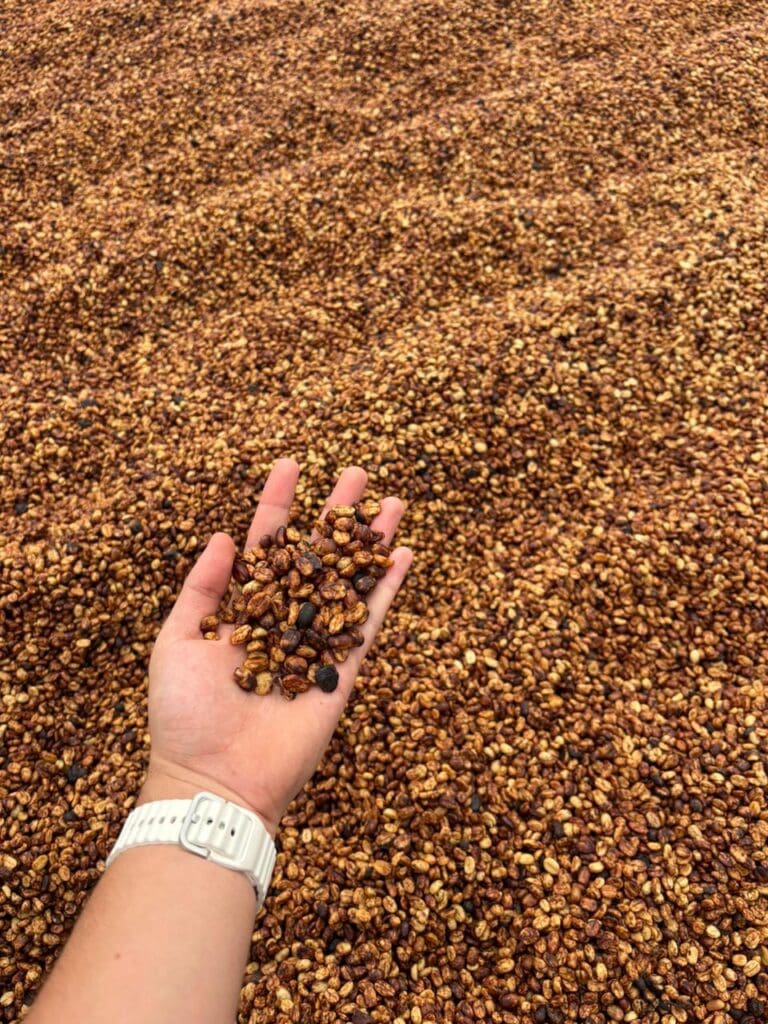
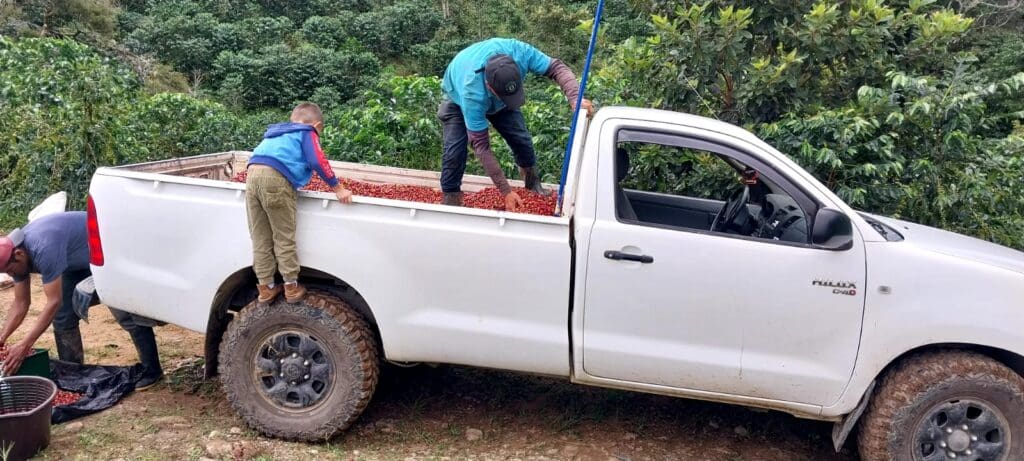
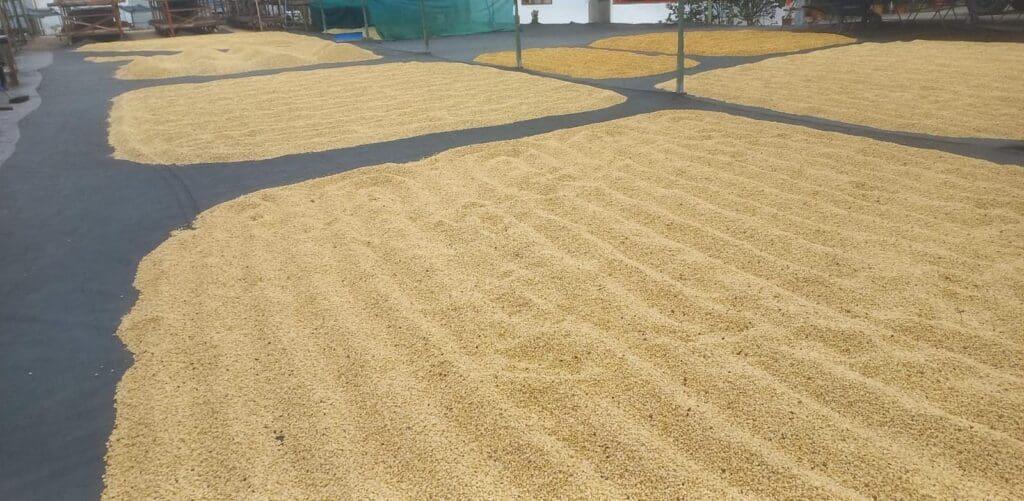
For this lot from Finca Iker, a washed process is applied. Cherries are delivered to the mill and mechanically depulped, followed by washing to remove the mucilage. The parchment is then transferred to raised beds for approximately 8 days, where it is regularly moved to ensure even drying and proper moisture reduction. After this stage, the coffee is moved to patios, where it continues drying for an additional 8 to 10 days. During this period, the parchment is spread evenly, turned frequently, and monitored daily to ensure consistent drying and optimal moisture levels. Once the desired moisture content is reached, the coffee is rested prior to milling. The dried parchment is then hulled to obtain green coffee. All stages of the process are carried out under controlled conditions, following established protocols and with full traceability maintained throughout.