Farm info

Coopetarrazú was founded on October 13, 1960, with 228 associates in San Marcos,Tarrazú. The cooperative was created due to the need for better working conditions for small producers, since they had a subsistence economy and did not have a voice or vote in the administration and commercialization of coffee.

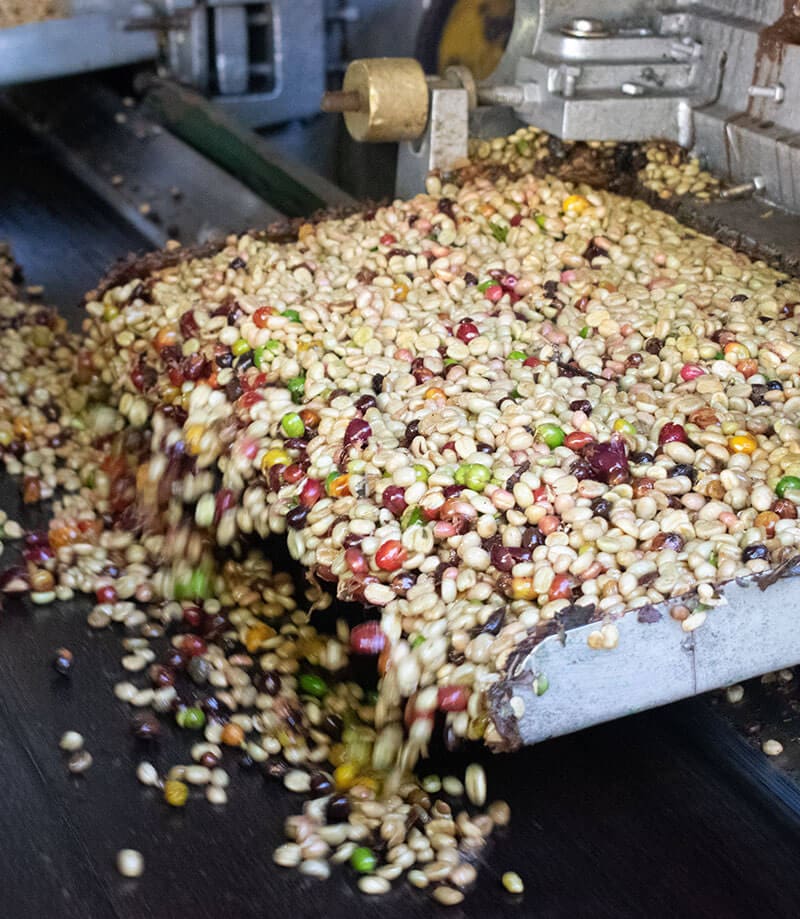
The cooperative was formed with a milling process capacity of 4,000 quintal (quintal = 46 Kgs bag) per year. Currently, Coopetarrazú has grown to approximately 4,500 associates and a processing capacity of 300,000 quintal per year. The cooperative always ensures the creation of services that help the well-being and development of its associates, their families, and communities.

Furthermore, Coopetarrazú is committed to being environmentally friendly. They have constructed a facility to process both liquid and solid waste resulting from coffee production. The cooperative is always looking for better manufacturing practices in the milling process to reduce environmental impact.

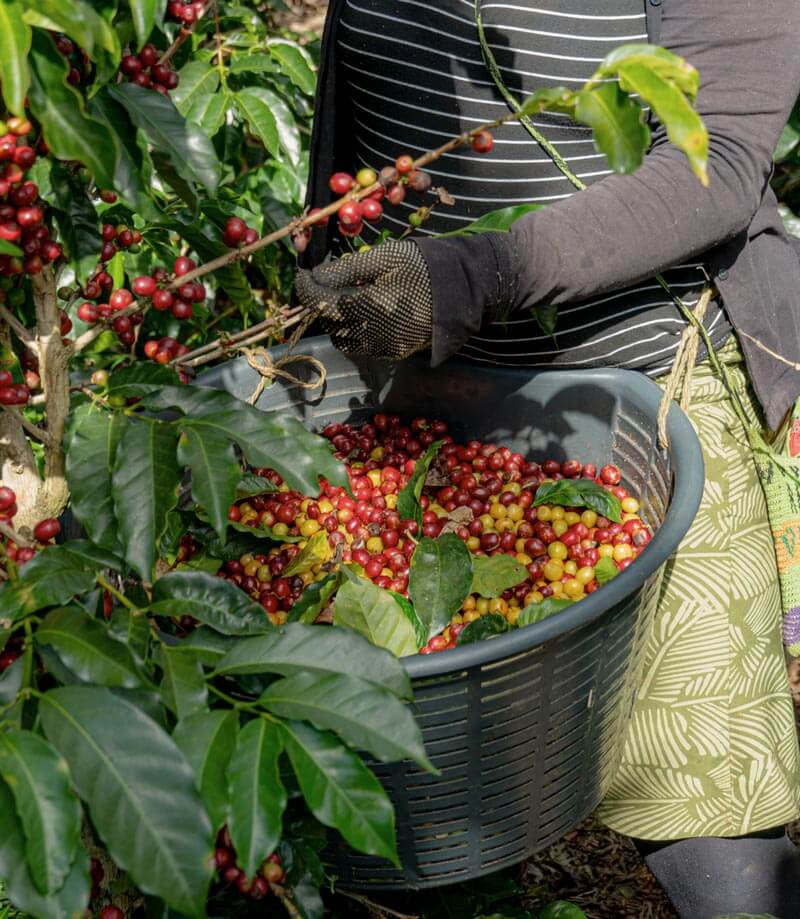
This lot of Red Catuai underwent Washed processing. Coffee was depulped, fully washed, and dried using mechanical drying in guardiolas.

Region

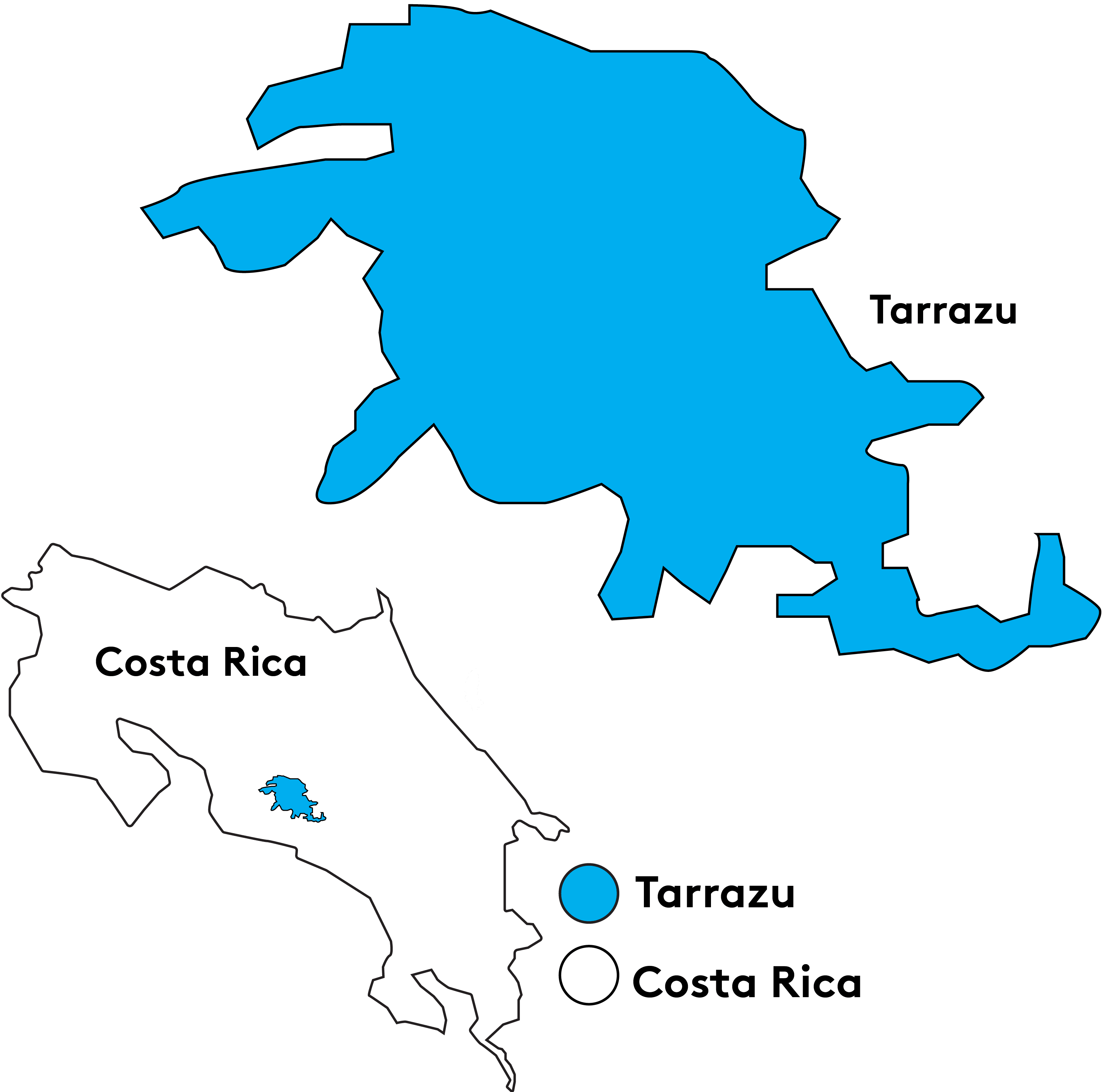
Tarrazú

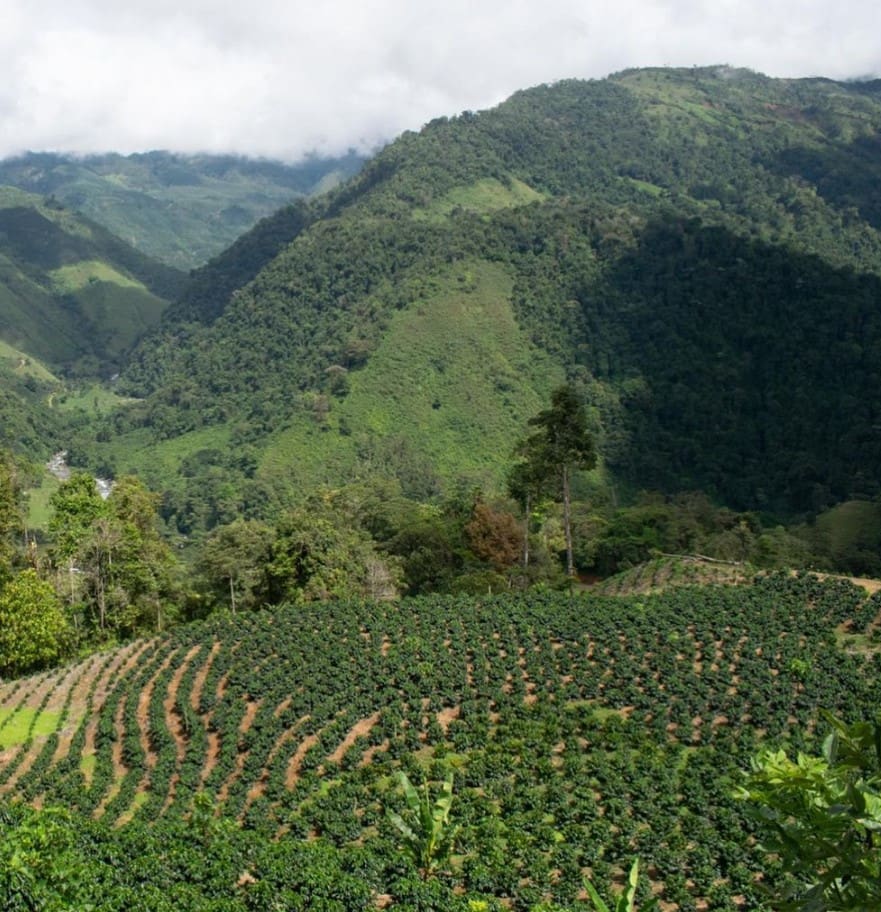
The Tarrazú region lies high in the mountains of the southern Pacific region south of Costa Rica’s capital city of San Jose. This area is one of the most densely planted high altitude regions in Central America, with many farms at or above 2000 meters above sea level. It is locally known as “Zona de Los Santos” for the number of towns with “San” or “Santa” in their names.

Tarrazú’s climate is characterized by two well-defined seasons; a rainy season lasting seven months (May through November) and a dry season (December through April). This encourages uniform coffee blossoming. On average, precipitation is around 2,400 millimeters (94.5 inches) per year, with an average annual temperature of 19°C (66.2°F).

The fertile, volcanic soils and rolling mountainsides of Tarrazú are well-suited for agriculture. Smallholders grow bananas, avocado, and citrus as well as coffee on properties passed between generations. The spirit of community and family is strong in Tarrazú, with producers caring for their land with pride. Many farms in Tarrazú include primary forest and some degree of shade trees interspersed with coffee, and producers take care to protect the natural water sources that spring up from the mountainsides.