What is a Core Coffee?
When it comes to buying green coffee, maintaining consistency in cup profile can be a real challenge for roasters. With so many different flavor profiles and crops that vary due to climate conditions, offering the same coffee to clients and consumers can become
difficult. With that in mind, we developed the Core Coffees program: a curated selection coffees from some of the world’s key origin countries: Brazil, Colombia, Costa Rica, Ethiopia, Perú, México Guatemala and Honduras.
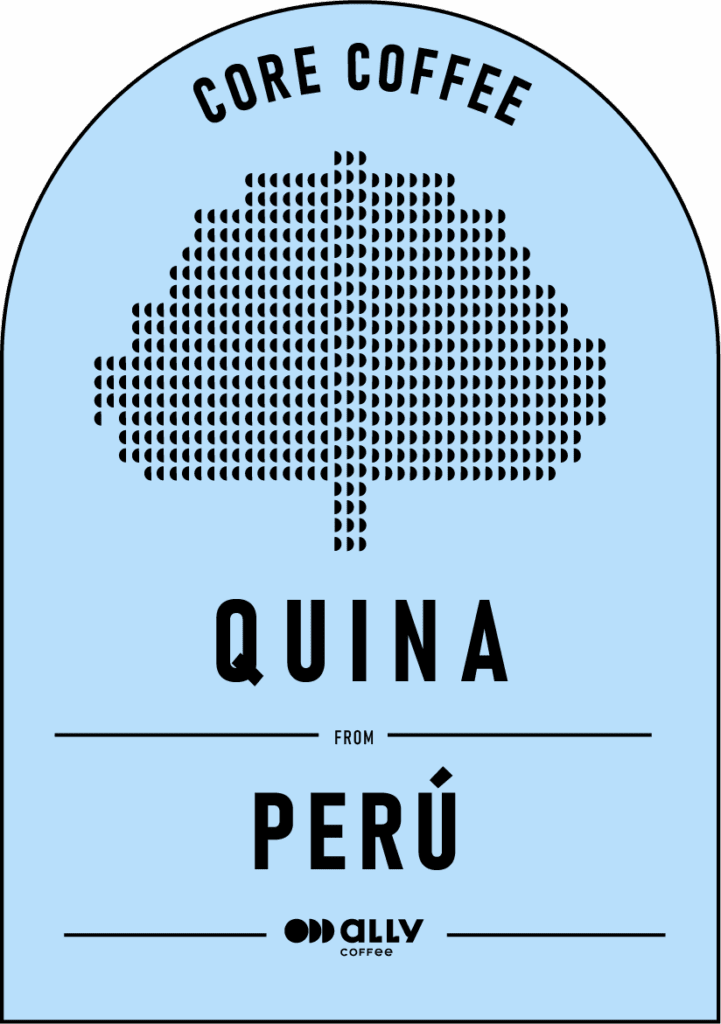
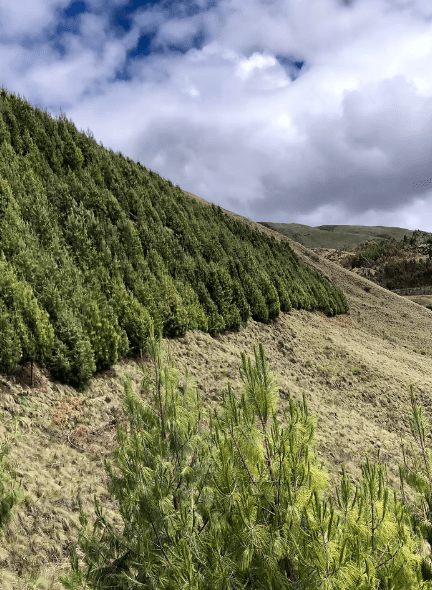
Core Coffees are named after the national tree of each origin, celebrating the culture and natural environment from which they come. Our green coffee buyers carefully select lots that represent the traditional cup characteristics of each country.
The Ciprés was officially declared Mexico’s national tree in 1921. Revered since Aztec times and commonly planted near lakes and canals, it symbolizes endurance, wisdom, and connection to water and community life.
About Quina
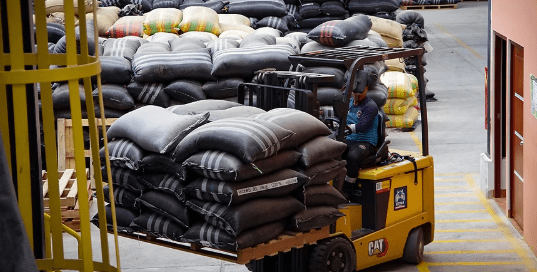
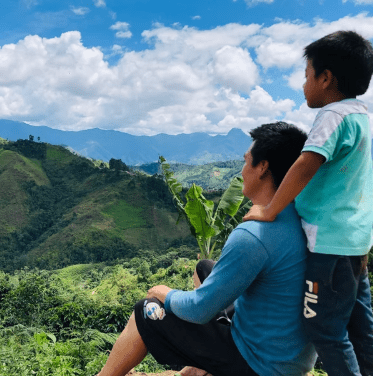
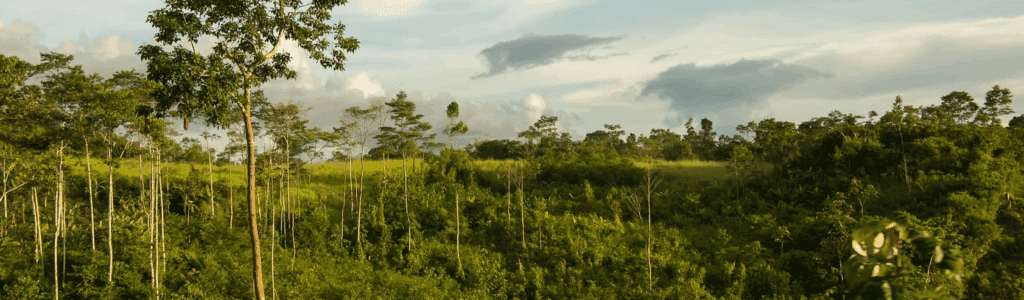
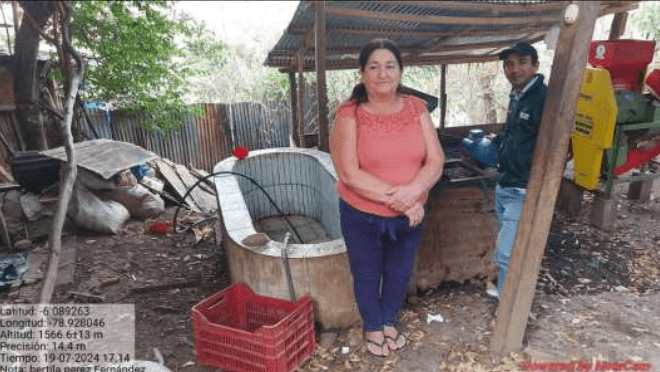
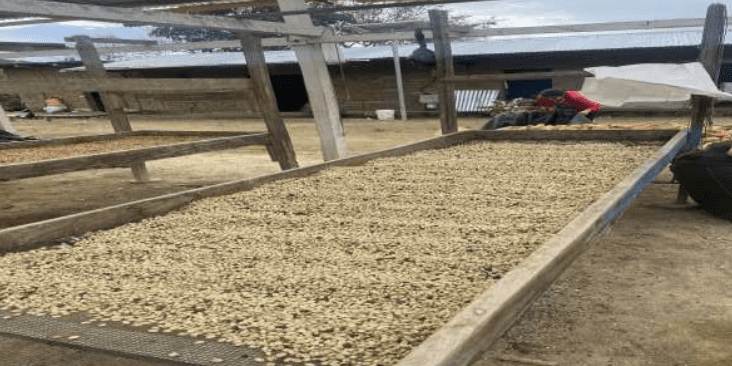
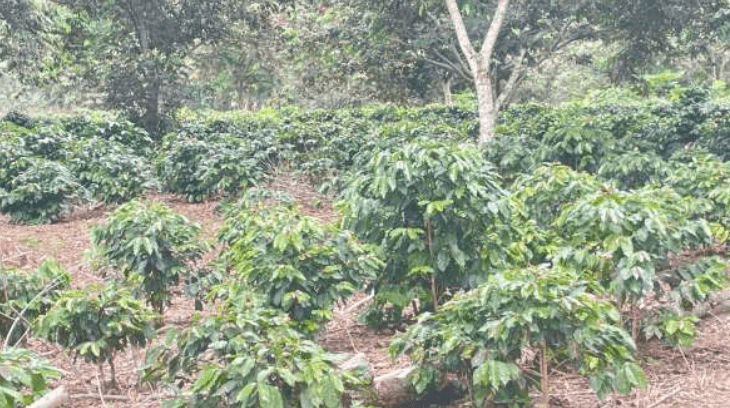
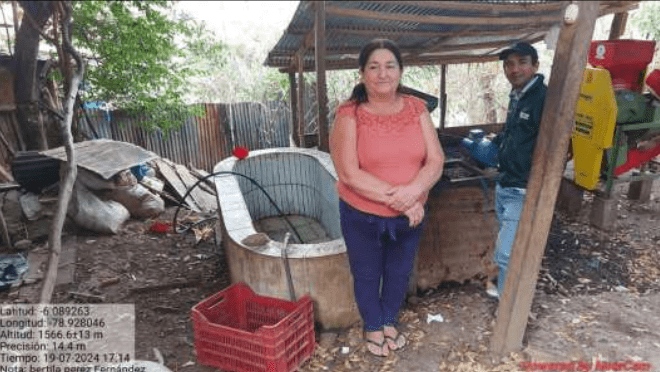
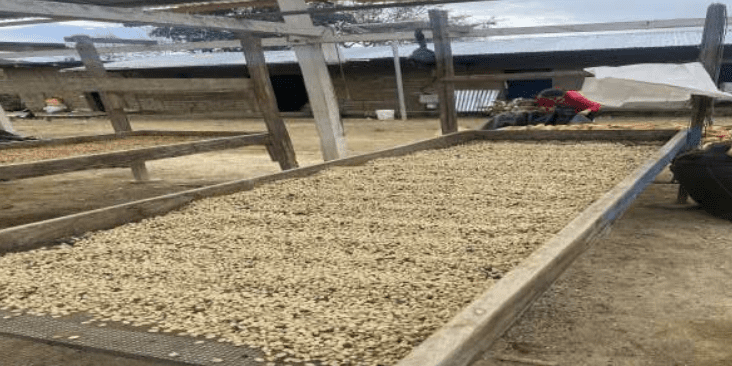
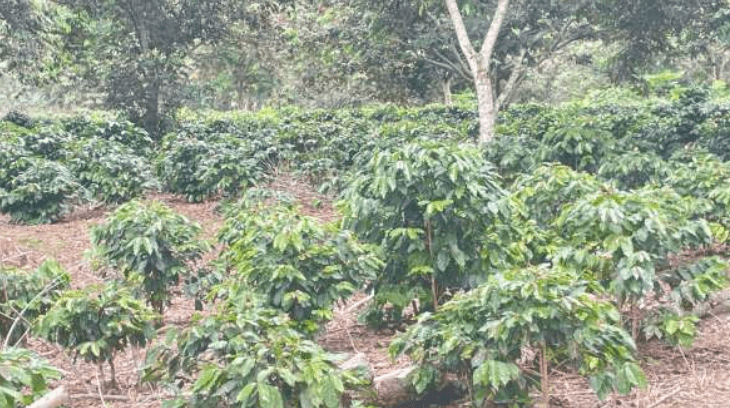
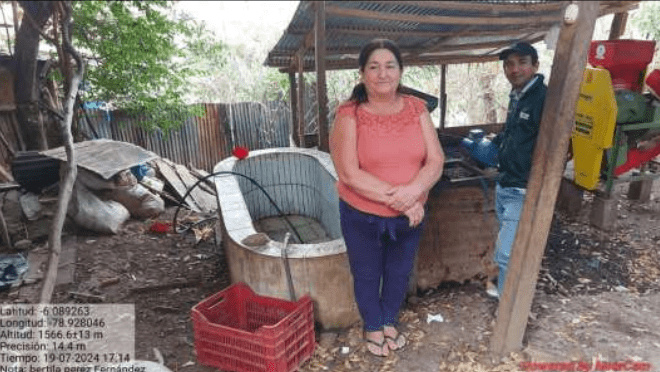
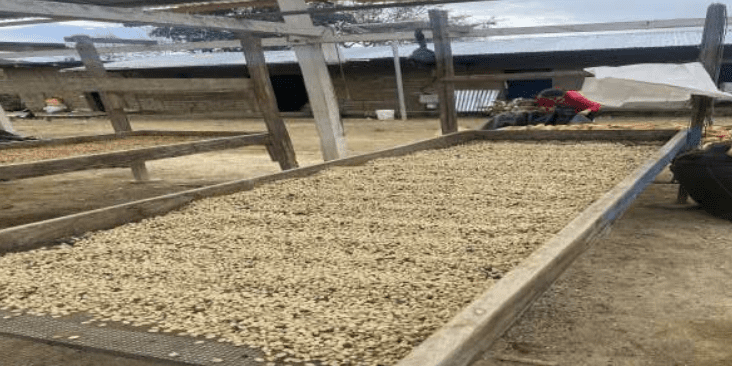
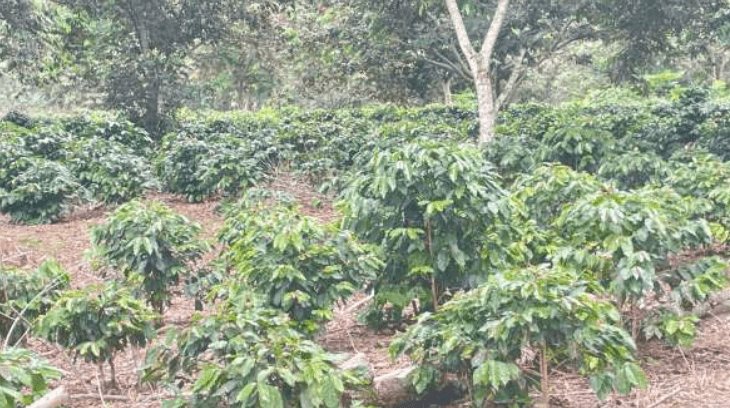
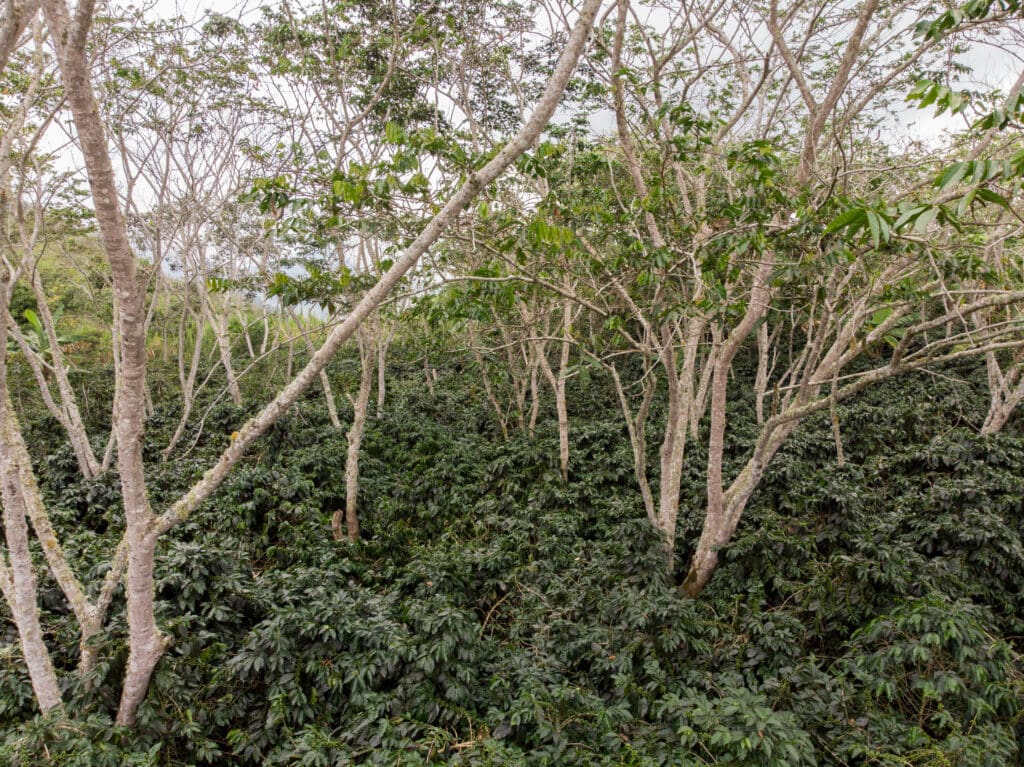
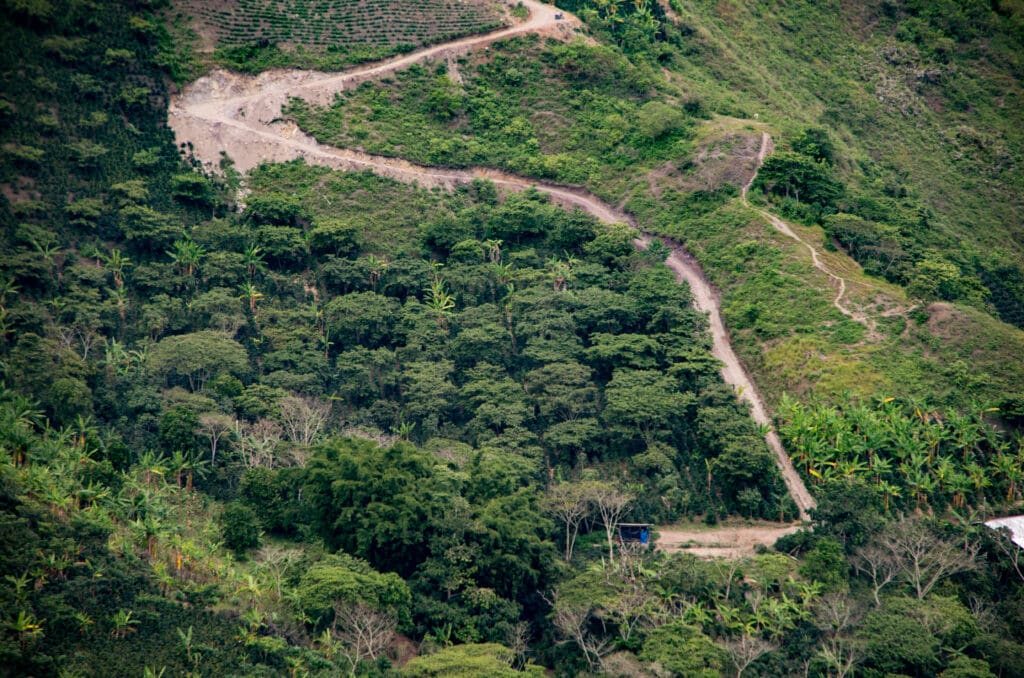
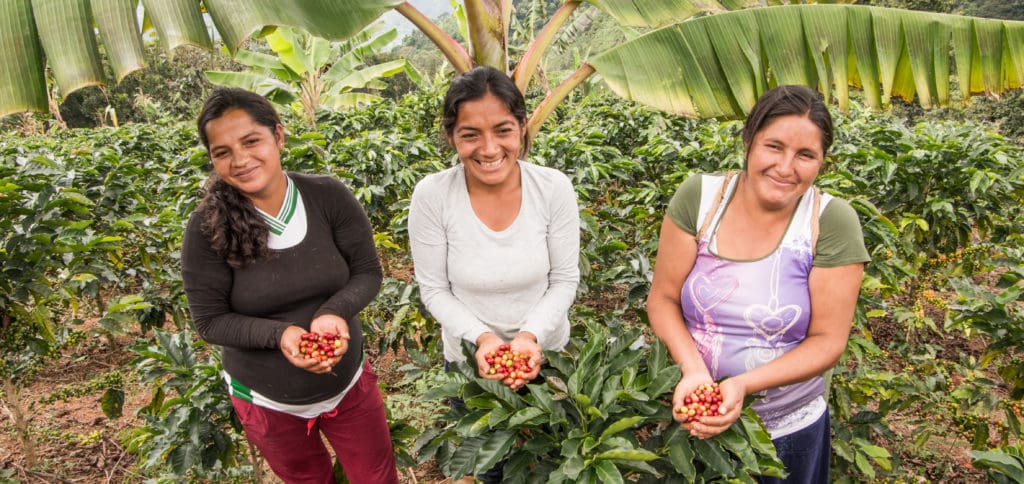
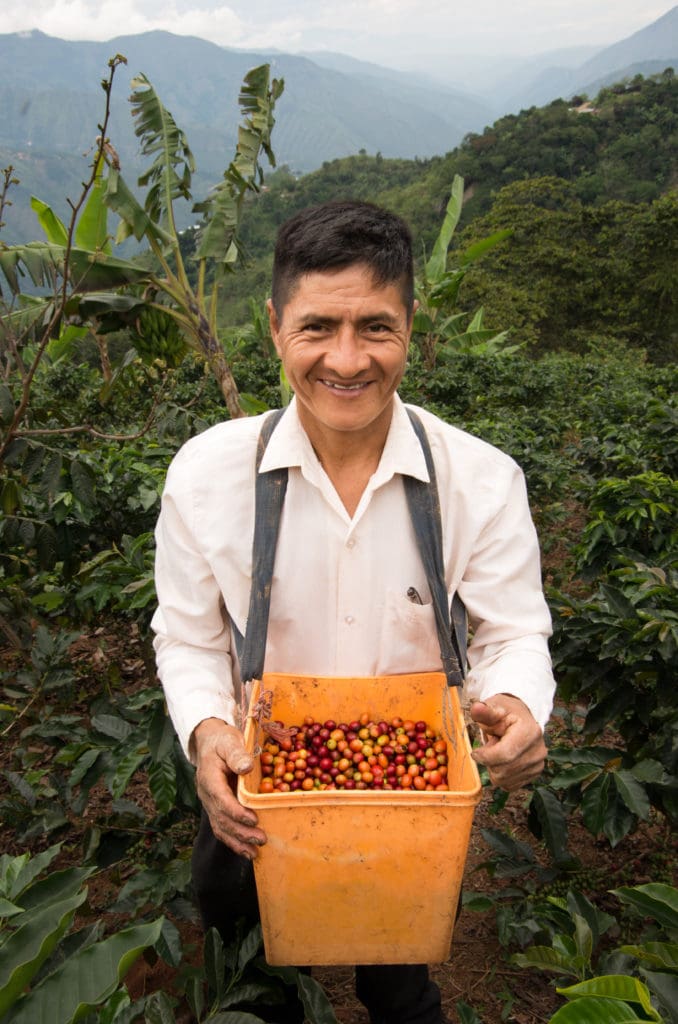
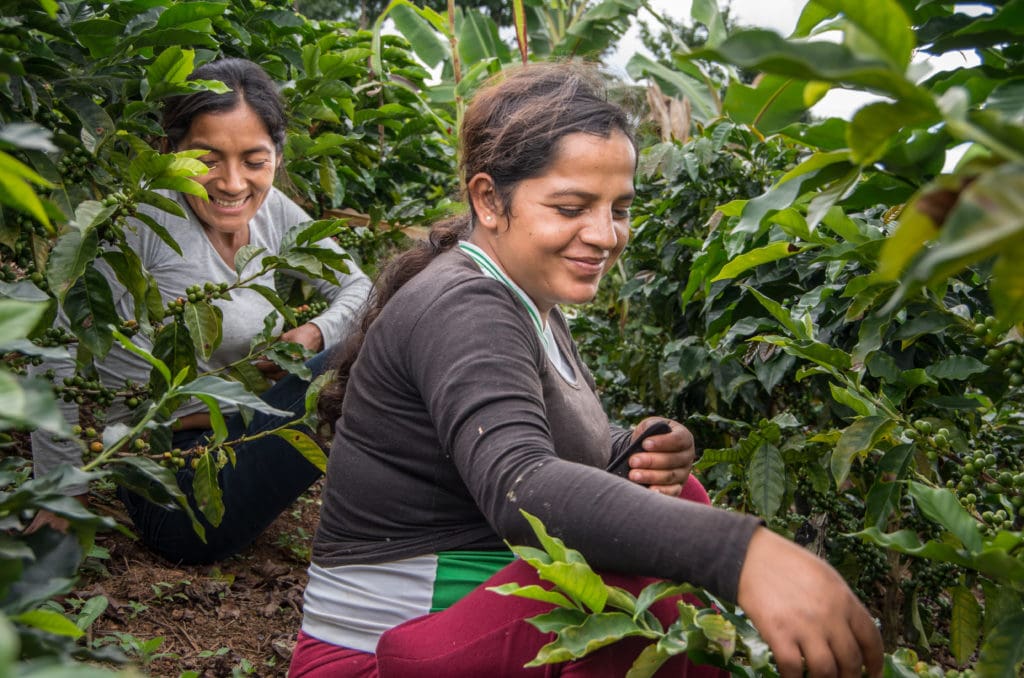
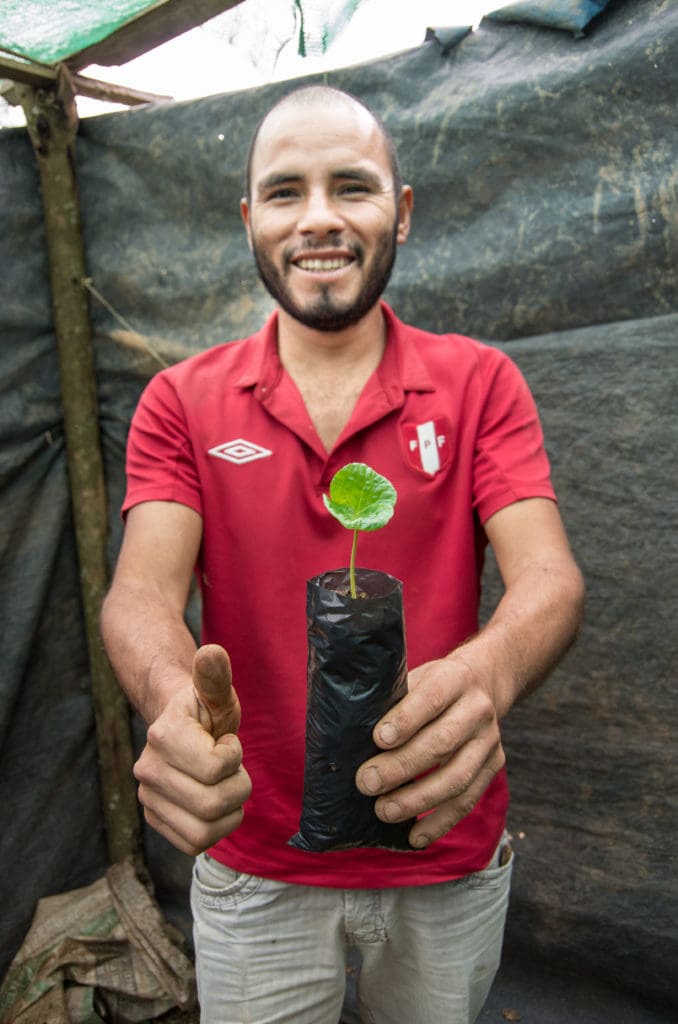
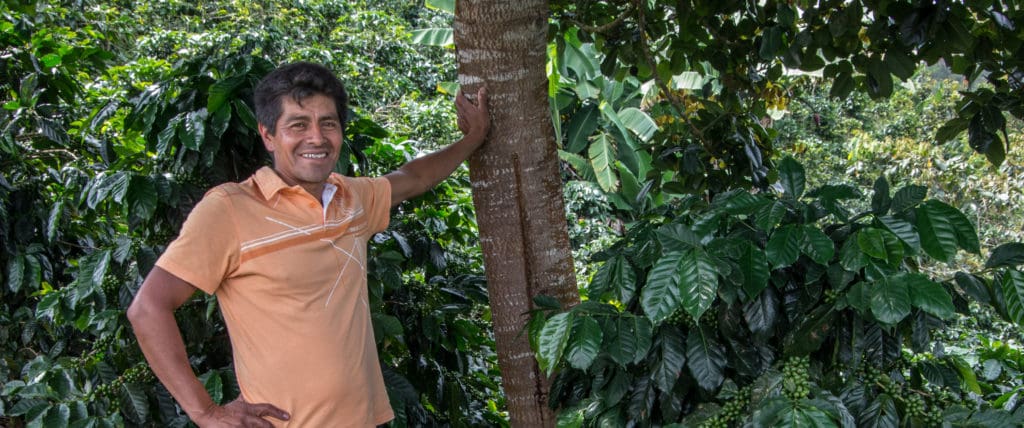
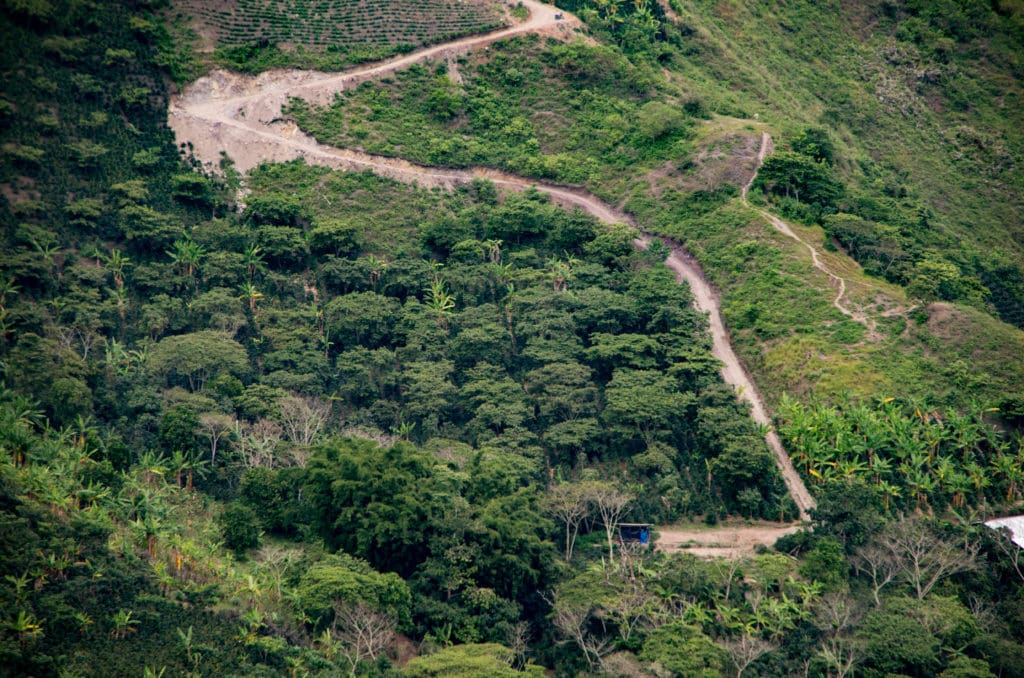
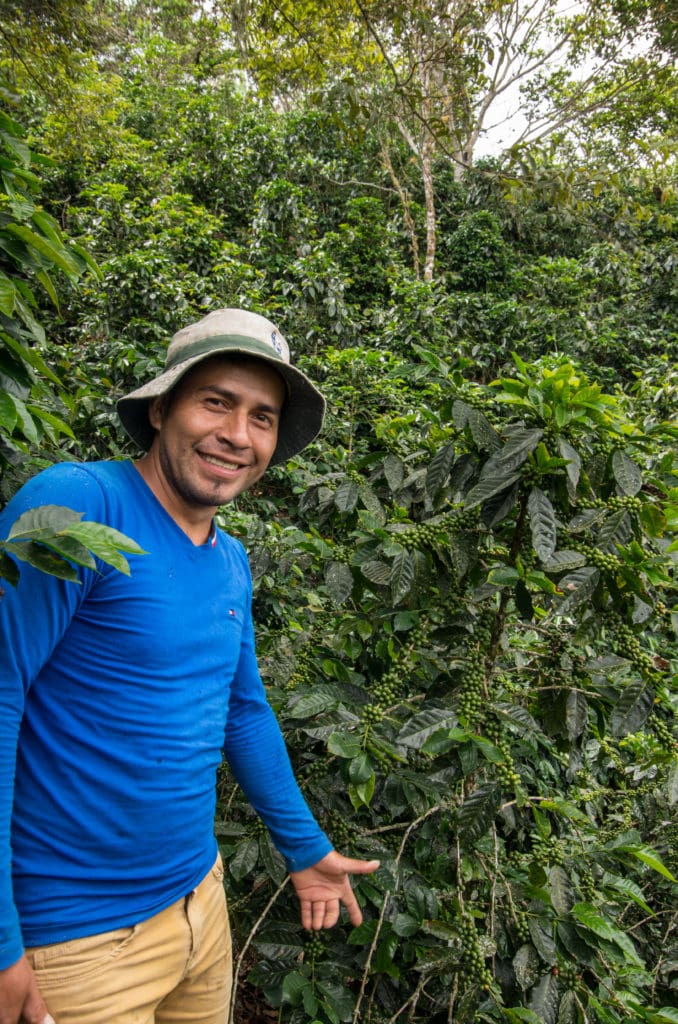
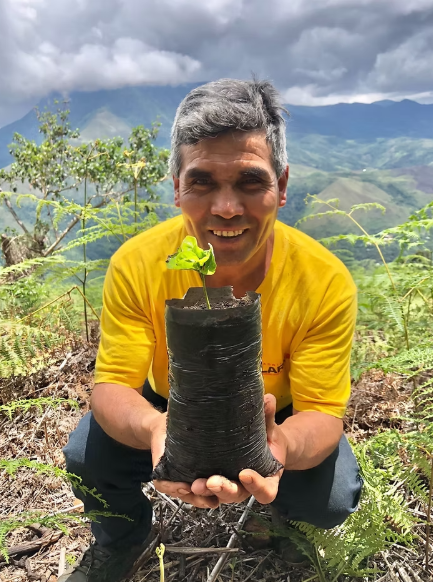
Quina is sourced from smallholder producers across the most important coffee-growing regions of Peru, such as Cajamarca and Cusco, a country recognized for its diverse landscapes and rich coffee heritage. This coffee is curated to represent the distinct identity of Peruvian coffee, shaped by high elevations, fertile soils, and the traditions of indigenous communities. Producers deliver their harvest to local mills where the coffee is fully washed and sun-dried, reflecting both ancestral knowledge and regional character. This sourcing approach allows us to offer a consistent supply of coffee that highlights the clean, sweet, and balanced qualities for which Peru is celebrated.