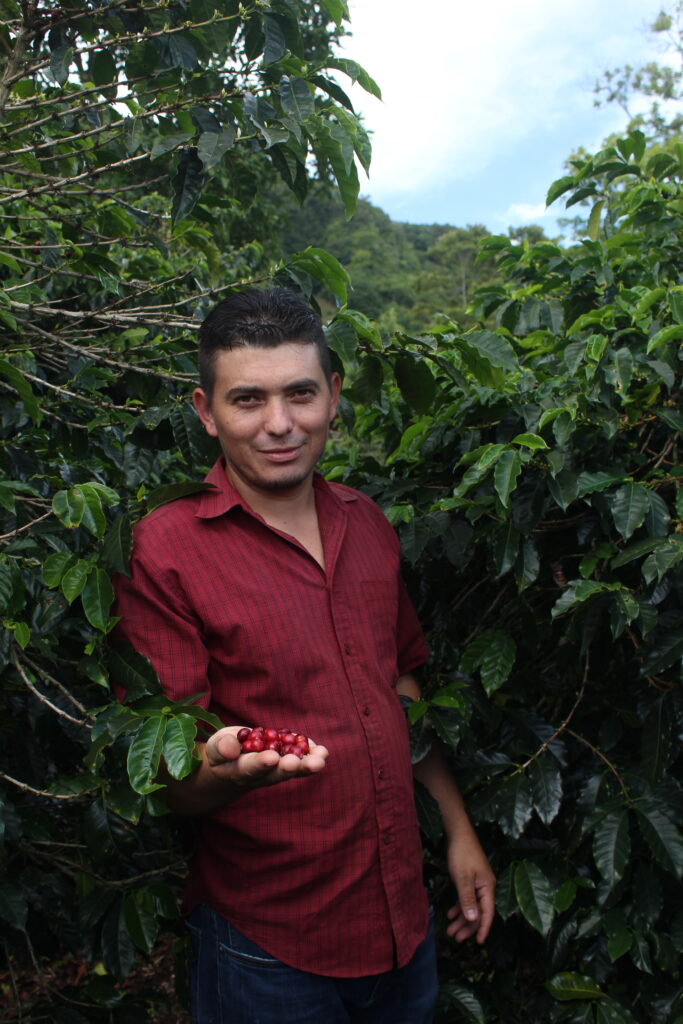
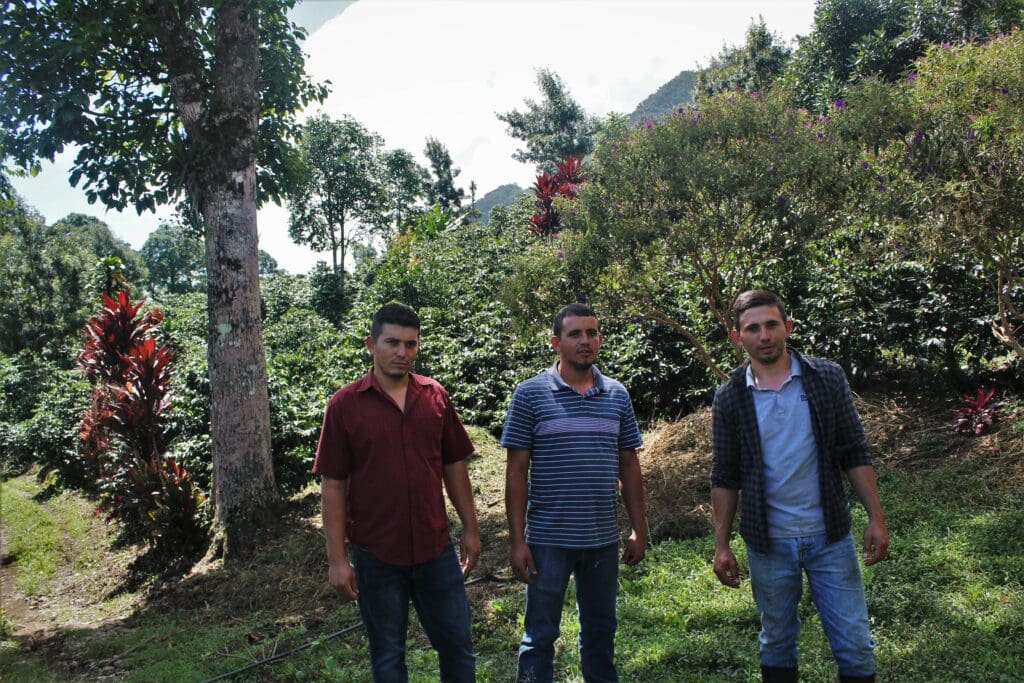
The Sagastume family has been dedicated to coffee farming for many decades, led by Don Pedro Sagastume. Over the years, Pedro divided his land into multiple plots so each of his sons could take ownership and leadership of their own work. Even so, the project remains deeply rooted in a shared family effort, with the family home at the center and the sons and their families living nearby, working closely together.
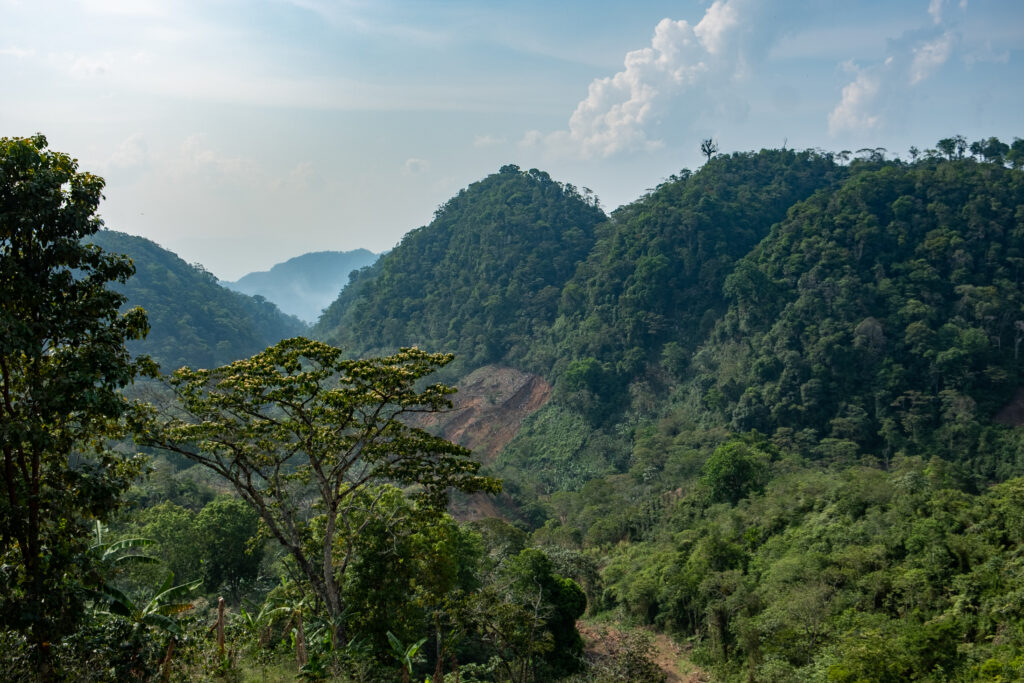
This lot comes from La Vinã farm, managed by Yeltsin, the second of Pedro’s three sons. Yeltsin represents the next generation of the Sagastume family, combining inherited knowledge with a strong sense of responsibility for the land and the family legacy. La Vinã reflects this generational continuity, where long-term vision and hands-on involvement define the way the farm is managed.
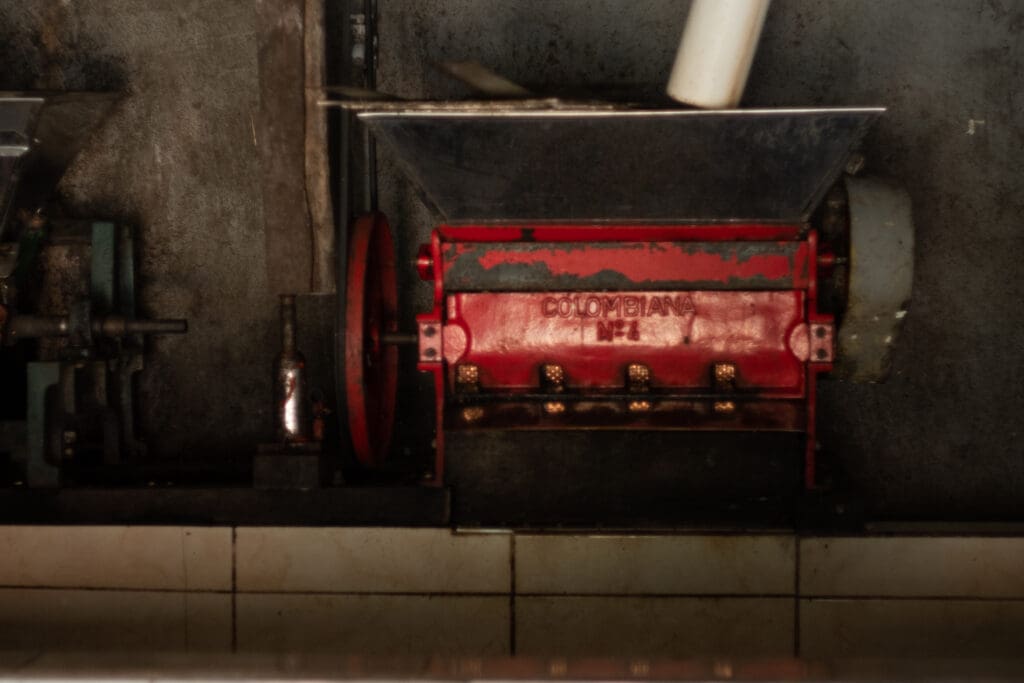
The Sagastume family has worked consistently to build their place in the specialty coffee market through research, long-term planning, and investment in infrastructure and farm development. Part of this vision includes the establishment of new plots and the introduction of varieties such as Gesha, Pacamara, and SL-28, marking an important step forward for the family and their future generations.
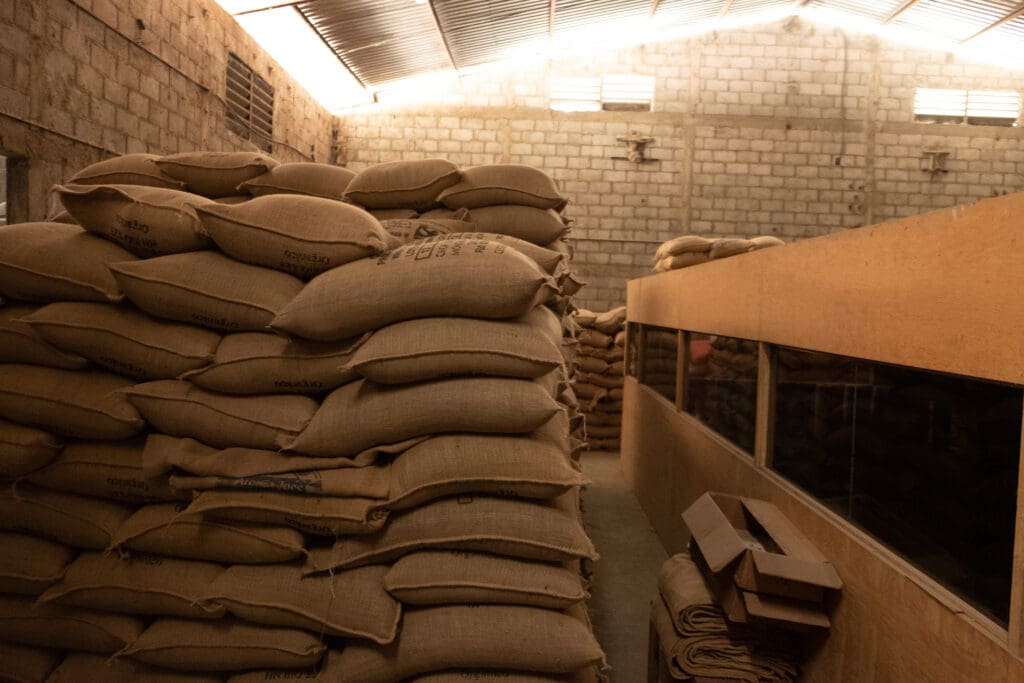
For export preparation, the family works alongside Exportadora San Vicente, a family-owned company founded by the Paz family more than forty years ago. Based in Peña Blanca, on the shores of Lake Yojoa, San Vicente collaborates with over 200 producers and has played a key role in supporting microlots that have earned recognition in the Honduras Cup of Excellence.