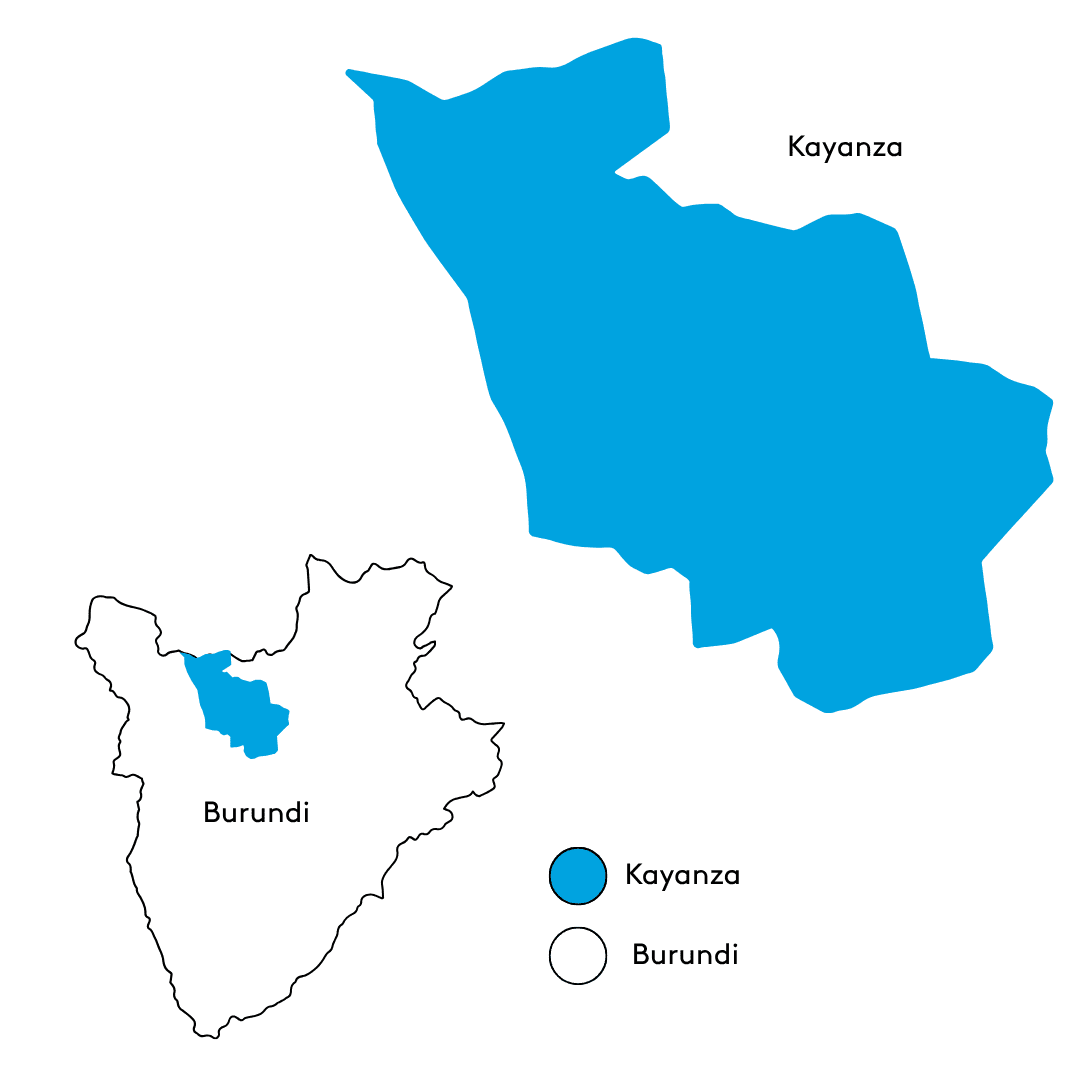
This coffee comes from Bumba Hill, one of the coffee-growing communities surrounding Ninga Washing Station in Kayanza Province, northern Burundi. Located between 1,800 and 2,000 masl, this high-elevation region offers conditions well suited for specialty coffee production, where cooler temperatures and extended cherry maturation contribute to sweetness development, structure, and cup complexity.
This lot was produced by smallholder farmers cultivating Bourbon varieties across the hills surrounding Ninga Washing Station. Coffee production in Burundi is almost entirely driven by smallholder families, with most producers farming less than one hectare of land and delivering cherry to centralized washing stations, which play a critical role in quality control, processing, and market access throughout the country.
Ninga Washing Station was established after recognizing a major challenge facing local producers: many farmers were traveling long distances to access stations that offered transparent weighing systems and fair compensation for cherry deliveries. The creation of Ninga aimed to strengthen coffee access for surrounding communities while supporting greater transparency and opportunity within the local coffee supply chain.
Ninga operates within one of Burundi’s most important coffee producing regions, Kayanza Province, an area internationally recognized for producing coffees with vibrant acidity, structured sweetness, and refined fruit characteristics. Three primary coffee-growing hills supply coffee to Long Miles-supported production in the region: Giku Hill, Ninga Hill, and Bumba Hill.
Bumba Hill itself is one of the moreremote producing areas within the region. Reaching the community requires crossing multiple rivers and provincial boundaries. Access to infrastructure remains limited, with many farming families living without reliable electricity or clean drinking water access. Coffee serves as the primary agricultural crop and economic driver, alongside staple crops such as corn and beans.
At the center of the hill sits a small local market where families trade harvested goods and household necessities, while a single primary school serves the surrounding community. Despite logistical challenges, producers on Bumba Hill continue to invest in coffee quality, contributing to Burundi’s growing reputation within specialty coffee.
Coffee production in Burundi has historically depended on centralized washing stations due to the country’s small farm sizes and limited farm-level processing infrastructure. This system has become a defining characteristic of Burundi’s coffee sector, where careful cherry selection, centralized processing, and high elevations contribute to the country’s distinctive cup profiles and increasing recognition within specialty coffee markets worldwide.
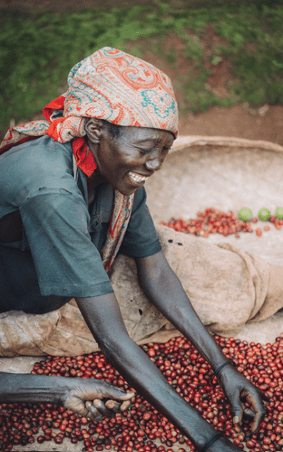
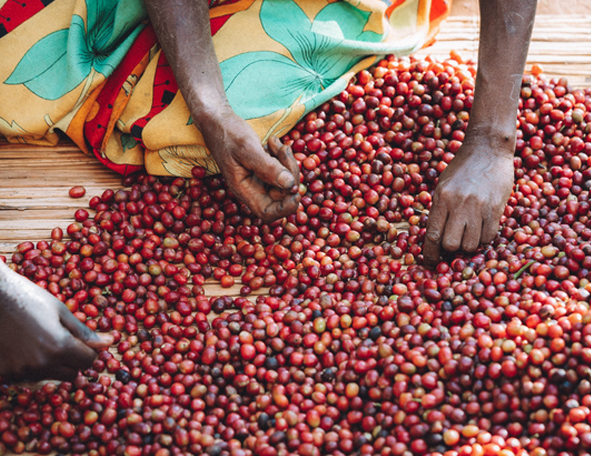
For this Bourbon lot, an anaerobic natural process is applied. Cherries are selectively harvested at peak ripeness and delivered to Ninga Washing Station, where they undergo sorting to remove underripe, damaged, or low-density fruit prior to processing.
The cherries are then placed into sealed fermentation environments, creating anaerobic conditions designed to influence microbial activity and support greater fruit development and complexity within the cup profile.
Following fermentation, the coffee is dried slowly as whole cherry under carefully managed conditions until reaching stable moisture content. Drying is carried out with close attention to airflow, movement, and moisture management to support uniform drying and preserve cup quality.
This approach combines Burundi’s traditional focus on cherry quality with newer fermentation techniques aimed at exploring additional sensory expression while maintaining clarity and structure in the final cup.