Farm info

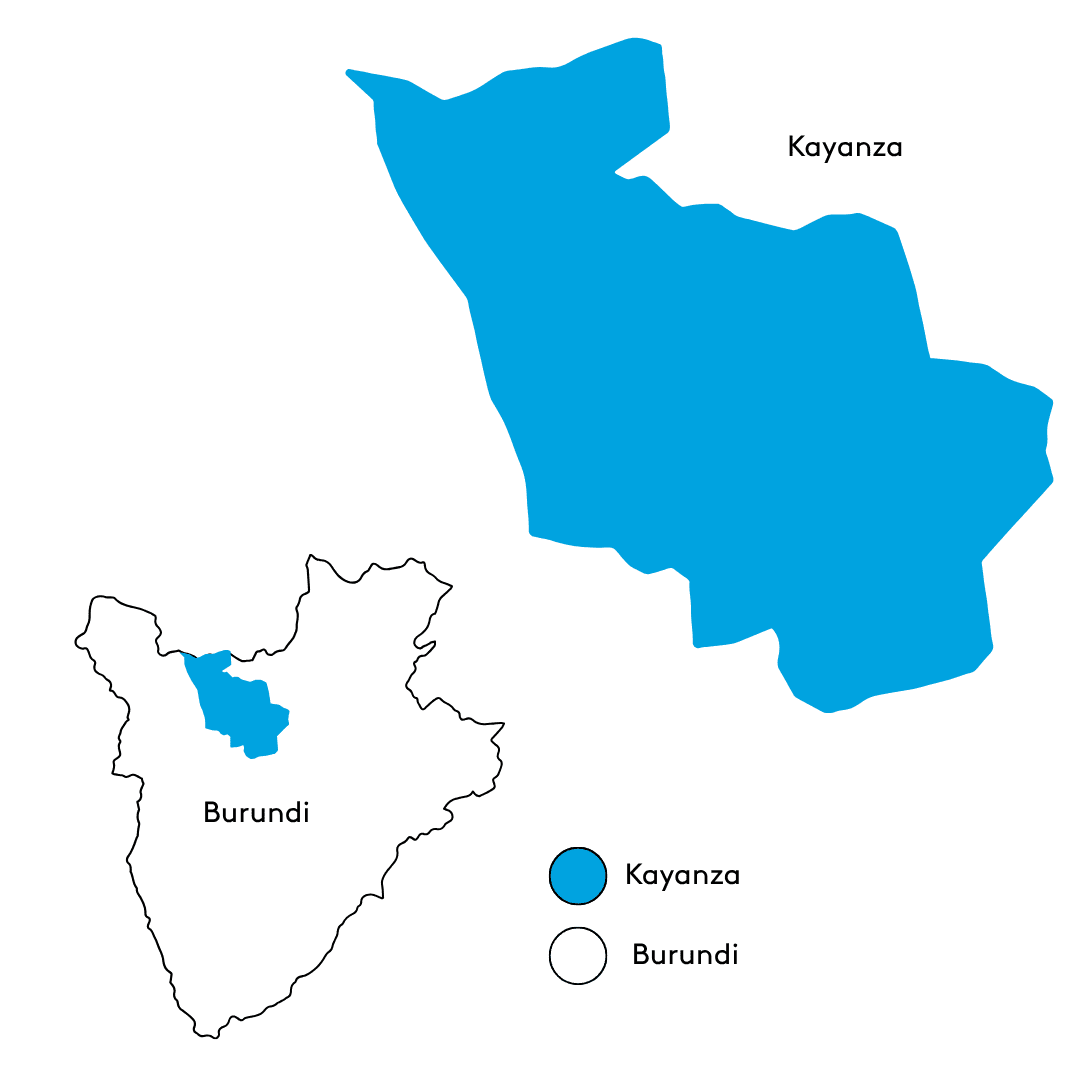
This coffee comes from Bumba Hill, one of the coffee-growing communities surrounding Ninga Washing Station in Kayanza Province, northern Burundi. Located between 1,800 and 2,000 masl, this high-elevation region offers ideal conditions for specialty coffee production, where cooler temperatures and slower cherry maturation contribute to sweetness, structure, and cup complexity.

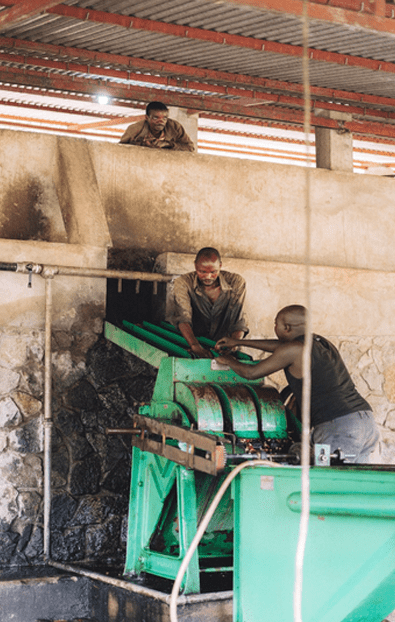
Ninga Washing Station sits at approximately 1,900 masl alongside the Nkokoma River and was established to address a critical challenge faced by producers in the region. Many coffee farmers previously traveled long distances to access washing stations that offered transparent weighing systems and fair compensation for their coffee cherries. Ninga was developed to create better access and strengthen opportunities for surrounding farming communities.

Coffee from Ninga is sourced primarily from producers across three hills in Kayanza Province: Giku Hill, Ninga Hill, and Bumba Hill. Bumba is one of the most remote communities in the area, requiring travel across multiple rivers and provincial boundaries to reach. Limited infrastructure continues to shape daily life, with many farming families living without consistent access to electricity or clean drinking water.

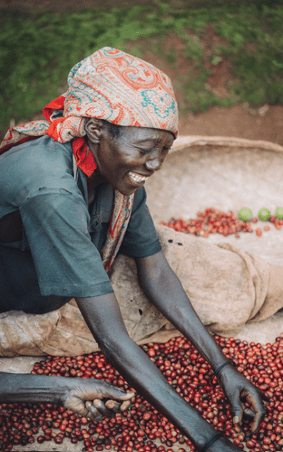
Coffee remains the most important agricultural crop on Bumba Hill, alongside corn and beans, serving as a central source of income for local families. Smallholder producers cultivate Bourbon varieties on small farms passed between generations, contributing to Burundi’s growing reputation for coffees recognized for vibrant acidity, sweetness, and layered fruit complexity.

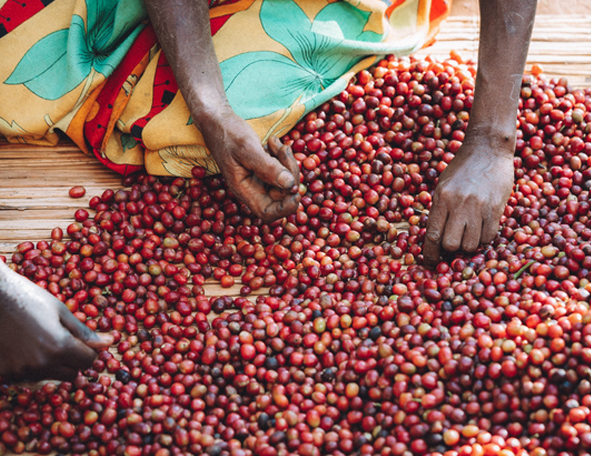
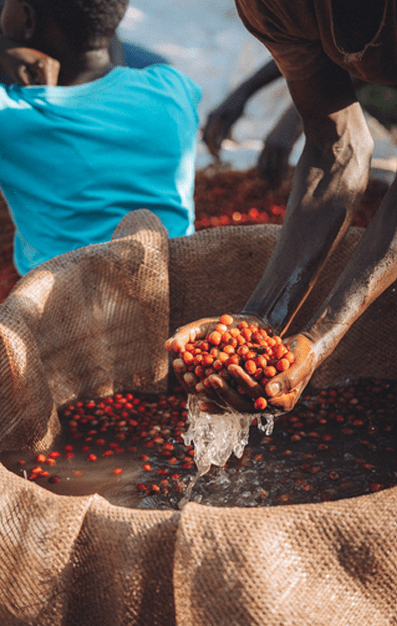
For this Bourbon lot, cherries are selectively harvested at peak ripeness and delivered to Ninga Washing Station, where they undergo sorting to remove underripe and low-density fruit prior to processing.

The coffee then undergoes a 48-hour anaerobic fermentation in whole cherry under sealed conditions designed to influence microbial activity and support greater fruit expression and complexity.

Following fermentation, the coffee is dried slowly as whole cherry under carefully managed conditions until reaching stable moisture content. Drying is closely monitored to promote uniform moisture reduction and preserve cup quality throughout the process.

This approach combines Burundi’s strong focus on cherry quality with controlled fermentation techniques designed to highlight the distinctive character of Bourbon grown in the high elevations of Kayanza Province.

Region

Kayanza

Burundi is a small, landlocked country in East Africa where coffee plays a central role in rural livelihoods and the national economy. Coffee production is concentrated in high-altitude regions, generally between 1,500 and 2,000 meters above sea level, where volcanic soils, steady rainfall, and cooler temperatures create favorable conditions for growing high-quality Arabica coffee, predominantly Bourbon varieties.

Among Burundi’s coffee-producing regions, Kayanza Province has become particularly recognized within specialty coffee for its high elevations, fertile soils, and favorable climate. Located in northern Burundi near the Rwandan border, Kayanza produces coffees often recognized for vibrant acidity, sweetness, floral characteristics, and layered fruit complexity. 

Coffee farming in Burundi is driven by smallholder producers, most cultivating less than one hectare alongside crops such as beans, corn, bananas, and cassava. Farms are often managed across generations, making coffee deeply connected to family livelihoods and local communities. 

Unlike many producing countries, Burundi relies heavily on centralized washing stations, where producers deliver harvested cherries for sorting, processing, and quality management. This system has become a defining characteristic of Burundi’s coffee industry and continues to strengthen the country’s growing reputation within specialty coffee.