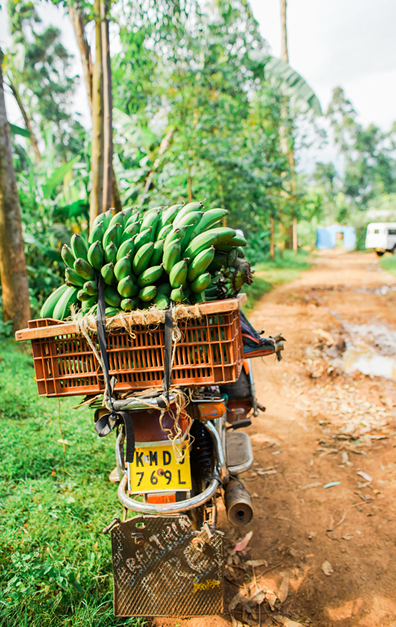
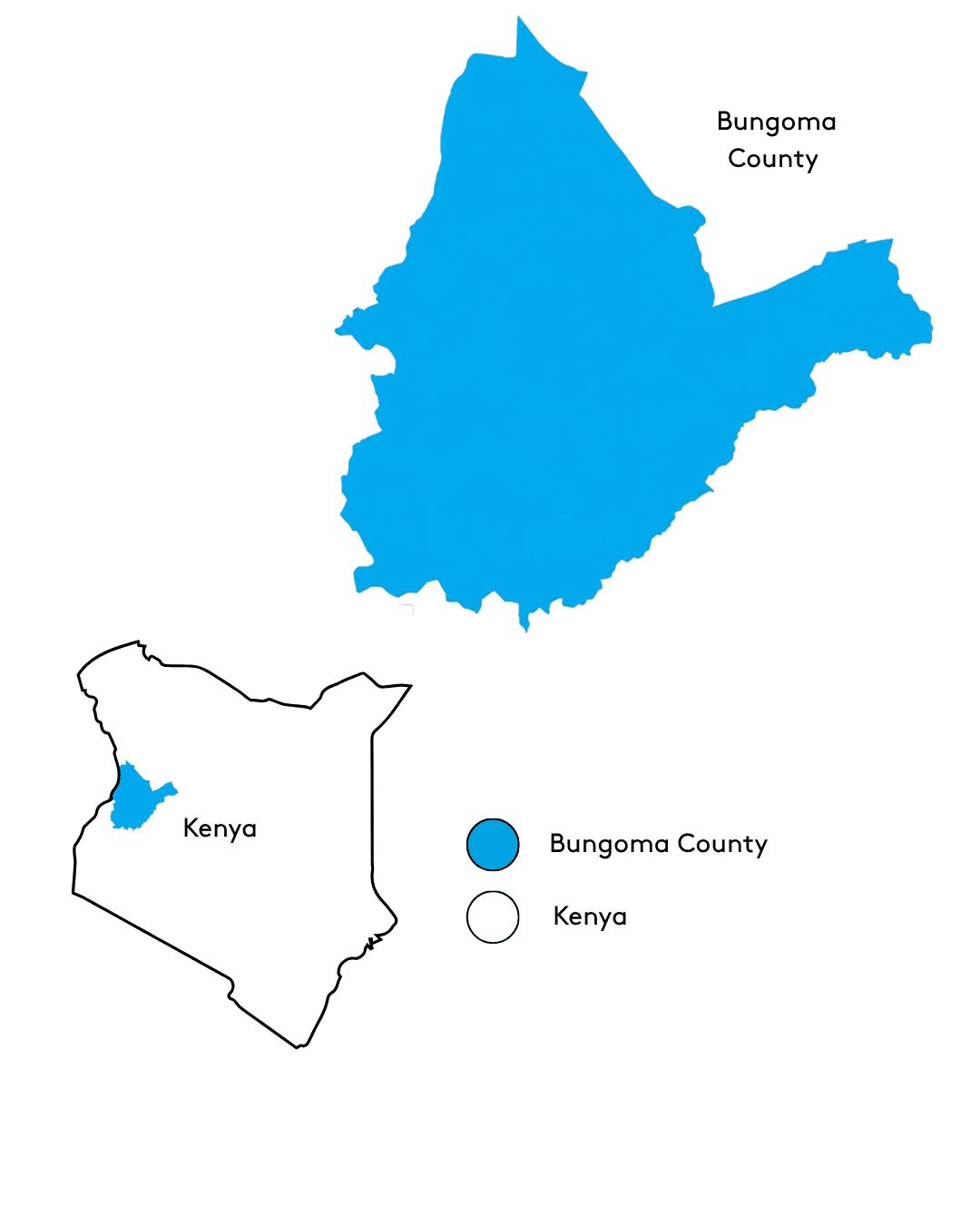
This coffee comes from Bungoma County in Kenya’s Western Rift Valley, a region located along the slopes of Mount Elgon near the country’s western border. Grown between 1,800 and 2,000 masl, coffee in this area benefits from cool temperatures, volcanic soils, and high elevations that support slower cherry development and contribute to structure, sweetness, and complexity in the cup.
This lot is part of Long Miles Coffee Project’s work in Western Kenya, an initiative focused on building long-term relationships with producers while strengthening coffee quality and sustainability in the region. Through direct collaboration with coffee farmers, Long Miles supports agricultural training programs designed to encourage regenerative farming practices and create stronger opportunities for future generations of coffee producers.
The project works alongside both cooperative and private coffee factories, building quality systems specifically adapted to Kenyan coffee production while emphasizing traceability and carefully prepared micro-lots. Coffee farmers participating in the program receive support through the Kenya Coffee Scouts initiative, which focuses on agronomic practices, farm management, and long-term sustainability.
Regenerative agriculture forms a central part of Long Miles’ vision for Western Kenya. As part of this commitment, the project has established a farm at approximately 2,200 masl near the edge of a protected forest area on Mount Elgon, where SL28 and additional experimental varieties are being cultivated alongside regenerative farming initiatives designed to strengthen soil health and long-term environmental resilience.
This lot combines varieties traditionally associated with Kenya’s quality reputation — SL28 and SL34 — alongside Batian and Ruiru 11, cultivars developed to improve disease resistance and farm productivity while maintaining cup quality potential. Together, these varieties reflect both Kenya’s coffee heritage and the country’s evolving approach to sustainable coffee production.
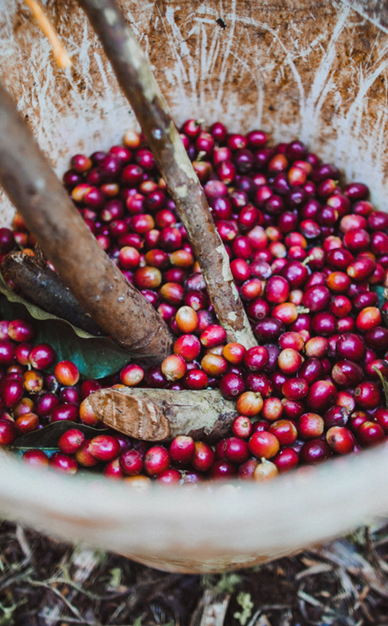
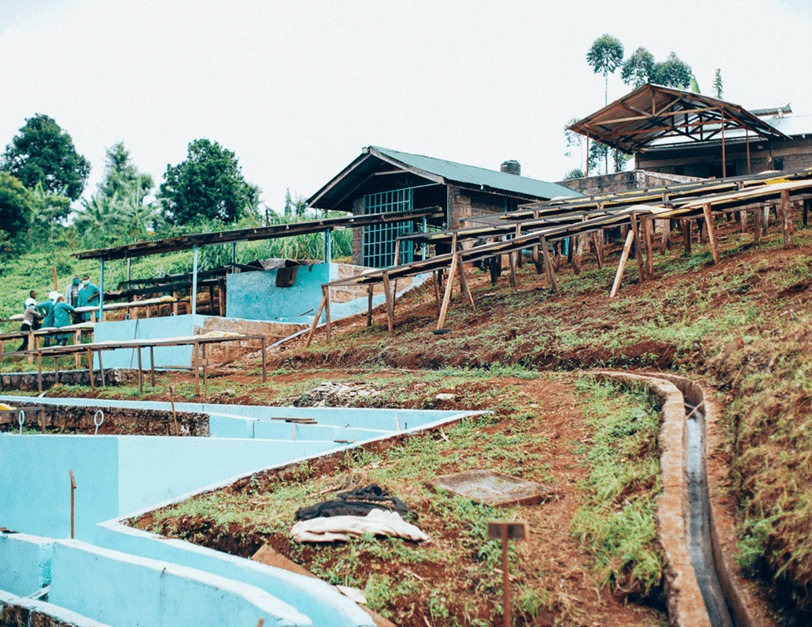
For this lot, cherries are selectively harvested at peak ripeness before undergoing Kenya’s traditional fully washed processing method. Following harvest, cherries are sorted and depulped before entering fermentation tanks, where remaining mucilage is broken down under controlled conditions.
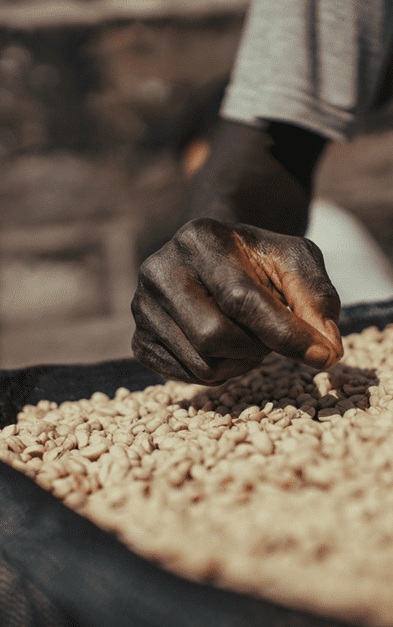
The coffee is then fully washed using clean water channels designed to separate parchment by density before being transferred to raised drying beds. Drying takes place slowly under carefully managed conditions until stable moisture content is reached.
This processing method emphasizes clarity, structure, and acidity, characteristics that have helped define Kenya’s reputation within specialty coffee and highlight the layered fruit and sweetness commonly associated with coffees from high-elevation growing regions.