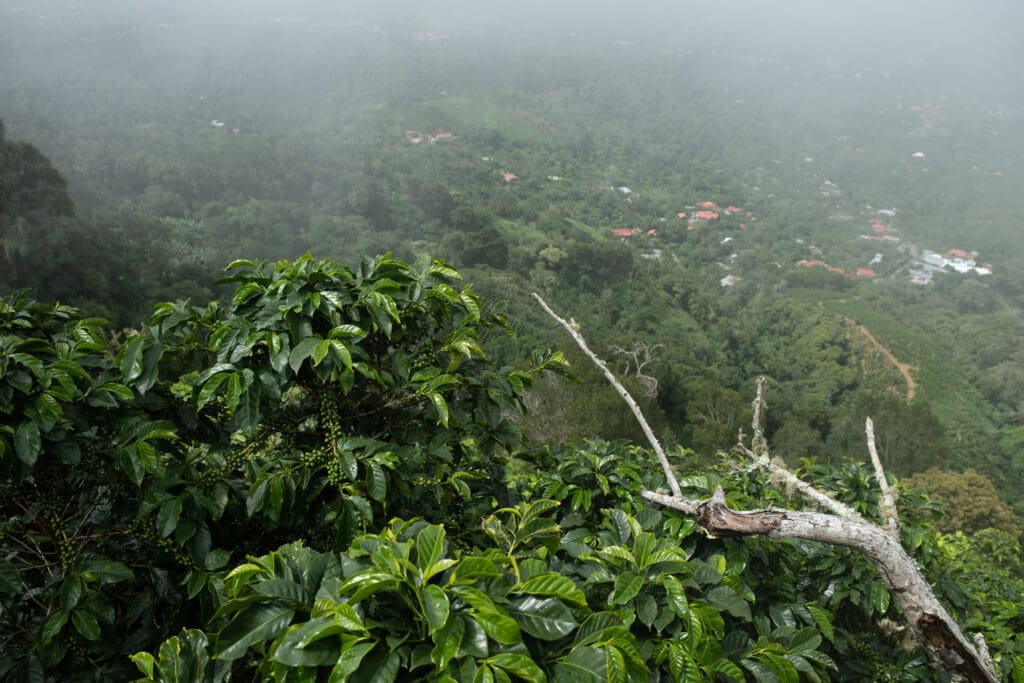
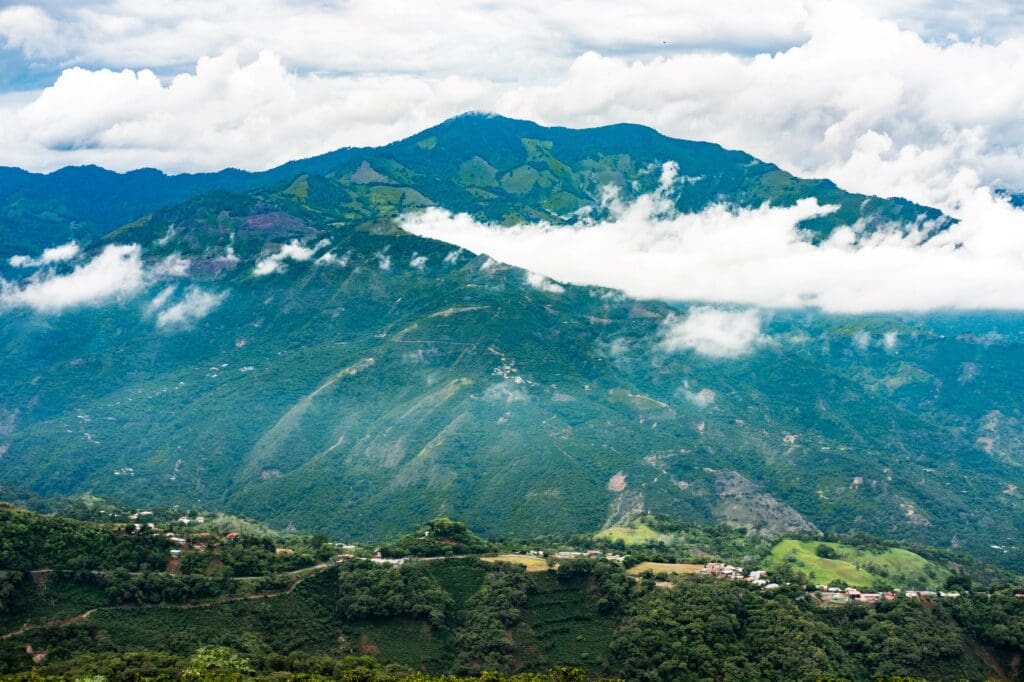
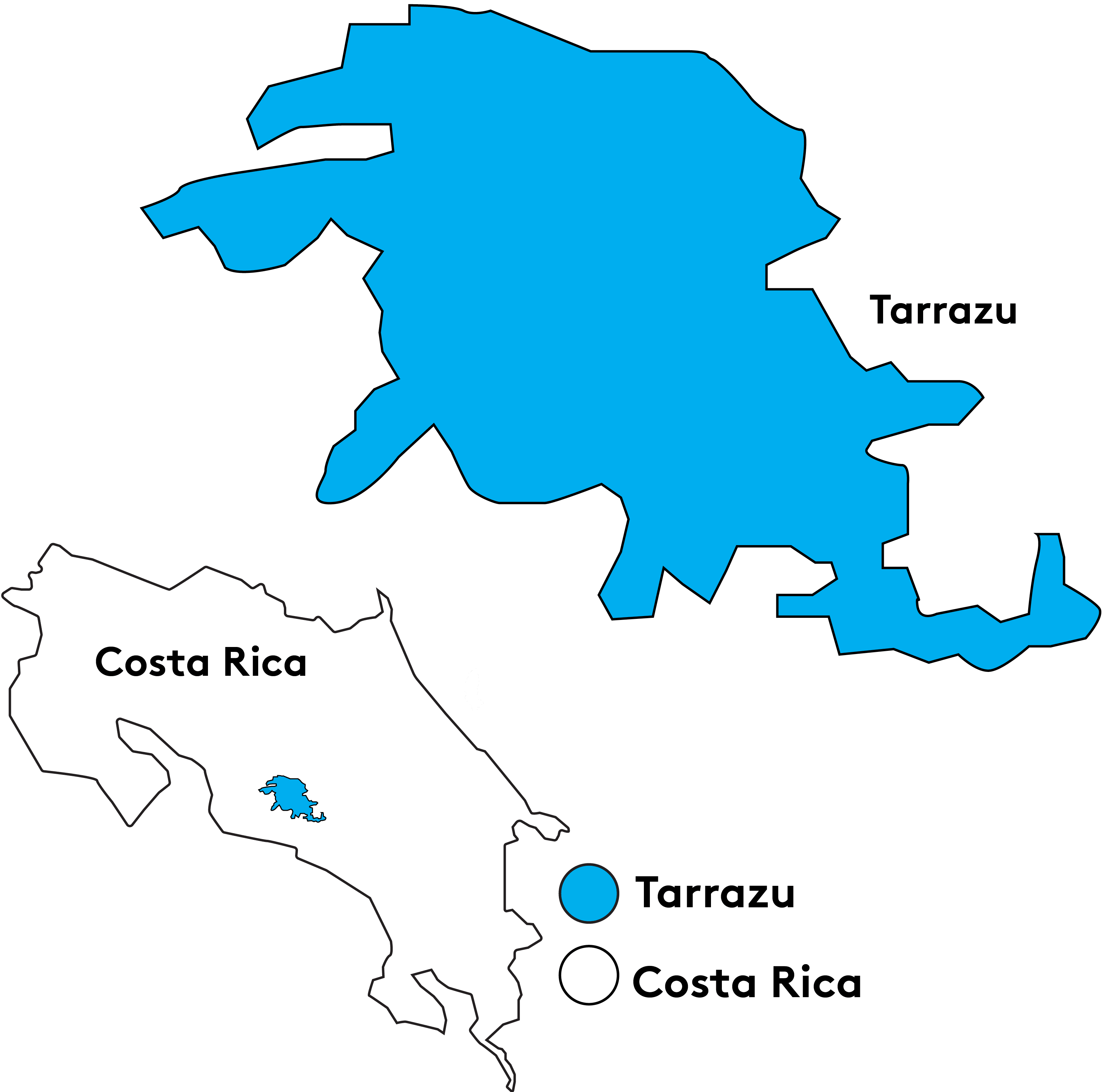
Christian Alvarez is native to his town of Jorco in the Tarrazú region, just a 45 minute drive from San José. Despite being so close to Costa Rica’s capital, the ambience couldn’t be more different. Christian’s farm, El Rodeo, looks down on a handful of small towns connected by a single road dotted with homes and businesses. The 60-hectare property is planted with mainly Caturra and Catuaí varieties grown under the protective shade of the Poró trees.
By profession, Christian is a lawyer and by passion he is a coffee businessman. He purchased the farm in 2012 when his father, Olman Alvarez, retired from working for the government. When Olman was younger, he used to work in the coffee fields; now he is more than happy to be back. Ever since Christian bought the farm, father and son have been working together to renovate and make the most of the property. Christian directs the strategy and his dad makes it happen: a true family operation.
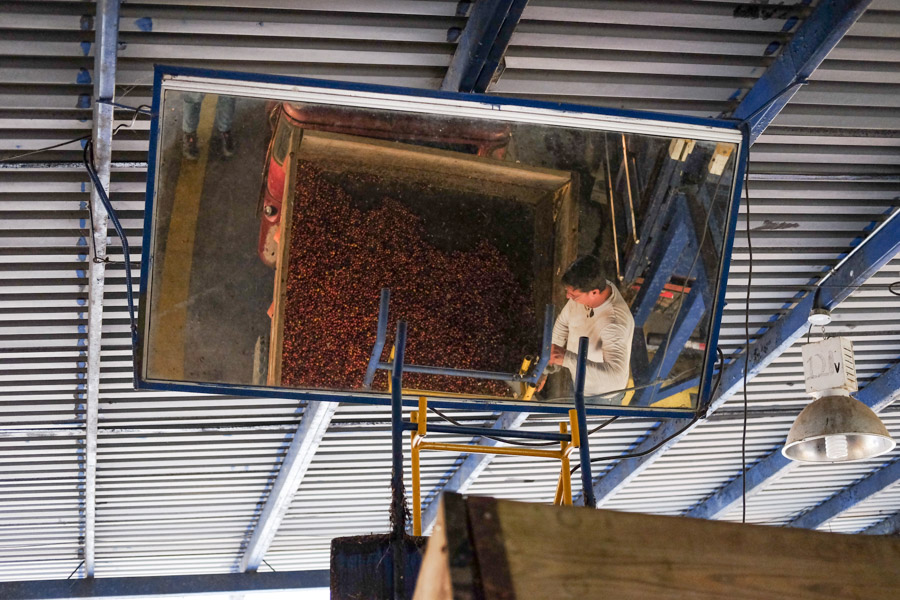
Harvested coffee is transported daily from the farm to the Palmichal mill where the coffee is processed in their superb micromill. Christian’s coffee was the first lot processed in Palmichal’s micromill, and the partnership continues to this day. The elevation, shade grown techniques, and Christian and his father’s excellent care make coffees from El Rodeo prime candidates for the Palmichal microlot program.
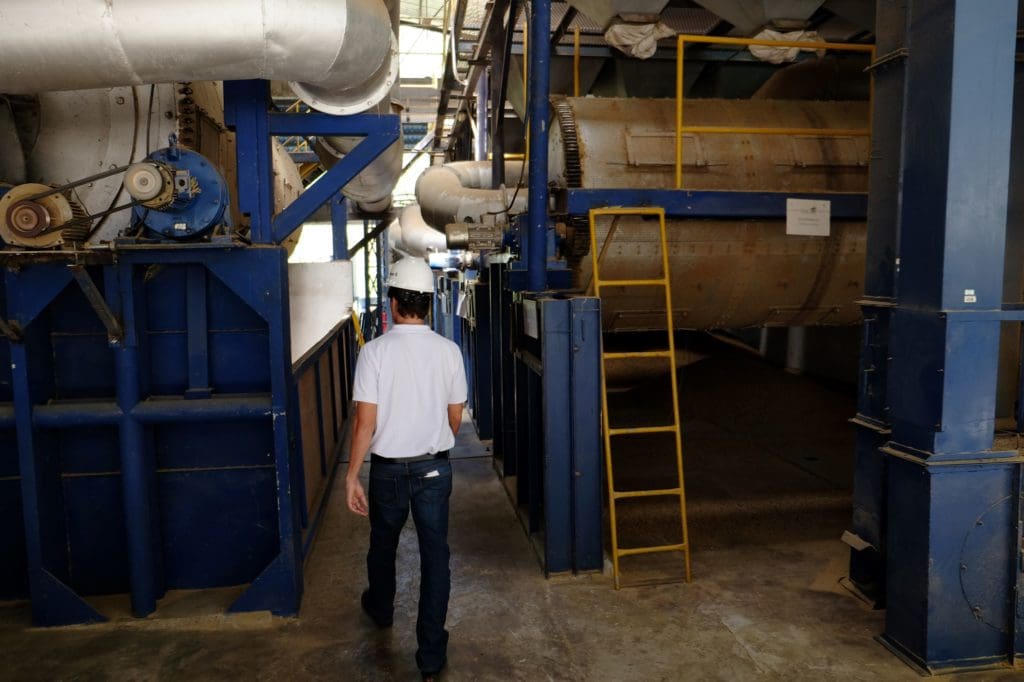
The Palmichal wet mill is a community wet mill owned and operated by CECA, one of Costa Rica’s major exporting companies. Traditionally this mill only processed conventional coffee, but since the mid-2010s has adapted itself to serve both specialty coffee producers and roasters. The town of Palmichal is conveniently located between the Central Valley and Tarrazú regions, which allows it to process coffee from multiple coffee producing areas.
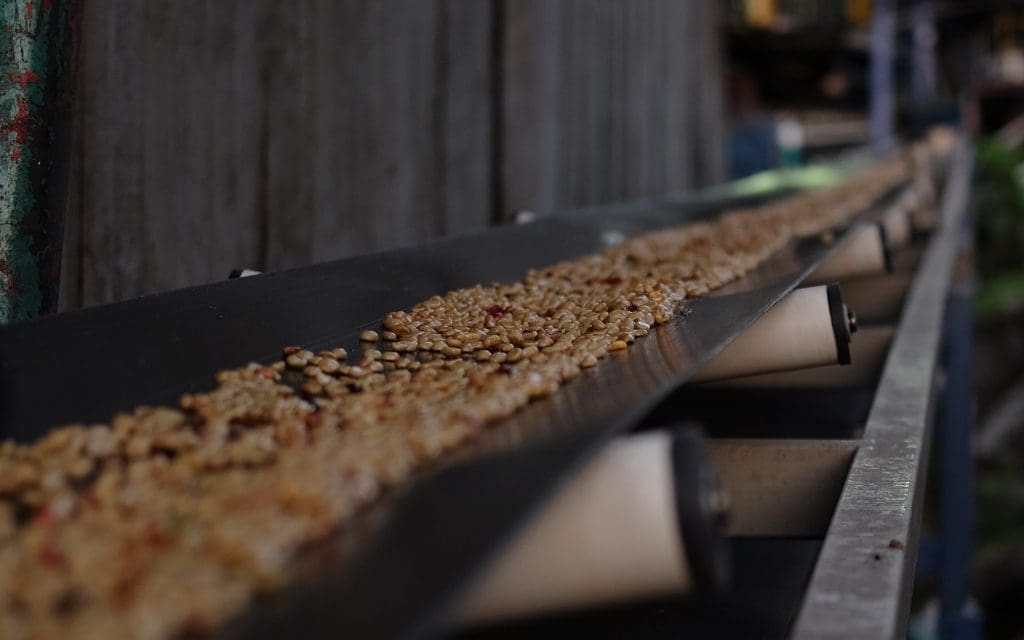
A big part of Costa Rica’s adaptation to produce for the specialty coffee market has been in the construction of parallel infrastructure; large mills process thousands of kilos of cherry together to produce consistency in large volumes while micromills process microlots one by one to preserve unique flavor profiles. In the case of Palmichal, the construction of an additional hopper and a state-of-the-art demucilager for Washed processing are the key features of its micromill within its conventional mill.
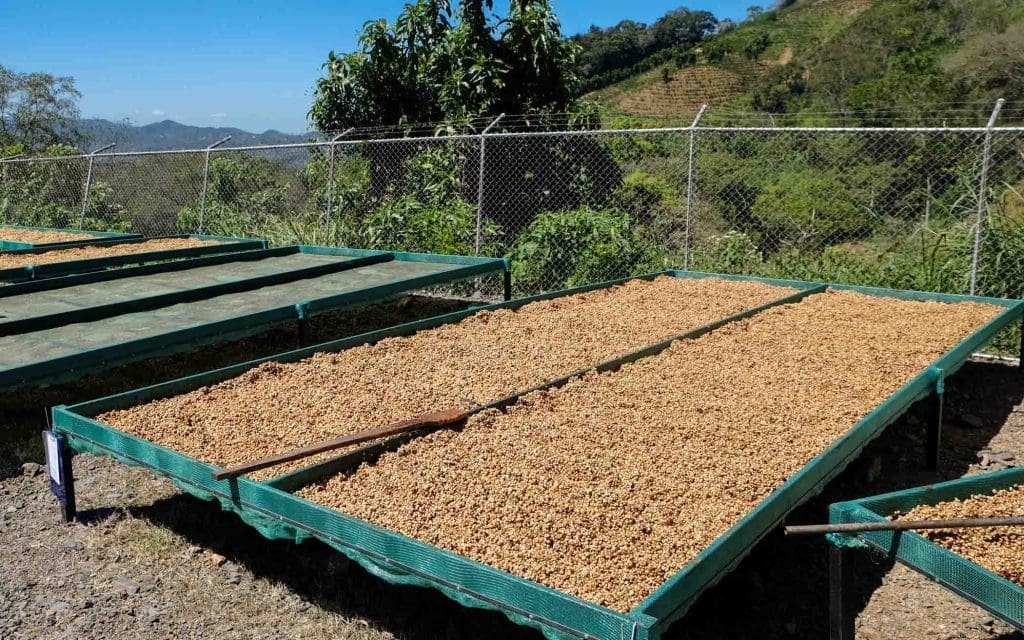
In the micromill, coffee from select producers is processed separately with 100% traceability. Most of Palmichal’s microlots are Honey processed, bypassing the demucilager to leave the sweet mucilage on the bean, and dried on raised beds or in the large mechanical dryers called guardiolas.
Christian Alvarez’s lot of red Catuai underwent honey process. After pulping, about 75% of the mucilage was retained during drying. The coffee was sun-dried on patios for 10 days and then finished in a drum drier to ensure uniform humidity. Following two months of resting in parchment, the coffee was dry milled and carefully sorted by weight, density, size, and color.